

Hear from Our Customers
You can’t see most mold growth. It hides behind walls, under floors, around HVAC systems. You might smell something musty or notice family members coughing more than usual, but you don’t know if it’s actually mold or where it’s coming from.
That’s where testing comes in. We use air sampling to detect airborne spores you’re inhaling every day. We take surface samples from areas that look suspicious. And when needed, we collect bulk samples from materials like drywall or insulation to see how deep the contamination goes.
The lab results tell you what species of mold you’re dealing with, how much of it is present, and whether it’s at levels that require action. No more wondering if that dark spot is dirt or black mold. No more debating whether your headaches are stress or something in the air.
You get a clear report. You get real numbers. And you get recommendations based on what’s actually happening in your home, not worst-case scenarios designed to scare you into spending money you don’t need to spend.
We’ve been helping families in Warminster Heights figure out their mold problems for years. We know the area. We know the housing stock—a lot of it built in the 1940s with cinder block on slab construction, which creates its own moisture challenges.
We’re not here to sell you services you don’t need. We test, we report, we recommend. If you don’t have a mold problem, we’ll tell you. If you do, we’ll tell you exactly what needs to happen next.
Our team uses the same equipment and methods that certified mold inspectors across Bucks County rely on. We send samples to accredited labs. And we explain the results in plain language so you actually understand what you’re looking at.
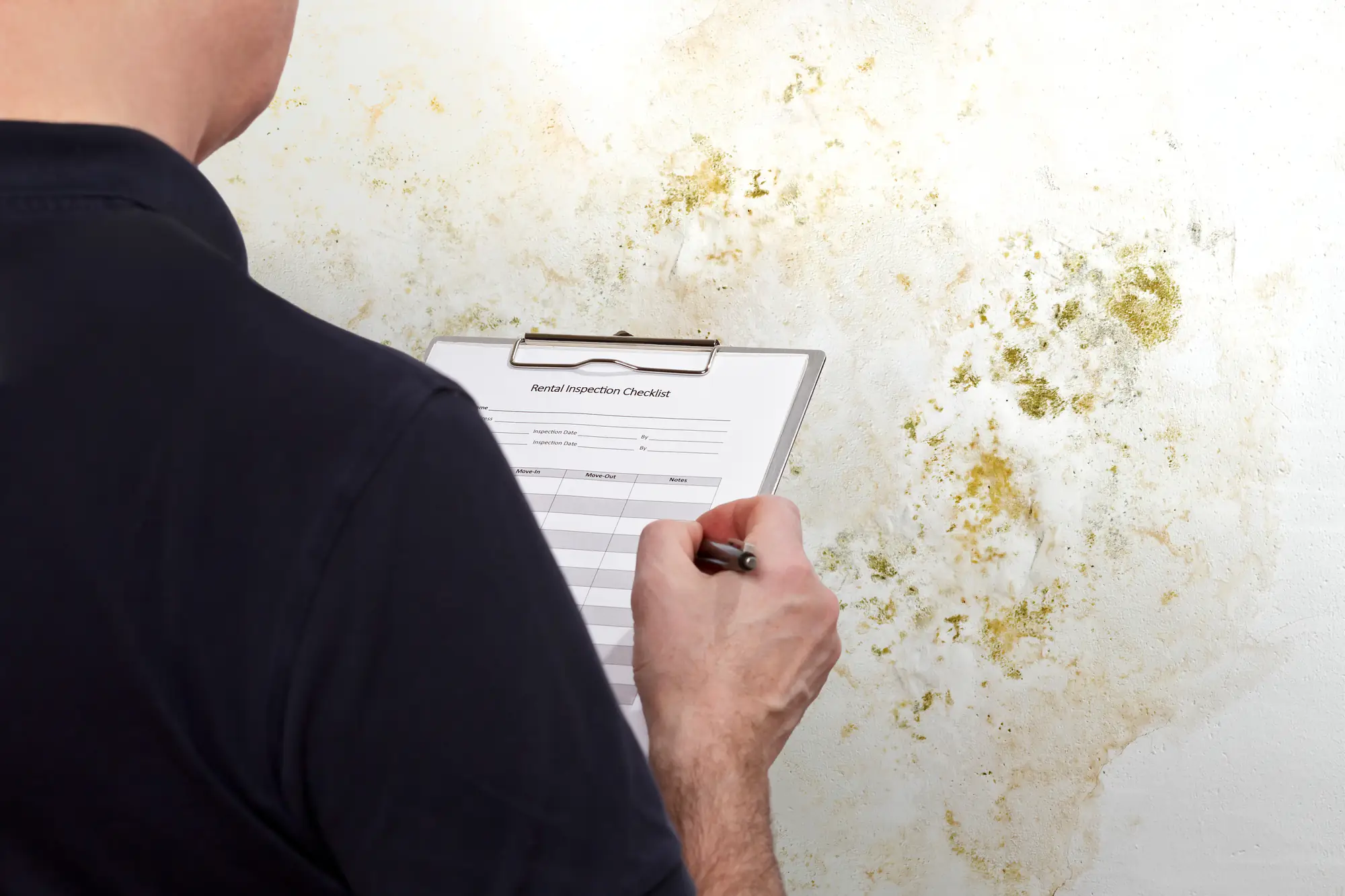
First, we walk through your home and look for visible signs of mold or moisture issues. We check the usual suspects—bathrooms, basements, around windows—but we also look in places most people don’t think about.
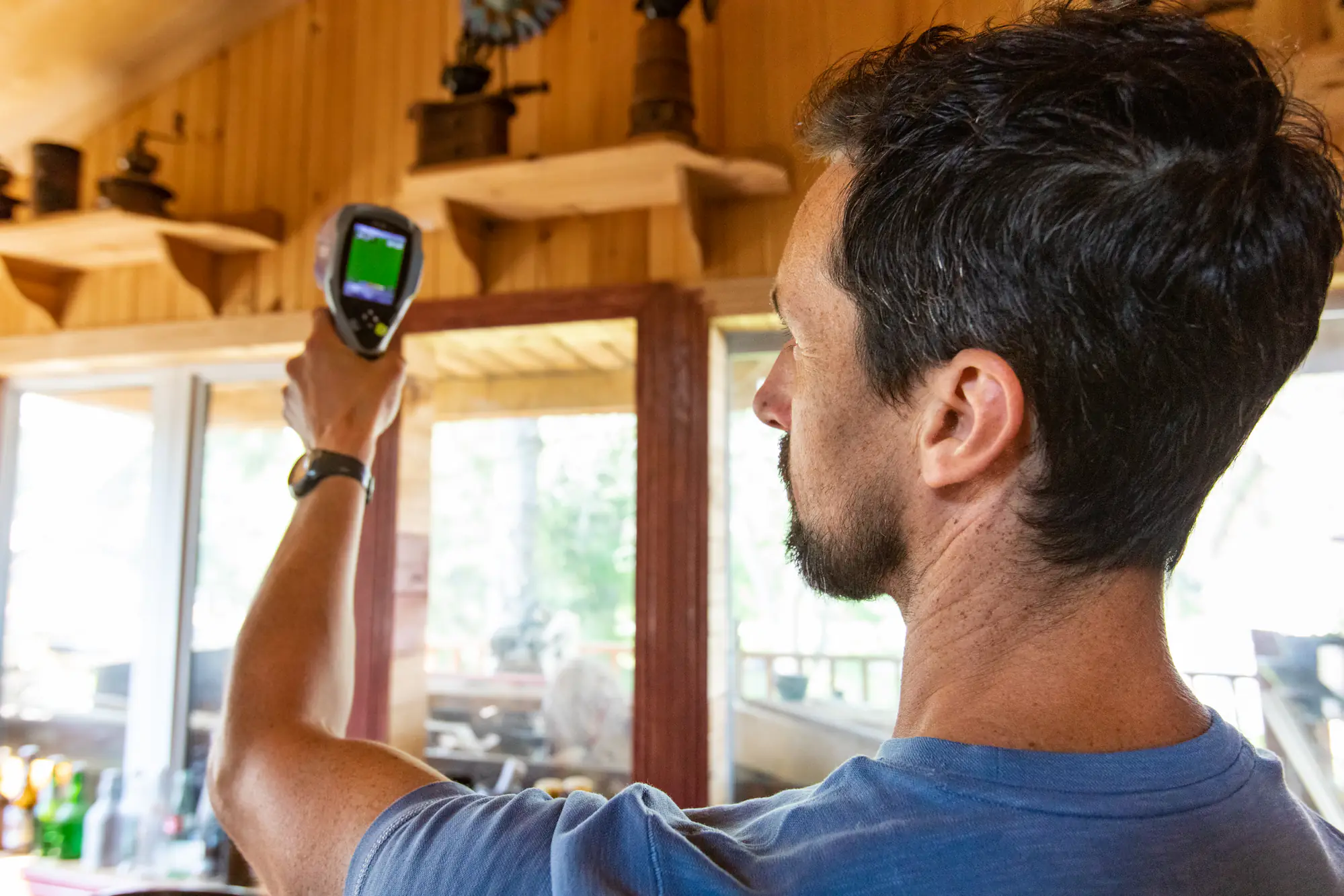
Then we collect samples. Air sampling captures what’s floating around that you can’t see. Surface sampling tests specific areas where we see discoloration or suspect growth. If there’s water damage or we need to check inside a wall, we might take a bulk sample of the material itself.
Those samples go to a lab. Results usually come back within 24 to 72 hours. The lab identifies the mold species, measures the concentration, and compares it to outdoor levels to see if your indoor air quality is worse than it should be.
Once we get the results, we sit down with you and go through everything. We explain what the numbers mean, where the mold is likely growing, and what’s causing it. Then we give you a clear plan: what needs to be removed, what needs to dry out, and how to prevent it from coming back.
Ready to get started?
You get a thorough inspection of your property. We don’t just test one room and call it done. We look at the whole picture—where moisture is coming from, where air is circulating, where conditions are right for mold to grow.
You get lab-tested results from an accredited facility. Not a guess. Not a visual inspection that says “looks like mold.” Actual data that tells you what species is present and at what levels.
And you get a written report with photos, lab results, and specific recommendations. If remediation is needed, we’ll tell you what that involves. If it’s a moisture issue that needs to be fixed first, we’ll tell you that too.
Here’s what matters for Warminster Heights homes specifically: the older housing stock here—especially those 1940s-era cinder block structures—can trap moisture in ways newer homes don’t. Slab foundations don’t have crawl spaces to ventilate. Cinder block can wick water. And if your home has had decades of minor leaks or poor drainage, mold might be growing in places you’d never think to check.
That’s why testing matters. You’re not just checking for visible mold. You’re checking for hidden growth that’s been there for years, quietly affecting your air quality and your health.
Most residential mold testing runs between $300 and $1,000 depending on the size of your home and how many samples we need to collect. A small condo with one area of concern costs less than a full house with multiple moisture issues.
Air sampling is the most common test and usually the starting point. If we need surface samples or bulk samples from inside walls or materials, that adds to the cost. But we don’t collect samples just to run up a bill—we collect what’s necessary to give you accurate information.
If you’re buying or selling a home, some people opt for more comprehensive testing to document the property’s condition. If you’re dealing with a known water leak or visible mold, we might focus testing on that specific area. It depends on what you need to know and why you need to know it.
An inspection is visual. We walk through, look for signs of mold or moisture, check areas that are prone to growth, and give you an assessment based on what we see. It’s a good starting point and sometimes that’s all you need.
Testing goes further. We collect samples—air, surface, or bulk—and send them to a lab for analysis. The lab identifies the specific mold species and measures concentration levels. Testing gives you data, not just observations.
Most people start with an inspection. If we find something that looks like mold, or if you’re having symptoms but we don’t see obvious growth, that’s when testing makes sense. You’re paying for certainty. You’re paying to know exactly what’s in your home and whether it’s at levels that require action.
You can, but the results are limited. Most DIY kits test for the presence of mold, not the type or concentration. They’ll tell you “yes, there’s mold,” but they won’t tell you if it’s toxic black mold or common household mold that’s not a health risk.
DIY kits also don’t come with professional assessment. You might get a result that says mold is present, but you won’t know where it’s coming from, how bad it is, or what to do about it. And if you handle the sample wrong or place the test in the wrong spot, the results can be misleading.
Professional testing costs more, but you’re paying for accuracy and context. We know where to sample, how to collect it properly, and how to interpret lab results in the context of your specific property. If you’re making decisions about remediation or trying to figure out if mold is causing health issues, you want reliable data.
Lab results typically come back in 24 to 72 hours. We collect the samples, send them to an accredited lab, and they analyze the species and concentration levels. Once we get the report, we contact you to go over the findings.
The inspection itself usually takes an hour or two depending on the size of your home and how many areas we’re testing. We’re not rushing through it. We’re checking everywhere that moisture or mold might be hiding.
After you get the results, you’ll have a clear picture of what’s happening. If remediation is needed, we can start planning next steps right away. If the results show mold levels are normal or the species isn’t a concern, you’ll know that too. Either way, you’re not waiting weeks to find out what’s going on in your own home.
The most common molds we find are Cladosporium, Penicillium, Aspergillus, and Stachybotrys—the one people call black mold. Cladosporium and Penicillium show up a lot in damp areas like bathrooms and basements. Aspergillus likes water-damaged materials. Stachybotrys grows on materials that stay wet for a long time, like drywall or wood after a leak.
Black mold gets the most attention because it can produce toxins that cause respiratory issues, headaches, and skin irritation. Long-term exposure has been linked to chronic fatigue and brain fog. It’s especially common around windows, showers, and basements where moisture builds up.
But here’s the thing: any mold growing indoors in high concentrations is a problem. Even “common” molds can trigger allergies, asthma, and other respiratory issues. Testing tells you what you’re dealing with so you can make informed decisions about whether remediation is necessary and how urgent it is.
If you’re smelling something musty, experiencing unexplained health symptoms, or know you’ve had water damage in the past, testing makes sense even if you don’t see mold. Mold grows in hidden spaces—inside walls, under flooring, in HVAC ducts—and you can be breathing spores without ever seeing the source.
Homes in Warminster Heights with older construction are especially prone to hidden mold. Cinder block can hold moisture. Slab foundations don’t allow airflow underneath. If you’ve had plumbing leaks, roof leaks, or poor drainage around your foundation, mold could be growing where you can’t see it.
Air sampling is the best way to detect hidden mold. It captures what’s floating around in your indoor air and compares it to outdoor levels. If your indoor mold counts are significantly higher, that’s a red flag. Testing gives you answers when visual inspection isn’t enough.
Other Services we provide in Warminster Heights