

Hear from Our Customers
You’ve noticed the smell. Maybe some discoloration on the ceiling. Or your kid’s asthma has gotten worse since winter. You’re not imagining it—and you’re right to be concerned.
Mold doesn’t wait. In Bucks County’s humid summers and damp winters, it can establish itself in 24 to 48 hours after water intrusion. Once it’s growing, it spreads into walls, under floors, and through your HVAC system. You can’t see most of it. But your lungs can feel it.
Professional mold testing gives you the full picture. We use infrared cameras and moisture meters to find hidden growth before it becomes a bigger problem. Air sampling shows what you’re breathing. Surface testing identifies the type of mold and how aggressive it is. Then we map out exactly what needs to happen next—no upselling, no scare tactics. Just a clear plan based on what’s actually there.
Early detection saves money. It protects your family. And it gives you control over a problem that only gets worse when ignored.
We’re not new to Palomino Farms or the moisture problems that come with living in Bucks County. We’ve tested hundreds of homes here. Basements that flood every spring. Crawl spaces that never dry out. Attics with poor ventilation that trap humidity all summer.
We know what mold looks like in this area because we’ve seen it in every form. Our technicians are trained, certified, and equipped with the same tools used by environmental consultants. We follow EPA-approved methods and Pennsylvania’s remediation standards—not because we have to, but because it’s the right way to do the work.
You’ll get honest answers from us. If testing shows you don’t have a mold problem, we’ll tell you. If you do, we’ll explain what it is, where it’s coming from, and what it’ll take to fix it. No pressure. No runaround.
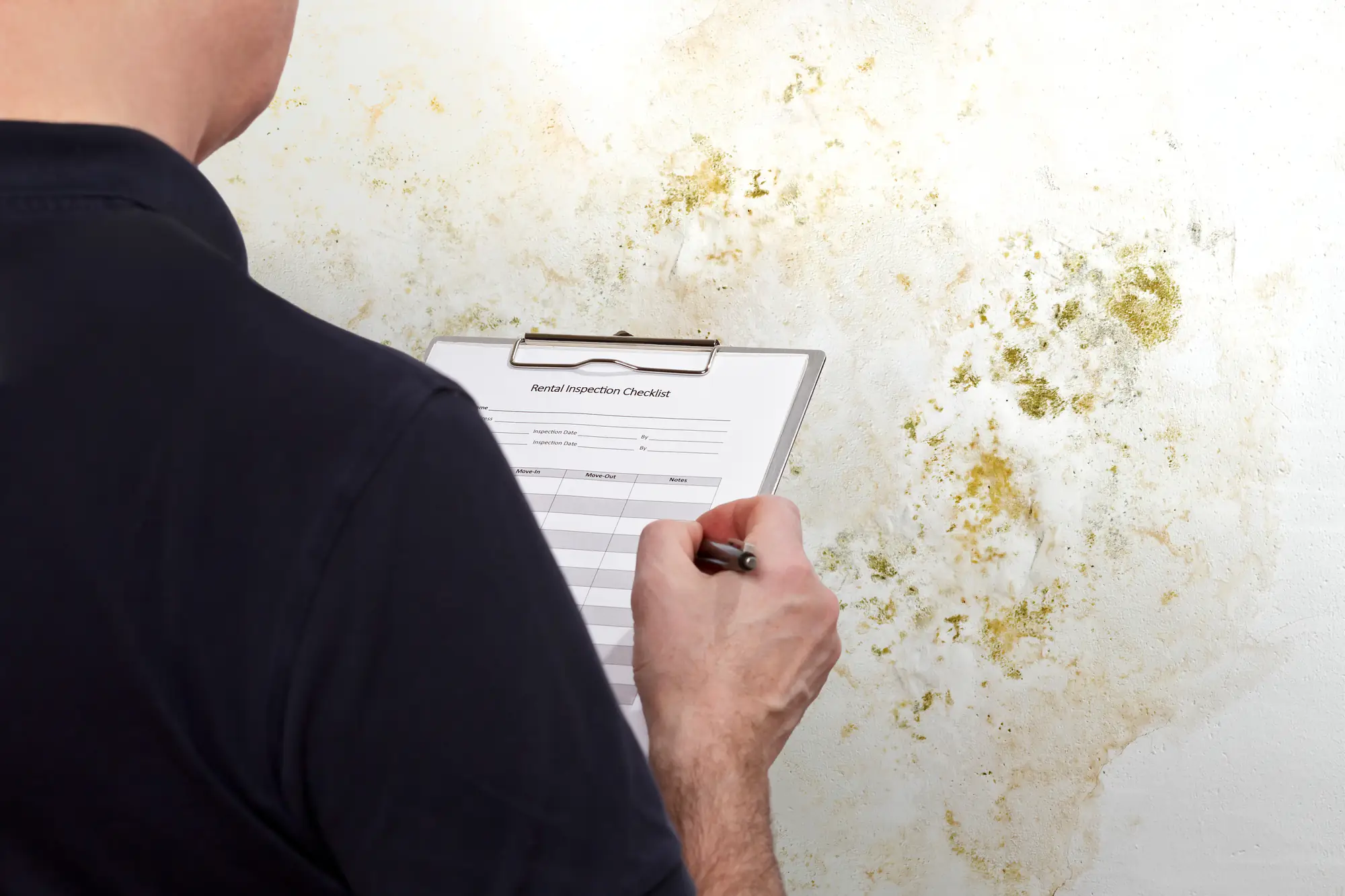
First, we schedule a free inspection at a time that works for you. One of our certified inspectors comes to your home and does a full walkthrough—not just the obvious spots, but the places most people don’t think to check. Crawl spaces. Behind appliances. Inside HVAC ducts. We’re looking for visible mold, water stains, condensation, and any conditions that support growth.
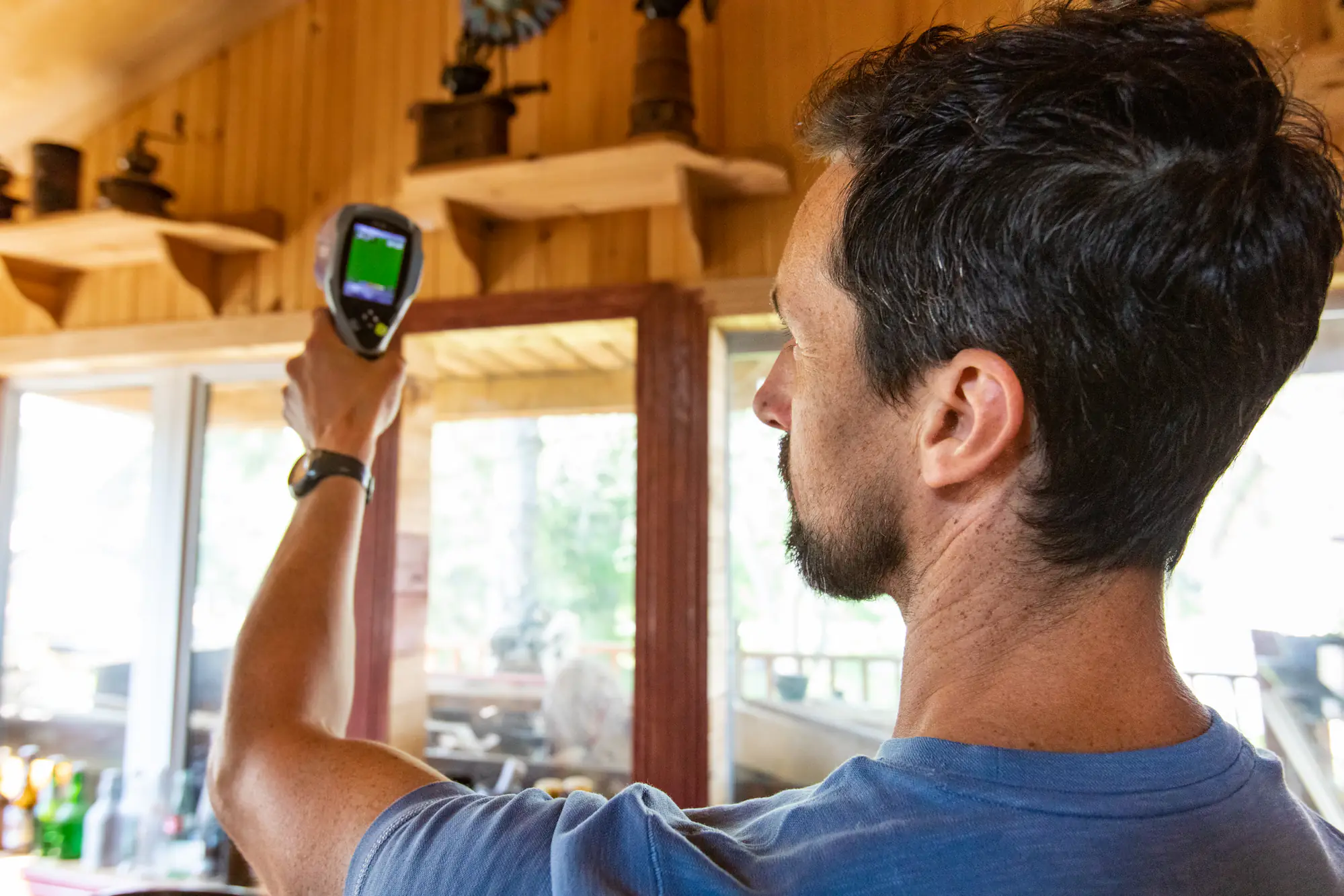
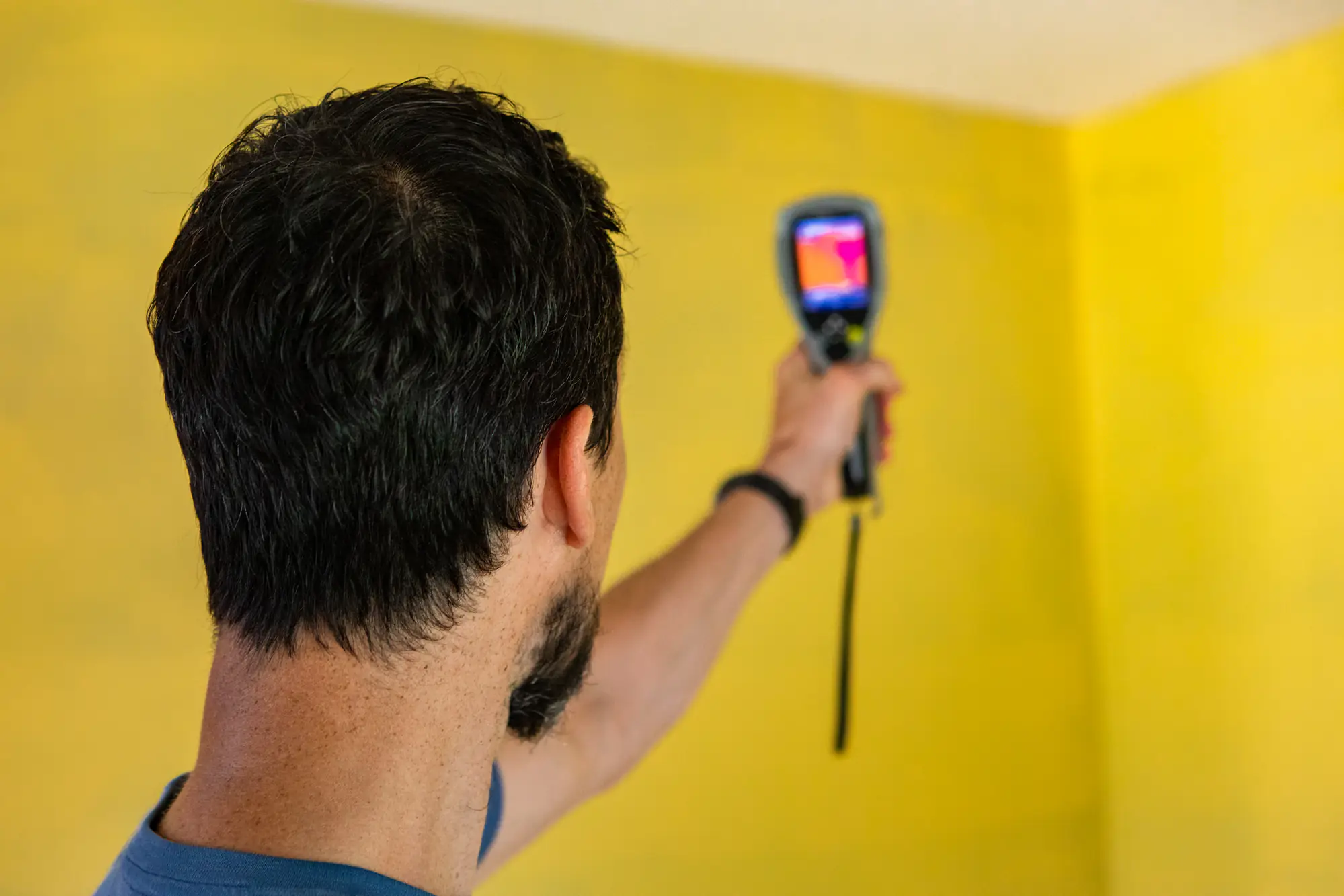
Next, we use moisture meters and infrared cameras to detect hidden problems. These tools show us temperature differences and moisture levels behind walls and under floors. If we find something, we take air samples and surface swabs. Those samples go to a third-party lab for analysis. You get a detailed report that tells you exactly what type of mold is present and at what concentration.
Then we sit down with you and explain what the results mean. If remediation is needed, we walk you through the process, the timeline, and the cost. If your situation is covered by insurance, we’ll help with the paperwork. If it’s something you can monitor or fix on your own, we’ll tell you that too. The goal is to give you the information you need to make the right call for your home.
Ready to get started?
Every mold test we run starts with a visual inspection of your property. We document what we see, where moisture is present, and any visible signs of growth. That’s included in your free inspection.
If testing is recommended, we collect air samples from multiple rooms to measure airborne mold spore levels. We also take surface samples from areas that show visible growth or suspicious staining. These samples are sent to an accredited lab, and you receive a full report within a few days. The report breaks down the types of mold found, the spore count, and whether the levels are considered normal or elevated for indoor environments.
In Palomino Farms and throughout Bucks County, the most common culprits are water intrusion from basements, roof leaks, and condensation issues. Homes built before 1980 are especially vulnerable due to outdated ventilation and insulation. If your home has had any flooding, plumbing leaks, or long-term humidity problems, testing is the only way to know if mold has taken hold. About 50% of U.S. homes have visible mold—but far more have hidden growth that only professional testing can detect.
We also provide a written assessment that explains the source of the moisture, the extent of contamination, and our recommended next steps. If remediation is necessary, we’ll outline the scope of work and give you a transparent estimate before anything begins.
The cost of mold testing depends on the size of your home and how many samples are needed. Most residential mold tests in Bucks County range from $300 to $600. That typically includes a full inspection, air sampling from two to three areas, surface testing if visible mold is present, and lab analysis with a detailed report.
We offer a free initial inspection, which means we’ll come out, assess your situation, and let you know whether testing is even necessary. In some cases, the problem is obvious and we can move straight to remediation. In others, testing is the only way to know what you’re dealing with. We don’t push testing if it’s not needed—we’d rather give you an honest assessment than run up a bill.
If you’re dealing with a recent water event, health symptoms that started suddenly, or you’re buying or selling a home, testing is usually worth it. It gives you documentation, peace of mind, and a clear path forward.
A mold inspection is a visual assessment. We walk through your home, look for signs of mold or moisture problems, and identify conditions that could lead to growth. It’s a diagnostic step—helpful, but limited to what we can see.
A mold test goes further. We collect air and surface samples and send them to a lab for analysis. The lab identifies the types of mold present, measures spore concentrations, and compares those levels to outdoor air and industry standards. This tells us not just if mold is there, but how much, what kind, and whether it’s a health concern.
Most of the time, we start with an inspection. If we see visible mold, smell it, or find moisture problems, we’ll recommend testing to confirm the extent of contamination. If your home has had flooding, long-term leaks, or you’re experiencing unexplained respiratory issues, testing is the smarter move. You can’t treat what you can’t identify, and guessing leads to incomplete remediation and recurring problems.
Once we collect samples, they’re sent to an accredited third-party lab for analysis. Most labs return results within three to five business days. You’ll receive a full report that breaks down the types of mold identified, the concentration levels, and whether those levels are elevated compared to normal indoor air quality.
We don’t use in-house labs or instant test kits. Third-party analysis is more accurate and gives you results that hold up with insurance companies, real estate transactions, and health professionals. If you’re in a time-sensitive situation—like closing on a home or dealing with a serious health issue—we can request expedited lab processing for an additional fee. That usually cuts the turnaround time to 24 to 48 hours.
After we receive the results, we’ll schedule a follow-up to review everything with you. We’ll explain what the findings mean, answer your questions, and outline the next steps if remediation is needed. You’re not left to interpret a technical report on your own.
You can buy DIY mold test kits at hardware stores, but they have serious limitations. Most kits only tell you that mold is present—not what type, how much, or whether it’s a health risk. They don’t account for airborne spores, hidden growth, or the source of moisture. And they don’t come with a remediation plan.
Professional mold testing uses calibrated equipment, controlled sampling methods, and accredited lab analysis. We test multiple areas, compare indoor and outdoor spore levels, and identify the specific species of mold. Some molds are relatively harmless. Others—like black mold—produce mycotoxins that can cause serious health problems. A DIY kit won’t tell you the difference.
More importantly, we find the source. Mold is a symptom of a moisture problem. If you don’t fix the leak, the condensation, or the ventilation issue, the mold will come back no matter how much you clean. We use moisture meters and infrared cameras to locate hidden water intrusion that you’d never find on your own. That’s the difference between a temporary fix and a real solution.
The most common molds we find in Palomino Farms and Bucks County are Cladosporium, Penicillium, Aspergillus, and Stachybotrys (black mold). Cladosporium typically shows up on damp wood, walls, and fabrics. Penicillium grows on water-damaged materials like drywall, carpet, and insulation. Aspergillus thrives in high-humidity environments and is often found in HVAC systems and poorly ventilated bathrooms.
Stachybotrys—commonly called black mold—is the one that gets the most attention, and for good reason. It produces mycotoxins that can cause respiratory problems, chronic fatigue, and neurological symptoms, especially in children and people with compromised immune systems. It grows on materials with high cellulose content, like drywall and wood, and it needs consistent moisture. If you’ve had a long-term leak or flooding that wasn’t dried out within 48 hours, black mold is a real possibility.
Bucks County’s climate makes mold growth more likely than in drier regions. Humid summers, freeze-thaw cycles in winter, and older homes with poor ventilation all create conditions where mold can establish quickly. Testing identifies which species you’re dealing with so remediation can be targeted and effective.
It depends on your policy and the cause of the mold. Most homeowners insurance in Pennsylvania will cover mold remediation if the mold resulted from a sudden, accidental event—like a burst pipe or storm damage. If the mold is due to long-term neglect, poor maintenance, or gradual leaks, coverage is usually denied.
Many policies have mold damage caps, typically between $1,000 and $10,000. Some exclude mold coverage entirely unless you’ve purchased a separate endorsement. The key is acting fast. If you have water damage, you’re expected to start drying and cleaning within 24 to 48 hours. Delays can be used by insurers to deny your claim.
We work with insurance companies regularly and can help you document the damage, provide testing results, and submit the necessary paperwork. If your claim is approved, we’ll work directly with your adjuster to make sure the scope of work is covered. If it’s not, we’ll give you a transparent estimate so you know exactly what you’re paying for. Either way, waiting only makes the problem worse and the bill higher.
Other Services we provide in Palomino Farms