

Hear from Our Customers
You’re not imagining it. The headaches that disappear when you leave the house. The coughing that gets worse at night. The musty smell you can’t quite locate.
Mold doesn’t always show itself. It grows behind walls, under baseboards, in crawl spaces you never check. By the time you see visible growth, you’re already dealing with a bigger problem than you think.
Professional mold testing tells you exactly what type of mold you have, how much of it is in your air, and where it’s coming from. That’s information a home test kit can’t give you. Those DIY petri dishes look the same whether you swab your bathroom or your kitchen—they’re basically useless for making real decisions about your home.
Testing gives you a baseline. If you’re buying a house, it tells you what you’re walking into. If you’ve had water damage, it confirms whether the problem is actually resolved. If your family is experiencing symptoms, it either confirms mold as the cause or rules it out so you can look elsewhere.
We serve homeowners throughout Maple Shade, PA and Bucks County with residential mold testing that actually means something. We’re not showing up with a moisture meter and a guess.
Every inspection uses thermal imaging to find temperature variations that indicate moisture problems. We test air quality to measure spore concentration. We identify mold species so you know if you’re dealing with common household mold or something that requires immediate action.
Pennsylvania’s climate has changed. Precipitation is up 5-10% in recent years, and homes in Maple Shade are dealing with more moisture issues than ever before. Basements that stayed dry for decades are suddenly damp. Attics are showing condensation. That’s the reality here, and it’s why mold testing has become less optional and more necessary for protecting your investment.
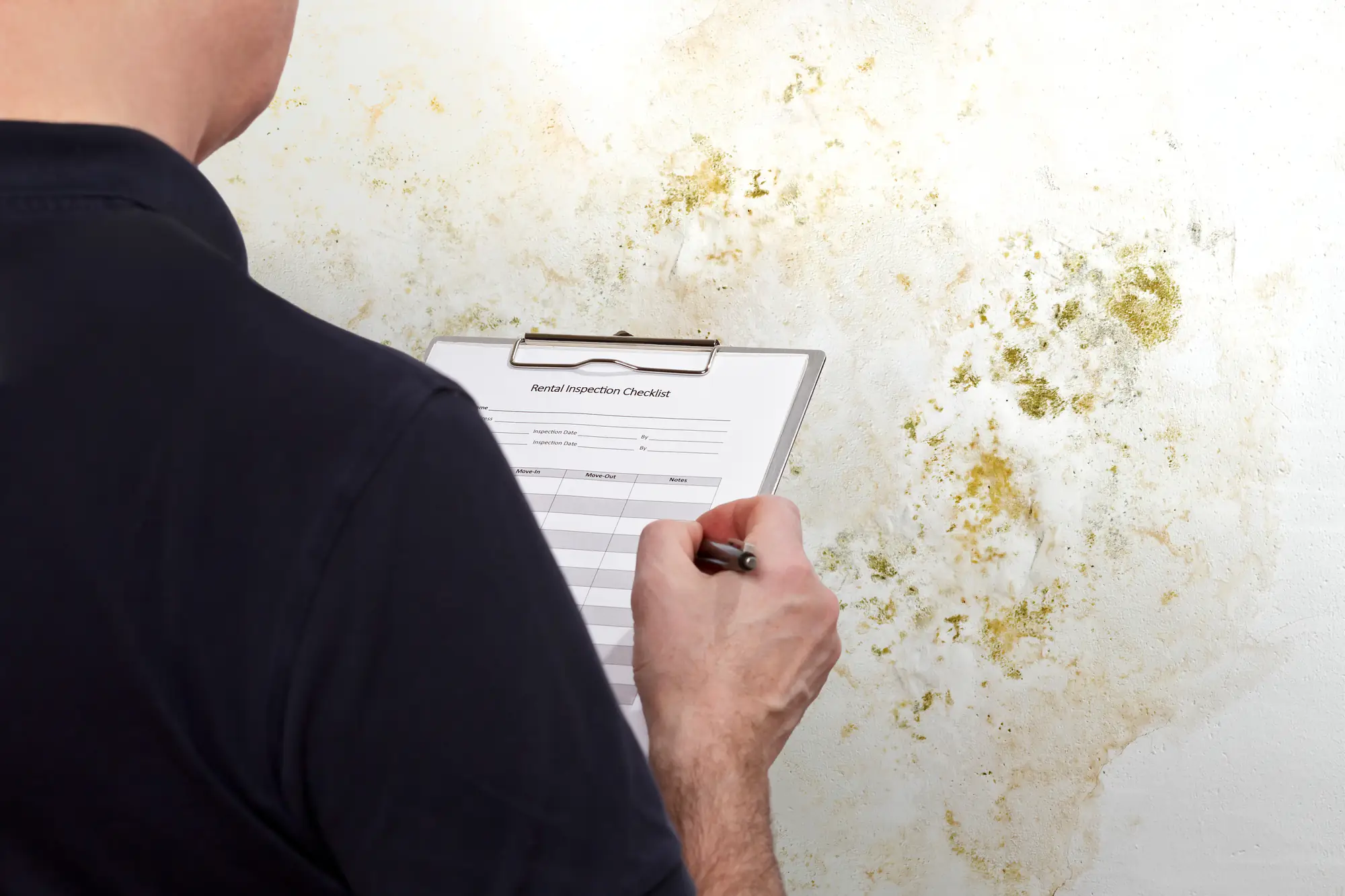
The process starts with a visual inspection of your entire property. We’re looking for water stains, discoloration, warping, and any signs of current or past moisture intrusion.
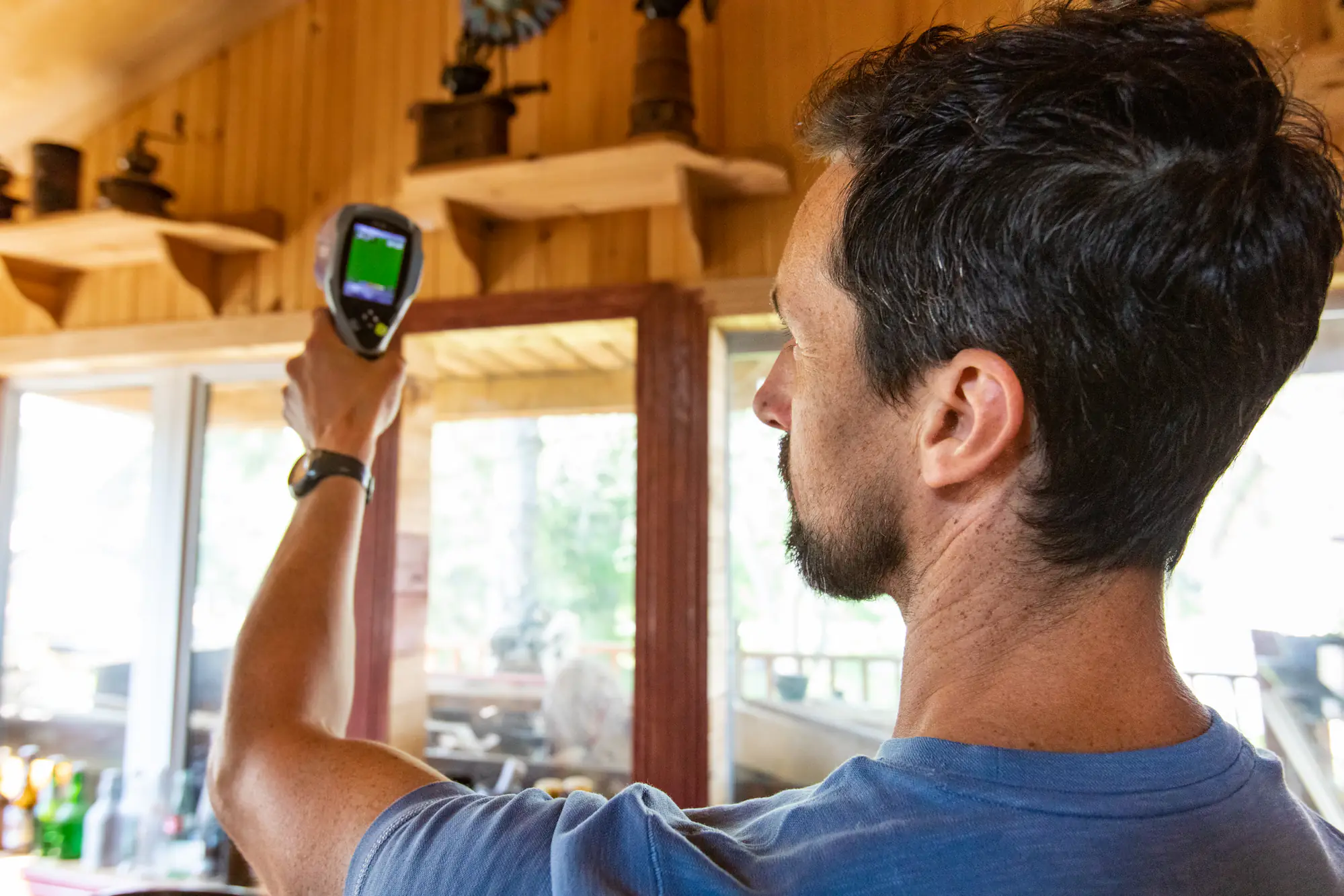
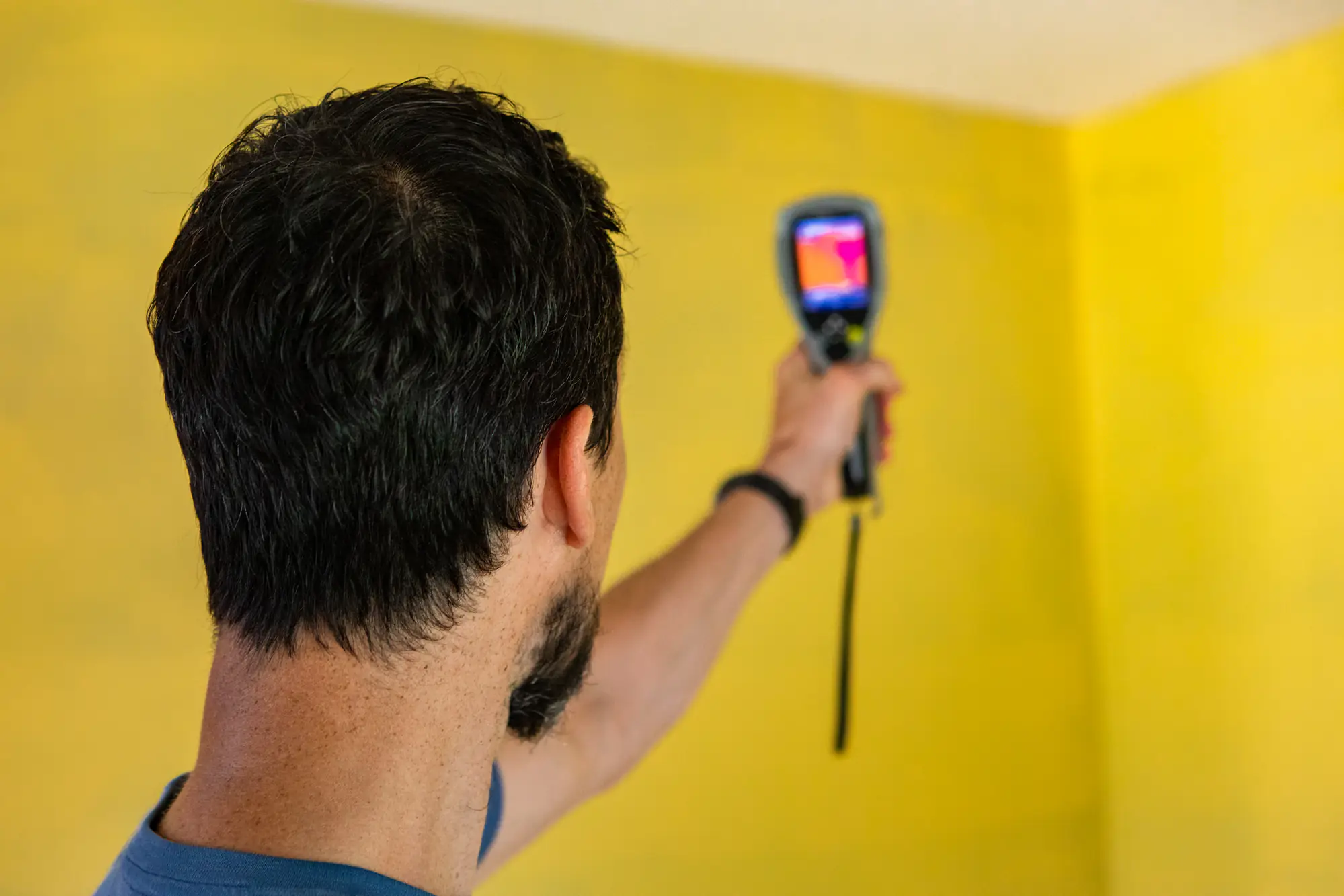
Then we use thermal imaging to scan walls, ceilings, and floors. Temperature differences show us where moisture is hiding, even if there’s no visible damage. A moisture meter confirms readings and tells us how wet materials actually are.
Air sampling comes next. We collect samples from different areas of your home and send them to a lab for analysis. The lab identifies mold species and measures spore concentration. That data tells us whether your indoor air quality is normal or if you have a contamination problem.
Surface sampling happens when we find visible growth or suspect hidden colonies. Swabs or tape lifts collect samples that get analyzed to confirm mold type.
You get a full report within a few days. It explains what we found, what it means for your health and property, and what needs to happen next. If remediation is necessary, we walk you through the scope and cost so there are no surprises.
Ready to get started?
A mold check from professionals includes more than just lab results. You get documentation you can use for insurance claims, real estate transactions, or legal purposes if it comes to that.
The inspection identifies the moisture source. Mold is a symptom, not the disease. If you don’t fix the leak, the poor ventilation, or the grading issue that’s letting water into your basement, mold will come back no matter how many times you clean it.
In Maple Shade, common moisture sources include aging roofs, improperly sealed foundations, and HVAC systems that aren’t sized correctly for Pennsylvania’s humidity levels. Homes built before modern building codes often lack proper vapor barriers. Finished basements without adequate waterproofing are basically mold incubators.
Testing also gives you a remediation roadmap. Not all mold requires professional removal. Sometimes improved ventilation and a thorough cleaning are enough. Other times, you’re looking at contained demolition and antimicrobial treatment. The testing tells you which situation you’re in.
If your insurance covers mold remediation—and many policies do if the mold resulted from a covered event like a burst pipe—you’ll need professional documentation to file a claim. Your adjuster isn’t going to take your word for it.
You need testing if you’re experiencing unexplained health symptoms that improve when you leave the house. Respiratory issues, persistent headaches, skin irritation, or allergy symptoms that don’t respond to normal treatment can all indicate mold exposure.
You also need testing after any water damage, even if it was cleaned up quickly. Water can seep into wall cavities, insulation, and subflooring where it creates perfect conditions for mold growth. What looks dry on the surface might be soaked underneath.
Musty odors are another clear sign. If you smell something but can’t see anything, mold is growing somewhere you can’t access. Testing with air sampling will confirm whether spore levels are elevated and give you a starting point for finding the source.
Finally, if you’re buying or selling a home in Maple Shade, testing protects both parties. Buyers know what they’re getting into. Sellers can address problems before they derail a sale.
Home test kits are nearly worthless. They use petri dishes that grow mold from surface swabs, but the results look identical no matter where you swab. You can’t tell what type of mold you have, how much is in your air, or whether it’s actually a problem.
Professional testing uses lab analysis to identify specific mold species. Some molds are relatively harmless. Others, like Stachybotrys (black mold), produce mycotoxins that cause serious health problems. You need to know which one you’re dealing with.
Air sampling measures spore concentration in your indoor air and compares it to outdoor levels. If your indoor count is significantly higher, you have active growth somewhere. Surface sampling from visible growth or suspected areas confirms species and helps determine the best remediation approach.
Professional testing also includes a full property inspection with thermal imaging and moisture meters. We find the water source that’s feeding the mold, which is information no home kit can provide.
The on-site inspection typically takes one to two hours depending on your home’s size and the extent of suspected contamination. We’re thorough because missing a problem area means you don’t get accurate results.
Samples go to an accredited lab for analysis. Lab turnaround is usually 24 to 48 hours for standard testing. Rush processing is available if you’re in the middle of a real estate transaction or dealing with a health emergency.
You’ll receive a detailed report that explains what was found, where it was found, and what the spore counts mean for your indoor air quality. The report includes photos, moisture readings, and specific recommendations for remediation if needed.
We schedule a follow-up call to walk through the results and answer your questions. If remediation is necessary, we provide a scope of work and cost estimate so you can make informed decisions about next steps.
It depends on what caused the mold. Most homeowner’s policies in Pennsylvania cover mold remediation if it resulted from a covered event like a burst pipe, roof leak from storm damage, or appliance malfunction.
They typically don’t cover mold that developed from long-term maintenance issues like chronic basement seepage, poor ventilation, or neglected repairs. Insurance companies consider that preventable damage.
You’ll need professional documentation to file a claim. That means a detailed inspection report with lab results, photos, moisture readings, and a clear explanation of how the mold developed. DIY test results won’t cut it.
Some policies have mold coverage limits, often around $10,000. If your remediation costs exceed that, you’re responsible for the difference. It’s worth reviewing your policy or calling your agent to understand your specific coverage before you assume you’re protected.
If you can see mold on a small area—less than 10 square feet—and you know what caused the moisture, you can probably handle cleaning it yourself. Use proper protective equipment and follow EPA guidelines for safe removal.
But if you’re seeing mold in multiple locations, if it keeps coming back after cleaning, or if you smell it but can’t find it, you need testing. You’re dealing with a bigger problem than surface growth.
Cleaning visible mold without addressing the moisture source is pointless. It’ll grow back within weeks. Testing identifies where the water is coming from so you can actually fix the problem instead of just treating symptoms.
Also, some mold species require professional remediation. Black mold and other toxigenic molds release spores and mycotoxins when disturbed. Improper cleaning can actually spread contamination throughout your home and make your air quality worse. Testing tells you whether you’re dealing with something that needs professional containment and removal.
First, don’t panic. Mold is fixable. The testing report will specify what type of mold you have, how much is present, and where it’s located. That information determines your next steps.
Minor contamination might only require improved ventilation, dehumidification, and thorough cleaning. Moderate to severe contamination requires professional remediation with containment barriers, air filtration, removal of affected materials, and antimicrobial treatment.
You’ll also need to fix the moisture source. That might mean repairing a roof leak, improving basement waterproofing, upgrading ventilation, or addressing drainage issues around your foundation. Remediation without moisture control is temporary at best.
After remediation, post-testing confirms that spore levels have returned to normal and the problem is actually resolved. That’s important for your health, your property value, and your peace of mind. It also provides documentation that the work was done correctly if you ever need to prove it for insurance or resale purposes.
Other Services we provide in Maple Shade