

Hear from Our Customers
You’re not looking for a sales pitch. You need to know if there’s mold, what type it is, and whether it’s affecting your family’s health.
Professional mold testing gives you lab-backed results that tell you exactly what you’re dealing with. No assumptions. No visual-only guesses that miss what’s growing behind walls or under floors.
Bucks County’s humid summers create perfect conditions for mold growth, especially in older homes or anywhere water damage has occurred. Testing catches problems early—before respiratory issues get worse, before property values drop, and before a small issue turns into a $10,000 remediation job. The average mold remediation in the U.S. costs $2,300, but catching it early through testing can save you from hitting that number at all.
You get documentation for insurance claims if needed. You get peace of mind if results come back clean. Either way, you’re making decisions based on facts instead of worry.
We’ve been serving homeowners throughout Bucks County with certified mold testing and remediation services. Our technicians are trained to find mold even when it’s not visible—and to explain what the results mean in plain terms.
We’re not here to upsell you on services you don’t need. We start every job with a free inspection because we’d rather give you honest answers than push unnecessary work.
Langhorne Terrace homes face the same moisture challenges as the rest of Bucks County—aging infrastructure, humid weather, and basements that weren’t built with modern waterproofing. We’ve seen it all, and we know what to look for in homes like yours.
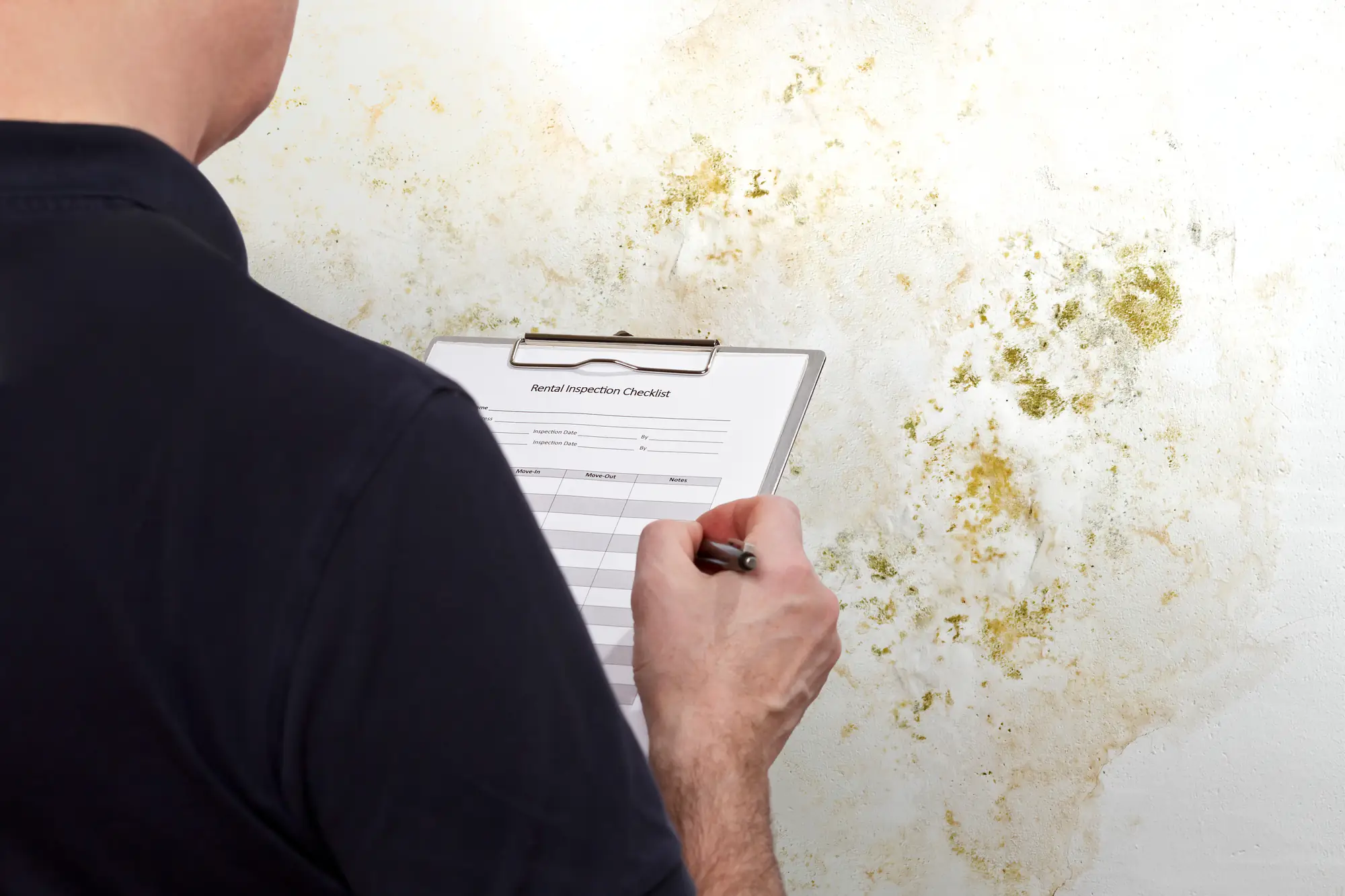
We start with a visual inspection of your property. That means checking areas where moisture tends to collect—basements, crawl spaces, bathrooms, around windows, and anywhere you’ve had leaks or water damage.
Next, we take air samples and surface samples from areas of concern. Air sampling captures mold spores you can’t see. Surface sampling tests visible growth or suspicious stains to identify the exact type of mold present. If you’ve been experiencing unexplained allergies, headaches, or respiratory issues, testing helps confirm whether mold is the cause.
Samples go to an independent lab for analysis. You get a detailed report that breaks down what was found, where it was found, and what it means for your home and health. We walk you through the results and explain your options—whether that’s remediation, moisture control, or just keeping an eye on things.
If mold is present, we provide a clear plan for removal using EPA-approved methods. If results come back clean, you have documentation proving your home’s air quality is safe.
Ready to get started?
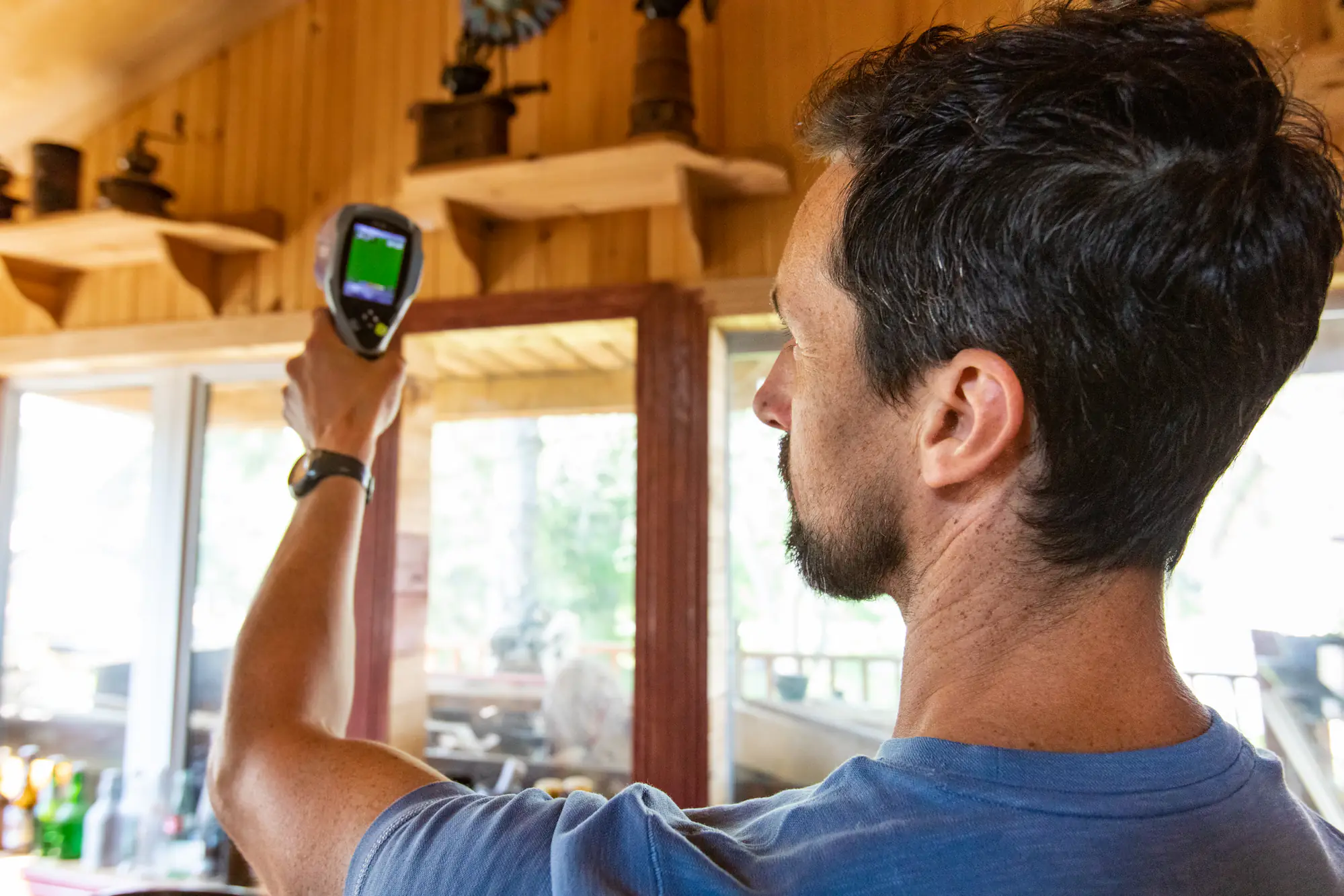
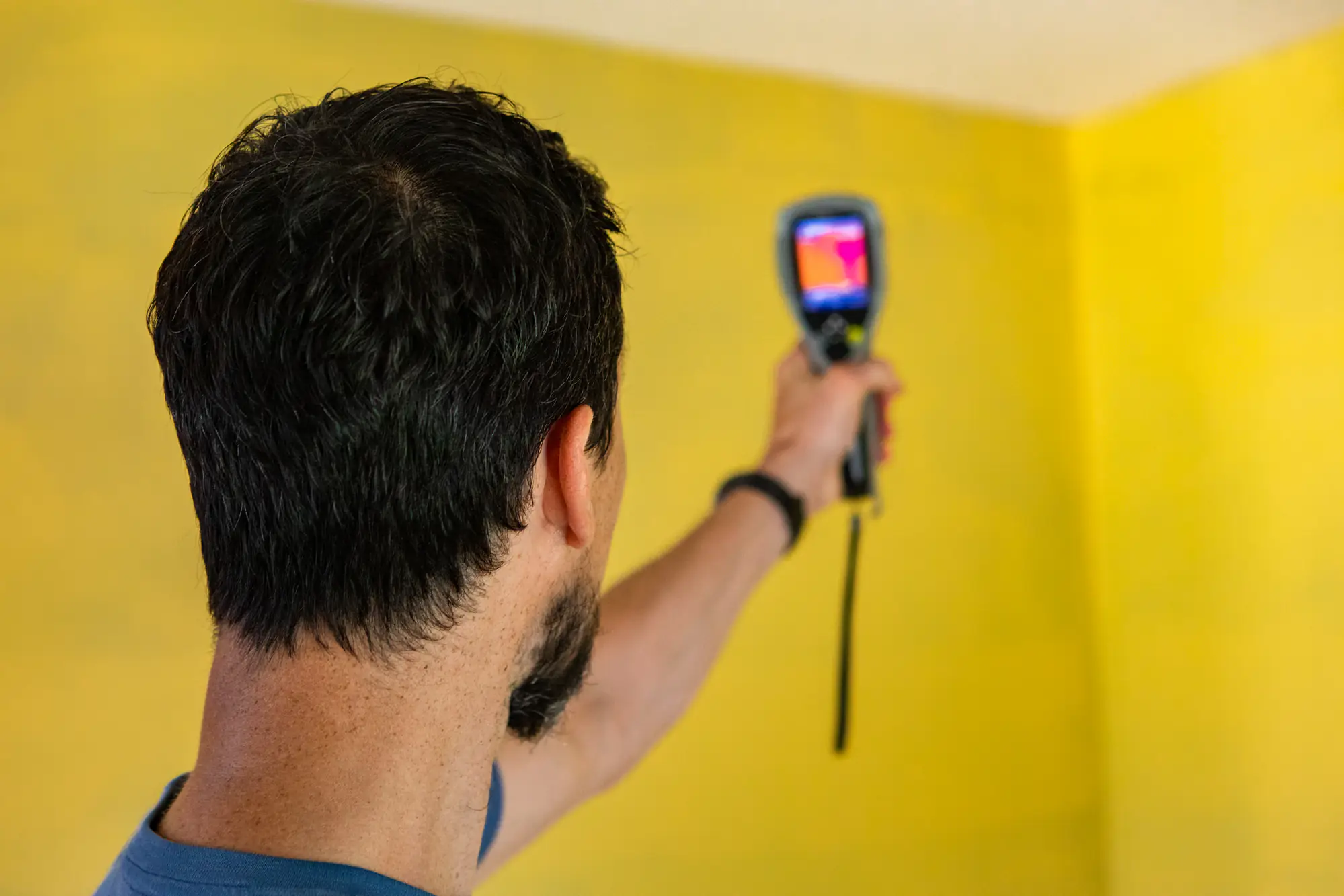
Every mold test includes a thorough visual inspection of your property, air quality sampling, and surface testing where needed. We use moisture meters and thermal imaging to detect hidden water intrusion that could be feeding mold growth behind walls or under flooring.
You receive lab results that identify the specific type of mold present—whether it’s common household mold or more concerning varieties like black mold (Stachybotrys). That matters because different molds require different approaches, and some pose greater health risks than others.
In Langhorne Terrace and throughout Bucks County, we see mold problems spike after heavy rain, flooding, or plumbing failures. Homes built before modern moisture barriers are especially vulnerable. Testing gives you a baseline so you know whether symptoms like coughing, sneezing, or itchy eyes are related to indoor air quality. Studies show mold contributes to 4.6 million asthma cases annually in the U.S., and removing it can reduce asthma symptoms by 25% to 45%.
We also provide documentation that’s useful for real estate transactions, insurance claims, or just your own records. If you’re buying or selling a home, a mold test protects everyone involved.
A visual inspection can spot obvious mold growth, water stains, or conditions that encourage mold. But it can’t tell you what’s growing inside walls, under floors, or in your HVAC system.
If you’re experiencing health symptoms like persistent coughing, headaches, or allergy-like reactions that don’t go away, testing is worth it. Same goes for homes with a history of water damage, musty odors you can’t locate, or high humidity levels. Air sampling captures spores you can’t see and identifies whether your indoor air quality is compromised.
Testing also makes sense if you’re buying a home in Langhorne Terrace or anywhere in Bucks County. Older homes and properties with basements are more prone to moisture issues. A mold test gives you leverage in negotiations and prevents you from inheriting someone else’s problem. In fact, 50% of homebuyers walk away after learning about mold issues, and properties with mold can lose 20% to 37% of their value.
A mold inspection is a visual assessment. We look for visible mold, water damage, moisture problems, and conditions that promote mold growth. It’s a good starting point and often enough to identify obvious issues.
Mold testing goes further. We collect air samples and surface samples that get analyzed in a lab. Testing identifies the type of mold present, measures spore concentration in your air, and detects mold even when it’s hidden. If you’ve got symptoms but no visible mold, testing finds the source.
Most of our clients in Langhorne Terrace start with a free inspection. If we find signs of mold or conditions that suggest hidden growth, we recommend testing to get the full picture. Testing also provides documentation for insurance claims or real estate transactions, which a visual inspection alone won’t cover.
The on-site inspection and sample collection usually take one to two hours, depending on the size of your home and the number of areas we’re testing. We’re thorough but efficient—we’re not here to disrupt your day more than necessary.
Samples go to an independent lab for analysis. You typically get results back within three to five business days. The report breaks down what was found, spore counts, and whether levels are elevated compared to outdoor air. We review everything with you and explain what it means in plain terms.
If you’re dealing with an urgent situation—like a recent flood or severe health symptoms—let us know. We can prioritize lab processing when needed. Once you have results, we can move quickly on remediation if mold is present, or give you peace of mind if your air quality checks out clean.
Yes. Lab analysis identifies the specific species of mold present, including Stachybotrys chartarum, which is what people commonly call black mold. Not all black-colored mold is Stachybotrys, and not all Stachybotrys is dangerous—but testing removes the guesswork.
Black mold gets attention because it can produce mycotoxins that cause respiratory issues, headaches, and other health problems, especially in children, elderly individuals, or anyone with compromised immune systems. If you’ve got dark mold growing in damp areas like bathrooms or basements, testing confirms what you’re dealing with.
Even if results show a different type of mold, that doesn’t mean it’s harmless. Any mold growing indoors indicates a moisture problem that needs addressing. Testing helps us determine the right removal approach and whether the contamination is localized or spread throughout your home. In Bucks County’s humid climate, mold problems rarely stay small—they grow.
Cost depends on the size of your home and how many samples we need to collect. A basic residential mold test typically runs between $300 and $600. Larger homes or properties with multiple problem areas may cost more.
We start every job with a free inspection. That gives us a chance to assess your situation and recommend whether testing is necessary. Sometimes a visual inspection and moisture reading are enough to identify the problem and move forward with remediation. Other times, testing is the only way to get answers—especially when mold is hidden or you’re dealing with health symptoms.
Think of testing as an investment in information. Catching mold early prevents bigger problems down the road. The average mold remediation costs $2,300 nationally, but extensive contamination can run into the tens of thousands. Testing helps you address issues before they reach that point, and it provides documentation if you need to file an insurance claim.
You can, but DIY kits have serious limitations. Most over-the-counter test kits only tell you that mold is present—which isn’t useful, because mold spores exist in every home. They don’t tell you what type of mold it is, whether levels are dangerous, or where the source is located.
Professional testing uses calibrated equipment to measure spore concentration in your air and compare it to outdoor levels. We collect samples from specific areas based on a trained assessment of your home’s moisture patterns, airflow, and history. Lab analysis identifies the exact species and provides actionable data.
DIY kits also can’t detect hidden mold behind walls, under flooring, or in HVAC systems—which is where the most serious problems tend to hide in Langhorne Terrace homes. If you’re experiencing health symptoms, dealing with water damage, or buying a property, professional testing gives you reliable answers. It’s not about upselling—it’s about getting information that actually helps you make the right call.
Other Services we provide in Langhorne Terrace