

Hear from Our Customers
You’ve noticed the musty smell. Maybe someone in your house has been coughing more than usual, or you spotted discoloration on a wall after that pipe leak last month. Now you’re wondering if it’s actually mold—and if it is, whether it’s the dangerous kind.
Here’s what matters: you need accurate information before you make any decisions. Not a sales pitch. Not a worst-case scenario designed to scare you into expensive work.
Professional mold testing gives you lab-certified results that tell you what types of mold are present, how much, and where the moisture is coming from. You’ll know if that dark spot is surface mildew you can handle yourself or if there’s hidden growth behind your walls that needs professional attention. You’ll understand whether your indoor air quality is actually compromised or if you’re dealing with normal background levels.
With clear data in hand, you can make informed choices about your next steps. Whether that means adjusting your ventilation, fixing a leak, or bringing in remediation specialists, you’ll know it’s the right call—not just what someone trying to sell you services told you to do.
We serve Highton and throughout Bucks County with one clear focus: independent mold testing. We don’t offer remediation services, and that’s intentional.
When the same company that tests your home also profits from the cleanup, there’s an obvious conflict of interest. You’re left wondering if their findings are accurate or inflated. We eliminate that question entirely.
Our certified inspectors use moisture meters, infrared cameras, air sampling equipment, and surface testing to identify mold growth and the conditions causing it. Every sample goes to a third-party lab for analysis. You get unbiased results and clear recommendations—nothing more, nothing less. If you need remediation, we’ll tell you. If you don’t, we’ll tell you that too.
Highton’s older homes, especially those near wooded areas or with basement moisture issues common to Bucks County, often have conditions that promote mold growth. Knowing what you’re actually dealing with protects both your health and your investment.
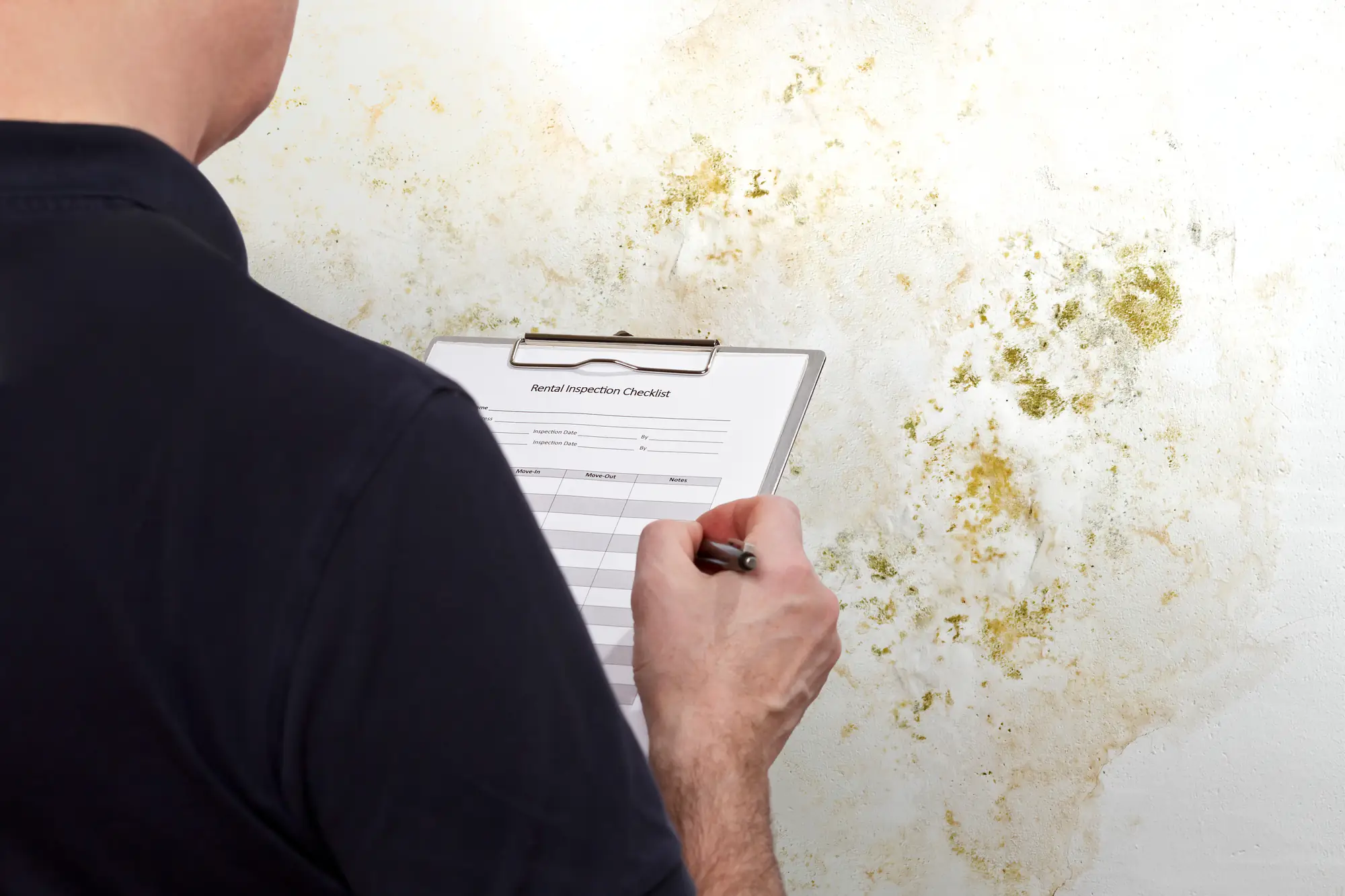
First, we talk. You’ll describe what you’ve noticed—the smell, the stains, the symptoms, whatever brought you here. We’ll ask questions about your home’s age, any recent water issues, and where you’re seeing or smelling problems. This helps us know where to look.
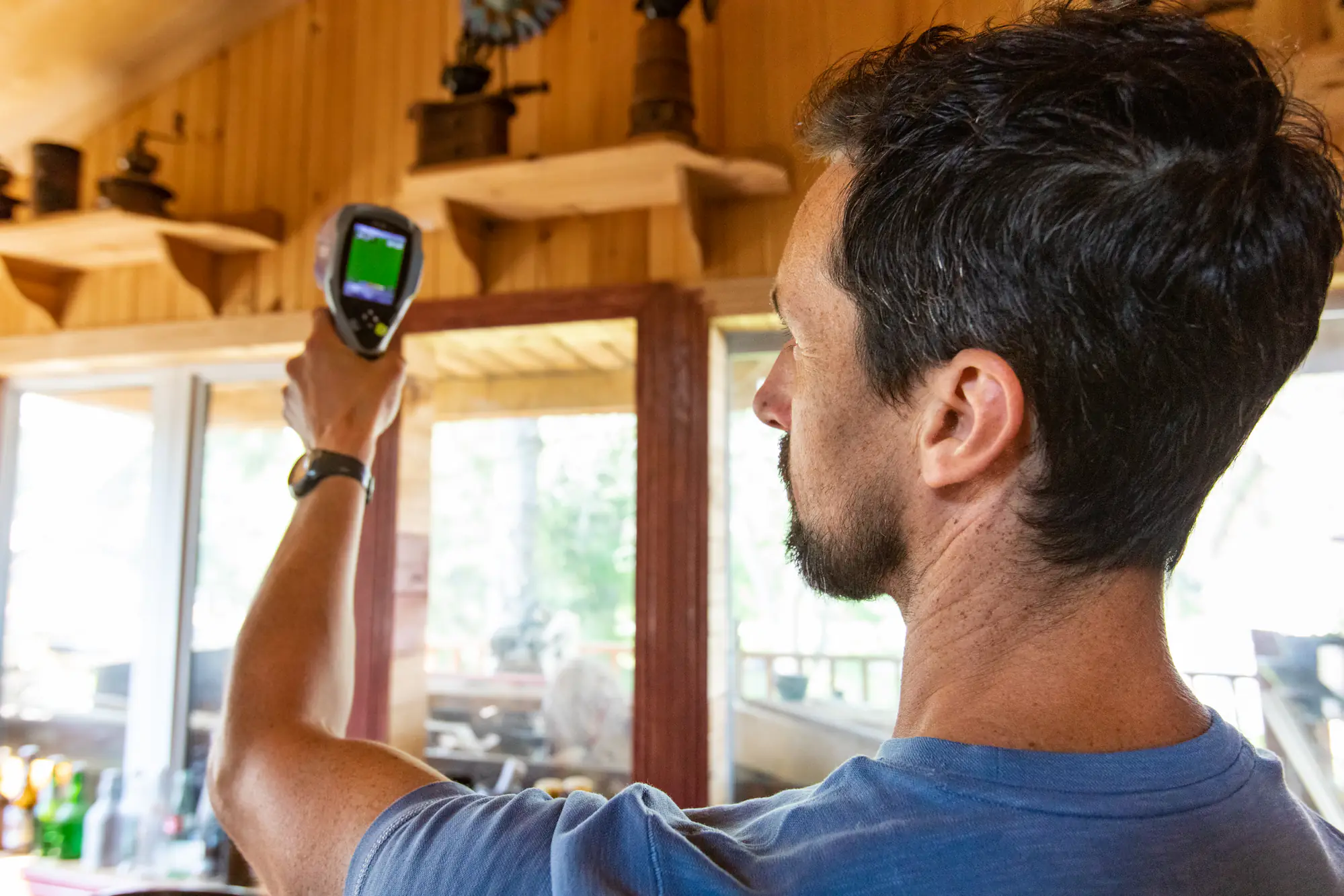
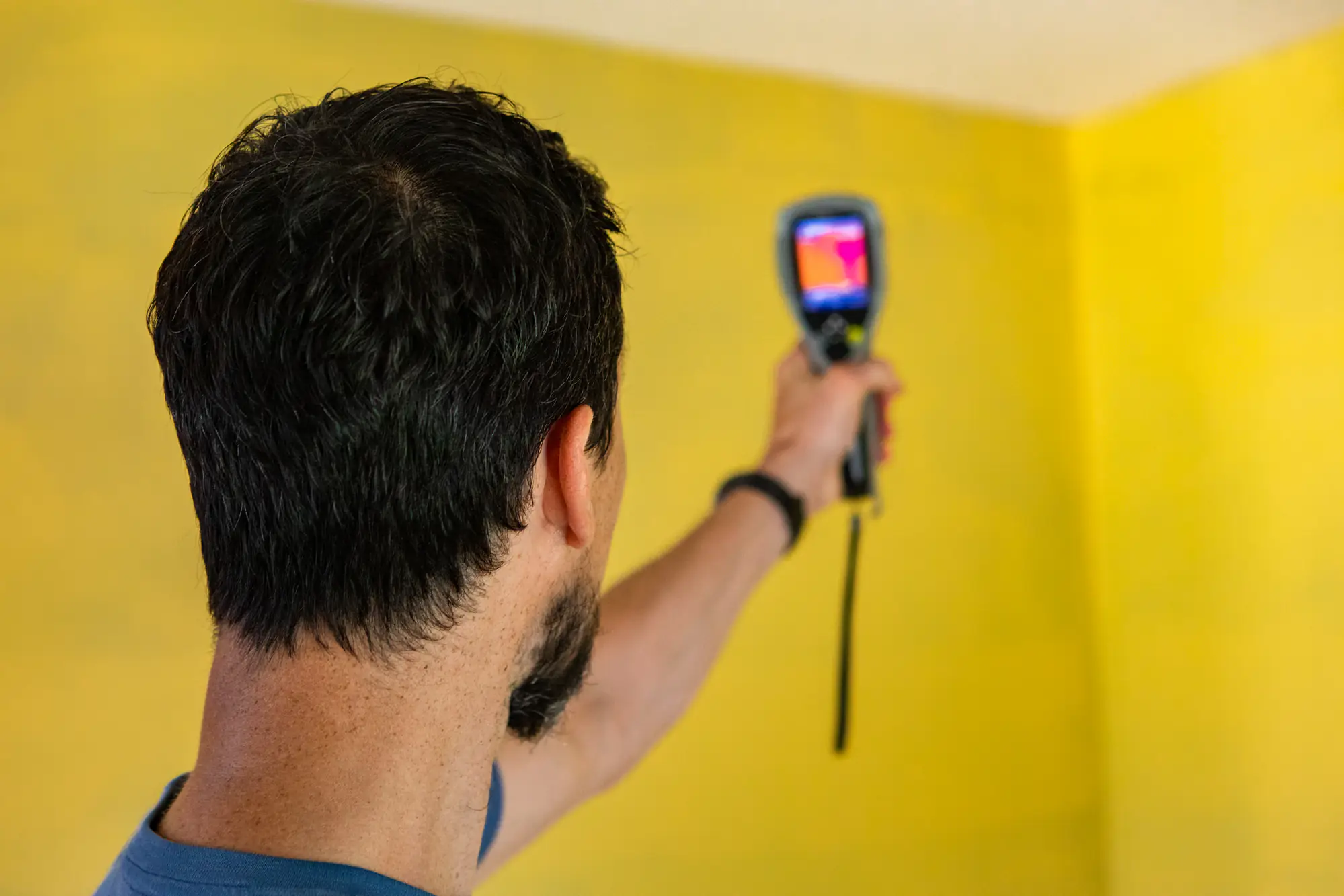
Then we schedule your inspection. Our certified inspector shows up with professional-grade equipment: moisture meters to find hidden dampness, infrared cameras to spot temperature differences that indicate moisture behind walls, and air sampling pumps to test what’s actually in your air. We take samples from problem areas and compare them to outdoor air quality baselines.
Surface samples go on suspicious spots. Air samples capture what you’re breathing. Everything gets labeled, documented, and sent to an independent lab that specializes in mold analysis.
You’ll have results within a few days. The lab report identifies specific mold types, spore counts, and contamination levels. We walk you through what it means in plain language. If the levels are normal, you’ll know your air quality is fine. If there’s an issue, you’ll understand its scope and what’s causing it.
From there, you decide your next move. We’ll recommend solutions based on what the testing revealed—sometimes it’s as simple as improving ventilation or fixing a leak. Other times, you’ll need professional remediation. Either way, you’ll have the information to choose the right path forward.
Ready to get started?
Your residential mold testing includes a complete visual inspection of your property, focusing on areas where mold typically grows: bathrooms, basements, attics, crawl spaces, and anywhere you’ve had water intrusion. We’re looking for visible growth, water stains, condensation patterns, and ventilation issues.
We use moisture detection equipment to find dampness you can’t see. Mold needs moisture to grow, so identifying wet areas—even inside walls or under flooring—tells us where problems exist or could develop. Infrared imaging picks up temperature variations that indicate hidden moisture behind surfaces.
Air quality sampling captures mold spores circulating through your home. This is especially important when you smell mold but can’t find visible growth, or when someone’s experiencing respiratory symptoms without an obvious source. Surface samples from suspicious areas confirm whether that discoloration is actually mold and what type it is.
In Highton and throughout Bucks County, we see recurring issues in homes built before modern moisture barriers became standard. Fieldstone foundations, old cast iron plumbing, poor attic ventilation—these create conditions where mold thrives. Your inspection accounts for these regional factors.
Every test goes to a certified third-party laboratory. You receive a detailed report showing mold types identified, spore concentration levels, and how your indoor air compares to outdoor baselines. We interpret the findings and explain what they mean for your specific situation, including moisture source identification and recommendations for improving your indoor air quality.
You need testing when you can’t see the source but know something’s wrong. If there’s a persistent musty odor with no visible mold, that smell is coming from somewhere—often inside walls, under flooring, or in your HVAC system. Testing locates it.
You also need testing after water damage, even if everything looks dry. Mold can start growing within 24-48 hours in damp conditions, and it often develops in places you can’t inspect without tearing into your home. Professional air sampling and moisture detection find hidden growth before it becomes a bigger problem.
If someone in your household has unexplained respiratory issues, allergies that won’t quit, or asthma that’s gotten worse, mold exposure could be the cause. Testing identifies whether your indoor air quality is actually compromised or if you’re dealing with normal background mold levels that aren’t causing the symptoms.
Before buying or selling a home, testing protects your investment. Sellers can address issues before listing. Buyers can negotiate repairs or walk away from a property with serious contamination. Either way, you’re making decisions based on facts, not assumptions.
A mold inspection is the visual assessment—walking through your property, looking for visible growth, checking moisture levels, identifying conditions that promote mold. An inspector examines problem areas, uses equipment to detect hidden moisture, and evaluates your home’s ventilation and water intrusion risks.
Mold testing takes it further by collecting actual samples. Air samples capture spores circulating through your home. Surface samples confirm whether suspicious spots are mold and identify the specific types. These samples go to a lab for analysis, giving you concrete data about what’s present and how much.
You typically need both. The inspection finds where to test and identifies moisture sources causing the problem. The testing confirms what you’re dealing with and how serious it is. Some situations only require inspection—if there’s obvious mold growth and a clear moisture source, you might not need lab confirmation to know you have a problem.
But when growth is hidden, when you’re experiencing symptoms without visible mold, or when you need documentation for insurance claims or real estate transactions, testing provides the proof. It’s the difference between “I think you have mold” and “Lab results confirm Stachybotrys chartarum at levels requiring remediation.”
The on-site inspection and sample collection usually takes one to two hours, depending on your home’s size and how many areas we’re testing. We’re thorough but efficient—checking all the likely problem spots, taking air and surface samples, documenting moisture readings, and photographing areas of concern.
Samples go to the lab the same day or next business day. Laboratory analysis typically takes three to five business days. You’re not waiting weeks—most clients have results within a week of their inspection.
When results come back, we schedule a time to review them with you. This isn’t a quick phone call. We walk through the lab report, explain what each finding means, show you where contamination was detected, and discuss the moisture sources we identified. You’ll understand which mold types were found, whether the concentration levels are concerning, and what steps make sense based on your specific situation.
If results show elevated levels requiring immediate attention, we’ll let you know right away. If everything comes back normal or shows only minor issues you can address yourself, we’ll explain that too. The goal is giving you clear information so you can make informed decisions about your home and your family’s health.
Yes, lab analysis identifies specific mold species, including Stachybotrys chartarum—the mold commonly called “toxic black mold.” But here’s what you should know: the term “toxic black mold” is somewhat misleading and gets overused to create panic.
Stachybotrys can produce mycotoxins under certain conditions, and prolonged exposure can cause health problems, especially for people with respiratory issues, weakened immune systems, or mold sensitivities. But not all black-colored mold is Stachybotrys, and not all Stachybotrys growth is actively producing toxins.
Testing tells you exactly what’s growing in your home. The lab report will list every mold type identified in your samples and show concentration levels. If Stachybotrys is present, you’ll know. If it’s Aspergillus, Penicillium, Cladosporium, or any other common indoor mold, you’ll know that too.
What matters more than the specific type is the concentration level and your exposure. High levels of any mold type can cause health issues. Even “non-toxic” molds trigger allergies and respiratory problems when you’re breathing elevated spore counts daily. Professional testing gives you the full picture—what’s there, how much, and whether it’s at levels requiring remediation. That’s more useful than fixating on whether it’s the “toxic” variety the internet warned you about.
Professional mold testing typically ranges from a few hundred dollars for basic air sampling to more comprehensive testing that includes multiple sample locations, moisture mapping, and detailed laboratory analysis. The exact cost depends on your home’s size, how many samples you need, and what type of testing makes sense for your situation.
A standard residential inspection with air quality testing usually falls in the lower end of that range. If you need surface samples from multiple locations, HVAC system testing, or extensive moisture detection across a larger property, costs increase accordingly.
Here’s what you’re paying for: certified inspection by trained professionals, professional-grade detection equipment, third-party laboratory analysis, and a detailed report with clear recommendations. You’re also paying for independence—testing without the conflict of interest that comes when the same company profits from selling you remediation services.
Some companies offer “free mold inspections,” but they’re almost always tied to remediation services. The inspection is free because they’re planning to sell you the cleanup. That creates obvious incentive to find problems, even when they’re minor or nonexistent.
We charge for testing because it’s our only service. You get honest results and unbiased recommendations. If you don’t need remediation, we’ll tell you. If you do, you can get quotes from multiple companies and choose based on price and service quality—not because you’re locked into whoever did your testing. That independence is worth the investment.
Don’t clean or disturb areas where you suspect mold growth. We need to see conditions as they actually are. If you’ve spotted discoloration, smelled mustiness, or noticed moisture problems, leave those areas alone until we inspect them.
Make sure we can access all areas of your home: basement, crawl spaces, attic, utility rooms, and any spaces where you’ve noticed issues. Clear pathways if needed, but don’t move items covering potential problem spots—we need to see what’s behind stored boxes or furniture if that’s where moisture or mold might be hiding.
If you’ve had recent water damage, leaks, or flooding, have that information ready. Knowing when water intrusion occurred helps us understand mold growth patterns and identify areas most likely to be affected.
Turn off air purifiers, dehumidifiers, and open windows at least two hours before we arrive. Air sampling needs to capture your home’s actual air quality under normal conditions. Running filtration equipment right before testing can temporarily reduce spore counts and give you inaccurate results that don’t reflect what you’re breathing daily.
Write down any health symptoms household members have been experiencing and when they started. Respiratory issues, persistent coughing, allergy symptoms, headaches—these details help us understand potential exposure patterns and focus our inspection on areas most likely affecting your family’s health.
Other Services we provide in Highton