
Hear from Our Customers

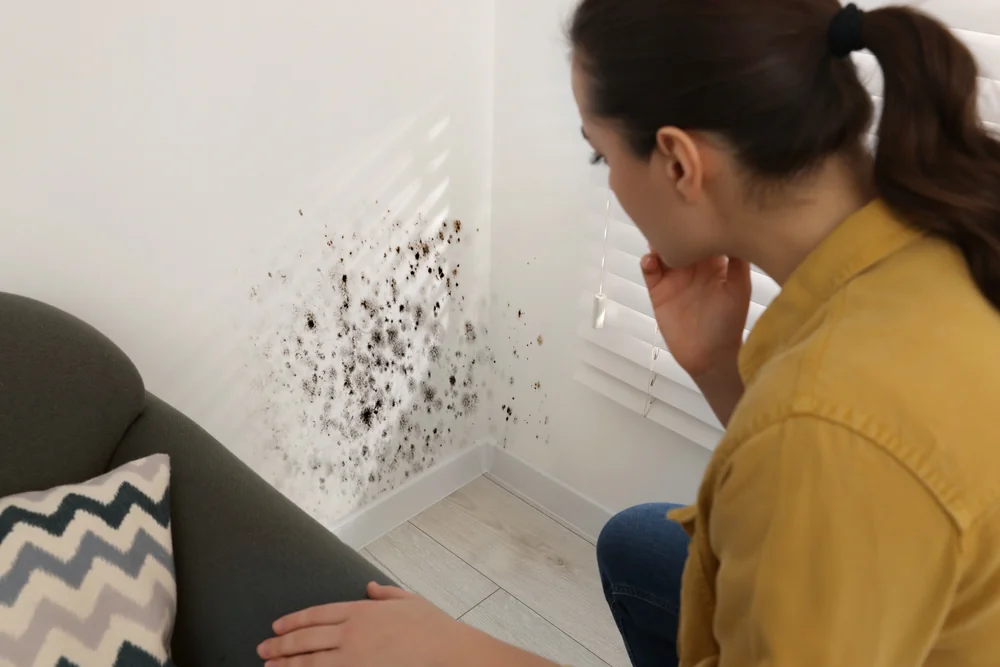
You’ve noticed the symptoms. Someone in your house has a cough that won’t quit, allergies that seem worse indoors than out, or headaches that mysteriously disappear when you leave for the day. You’ve cleaned, vacuumed, changed filters—but nothing’s working.
That’s because you can’t see what’s actually in your air. Mold spores, dust mites, pet dander, and volatile organic compounds don’t announce themselves. They just keep circulating through your HVAC system while your family keeps breathing them in.
A home air quality test gives you answers. Not guesses. Not maybes. Actual data about what’s floating around in your living room, bedrooms, and basement. Once you know what you’re dealing with, you can fix it. Until then, you’re just hoping the problem goes away on its own—and it won’t.
We’ve been serving Bucks County homeowners for years, and we’ve tested hundreds of homes throughout Highton and the surrounding areas. We know what grows here. We know how humidity behaves in your basements during summer and what happens when your crawl space doesn’t get enough ventilation.
Highton’s climate creates ideal conditions for mold growth—especially after heavy rain or when temperatures swing. Your home wasn’t built to handle moisture the way modern construction does, and that means you’re more vulnerable to air quality issues than newer developments.
We’re not here to scare you or upsell services you don’t need. We test your air, tell you what we found, and explain what it means in plain language. Then you decide what happens next.

First, we walk through your home and talk about what you’ve been experiencing. Where are the symptoms worst? When did they start? Have you had any water damage, leaks, or flooding? This conversation matters because it tells us where to focus.
Next, we collect air samples from multiple rooms using calibrated equipment. We’re looking for mold spores, allergens, and other airborne particles that could be affecting your health. We also check moisture levels in walls, ceilings, and floors using infrared cameras and moisture meters—because where there’s moisture, there’s usually mold.
We send samples to a certified lab for analysis. You’ll get a detailed report showing exactly what’s in your air, at what concentration, and whether those levels are normal or concerning. We’ll walk you through the results and explain what they mean for your specific situation. If we find mold or other issues, we’ll recommend next steps. If your air quality is fine, we’ll tell you that too.
Ready to get started?
When you schedule a residential air quality testing appointment with us, you’re getting a complete picture of what’s happening inside your home. We test for mold spores (both the kind you can see and the kind you can’t), measure humidity and moisture levels, identify potential sources of contamination, and document everything with photos and detailed notes.
Bucks County homes—especially older ones in Highton—face specific challenges. Your basement probably gets damp. Your attic might not have proper ventilation. Your bathroom exhaust fan might vent into the attic instead of outside. These aren’t just minor issues. They create environments where mold thrives and air quality suffers.
We’ve tested homes after water damage from burst pipes, after flooding from heavy storms, and after homeowners simply noticed a musty smell they couldn’t locate. Every situation is different, but the process is the same: thorough testing, honest analysis, and clear recommendations. You’ll know what’s wrong, why it’s happening, and what it’ll take to fix it.
Most professional air quality testing services in Highton range from $300 to $600 depending on the size of your home and how many samples you need. A basic mold air test with two or three samples will cost less than a comprehensive indoor air quality test that checks for multiple pollutants across five or six rooms.
The price includes the actual testing, lab analysis, and a detailed report explaining what we found. Some companies charge extra for the lab work or the report—we don’t. You pay one price and get everything.
If you’re tempted by cheaper DIY test kits from the hardware store, understand what you’re getting. Those kits can tell you if mold is present, but they can’t tell you what type, how much, or whether it’s actually a problem. You might spend $50 on a kit and still have no idea what to do next. Professional testing gives you actionable information, not just a yes-or-no answer.
You need testing if anyone in your home has respiratory symptoms that improve when they leave the house. Persistent coughing, wheezing, sneezing, itchy eyes, or skin rashes that seem worse at home are red flags. So are headaches, fatigue, or difficulty concentrating that mysteriously disappear when you’re at work or away for the weekend.
Musty odors are another obvious sign. If your basement, bathroom, or any room smells earthy or damp, you likely have mold growing somewhere. You might not see it—mold loves to hide behind walls, under carpets, and in HVAC ducts—but your nose knows something’s wrong.
Recent water damage is an automatic reason to test. If you’ve had a leak, flood, or even just persistent condensation on your windows, mold can start growing within 24 to 48 hours. Even if you dried everything out, spores could still be circulating in your air. Testing confirms whether you caught it in time or if there’s hidden growth you need to address.
The actual testing appointment usually takes one to two hours depending on the size of your home and how many areas we’re sampling. We’re not rushing through your house with a checklist. We’re having a conversation, inspecting problem areas, collecting samples carefully, and documenting everything properly.
After we collect samples, the lab analysis takes three to five business days. Once we get results back, we’ll schedule a follow-up call or meeting to walk you through the report. That conversation typically takes 30 to 45 minutes because we want to make sure you understand what we found and what your options are.
If you’re dealing with an urgent situation—like you just discovered visible mold growth or someone in your family is having severe respiratory symptoms—let us know when you call. We can often schedule testing within 24 to 48 hours and request expedited lab processing if needed.
Yes. Air quality testing is completely non-invasive and safe. We’re not using chemicals, creating dust, or disturbing anything in your home. We collect air samples using specialized equipment, take moisture readings, and inspect visible areas. You can stay in the house during testing, and there’s no reason to leave afterward.
The only exception is if we discover active mold growth that’s severe enough to pose an immediate health risk. In that case, we’ll tell you directly and explain what needs to happen next. But testing itself doesn’t create any hazards or require you to relocate.
After testing, you’ll continue living normally while we wait for lab results. If those results show elevated mold levels or other air quality issues, we’ll discuss remediation options. Depending on what we find and where it’s located, you might need to limit access to certain areas until we can address the problem—but that’s a decision we’ll make together based on the specific situation.
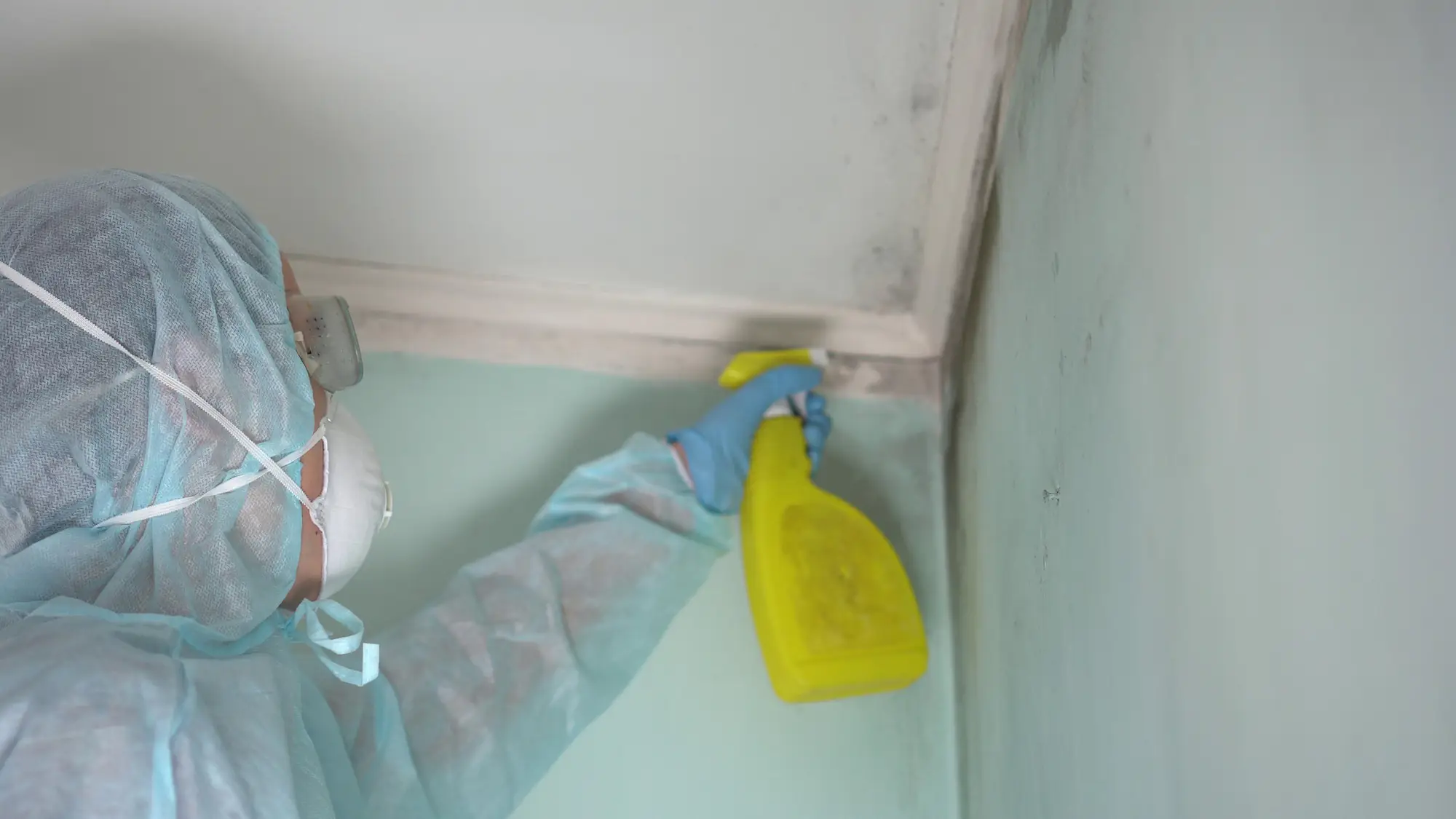
A mold inspection is a visual assessment where we look for visible mold growth, water damage, moisture problems, and conditions that promote mold. We check common problem areas like basements, crawl spaces, attics, bathrooms, and anywhere you’ve had leaks or flooding. We use moisture meters and infrared cameras to find hidden moisture that could be feeding mold growth behind walls or under floors.
Air quality testing goes further. We collect actual air samples and send them to a lab for analysis. The lab identifies what types of mold spores are present, at what concentration, and whether those levels are normal or concerning. This tells us if you have a mold problem even when there’s no visible growth.
Most homeowners need both. The inspection finds obvious issues and potential problem areas. The testing confirms whether mold spores are actually circulating through your air at levels that could affect your health. Together, they give you a complete picture of what’s happening in your home and what needs to be done about it.
Yes. That’s exactly what testing is designed to do. The lab report will show mold spore counts for each area we sampled and compare them to normal outdoor levels. If your indoor levels are significantly higher than outdoor levels, or if we find toxic mold species like Stachybotrys (black mold), you’ll need remediation.
We’ll explain the results in terms you can understand. Not every mold finding requires expensive remediation. Sometimes the issue is minor and can be addressed with better ventilation, a dehumidifier, or fixing a small leak. Other times, you’re looking at hidden growth that needs professional removal.
Our job is to give you accurate information so you can make an informed decision. We’ll tell you what we found, what it means, how serious it is, and what your options are. If you need remediation, we’ll explain what that process involves and provide a clear estimate. If you don’t need remediation, we’ll tell you that too—even though it means we don’t get that job. Your health and your home matter more than our bottom line.
Other Services we provide in Highton