

Hear from Our Customers
You can’t fix what you can’t see. That musty smell in the basement or the dark spots near the bathroom ceiling might be surface issues, or they might be signs of something bigger growing behind your walls.
Professional mold testing gives you actual data. You’ll know if you’re dealing with a minor cleanup or if moisture has been feeding mold growth in places you can’t reach. That matters because the difference between catching mold early and letting it spread can be thousands of dollars and months of disruption.
Pennsylvania’s humidity doesn’t help. When indoor moisture stays above 60%, mold can start growing within 24 to 48 hours. Flushing, PA sees enough rain and summer humidity to keep basements damp and attics poorly ventilated. Testing identifies where moisture is creating problems before you’re looking at major remediation costs.
You get documentation that works for insurance claims, real estate transactions, or just your own peace of mind. More importantly, you get a clear answer about whether your home’s air quality is affecting your family’s health.
We’ve been handling mold issues across Bucks County for years. We’re not a national franchise following a corporate script. We’re local, and we’ve seen what happens to homes in this area when humidity, old construction, and poor ventilation combine.
Our certified inspectors use the same equipment and testing methods whether you’re in a 100-year-old farmhouse or a newer development. We’ve worked in enough Flushing homes to know where problems typically hide and what conditions create recurring issues.
We start with a free inspection because we’d rather catch problems early than get called in after mold has taken over multiple rooms. You’ll get straightforward answers about what’s happening in your home and what needs to happen next.
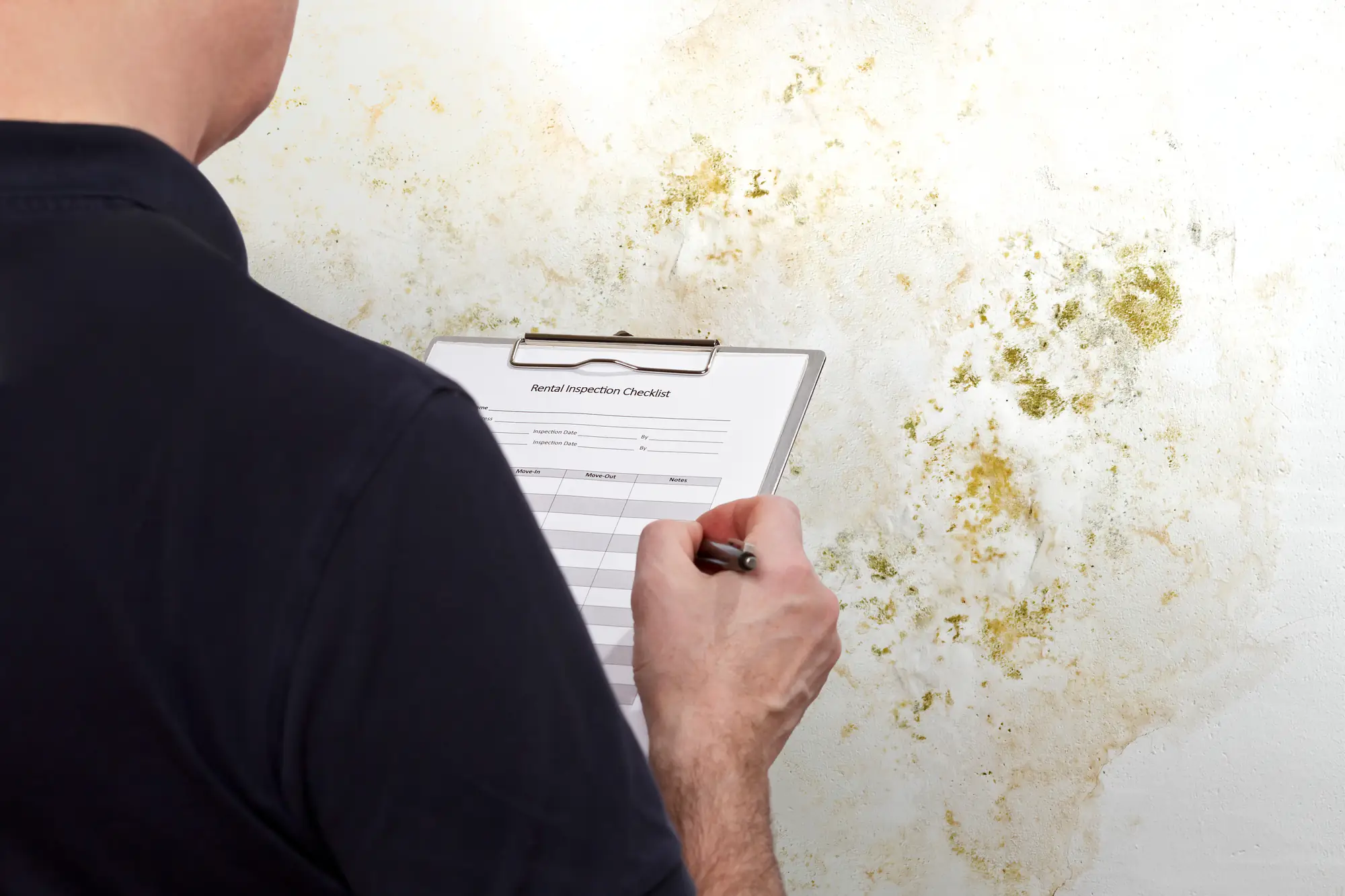
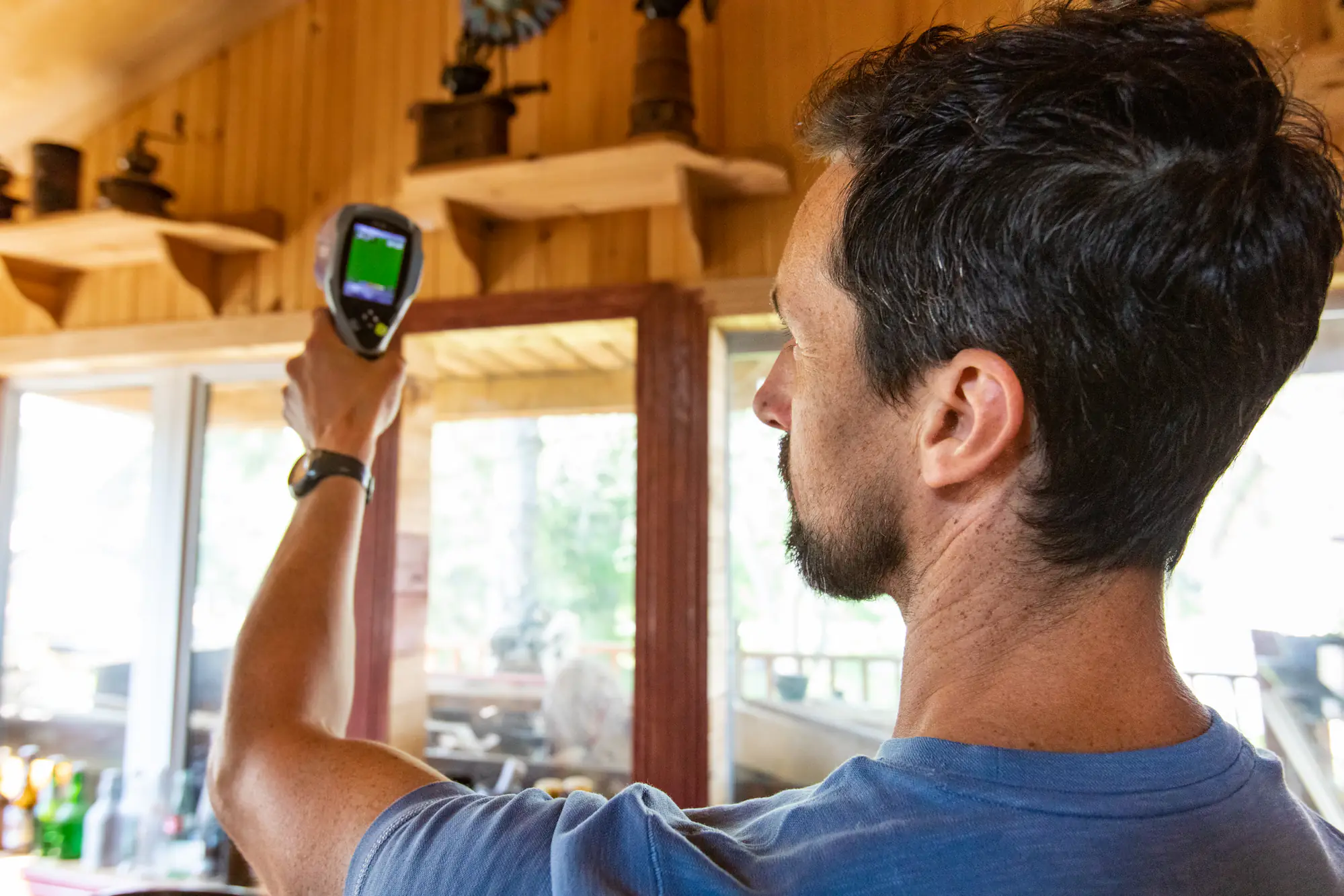
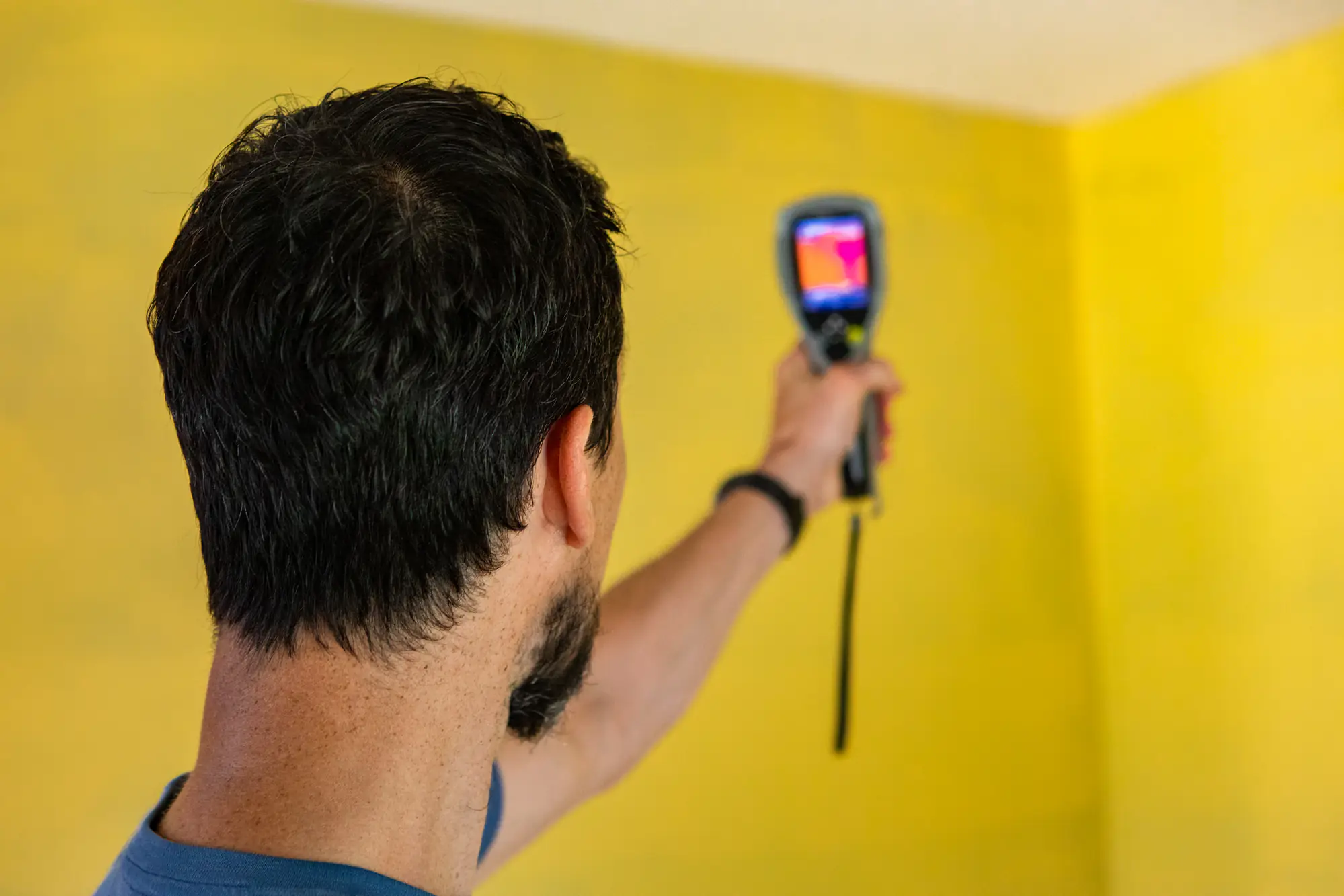
We start with a visual inspection of your property. That means checking the obvious spots like bathrooms and basements, but also looking at ventilation systems, crawl spaces, attics, and anywhere moisture tends to accumulate. We’re looking for visible mold growth, water stains, condensation patterns, and conditions that support mold development.
Next comes air quality testing. We collect air samples from different areas of your home to measure mold spore concentrations. This catches airborne mold you can’t see and identifies problems even when there’s no visible growth yet. We also take surface samples if we find suspicious areas that need closer analysis.
The samples go to a certified lab for analysis. You’ll get a detailed report that identifies the types of mold present, concentration levels, and where the problems are located. We’ll walk you through the results in plain language and explain what they mean for your home and your health.
If testing reveals mold growth, we’ll outline the next steps. That includes identifying the moisture source feeding the mold, explaining what remediation involves, and giving you a clear timeline and cost estimate. If the test comes back clean, you’ll have documentation proving your home’s air quality is safe.
Ready to get started?
You get a thorough visual inspection of your entire property. Our certified inspectors check every area where mold typically develops in Bucks County homes—basements with foundation moisture, attics with poor ventilation, bathrooms without proper exhaust fans, and crawl spaces that stay damp year-round.
Air quality testing measures mold spore levels throughout your home. This is critical because mold doesn’t always grow where you can see it. Spores circulate through your HVAC system and settle in places that never get direct sunlight or airflow. Testing identifies contamination before it becomes a visible problem.
Surface sampling targets suspicious areas. If we find discoloration, water damage, or conditions that support mold growth, we collect samples for lab analysis. This confirms whether you’re dealing with mold or just dirt and aging materials.
Lab results identify specific mold types. Not all mold is the same. Some species cause more health concerns than others, and some indicate serious moisture problems that need immediate attention. The lab report gives you specific information about what’s growing in your home and at what concentration levels.
You also get a moisture assessment. Mold is a symptom. The real problem is always moisture. We identify where water is entering your home, where humidity is too high, and what’s creating conditions for mold to keep coming back. That’s how you prevent future growth instead of just cleaning up what’s already there.
We offer free mold inspections. That includes the visual assessment of your property and identification of problem areas.
If lab testing is needed to identify specific mold types or measure spore concentrations, there’s a cost for the lab analysis itself. Most homeowners pay between $300 and $500 for comprehensive testing that includes air samples and surface samples sent to a certified laboratory.
The investment makes sense when you consider the alternative. Skipping testing and going straight to remediation means you might be treating the wrong areas or missing hidden mold that will keep spreading. Testing gives you a clear picture of what you’re dealing with so you can make informed decisions about what happens next.
The on-site inspection typically takes one to two hours depending on your home’s size and how many areas need attention. We’re thorough because missing a problem area means you don’t get accurate results.
Sample collection adds another 30 to 45 minutes. We take multiple air samples from different rooms and surface samples from any suspicious areas. The more data we collect, the clearer your results will be.
Lab analysis takes three to five business days. The samples go to a certified laboratory that identifies mold species and measures concentration levels. Once results come back, we’ll contact you to review the findings and discuss what they mean for your home.
If you’re dealing with an urgent situation—like a recent flood or someone in your home experiencing severe respiratory symptoms—let us know. We can request expedited lab processing to get answers faster.
Musty odors are the most common indicator. If your basement, bathroom, or any room smells like mildew even after cleaning, mold is likely growing somewhere. The smell comes from microbial volatile organic compounds that mold releases as it grows.
Visible discoloration on walls, ceilings, or around windows means moisture is present and mold may be developing. Black spots, green patches, or white fuzzy growth are obvious signs. But water stains, peeling paint, and warping materials also indicate conditions where mold thrives.
Unexplained health symptoms can point to mold exposure. If you or your family members experience persistent coughing, sneezing, headaches, or respiratory issues that improve when you leave the house, mold might be affecting your indoor air quality.
Recent water damage requires testing even if you don’t see mold yet. Flooding, pipe leaks, roof leaks, or even high humidity from summer weather can create perfect conditions for mold growth within 24 to 48 hours. Testing confirms whether remediation is needed before the problem spreads.
Home testing kits are inexpensive but they don’t give you the full picture. Most kits only test one small area and can’t measure mold concentrations throughout your home. They also can’t identify specific mold species or tell you whether levels are actually dangerous.
Professional testing uses calibrated equipment that measures air quality in multiple rooms. We collect samples using methods that meet industry standards, and certified laboratories analyze the results. That gives you accurate data about what types of mold are present and where the highest concentrations are located.
More importantly, professional inspectors know where to look. Mold grows in hidden spaces—inside walls, under flooring, in HVAC systems, and in crawl spaces. A home kit only tests surfaces you can reach. We find the mold you can’t see and identify the moisture sources feeding it.
If you’re dealing with insurance claims, real estate transactions, or legal situations, you need certified test results from a professional inspection. Home testing kits don’t provide documentation that holds up in those situations.
First, you’ll get a detailed report explaining what was found and where. We’ll walk you through the lab results in plain language so you understand which areas are affected, what types of mold are present, and what concentration levels mean for your health and your property.
Next, we identify the moisture source. Mold doesn’t grow without water. Whether it’s a leaking pipe, foundation moisture, poor ventilation, or humidity from Flushing’s climate, we find what’s feeding the mold growth. Fixing that source is essential or the mold will just come back after remediation.
Then we outline a remediation plan. That includes containment to prevent mold from spreading during removal, proper removal of contaminated materials, treatment of affected areas, and steps to prevent future growth. You’ll get a clear timeline and cost estimate before any work begins.
We handle the remediation process from start to finish. Our team uses professional equipment and follows industry protocols to remove mold safely. Once remediation is complete, we conduct post-remediation testing to confirm that mold levels are back to normal and your home’s air quality is safe.
Yes, especially for older homes or properties with basements. Bucks County’s humidity and Pennsylvania’s increased rainfall create conditions where mold develops easily. A standard home inspection doesn’t always catch hidden mold or measure air quality.
Pre-purchase mold testing protects your investment. If testing reveals mold problems, you can negotiate repairs with the seller, adjust your offer, or walk away before you’re stuck with expensive remediation costs. It’s much easier to address mold issues before closing than after you own the property.
Testing also identifies moisture problems that could cause mold growth after you move in. Poor drainage, foundation cracks, ventilation issues, or plumbing leaks might not be obvious during a walkthrough. Professional inspection finds these problems so you know what you’re dealing with.
If you’re selling a home, testing provides documentation that your property is mold-free. That speeds up transactions and prevents buyers from backing out after their own inspection finds problems. Clean test results give buyers confidence and eliminate one of the most common deal-breakers in real estate.
Other Services we provide in Flushing