
Hear from Our Customers

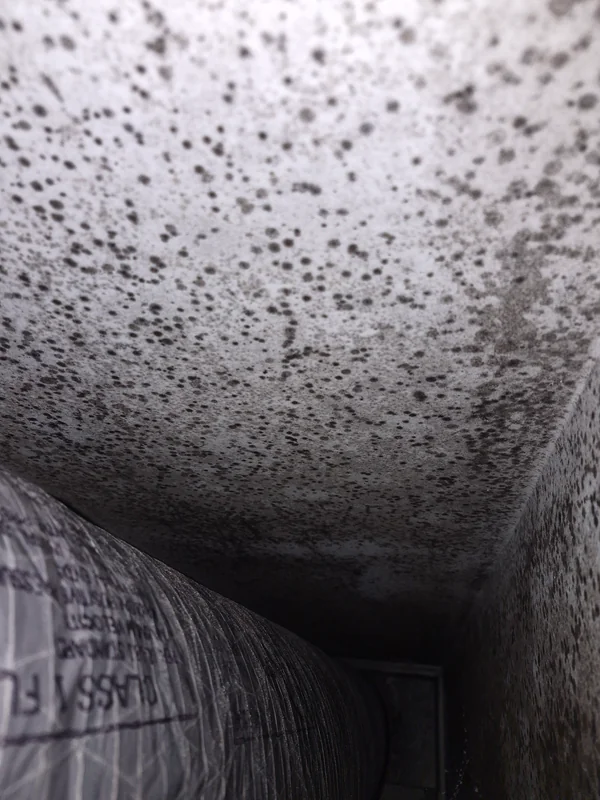
If you’ve noticed a musty smell when the heat or AC kicks on, or your allergies have gotten worse inside the house, your ductwork may be the reason. Mold doesn’t need a lot to get started just moisture, a dark space, and something to grow on. The ductwork in most Flushing-area homes checks every one of those boxes.
Flushing sits on Neshaminy Creek at the head of tidewater. That means groundwater sits close to the surface, basements take on moisture more easily than in drier inland neighborhoods, and any water event even minor seepage after a heavy storm can push moisture directly into the HVAC equipment that lives in that basement. Once mold establishes itself in the ductwork, every heating and cooling cycle carries spores to every room in the house. It’s not a slow problem. It compounds fast.
The Ellerslie and Flushing neighborhood was built mostly between 1970 and 1999. Duct systems from that era are now 25 to 55 years old. They were designed for homes that weren’t sealed as tightly as today’s, and the galvanized steel used in that period develops interior corrosion over time rough surfaces where mold and debris accumulate and stay. Getting those ducts professionally cleaned and sanitized doesn’t just improve how your home smells. It stops the cycle of contamination that keeps coming back.
Mack’s Mold Removal & Inspections is headquartered in Bensalem Township the same municipality that encompasses Flushing, Ellerslie, Oakford, and the surrounding neighborhoods along Neshaminy Creek. When you call, you’re reaching a local operation that has been working in Flushing and this specific community for over 15 years.
That matters here because the conditions driving mold growth in Flushing aren’t generic. The creek proximity, the aging housing stock, the 66% average humidity Bensalem sees in July and August these are real, documented factors that shape how mold behaves in local homes. Our certified inspectors understand this. They’ve seen it in split-levels off Newportville Road, in ranchers near Oakford, and in townhomes throughout Flushing.
We also work directly with insurance companies on claims which is especially relevant when a water event near the creek is what started the problem in the first place. You don’t have to navigate that process alone.
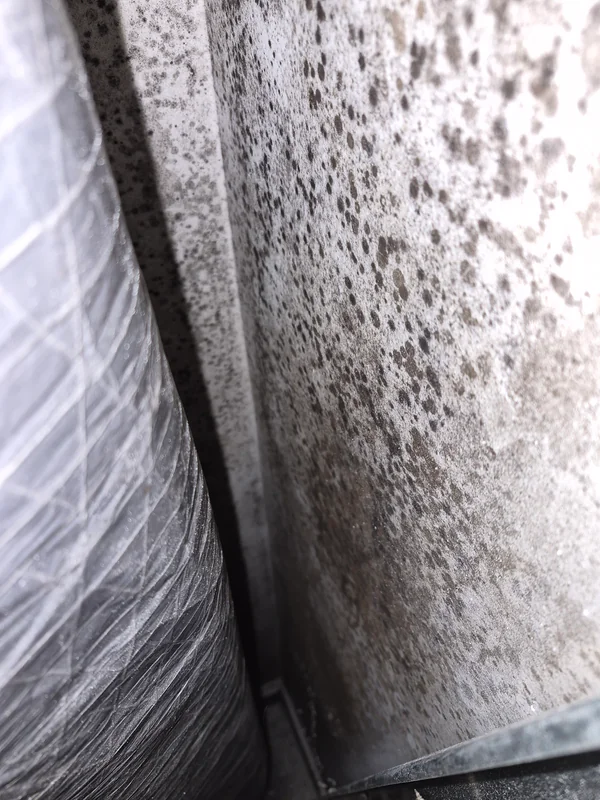
It starts with a free inspection. Before anything gets cleaned, we look at the full picture the ductwork, the HVAC equipment, and any areas of the home where moisture may have entered. In Flushing, that often means paying close attention to the basement, since that’s where most of this housing vintage keeps its HVAC equipment and where creek-adjacent groundwater tends to show up first. If mold is present, we identify it, document it, and explain exactly what we found before any work begins.
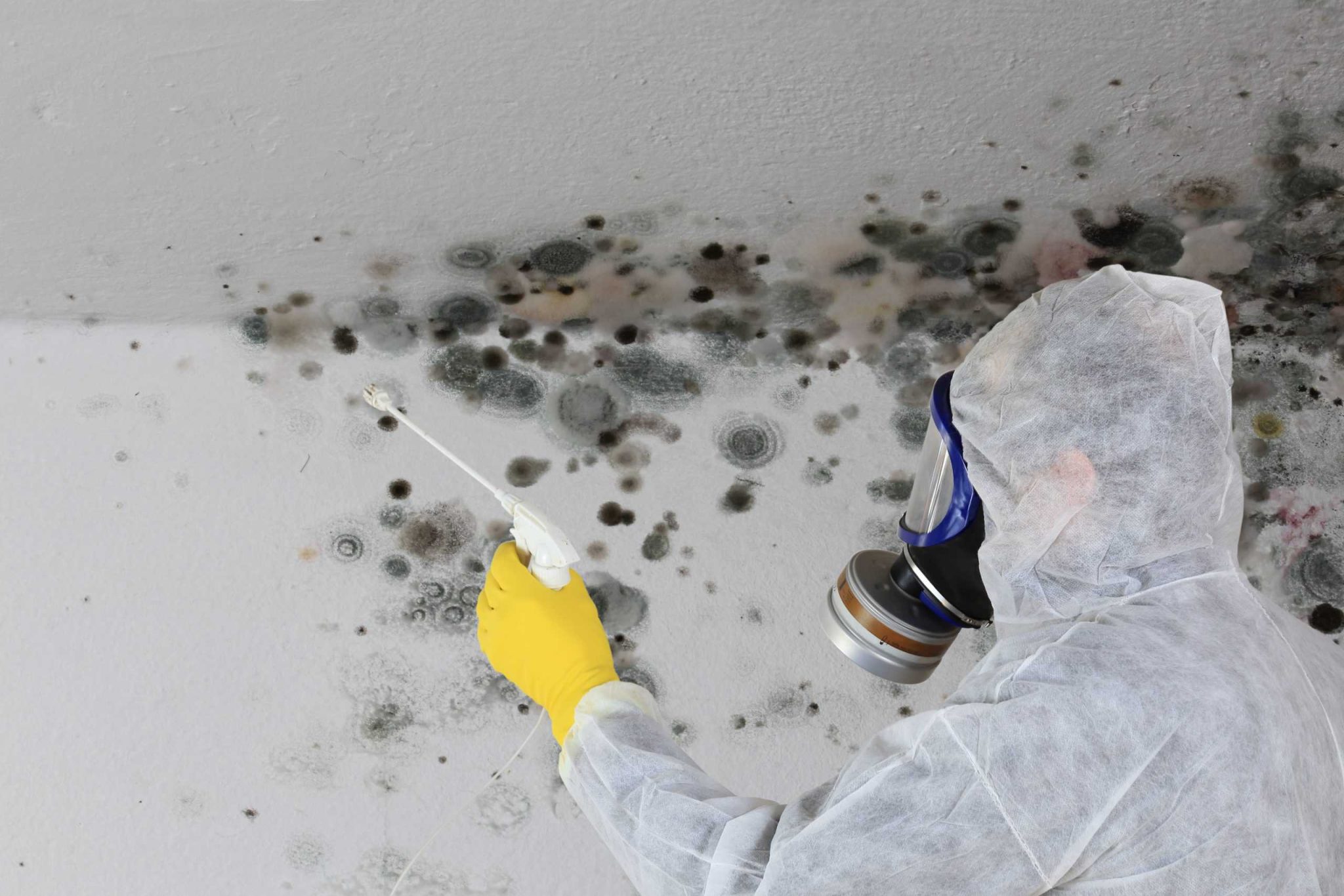
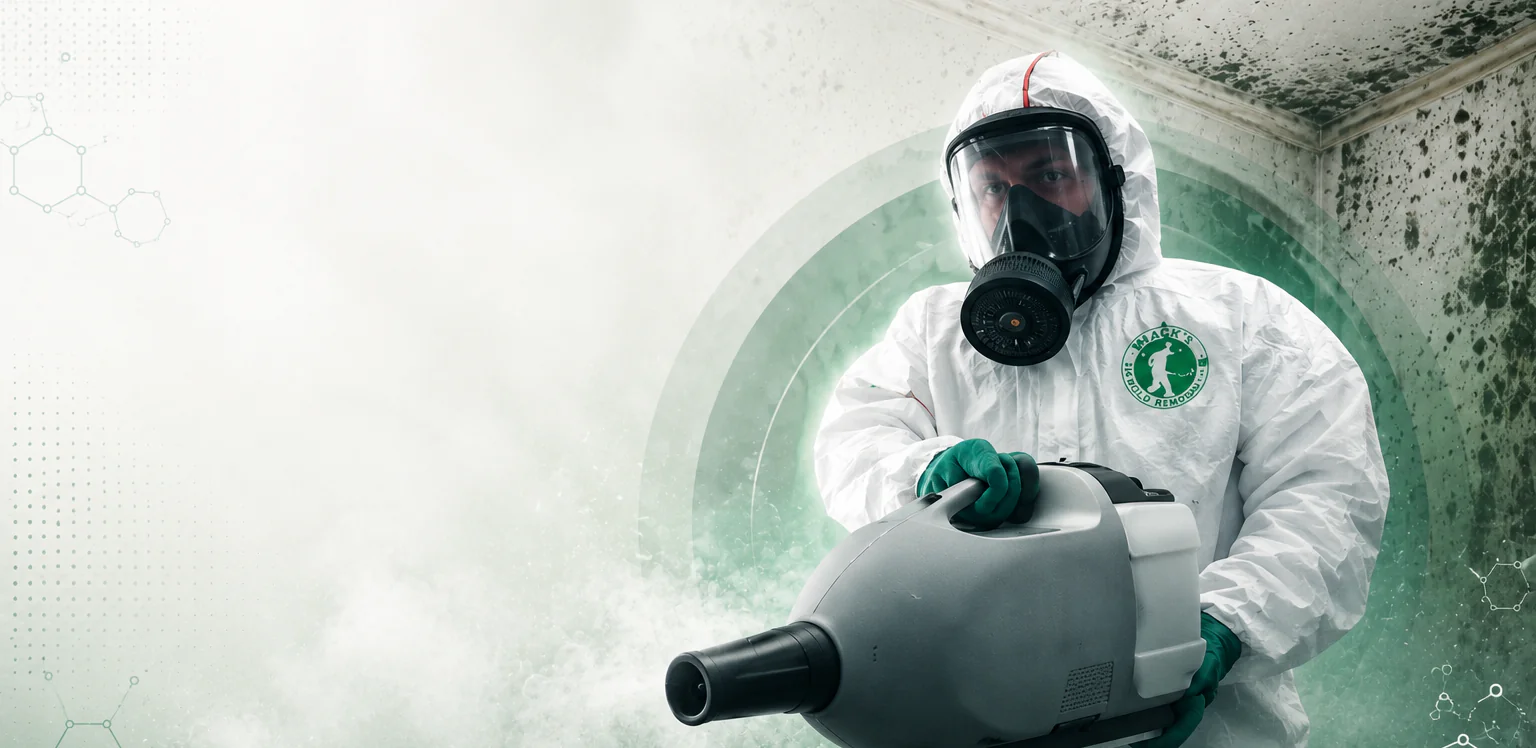
From there, the cleaning itself involves professional-grade equipment negative air pressure systems and HEPA vacuums that pull contaminants out of the ductwork rather than disturbing them into the air. Both supply and return ducts get cleaned. If mold is confirmed, we follow proper containment protocols so spores aren’t redistributed through the home during the process. A general duct cleaner skipping this step is how a mold problem gets worse, not better.
Once the cleaning is done, we don’t just pack up and hand you an invoice. We test the affected areas to confirm the mold is actually gone. That post-cleaning verification step is something our customers specifically call out in reviews, and it’s the reason you can feel confident the job was done right not just done. Bensalem’s humidity doesn’t take a break, and neither should your peace of mind about what’s in your air.
Ready to get started?
Air duct cleaning is the core of what we do on these jobs, but it’s rarely the only thing a Flushing home needs. When mold is involved, cleaning the physical debris out of the ducts is only the first step. Air duct sanitizing applying an antimicrobial treatment after the mechanical cleaning addresses the biological contamination that a vacuum alone can’t fully eliminate. For homes in creek-adjacent areas where moisture is an ongoing condition rather than a one-time event, sanitizing is the step that keeps the problem from coming back quickly.
Dryer vent cleaning is another service that comes up often in this neighborhood, and it’s worth taking seriously. The Ellerslie and Flushing area includes a significant share of townhomes and attached homes where dryer vents run longer horizontal distances to reach an exterior wall. That configuration is exactly where lint accumulates fastest and where the fire risk is highest. The NFPA reports over 15,000 dryer-related house fires per year nationally, with failure to clean vents as the leading cause. In a densely built neighborhood, that’s not a statistic to ignore.
We also offer indoor air quality testing for homeowners who want a clearer picture of what’s actually in their air particularly relevant given the I-95 corridor diesel exposure and Delaware River humidity that Bensalem residents deal with year-round. We assess each home and recommend what’s actually needed based on what we find, not a preset menu.
Yes, and it’s one of the more direct connections we see in Flushing. The creek sits at the head of tidewater, which means the water table is close to the surface and basements in Flushing are more susceptible to moisture intrusion than homes in drier, inland communities. HVAC equipment furnaces, air handlers, and ductwork is typically located in the basement in the split-levels and ranchers that make up much of this housing stock. When moisture enters that space, even through seepage rather than outright flooding, mold can begin colonizing HVAC components within 48 to 72 hours.
Once mold is in the ductwork, the system itself becomes the distribution mechanism. Every time the heat or AC runs, spores move through the supply and return ducts to every room in the house. Homeowners in Flushing who’ve had any kind of water event even a slow, minor one should have their ductwork inspected, not just the visible walls and floors. That’s the step most people miss, and it’s why mold symptoms often return after a remediation job that didn’t include the ducts.
The most reliable sign is a musty or earthy smell that appears specifically when your HVAC system kicks on and fades when it’s off. Dust buildup doesn’t typically produce that smell. If the odor is tied to the system running, mold in the ductwork is a reasonable explanation. Other signs include visible discoloration around vent registers, worsening allergy or respiratory symptoms that seem to improve when you’re outside the home, or a history of water intrusion in the basement where your HVAC equipment is located.
The honest answer is that you can’t confirm mold in ductwork without an inspection. The interior sections of most duct systems are completely inaccessible without professional equipment. What looks clean at the register can be significantly contaminated two feet in. We use camera equipment and lab testing of collected samples to identify what’s actually present not just a visual estimate. If you’re in a Flushing-area home built in the 1970s or 1980s and the ducts have never been professionally inspected, an inspection is a reasonable first step regardless of whether you’re currently noticing symptoms.
Air duct cleaning is the mechanical process using negative air pressure equipment and HEPA vacuums to physically remove debris, dust, and biological material from inside the ductwork. It clears out what’s accumulated. Air duct sanitizing is a separate step that follows cleaning: an antimicrobial treatment is applied to the interior surfaces of the ducts to address residual biological contamination that the mechanical cleaning alone can’t fully eliminate.
For a home with no confirmed mold just routine dust and debris cleaning alone may be sufficient. But for a home where mold has been identified in the ductwork, or where the conditions that cause mold growth are ongoing, sanitizing is the step that makes the cleaning last. In Flushing and the broader Bensalem area, where summer humidity consistently runs above the EPA’s 55% mold-growth threshold and creek-adjacent moisture is a year-round factor, sanitizing after cleaning is a practical choice, not an upsell. It’s the difference between addressing the current contamination and giving mold a harder surface to re-establish on.
The general industry recommendation is every three to five years for a typical home, but that interval assumes average conditions. Homes in the Ellerslie and Flushing neighborhood often don’t qualify as average conditions. If your home was built between 1970 and 1999, your duct system is now old enough to have accumulated significant debris and potentially developed interior corrosion in the galvanized steel that’s common in that era. If you’ve never had the ducts professionally cleaned, the starting point isn’t a schedule it’s an inspection to understand what’s actually in there.
Beyond age, the local environment matters. Bensalem’s 66% average summer humidity, the creek proximity for homes near Neshaminy, and the particulate load from I-95 traffic all create conditions where ductwork accumulates contamination faster than homes in drier, less trafficked areas. If your Flushing home has experienced any water intrusion even minor basement seepage that resets the clock. After a water event, the ducts should be inspected regardless of when they were last cleaned. Waiting for the standard interval after a moisture event is how a manageable problem becomes a larger one.
You should be concerned. The $99 air duct cleaning offer is one of the most well-documented bait-and-switch tactics in the home services industry. The low price gets a technician in the door, and then the upselling begins additional charges per vent, fees for “contamination found,” pressure to add services you didn’t ask for. By the time the job is done, the final bill often bears no resemblance to the advertised price.
A legitimate professional air duct cleaning job done with proper equipment, covering both supply and return ducts, taking the four to six hours the work actually requires costs significantly more than $99. NADCA, the industry’s professional trade association, puts the realistic range for a typical home at $450 to $1,000. If a company is advertising below that range, the question is what they’re not doing or what they plan to add on. We provide a free inspection upfront and give you a clear price before any work begins. The number you’re quoted is the number you pay. That’s the standard you should expect from any company you let into your home.
We handle both, and that’s actually one of the more meaningful reasons to call us first rather than starting with a general duct cleaner. When mold is involved in a duct system, the remediation and the cleaning aren’t separate problems they’re the same problem approached in sequence. A duct cleaner without mold remediation training may disturb mold colonies without proper containment, spreading spores through the home during the cleaning process. That makes things worse, not better.
Our certified inspectors assess the full scope of the issue before any work begins ductwork, HVAC equipment, and the areas of the home where moisture entered in the first place. For Flushing homeowners whose situation started with a basement water event or creek-related flooding, that means we’re looking at the whole picture, not just the symptom. We also work directly with insurance companies on claims, which is relevant when the underlying cause is a water damage event that may be covered. One company, one inspection, one clear plan rather than coordinating between a mold remediator and a separate duct cleaning service that may not communicate with each other.
Other Services we provide in Flushing