

Hear from Our Customers
You can’t fix what you can’t see. That’s the problem with mold in Emilie homes—it hides in crawl spaces, behind walls, inside HVAC systems, and under flooring where moisture sits unnoticed.
Professional mold testing uses calibrated equipment and lab analysis to identify the specific species growing in your home, measure concentration levels, and compare indoor air quality to outdoor baselines. You get a detailed report that tells you if you have a problem, how bad it is, and what type of mold you’re dealing with—not just a yes or no from a hardware store kit.
This matters when you’re trying to protect your family’s health, document a claim for insurance, or sell your home without surprises during inspection. Pennsylvania’s rising precipitation—up 5% to 10% in recent years—means more moisture, more humidity, and more hidden mold growth in Bucks County homes. You need accurate data, not guesswork.
We serve homeowners throughout Bucks County with licensed mold assessment and testing. We’re not a national franchise—we’re local, we understand Pennsylvania’s climate challenges, and we’ve seen what happens when homes in this area aren’t properly tested before remediation starts.
Pennsylvania requires a license to conduct professional mold assessment. We hold that license, we work with nationally recognized labs, and we follow EPA-certified methodology to give you results you can trust. You’re not getting a visual inspection and a guess—you’re getting laboratory analysis that identifies species and measures spore concentration.
We’ve worked with homeowners dealing with recurring mold, buyers who found problems during inspection, and families experiencing unexplained health symptoms. Our job is to give you clear answers so you can make informed decisions about your home.
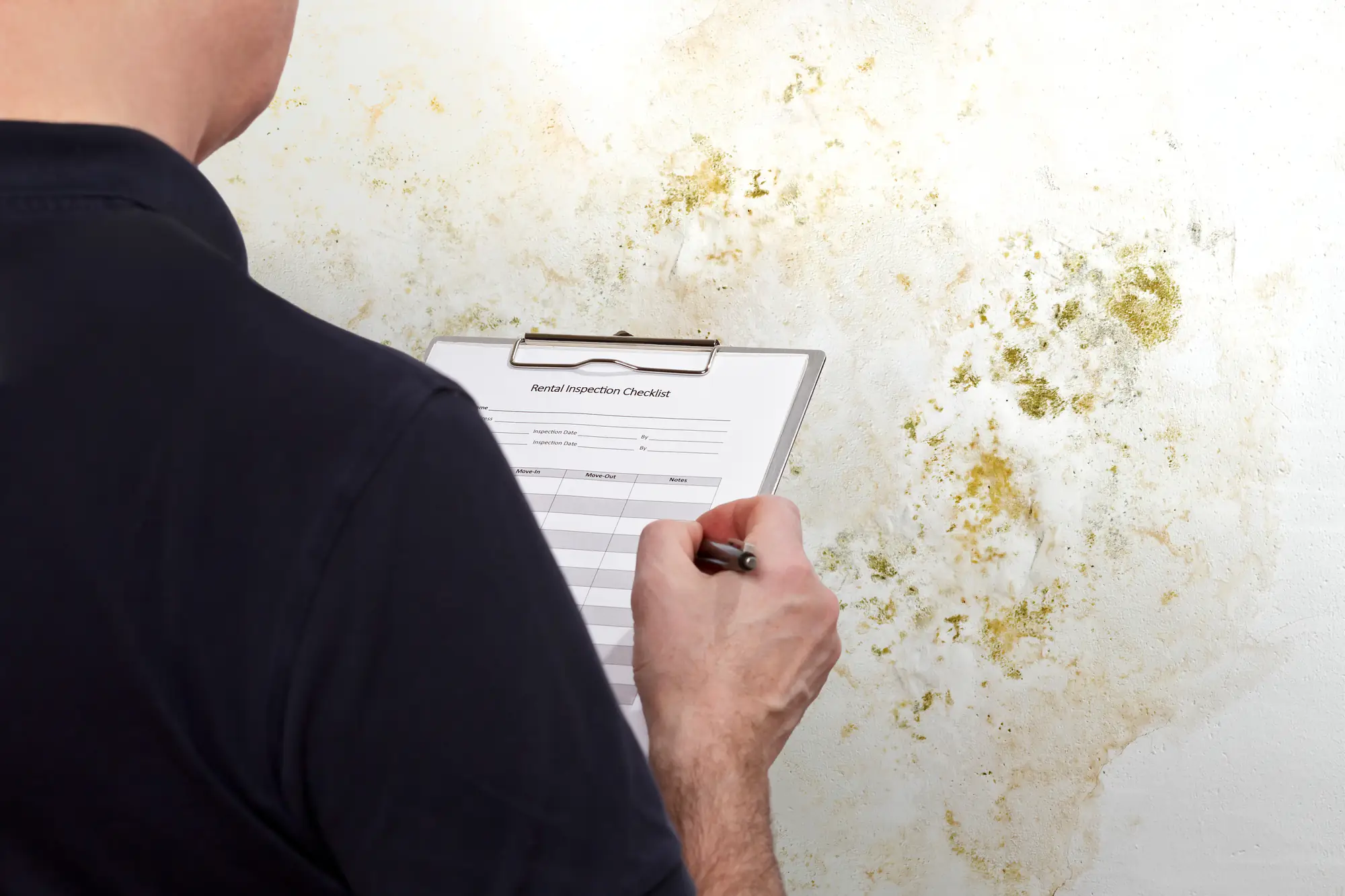
First, we schedule a time that works for you and come to your Emilie home to conduct a thorough inspection. We’re looking at obvious problem areas—basements, bathrooms, attics—but also using thermal imaging and moisture meters to find hidden moisture that creates mold growth you can’t see yet.
We collect air samples and surface samples from multiple locations throughout your home. These samples go to a nationally recognized lab that specializes in mold analysis. They identify the exact species present and measure spore concentration levels to determine if your indoor air quality is compromised compared to outdoor levels.
Results typically come back within three to five business days. We walk you through the report, explain what everything means in plain language, and answer your questions. If you have a mold problem, we’ll tell you how serious it is and what needs to happen next. If you don’t, you’ll have documentation proving your home is clear—useful for real estate transactions, insurance purposes, or just peace of mind.
Ready to get started?
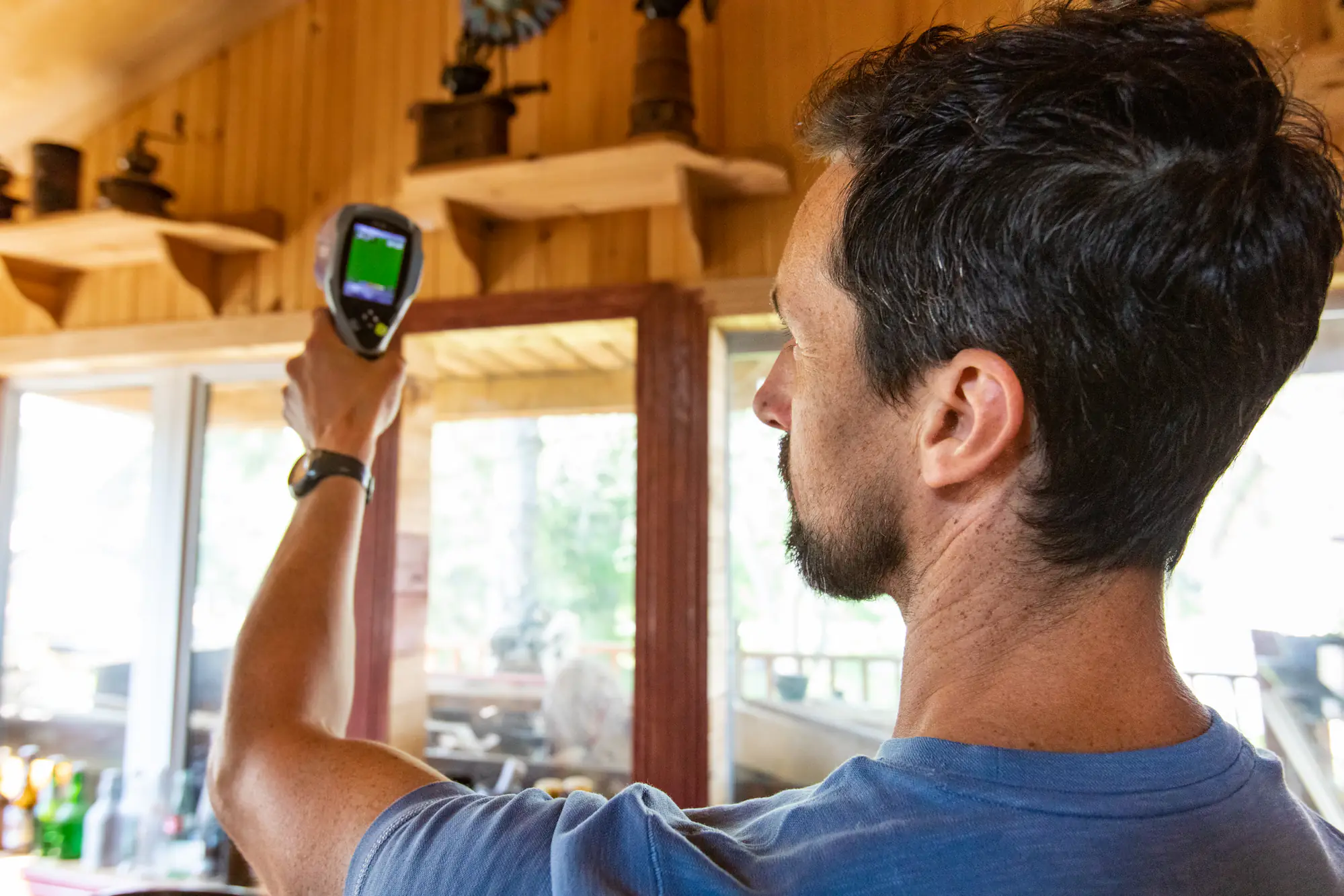
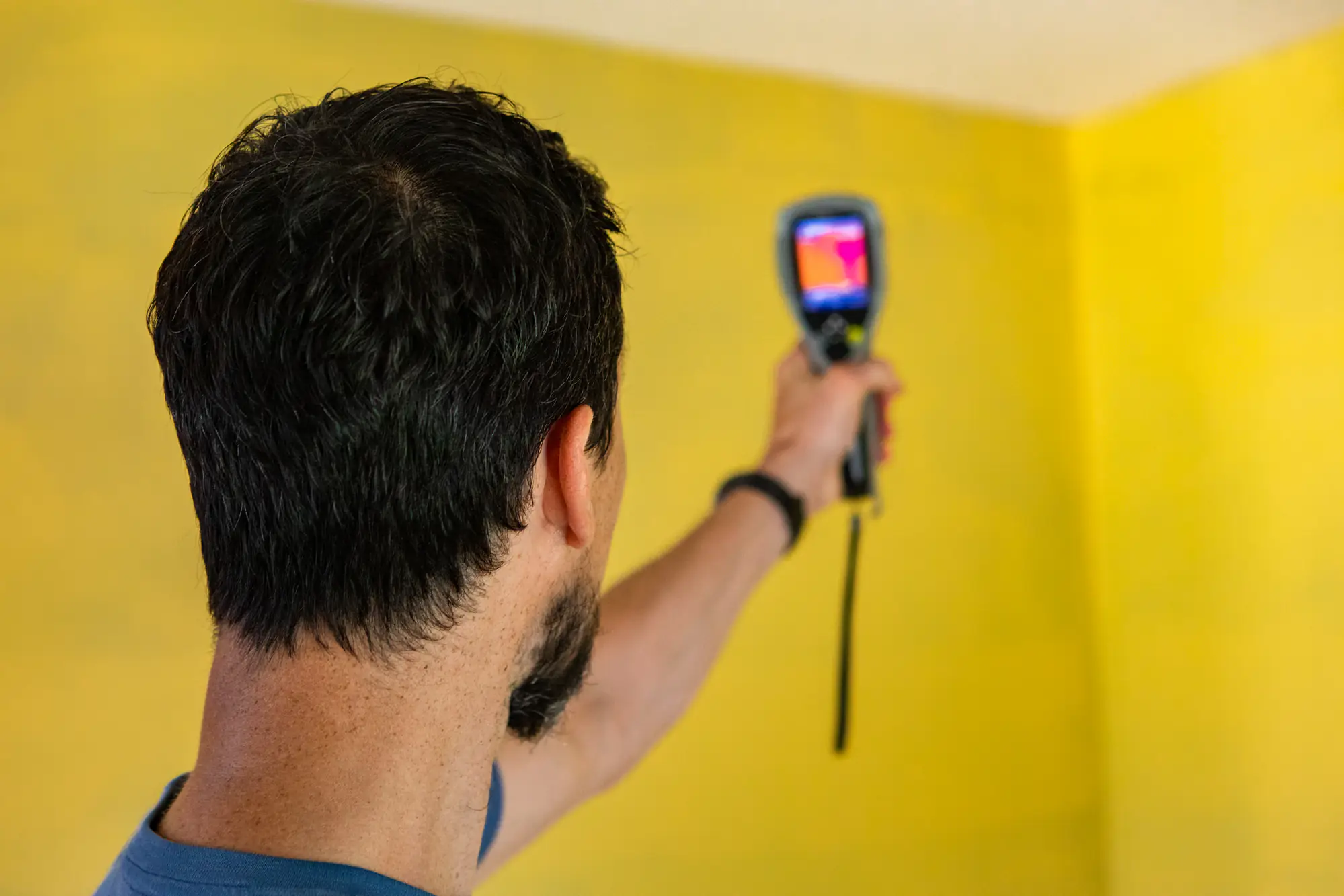
You get a complete inspection of your home using professional-grade equipment—not just a visual walkthrough. We use thermal imaging to detect temperature differences that indicate moisture problems, moisture meters to measure water content in building materials, and air quality monitors to assess overall conditions.
Air sampling captures mold spores circulating through your home’s air, while surface sampling tests visible growth or suspicious areas. Both types of samples matter because they tell different parts of the story. Air samples show what you’re breathing; surface samples identify what’s growing and where.
The lab report you receive breaks down every species found, concentration levels, and comparison data to outdoor air. This documentation meets Pennsylvania Department of Health standards and satisfies insurance company requirements if you need to file a claim. Bucks County’s high humidity during summer months and condensation issues from heating older buildings in winter create conditions where mold problems develop fast—sometimes within 24 to 48 hours after water damage. Testing gives you the data to act quickly and correctly.
Most residential mold testing in Emilie runs between $300 and $600 depending on your home’s size and how many samples we need to collect. A typical single-family home with a basement usually requires 3-5 air samples and 2-3 surface samples to get accurate results.
That price includes the on-site inspection, sample collection, laboratory analysis from a certified lab, and a detailed report with our interpretation of the findings. If you’re dealing with a specific area—like just testing a bathroom or basement—costs are lower because we’re collecting fewer samples.
Some homeowners worry about the cost, but here’s the reality: if a buyer’s inspector finds mold during a home sale, it can drop your property value by 20% to 37% or kill the deal entirely. Professional testing before listing gives you documentation and time to address problems on your terms, not during negotiation. And if you’re experiencing health symptoms or dealing with insurance claims, you need certified results—DIY kits won’t hold up.
You can, but those kits have serious limitations. No test kit on the market is endorsed by the EPA, and they can’t provide the comprehensive analysis you need to identify dangerous species or determine actual contamination levels.
Hardware store kits typically just tell you if mold spores are present—which isn’t useful because mold spores exist in every home. What matters is the type of mold, the concentration level, and whether your indoor air quality is worse than outdoor air. DIY kits can’t answer those questions. They also can’t find hidden mold behind walls, under flooring, or in HVAC systems where problems actually start.
If you’re dealing with insurance claims, real estate transactions, or health concerns, you need professional documentation from a licensed inspector using calibrated equipment and certified lab analysis. Pennsylvania requires a license to conduct professional mold assessment for good reason—accuracy matters when you’re making decisions about remediation, insurance claims, or your family’s health.
Lab results typically come back within three to five business days after we collect samples from your Emilie home. The samples go to a nationally recognized laboratory that specializes in mold analysis, and they need time to properly culture and identify species, measure spore concentration, and compile data.
Some labs offer rush services for an additional fee if you’re in a time-sensitive situation—like a real estate closing deadline or immediate health concerns—but standard turnaround is usually sufficient for most homeowners.
Once we receive the lab report, we contact you to schedule a time to review the findings together. We walk through every section of the report, explain what the data means in plain language, and answer your questions. If remediation is needed, we’ll discuss next steps and what you should expect. If your home tests clear, you’ll have certified documentation proving your indoor air quality is safe.
It depends on what caused the mold growth. Most homeowners insurance policies in Pennsylvania cover mold testing and remediation if the mold resulted from a sudden, accidental event—like a burst pipe, roof leak during a storm, or appliance malfunction. Coverage is typically limited to $1,000 to $10,000 per occurrence.
Insurance won’t cover mold that developed from long-term neglect, poor maintenance, or gradual moisture problems you should have addressed. They also won’t cover testing if you’re just being proactive without a covered peril causing the issue.
The key is documentation. If you discover water damage from a covered event, document everything immediately, contact your insurance company, and get professional mold testing done quickly. Water-damaged environments can promote mold growth within 24 to 48 hours, so timing matters. Professional test results from a licensed inspector carry weight with insurance adjusters—DIY kits don’t. We’ve worked directly with insurance companies on claims and can provide the detailed reports they require to process coverage.
Bucks County homes typically deal with Aspergillus, Penicillium, Cladosporium, and Stachybotrys (black mold). Each species has different health implications and grows under different conditions, which is why professional testing matters—you need to know exactly what you’re dealing with.
Aspergillus and Penicillium are common in homes with high humidity or water damage. They spread quickly through HVAC systems and can trigger respiratory problems and allergic reactions. Cladosporium often appears on damp surfaces and in areas with poor ventilation. Stachybotrys—the black mold everyone worries about—grows on materials with high cellulose content like drywall and wood when they stay wet for extended periods.
Pennsylvania’s climate creates ideal conditions for all of these species. Rising precipitation levels, high summer humidity, and temperature fluctuations mean moisture problems develop fast in Emilie homes. Basements, crawl spaces, and older buildings with poor ventilation are especially vulnerable. Professional testing identifies which species are present, measures concentration levels, and tells you if your indoor air quality is compromised—information you can’t get from visual inspection alone.
If the home inspection raises any red flags about moisture, water damage, musty odors, or visible mold, absolutely get professional testing done before closing. About half of potential buyers walk away once they learn a property has had a mold problem, and mold issues can drop home value by 20% to 37%.
Even if the inspection doesn’t find obvious problems, consider testing if the home has a basement, crawl space, or history of water issues. Older homes in Bucks County—especially those built before modern moisture barriers and ventilation standards—are more susceptible to hidden mold growth. Pennsylvania’s humid climate and frequent precipitation create conditions where mold develops in areas you can’t see during a walkthrough.
Professional testing gives you leverage during negotiation if problems exist, and it gives you peace of mind if the home is clear. The cost of testing is minimal compared to discovering a serious mold problem after you’ve already closed and moved in. Sellers are often willing to credit testing costs or address issues before closing if you request it—but you need documentation from a licensed mold inspector to back up your concerns.
Other Services we provide in Emilie