

Hear from Our Customers
You can’t fix what you can’t see. That’s the problem with mold in Dyerstown homes—it hides in the places you don’t check until something smells off or someone starts coughing.
Most homeowners wait too long. They try a DIY test kit from the hardware store, get vague results, and still don’t know if they have a problem or where it’s coming from. Meanwhile, mold keeps spreading behind walls, under floors, in HVAC ducts.
Professional mold testing tells you exactly what’s growing, where it’s growing, and how bad it is. You get lab results, not guesswork. Thermal imaging and moisture mapping show you the source—not just the symptoms. That’s how you make decisions based on facts, not fear.
If there’s mold, you’ll know what type and whether it’s something you can clean yourself or if it needs professional removal. If there’s no mold, you’ll have documentation proving it—useful for buyers, insurance, or just sleeping better at night.
We’ve been testing and removing mold across Bucks County for years. We’re local, which means we know what happens to older homes here when humidity spikes in summer or basements flood after a storm.
We’re not a franchise following a script. We don’t upsell you on services you don’t need. Our job is to test your home accurately, explain what we find in plain language, and give you options—not pressure.
Dyerstown sits in an area where a lot of homes were built before 1960. That means stone foundations, minimal vapor barriers, and crawl spaces that were never designed to stay dry. We’ve seen it all, and we know how to find mold even when it’s not obvious.
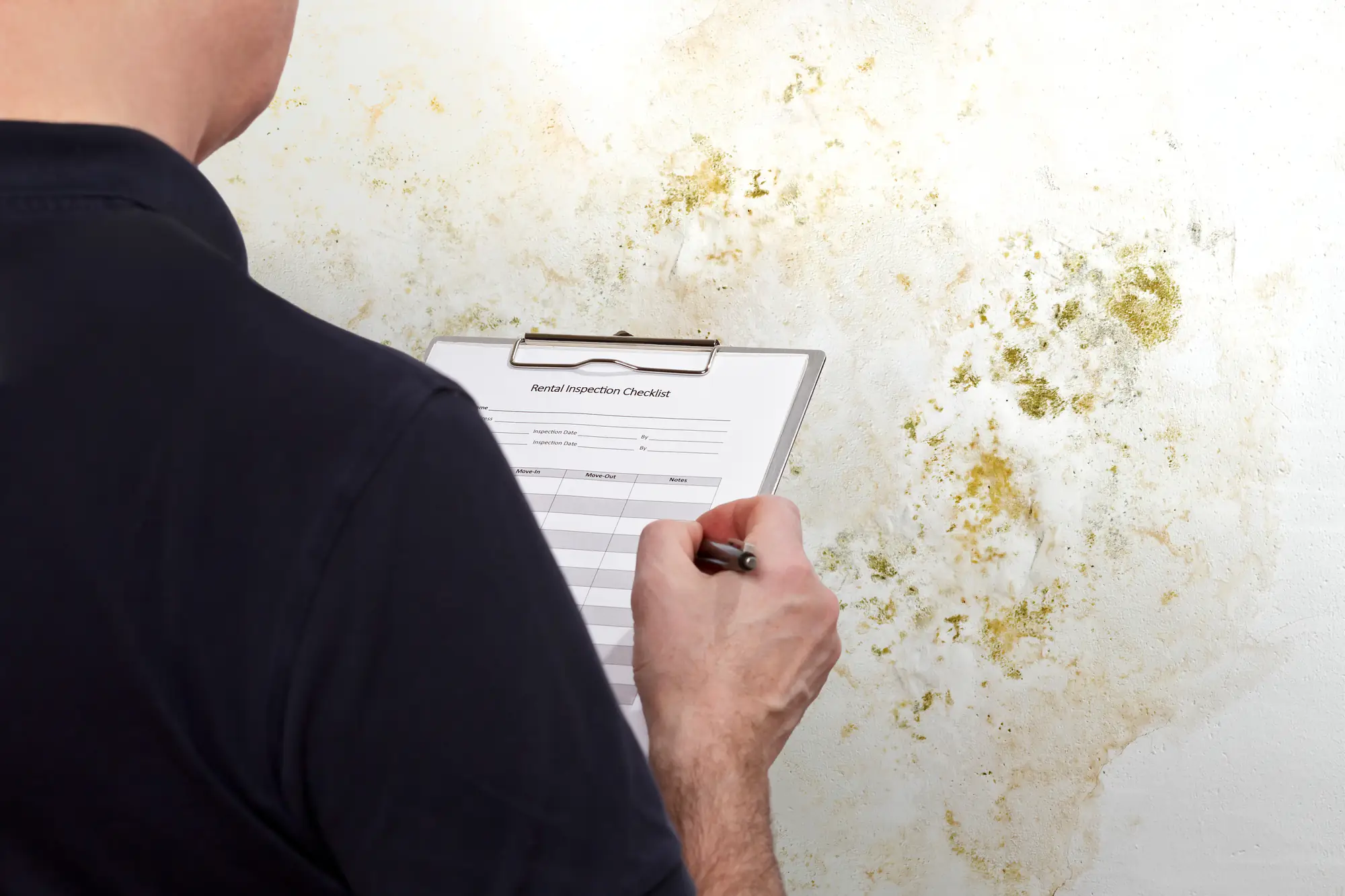
First, we walk through your home and talk about what you’ve noticed—smells, stains, health symptoms, water damage. That gives us a starting point.
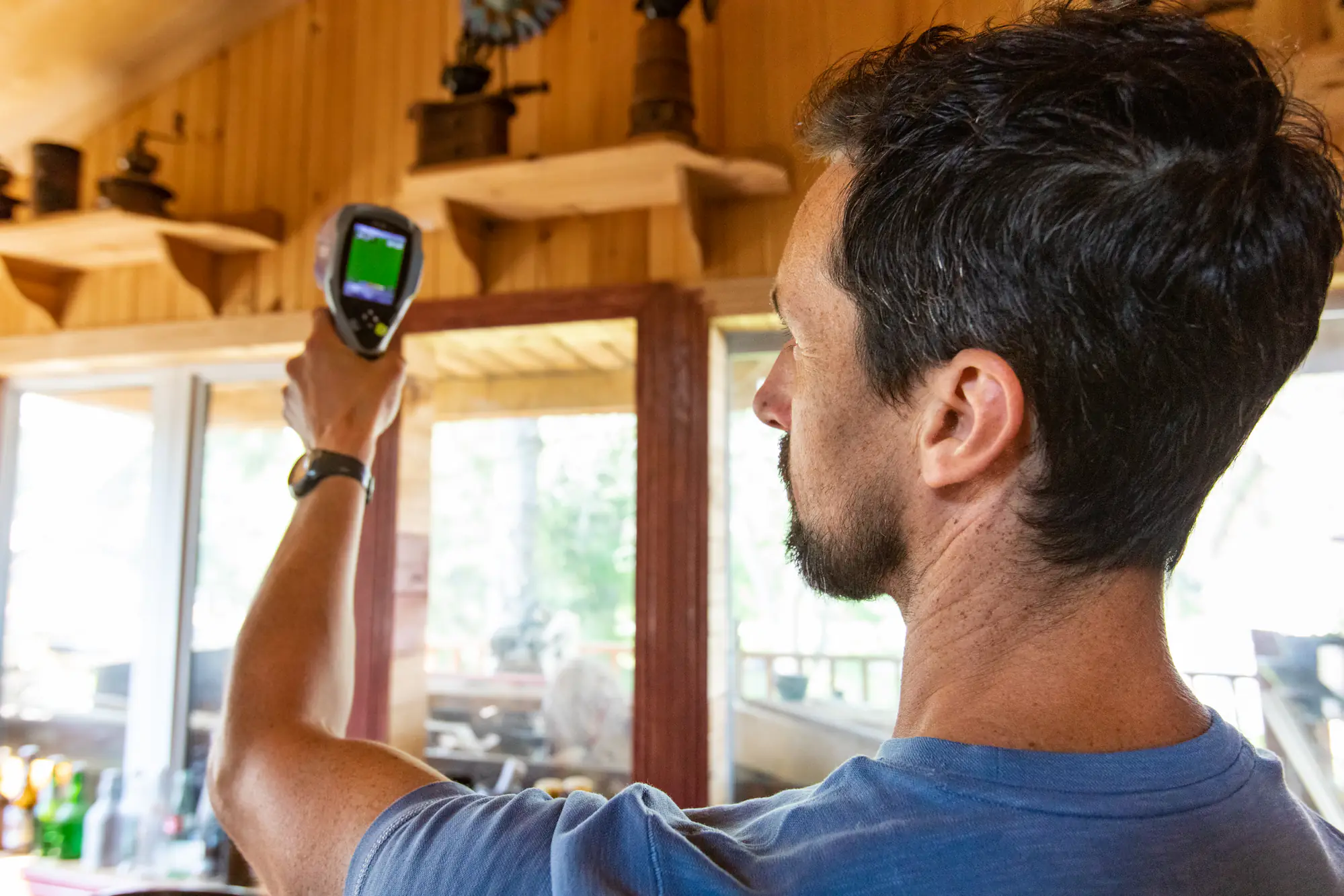
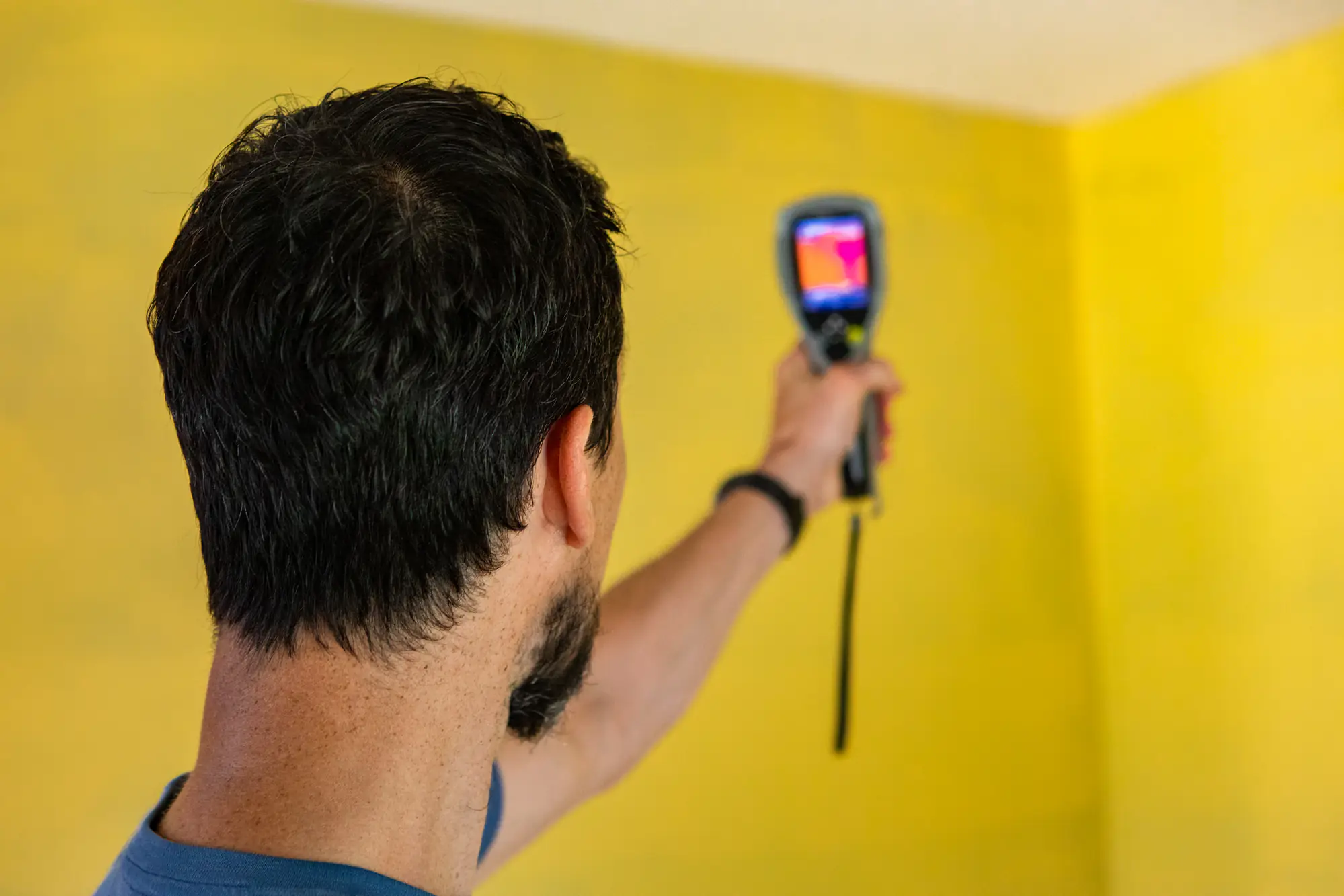
Then we use thermal imaging and moisture meters to check walls, ceilings, floors, and any area that’s been wet or feels damp. Mold needs moisture, so we’re looking for where water is hiding. If we find elevated moisture levels, that’s a red flag.
Next, we take air samples and surface samples from suspected areas. Those samples go to an independent lab that identifies the type and concentration of mold spores. We don’t run our own lab because we want unbiased results you can trust.
Within a few days, you get a full report. It breaks down what was found, where it was found, and what it means for your home and health. We’ll walk you through the results and explain your options—whether that’s a simple cleaning, a dehumidifier, or professional remediation.
No scare tactics. No inflated estimates. Just the truth about what’s in your home and what it’ll take to fix it.
Ready to get started?
You’re not just paying for someone to show up with a moisture meter. You’re getting a full assessment using technology most homeowners don’t have access to.
We use thermal cameras to spot temperature differences that indicate water intrusion. We use calibrated moisture meters to measure exactly how wet your building materials are. We collect air samples with laser particle counters to detect airborne mold spores you can’t see or smell.
Every sample gets sent to a third-party lab. You receive a detailed report that lists the types of mold, the spore count, and whether levels are normal or elevated. That’s critical if you’re buying or selling a home in Bucks County, where mold disclosure can make or break a deal.
Dyerstown’s housing stock skews older. About a third of homes here were built before 1940. Those homes have charm, but they also have basements that leak, attics that don’t breathe, and plumbing that’s been patched more times than anyone can count. That’s why black mold testing isn’t just for people who see visible growth—it’s for anyone who wants to know what’s lurking before it becomes an expensive problem.
We also check your HVAC system. Mold in your ducts means you’re breathing spores every time the heat or AC kicks on. Most mold testing companies skip that step. We don’t.
Most residential mold testing runs between a few hundred dollars for a basic inspection to around $800 or more if you need multiple air samples, surface tests, and lab analysis. The price depends on the size of your home and how many areas need testing.
If you’re testing because you’re buying or selling a house, it’s worth paying for the full workup. A missed mold problem can cost you tens of thousands in remediation or kill a sale. If you’re testing because you smell something or had a leak, a targeted inspection might be enough.
We don’t charge for remediation you don’t need. Some companies inflate the scope to justify a bigger bill. We test, report, and let you decide what makes sense.
You can, but it won’t tell you much. Those kits detect mold spores in the air, which is useful except that mold spores are everywhere. The question isn’t whether spores exist—it’s whether you have an active infestation and what type it is.
Home kits can’t measure moisture levels in your walls. They can’t use thermal imaging to find hidden leaks. They can’t tell you if the mold in your basement is toxic black mold or just surface mildew. And they definitely can’t give you a report you can show to a buyer’s inspector or an insurance adjuster.
If you want real answers or you’re making a financial decision based on the results, hire someone who knows what they’re doing. If you just want to satisfy curiosity, a kit might work. But don’t use it to decide whether you have a serious problem.
An inspection is visual. We look for signs of mold, water damage, condensation, and conditions that promote growth. We check your basement, attic, bathrooms, kitchen, HVAC system, and anywhere else moisture tends to collect.
Testing goes further. We take samples—air, surface, or both—and send them to a lab for analysis. That tells you exactly what species of mold is present and whether the concentration is high enough to be a health or structural concern.
You don’t always need testing. If there’s visible mold and it’s clearly from a leaky pipe, you probably just need it removed. But if you’re dealing with mystery smells, unexplained allergies, or a home with a history of water issues, testing gives you answers an inspection alone can’t provide. In Dyerstown, where older homes often have hidden moisture problems, testing is usually the smarter move.
The onsite part takes one to three hours depending on the size of your home and how many areas we’re testing. We’re not rushing through it. We’re checking every space that could be holding moisture or showing signs of growth.
After we collect samples, the lab usually takes three to five business days to process results. Once we get the report, we’ll call you to go over what was found and what it means. If you need results faster—say, you’re in the middle of a real estate transaction—some labs offer expedited testing for an additional fee.
The whole process from scheduling to getting your report typically takes about a week. If there’s urgency, let us know upfront and we’ll do what we can to speed things up.
No. Mold testing is non-invasive and doesn’t release spores or chemicals into the air. We’re collecting samples, not disturbing contaminated materials. You can stay in the house while we work.
That said, if you have severe mold allergies or respiratory issues, you might feel more comfortable stepping out while we’re sampling areas with visible growth. It’s rare, but some people react to even minor disturbances.
If we do find mold and you move forward with remediation, that’s a different story. Depending on the extent of contamination, you may need to stay elsewhere while the work is done. But testing itself? You’re fine to be home.
First, don’t panic. Finding mold doesn’t mean your house is condemned or that you’re facing a five-figure remediation bill. It means you have information, and now you can make a plan.
We’ll explain what type of mold was found, where it’s growing, and what’s causing it. Most mold problems come down to moisture—leaky pipes, poor ventilation, foundation cracks, roof leaks. Fix the water issue and you can usually fix the mold issue.
Small areas of mold—less than ten square feet—can often be cleaned by the homeowner with the right products and precautions. Larger infestations, or anything involving black mold, should be handled by professionals with containment and air filtration equipment.
We’ll give you a clear recommendation based on what the lab results show. If remediation is needed, we’ll walk you through the process and cost. If it’s something you can handle yourself, we’ll tell you that too. No upselling. Just honest guidance based on what’s actually in your home.
Other Services we provide in Dyerstown