

Hear from Our Customers
You’re dealing with symptoms no one can explain. Headaches that won’t quit. A cough that lingers. Maybe you smell something musty in the basement, or you’ve spotted discoloration on the ceiling after that leak last month.
Here’s what matters: you can’t treat mold you can’t identify. A black mold test from an EPA-certified lab tells you exactly what type of mold is present, how much of it exists, and where it’s hiding. That’s not guesswork—that’s data you can act on.
Professional mold testing protects your family’s health and your property value. Pennsylvania’s humid climate creates perfect conditions for mold growth, especially in basements and crawl spaces. When you know what you’re dealing with, you can address it correctly the first time instead of throwing money at surface-level fixes that don’t solve anything.
We’ve been serving Dunlap and the surrounding Bucks County area with residential mold testing that homeowners actually trust. We’re not the cheapest option—and that’s intentional. You’re paying for accurate lab results, advanced detection equipment, and inspectors who know the difference between surface mold and a systemic problem.
Dunlap homes face specific challenges. Older properties with stone foundations. Humid summers that push moisture into attics and crawl spaces. Basements that flood during heavy rain. We’ve tested hundreds of homes in this area, and we know what to look for.
When you call us, you’re getting a mold check from professionals who use infrared cameras and moisture meters to find problems you can’t see. We send samples to EPA-certified labs, and you get a report that’s easy to read and explains exactly what’s happening in your home.
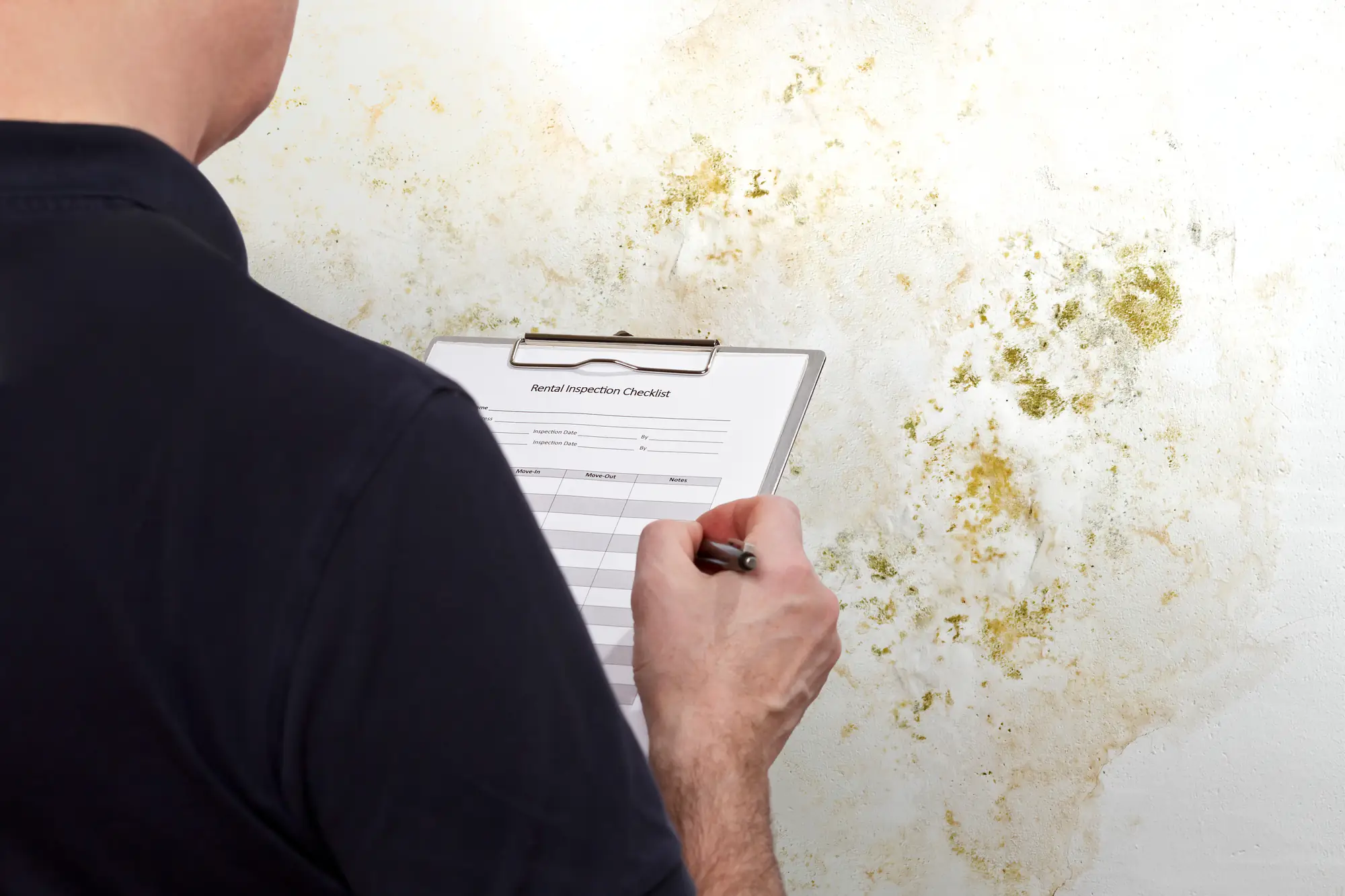
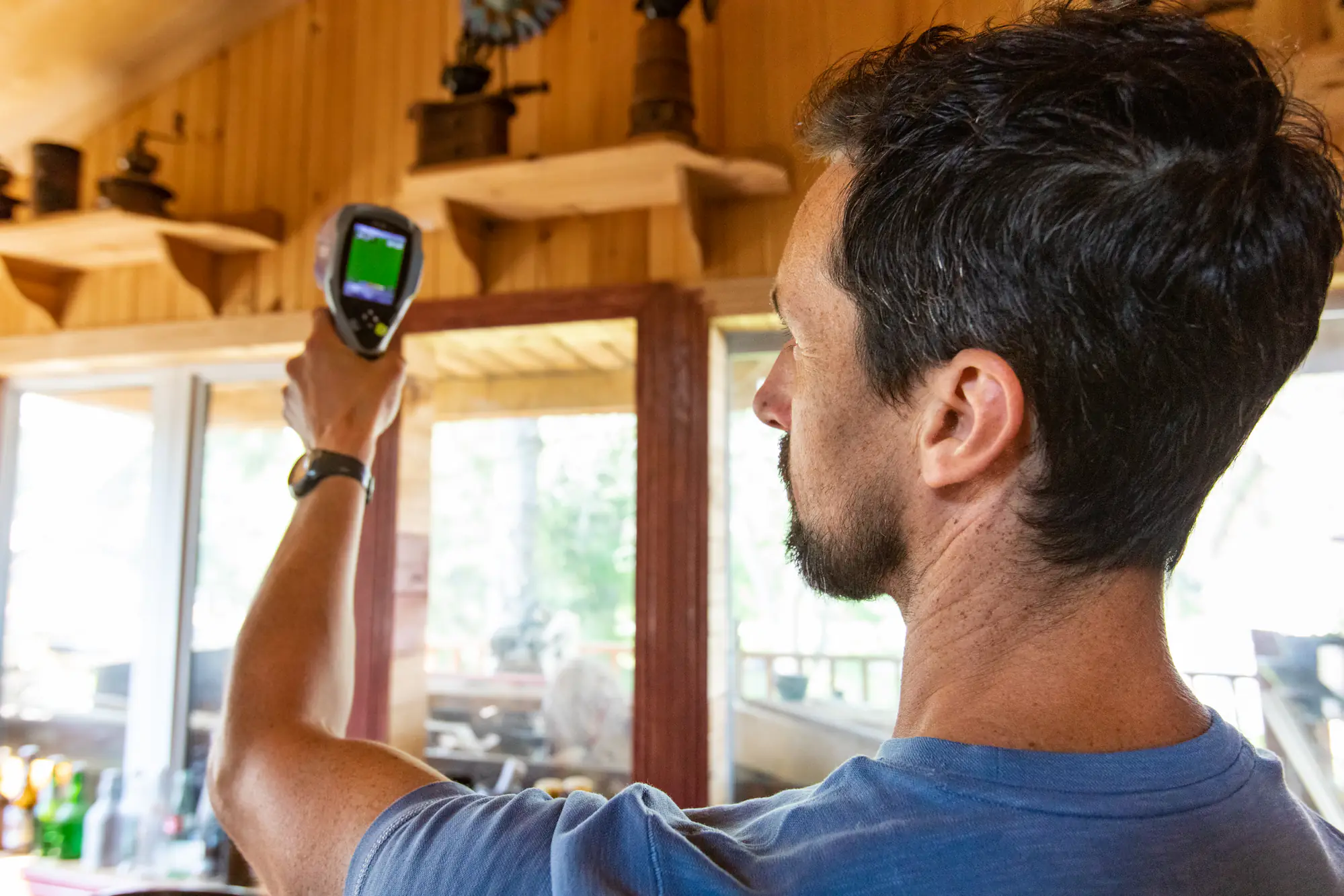
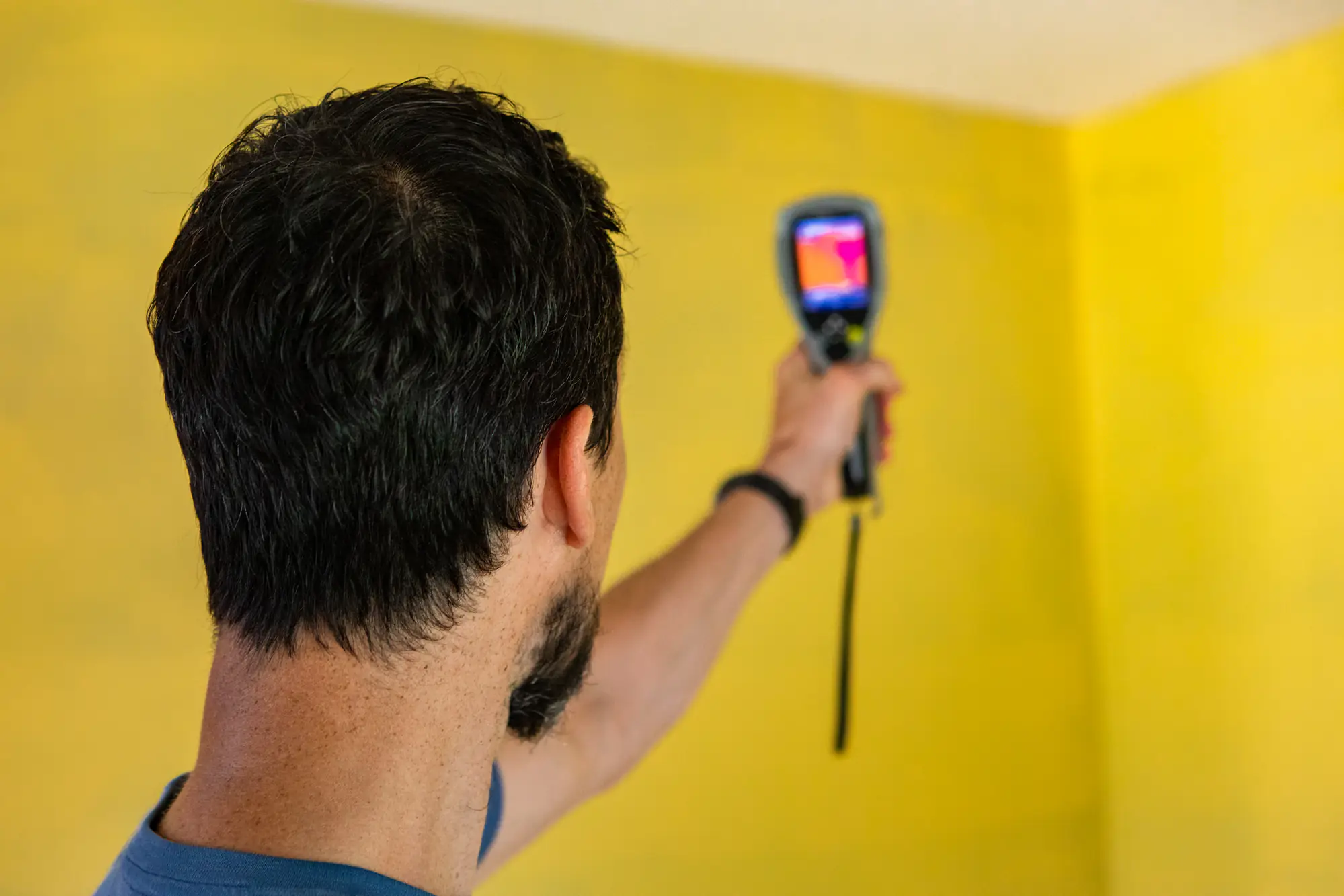
First, we walk through your property and look for visible signs of mold growth, water damage, or moisture issues. We’re checking walls, ceilings, HVAC systems, basements, attics—anywhere mold typically hides. We use moisture meters to detect dampness behind surfaces and infrared cameras to spot temperature differences that indicate hidden water intrusion.
Next, we collect air samples and surface samples depending on what we find. Air sampling tests what you’re breathing. Surface sampling identifies the specific mold type growing on walls, wood, or other materials. These samples go to an EPA-certified laboratory for analysis.
You’ll receive a detailed report within a few days. It shows the types of mold present, the concentration levels, and whether those levels are abnormal compared to outdoor air. The report also identifies moisture sources so you understand why mold is growing in the first place. From there, you’ll know exactly what needs to be addressed and whether remediation is necessary.
Ready to get started?
Our residential mold testing includes a full visual inspection of your property with advanced moisture detection tools. We’re not just looking at the obvious spots—we’re checking behind walls, inside HVAC ducts, under flooring, and in crawl spaces where mold grows unnoticed.
You get non-viable air sampling, which is the industry standard for determining indoor air quality. We also perform surface sampling when we identify visible growth or suspect contamination in specific areas. All samples are analyzed by EPA-certified labs that specialize in mold identification.
In Dunlap, we see mold problems most often in basements with poor drainage, bathrooms with inadequate ventilation, and attics with roof leaks. Pennsylvania’s climate means humidity levels stay high for months at a time, creating ideal conditions for mold spores to colonize. Our testing pinpoints not just where mold is growing, but why—so you can fix the root cause instead of dealing with recurring problems.
The report you receive breaks down mold types, spore counts, and moisture readings in plain language. You’ll understand what the numbers mean and what action, if any, you need to take. If remediation is necessary, the report serves as a roadmap for the work that needs to happen.
Professional mold testing typically starts around $300 for a basic inspection that includes a visual examination, moisture detection, and air samples. If you need additional surface samples or testing in multiple areas, the cost can increase depending on the size of your property and the scope of the problem.
Testing is separate from remediation. You’re paying for lab analysis and expert inspection, not the actual mold removal. That said, testing saves you money in the long run because it tells you exactly what you’re dealing with—so you’re not paying for unnecessary work or missing hidden contamination that will cost more to fix later.
Some companies offer free inspections, but those are usually tied to remediation services and may not include lab testing. If you want independent, unbiased results from an EPA-certified lab, expect to pay for that level of accuracy.
You can buy DIY mold test kits at hardware stores, but they’re not reliable. Most kits only tell you that mold is present—which you probably already know if you can see it or smell it. They don’t tell you what type of mold, how much is there, or whether the levels are dangerous.
Professional mold testing uses calibrated equipment and lab analysis to measure spore counts in your air and identify specific mold species. Some molds are relatively harmless. Others, like black mold, produce mycotoxins that cause serious health problems. You need to know the difference.
Professionals also find mold you can’t see. Mold grows inside walls, under flooring, in HVAC ducts, and in crawl spaces. We use infrared cameras and moisture meters to detect hidden contamination that a DIY kit will never catch. If you’re experiencing health symptoms, buying or selling a home, or dealing with water damage, professional testing is worth the investment.
Lab results typically come back within three to five business days after we collect samples. The samples go to an EPA-certified laboratory where technicians analyze spore types and concentrations. You’ll receive a detailed report that breaks down what was found and what it means for your property.
If you need faster results, some testing methods provide immediate feedback. Instascope technology can identify mold presence on-site during the inspection, though it doesn’t replace full lab analysis. For most situations, waiting a few days for accurate lab results is the smarter choice.
Once you have the report, we’ll walk you through the findings and explain what action, if any, you need to take. If remediation is necessary, the report gives you a clear starting point. If levels are normal, you have peace of mind and documentation that your home is safe.
You need mold testing if you’re experiencing unexplained health symptoms like persistent coughing, headaches, sore throat, itchy eyes, or breathing difficulties that improve when you leave the house. Those are classic signs of mold exposure, especially if multiple people in your household are affected.
Visible signs include discoloration on walls or ceilings, warping or buckling of surfaces, peeling paint, and a musty odor that won’t go away. If you’ve had any water damage—flooding, leaks, burst pipes—mold testing is essential even if you don’t see growth yet. Mold starts growing within 24 to 48 hours of water exposure.
You should also test if you’re buying or selling a home, especially older properties in Dunlap where basements and foundations are more prone to moisture issues. Testing before closing protects you from inheriting someone else’s mold problem or losing a sale because contamination wasn’t disclosed.
It depends on what caused the mold. If mold resulted from a sudden, covered event like a burst pipe or storm damage, your homeowners insurance may cover testing and remediation. If mold developed because of long-term neglect, poor maintenance, or chronic moisture issues, insurance typically won’t pay.
Most policies have mold coverage limits, often capped at $10,000 or less. Some insurers exclude mold entirely unless you purchase additional coverage. You’ll need to review your specific policy and document the cause of the mold growth.
Even if insurance doesn’t cover it, mold testing is still worth the cost. Ignoring mold leads to bigger problems—structural damage, declining property value, and ongoing health issues that cost far more than a few hundred dollars for testing. Getting accurate information now prevents expensive surprises later.
Air sampling measures the concentration of mold spores in the air you’re breathing. We collect air samples from different areas of your home and compare them to outdoor air. If indoor spore counts are significantly higher than outdoor levels, that indicates a mold problem even if you can’t see visible growth.
Surface sampling tests specific materials where mold is growing—drywall, wood, insulation, or other surfaces. This method identifies the exact mold species present and confirms whether visible growth is actually mold or just dirt and discoloration. Surface samples are useful when you see something suspicious but aren’t sure what it is.
Both methods serve different purposes. Air sampling tells you about overall air quality and hidden contamination. Surface sampling identifies specific problem areas. In most inspections, we use a combination of both to give you a complete picture of what’s happening in your home. The lab report will show results from all samples collected and explain what each finding means.
Other Services we provide in Dunlap