

Hear from Our Customers
You can’t fix a mold problem if you don’t know what you’re looking at. A musty smell doesn’t tell you if it’s surface mildew or toxic black mold behind your drywall. Visible spots don’t tell you if spores are circulating through your HVAC system.
Professional mold testing gives you lab results that identify the exact species and concentration levels. You get thermal imaging that shows moisture patterns you can’t see. You get air sampling that catches what’s floating around even when there’s nothing visible.
That’s not just useful for your own decision-making. If you’re selling your home in Bucktoe, Pennsylvania law requires you to disclose known material defects—and “I didn’t know” isn’t protection if a buyer finds mold later. If you’re filing an insurance claim, most carriers won’t move forward without documentation from a certified inspector. If you’re hiring a remediation company, testing gives you a baseline to verify their work actually solved the problem.
That matters because companies that offer “free mold inspections” are the same ones bidding the removal job. We’re InterNACHI-certified inspectors who’ve completed over 2,000 mold inspections across Bucks County. We send samples to independent labs and hand you the results—then you decide what to do next.
Bucktoe’s older housing stock and humid summers create conditions where mold problems are more common than most homeowners realize. Basements stay damp. Crawl spaces trap moisture. Windows sweat. We’ve seen it in century-old farmhouses and 1980s splits alike.
Our job is to give you accurate information. What you do with it is up to you.
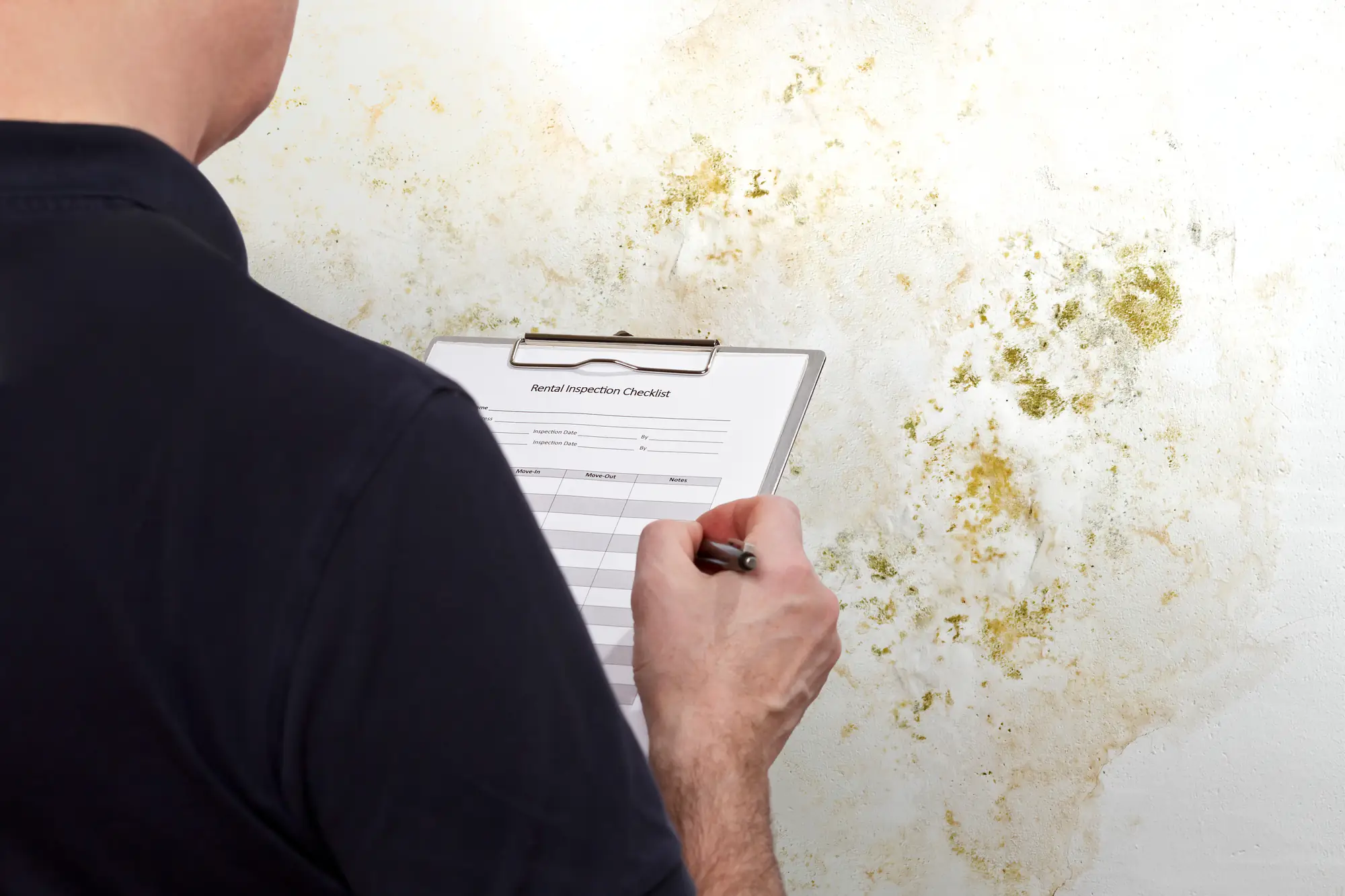
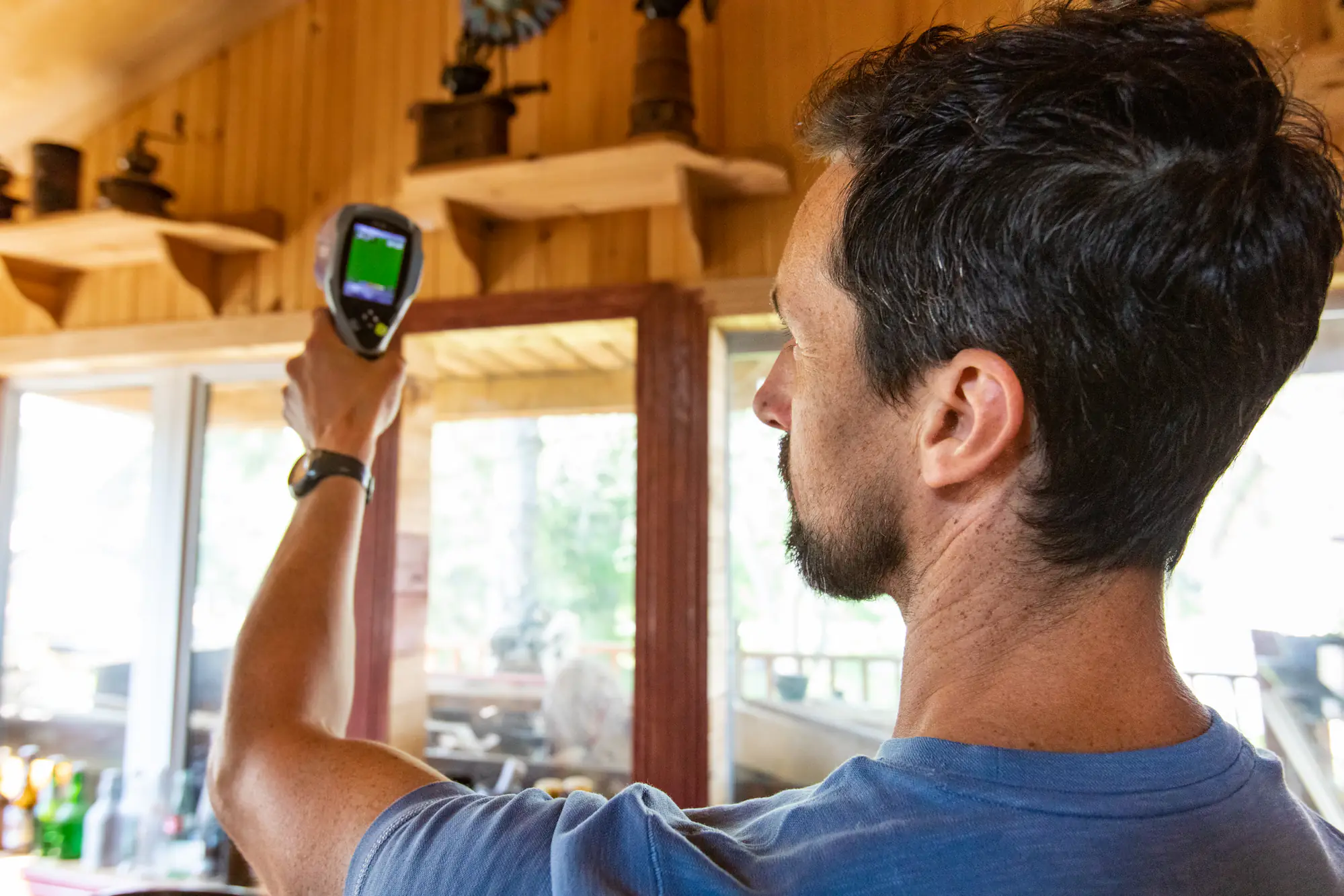
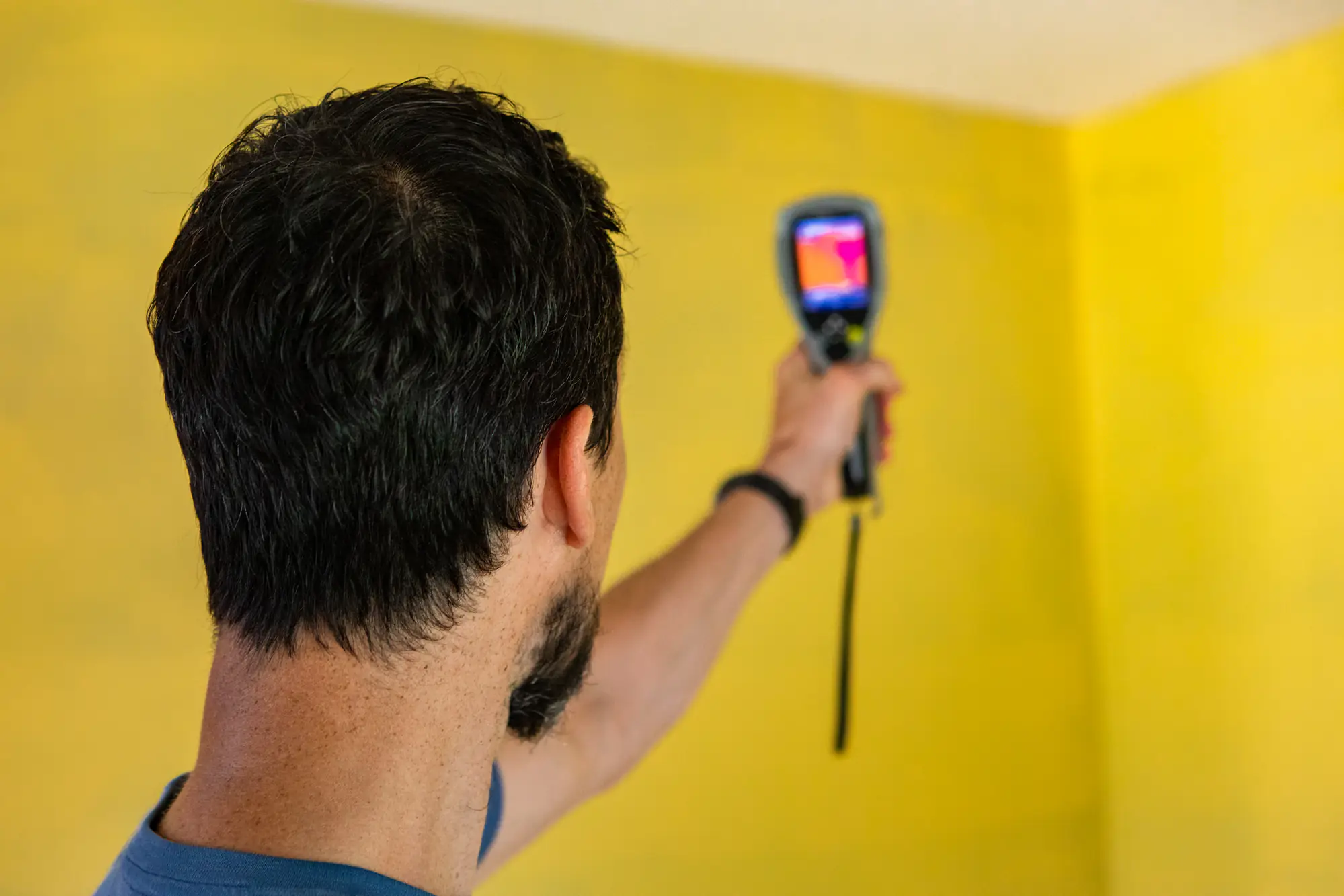
We start with a visual inspection of your property—attics, basements, crawl spaces, bathrooms, anywhere moisture tends to collect. We use thermal imaging cameras to detect temperature differences that signal hidden moisture behind walls or under floors. We take moisture readings with calibrated meters to measure humidity levels in materials.
Then we collect samples. Air sampling captures airborne spores even when there’s no visible growth. Surface sampling tests suspicious spots you can see. We document everything with photographs and detailed notes about where each sample came from.
Samples go to an independent lab that uses EPA-certified methodology to identify species and measure concentration levels. Results typically come back within three to five business days. You get a full report with lab findings, photos, moisture readings, and our professional interpretation of what it all means.
If mold is present, the report tells you what type, where it’s concentrated, and what conditions are feeding it. If it’s not present, you have documentation proving your home’s air quality is clean—useful for buyers, tenants, or your own peace of mind.
Ready to get started?
Every mold inspection includes thermal imaging, moisture readings, air and surface sampling, laboratory analysis, and a written report with photographs. You’re not paying for someone to look around and guess. You’re paying for equipment that detects what you can’t see and lab work that identifies what you’re dealing with.
Bucks County’s climate—humid summers, temperature swings, older homes with settling foundations—creates conditions where mold testing catches problems early. A small leak behind a washing machine can turn into a $15,000 remediation job if it spreads through drywall and insulation. Catching it at 10 square feet instead of 100 square feet saves you money.
The report you receive meets Pennsylvania Department of Health standards and insurance company requirements. If you’re buying or selling a home in Bucktoe, it provides the documentation you need for disclosure. If you’re a landlord dealing with tenant complaints, it gives you objective evidence about whether there’s actually a problem. If you’re experiencing unexplained respiratory symptoms, it tells you whether mold is the cause.
We also check for the moisture source feeding the growth—because removing mold without fixing the leak or humidity problem means it’s coming back.
Most residential mold testing runs between $300 and $600 depending on your home’s size and how many samples we need to collect. A 1,200-square-foot home with one suspected area costs less than a 3,000-square-foot property where we’re testing multiple rooms.
That price includes the inspection, thermal imaging, moisture readings, sample collection, lab analysis, and a written report. Some companies charge separately for each service. We don’t.
If you’re comparing prices, make sure you’re comparing the same scope of work. A “mold inspection” without lab testing is just a visual assessment—it can’t tell you what species you’re dealing with or whether airborne spores are present when there’s no visible growth. A black mold test that only swabs one spot won’t catch colonies growing in other areas. You want comprehensive testing that gives you the full picture.
You need testing if you see visible mold growth larger than 10 square feet, smell persistent musty odors you can’t locate, have unexplained respiratory symptoms that improve when you leave the house, experienced water damage from a leak or flood, or you’re buying or selling a home and want documentation.
You also need it if you’ve had mold removed before and want to verify the problem is actually gone. Remediation companies can clean what’s visible, but air sampling is the only way to confirm spore counts dropped to normal levels.
DIY test kits from hardware stores aren’t reliable. They can’t tell you concentration levels or identify specific species. They often produce false positives because mold spores exist everywhere—what matters is the type and amount. Professional testing uses calibrated equipment and certified lab analysis that meets industry standards. That’s what insurance companies and real estate transactions require.
Bucks County homes typically deal with Cladosporium, Penicillium, Aspergillus, and Stachybotrys (black mold). Cladosporium grows on wood and fabric in damp areas. Penicillium shows up on water-damaged materials and spreads quickly. Aspergillus thrives in dust and HVAC systems. Stachybotrys needs constant moisture and produces mycotoxins that cause serious health reactions.
All of them trigger allergic reactions—sneezing, coughing, eye irritation, skin rashes. Long-term exposure can cause chronic respiratory problems, especially in children and people with asthma. Black mold gets the most attention because it’s toxic, but any mold growing indoors is a problem worth addressing.
Lab testing identifies which species you’re dealing with so you know what you’re up against. Different types require different remediation approaches. Surface cleaning might handle Cladosporium on bathroom tile, but Stachybotrys behind drywall needs professional removal with containment barriers and air filtration. Testing tells you which situation you’re in.
The on-site inspection usually takes 60 to 90 minutes depending on your home’s size and how many areas we’re testing. We’re thorough but efficient—we’re not going to waste your afternoon.
Lab results come back in three to five business days. The lab needs time to culture samples and identify species under microscopy. Some companies promise same-day results, but that’s not how accurate testing works. Proper analysis takes time.
You’ll receive a complete report with lab findings, photographs, moisture readings, and our interpretation of what it means. If you need results faster for a real estate closing or insurance deadline, let us know upfront—we can sometimes expedite lab processing for an additional fee. But standard turnaround is under a week from the day we collect samples.
Yes. Mold testing doesn’t disturb anything or release spores into the air. We’re collecting samples, not removing material. You don’t need to leave during the inspection, and there’s no reason to vacate afterward.
That’s different from mold remediation, which involves tearing out contaminated materials and using air scrubbers to filter spores. Remediation requires containment barriers and sometimes temporary relocation depending on the extent of growth.
Testing just tells you what’s there. If the report comes back showing high spore counts or toxic species, then you’ll need to make decisions about remediation—and at that point, a qualified mold removal company can tell you whether you need to leave during the work. But the testing itself is non-invasive. We’re in and out the same day, and life goes on as normal while you wait for lab results.
It depends on your policy and what caused the mold. If mold resulted from a covered event—like a burst pipe or storm damage—many homeowners policies will cover testing and remediation. If it’s from long-term neglect, high humidity, or a maintenance issue like a slow leak you didn’t fix, most policies won’t cover it.
You’ll need to check your specific policy or call your insurance agent. Some carriers require professional testing before they’ll approve a claim. Our reports meet insurance documentation requirements, so if your claim gets approved, you’ll have what you need to move forward.
Even if insurance doesn’t cover it, testing is worth the cost. Finding a small mold problem early and fixing it yourself is cheaper than discovering a massive infestation later that requires $10,000+ in remediation. And if you’re selling your home, undisclosed mold can kill a deal or expose you to legal liability under Pennsylvania disclosure laws. Testing gives you facts so you can make informed decisions about your property and your health.
Other Services we provide in Bucktoe