

Hear from Our Customers
You’re not imagining it. That musty smell when you walk into the basement. The cough that gets better when you leave the house. The allergy symptoms that won’t quit no matter what you take.
Mold doesn’t always show itself. It grows behind walls, under flooring, inside HVAC ducts. You can smell it, feel it in your lungs, but you can’t see where it’s coming from.
That’s where testing comes in. Not a $10 kit from the hardware store that tells you mold exists somewhere (spoiler: it always does). Real testing with professional equipment that tells you what type of mold you’re dealing with, how much of it there is, and exactly where it’s concentrated.
You get documentation. Real numbers. A clear picture of whether you have a problem that needs fixing or just normal background levels that every home has. No guessing. No wondering if you’re overreacting or if your kids are breathing something dangerous.
We’ve been working in Bucks County for over a decade. We know what Buckmanville homes deal with. The humidity that rolls in every summer. The older construction that wasn’t built with moisture barriers. The basements that stay damp no matter what you do.
We’re certified mold inspectors with the training and equipment to do this right. Thermal imaging cameras that spot moisture you can’t see. Air sampling equipment that measures spore concentration. Moisture meters that find hidden water problems before they turn into mold problems.
You’re not getting a salesperson who wants to scare you into remediation. You’re getting an honest assessment from someone who’s seen hundreds of homes and knows the difference between a real problem and a normal situation.
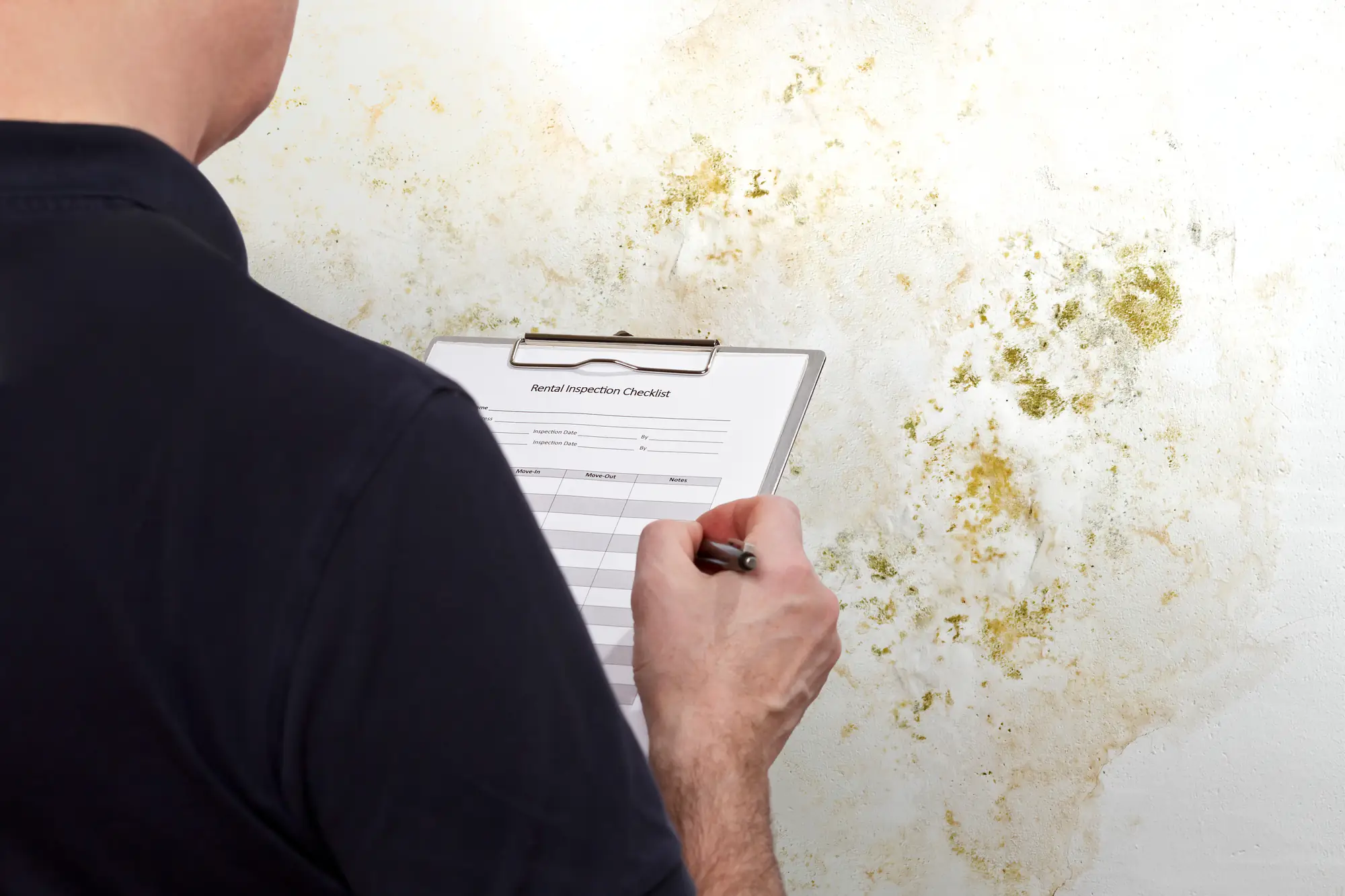
We start with a visual inspection of your entire property. That means checking the obvious spots and the ones most people miss. Crawl spaces. Attic corners. Behind water heaters. Under sinks. Anywhere moisture could be hiding.
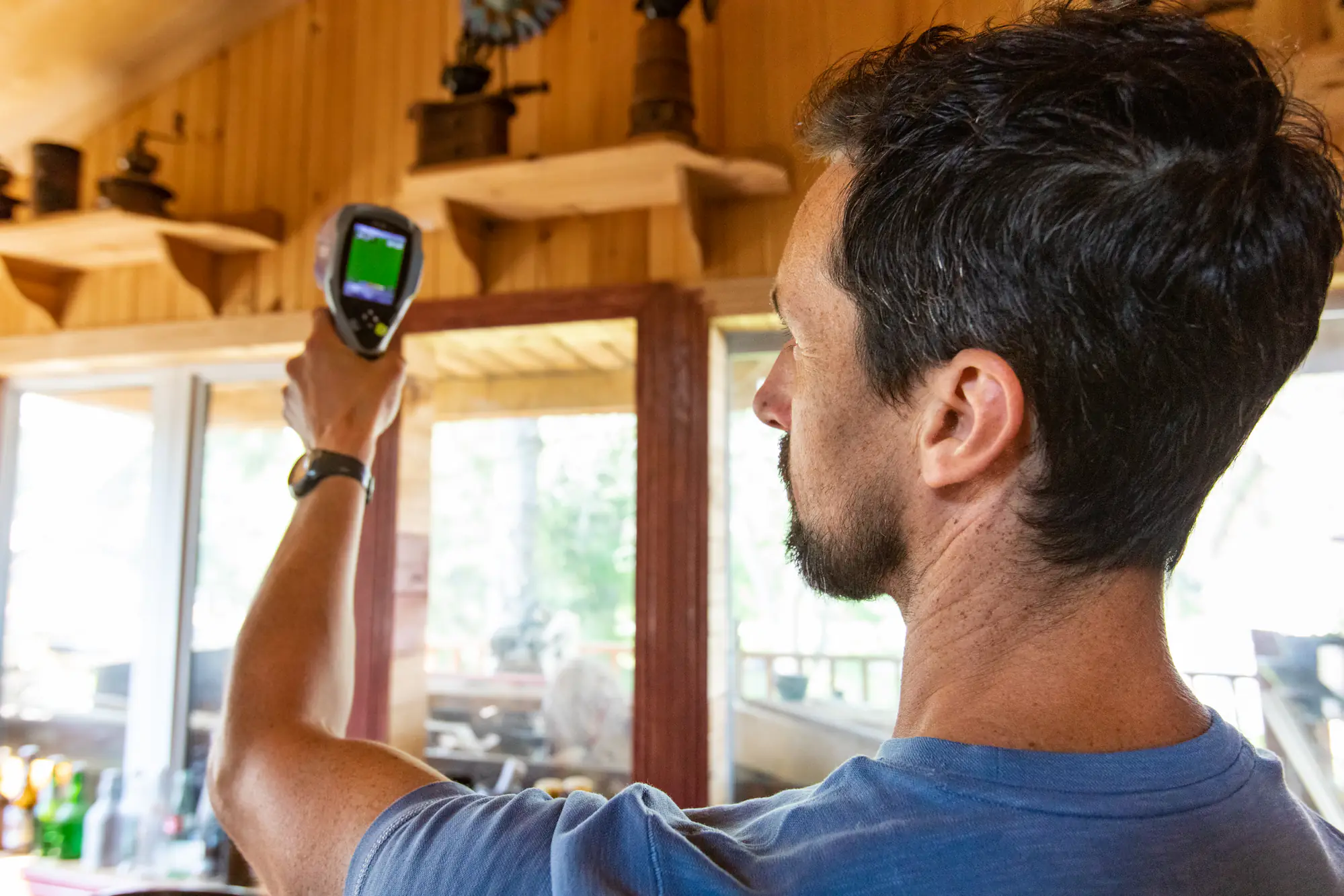
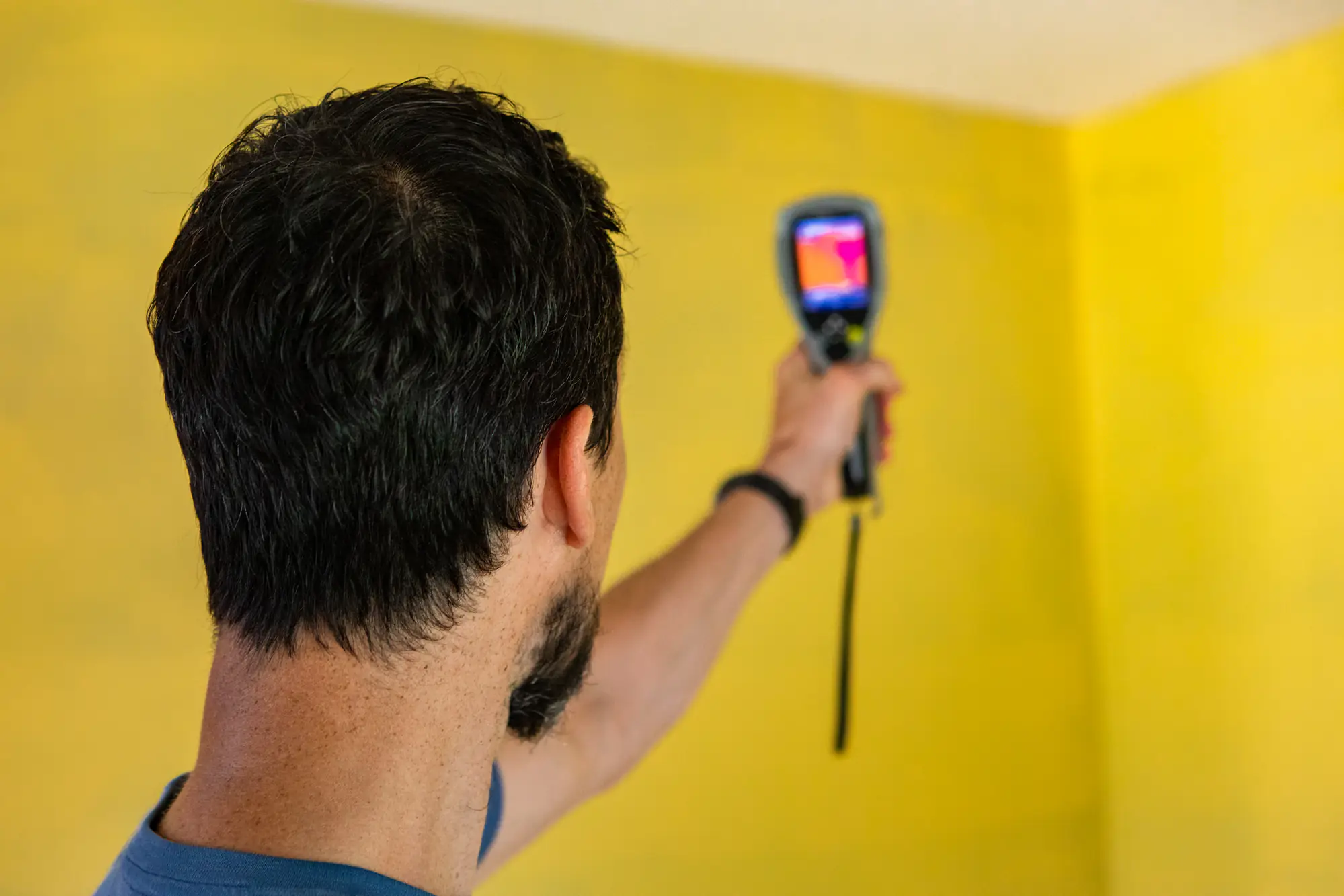
Then we use thermal imaging to map temperature differences in your walls and ceilings. Cold spots often mean moisture. Moisture means potential mold growth. We’re looking for problems before they become visible.
Air sampling comes next. We collect samples from different areas of your home and send them to a lab for analysis. The lab identifies what types of mold spores are present and at what concentration. This tells us if you’re dealing with normal background levels or something that needs attention.
Surface testing happens when we find visible growth or suspicious areas. We take samples to identify the specific mold species. Some molds are mostly annoying. Others produce mycotoxins that can cause serious health issues. You need to know which one you’re dealing with.
You get a detailed report within a few days. It breaks down everything we found, what it means, and what you should do about it. If there’s a problem, we’ll tell you. If there isn’t, we’ll tell you that too.
Ready to get started?
Every mold test includes a complete property inspection. We’re not just testing one room. We’re checking your entire home for moisture issues, ventilation problems, and areas where mold is likely to grow.
You get air quality testing in multiple locations. We sample air from problem areas and compare it to outdoor air. This tells us if your indoor air has elevated mold spore levels. The lab analysis identifies specific mold types and gives you actual numbers, not vague results.
Moisture mapping is part of every inspection. We use professional-grade meters to measure moisture levels in walls, floors, and ceilings. High moisture readings tell us where mold is likely growing even if we can’t see it yet.
Buckmanville’s climate makes this especially important. The humid summers here create perfect conditions for mold growth. Homes built before modern moisture barriers are even more vulnerable. Basements stay damp. Attics trap heat and humidity. Without proper testing, you’re guessing about what’s happening inside your walls.
The report you receive isn’t written in technical jargon. It’s clear, specific, and tells you exactly what action to take. If remediation is needed, we’ll explain why and what it involves. If your home is fine, you’ll have documentation proving it.
You need testing if you’re experiencing health symptoms that improve when you leave the house. Respiratory issues, headaches, persistent coughing, or allergy symptoms that won’t go away are red flags. These often indicate elevated mold spore levels in your indoor air.
You also need testing after any water damage. Even if you dried everything out, mold can start growing within 24-48 hours. It might be growing inside walls or under flooring where you can’t see it. Testing confirms whether the moisture problem turned into a mold problem.
If you smell musty odors but can’t find the source, that’s another clear sign. Mold has a distinct smell. If you’re smelling it, it’s growing somewhere. Professional testing with thermal imaging and moisture meters finds hidden growth that you’d never locate on your own.
Real estate transactions are another common reason. If you’re buying a home in Buckmanville, testing before you close protects you from inheriting someone else’s mold problem. If you’re selling, testing gives you documentation that your home is clean.
DIY kits will always show mold growth. Every home has mold spores in the air. That’s normal. The kit can’t tell you if you have dangerous levels or just background amounts that exist everywhere.
These kits also can’t identify mold species. Some molds are relatively harmless. Others produce mycotoxins that cause serious health problems. Without lab analysis, you have no idea what you’re dealing with. You’re left guessing whether you need to take action or if you’re panicking over nothing.
Professional testing measures concentration levels. We’re not just checking if mold exists. We’re measuring how much is present compared to outdoor air and normal indoor levels. That’s the information you actually need to make decisions.
Consumer Reports rates DIY mold kits as “Not Recommended” for good reason. They create anxiety without providing useful information. You end up spending money on a test that doesn’t answer your real questions. Professional testing costs more upfront but gives you actual answers and documentation you can use.
The on-site inspection typically takes two to three hours depending on your home’s size. We’re doing a thorough visual inspection, taking air samples, checking moisture levels, and using thermal imaging to map your property. Rushing through this defeats the purpose.
Air samples go to an independent lab for analysis. Lab results usually come back within three to five business days. The lab is identifying specific mold species and measuring spore concentrations. This takes time to do accurately.
You’ll receive a detailed written report once we have the lab results. The report breaks down what we found, where we found it, what types of mold are present, and whether the concentration levels are concerning. It includes specific recommendations for remediation if needed.
If we find visible mold growth during the inspection, we can often identify it on-site and give you preliminary information the same day. But the air sample analysis still goes to the lab for confirmation and detailed species identification. You want accurate information, not quick guesses.
We test for all common indoor molds. That includes Aspergillus, Penicillium, Cladosporium, Alternaria, and Stachybotrys (the one people call “black mold”). The lab analysis identifies which species are present in your home and at what levels.
Different molds cause different problems. Stachybotrys produces mycotoxins that can cause serious respiratory issues and other health problems. Aspergillus can trigger severe allergic reactions and asthma attacks in sensitive people. Penicillium is common but can still cause allergy symptoms at high concentrations.
The lab doesn’t just tell you mold is present. It identifies the specific species and measures how many spores per cubic meter of air. This matters because some molds are more dangerous than others. Treatment recommendations depend on what type you’re dealing with.
Outdoor air always contains mold spores. That’s normal and unavoidable. We compare your indoor levels to outdoor levels. If your indoor concentration is significantly higher, that indicates active growth inside your home. That’s when you need remediation.
Most testing is completely non-invasive. Visual inspection, thermal imaging, and air sampling don’t require cutting into walls or damaging anything. We’re using cameras and sensors to detect problems without creating holes or mess.
Moisture meters involve pressing a sensor against surfaces to measure moisture content. This doesn’t damage drywall, wood, or other materials. The sensor reads moisture levels without penetrating the surface.
Surface sampling might involve taking a small tape lift or swab from an area where we see visible growth. This removes a tiny amount of material for lab analysis. It’s not noticeable and doesn’t require repair.
In rare cases where we detect moisture inside a wall but can’t confirm mold without looking, we might recommend a small inspection hole. We’d discuss this with you first. It’s only necessary when thermal imaging and moisture readings indicate a serious hidden problem. Even then, the hole is small and easy to patch. Finding hidden mold growth is worth a minor repair.
Professional mold testing typically ranges from $300 to $600 for a standard residential property. The exact cost depends on your home’s size, how many air samples we need to collect, and whether we’re testing specific problem areas or doing a whole-house assessment.
A basic inspection with two to three air samples covers most situations. If you have a larger home or multiple areas of concern, additional samples increase the cost. Each air sample requires lab analysis, which is where most of the expense comes from.
This isn’t cheap compared to a DIY kit. But you’re getting professional equipment, certified inspection, independent lab analysis, and a detailed report you can actually use. You’re paying for accurate information that helps you make informed decisions about your property and your family’s health.
Many homeowners try to save money with cheap alternatives and end up spending more later. They either panic over normal mold levels and pay for unnecessary remediation, or they miss a real problem that gets worse and more expensive to fix. Professional testing done right the first time saves money in the long run.
If you’re buying or selling a home, testing costs are minimal compared to the property value. Finding a mold problem before closing protects you from a massive unexpected expense. Documentation showing your home is clean removes buyer concerns and helps transactions move forward.
Other Services we provide in Buckmanville