

Hear from Our Customers
You can’t fix what you can’t see. That musty smell in the basement, the allergies that won’t quit, the water damage from last winter—they’re all clues, but they don’t tell you where the mold is, how much there is, or what type you’re dealing with.
Professional mold testing gives you the full picture. We use thermal imaging and moisture mapping to find mold hiding in walls, under floors, and inside HVAC systems. Air sampling catches spores you’re breathing but can’t see. Every sample goes to an independent lab, so you get unbiased results—not a sales pitch.
Once you know what’s there, you can make the right call. Maybe it’s a small fix. Maybe it’s bigger. Either way, you’re not guessing, and you’re not paying to remediate mold that isn’t actually there.
We’ve been helping Buckingham homeowners deal with mold for years. We’re certified, we’re local, and we’re not trying to upsell you on remediation you don’t need.
Buckingham’s older homes and Pennsylvania’s humid summers create perfect conditions for mold growth. We’ve seen it in crawl spaces after spring flooding, behind drywall from roof leaks, and in basements that never quite dry out. We know what to look for because we’ve been doing this long enough to recognize the patterns.
You’ll work with our trained inspectors who use calibrated equipment daily. No shortcuts, no conflicts of interest—just accurate testing and straight answers.
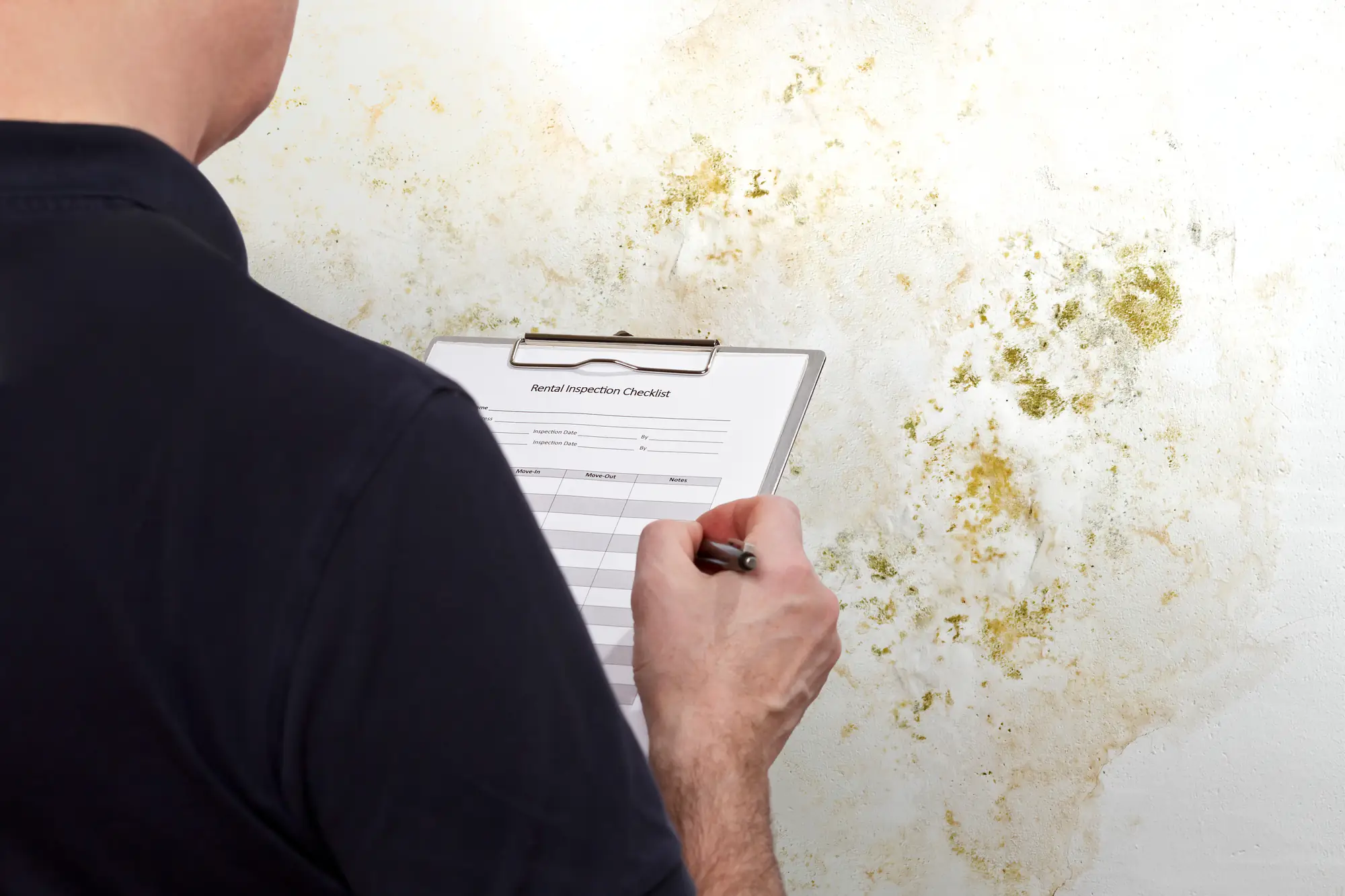
First, we walk through your property and talk about what you’ve noticed—smells, visible growth, health symptoms, past water damage. That conversation helps us figure out where to focus.
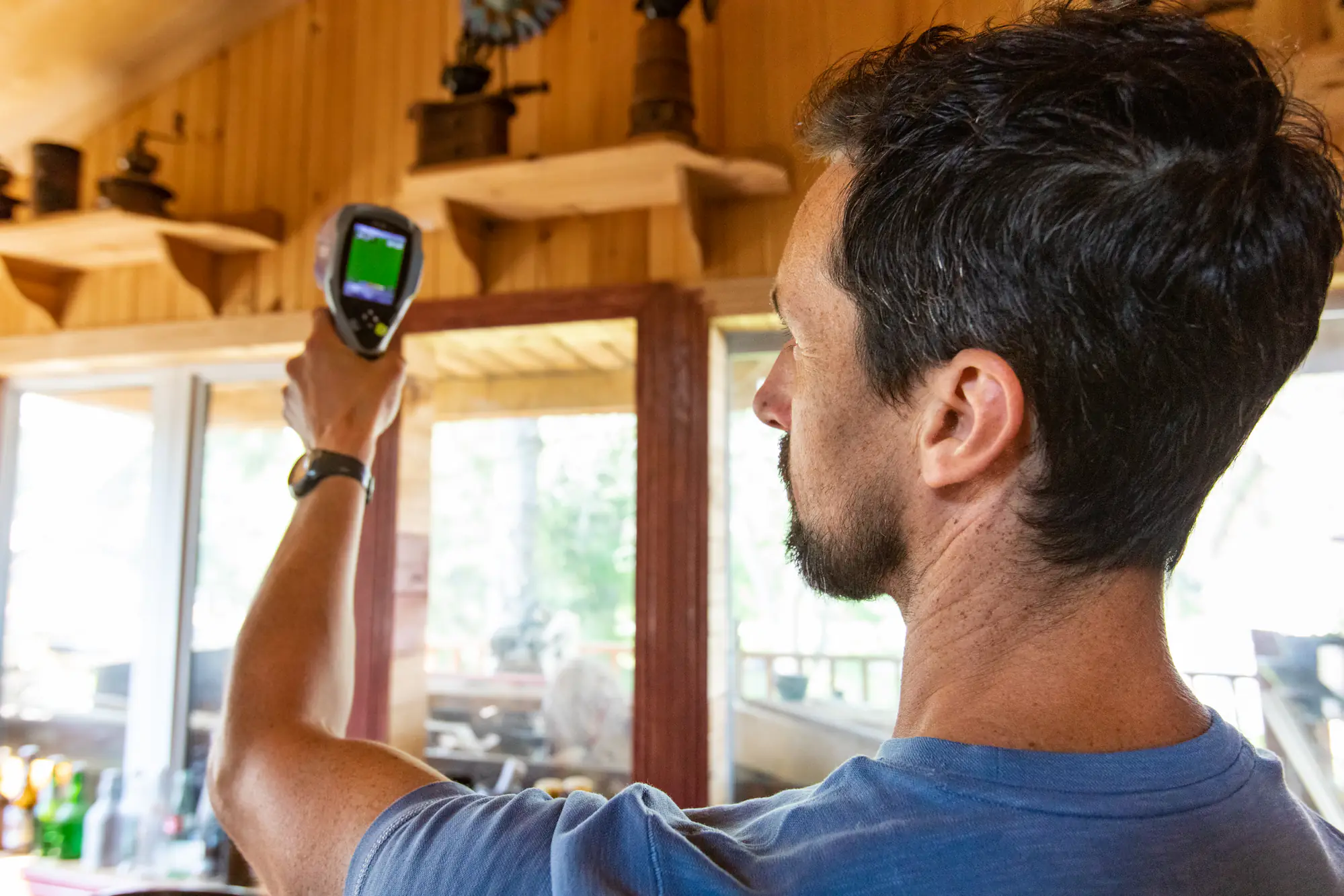
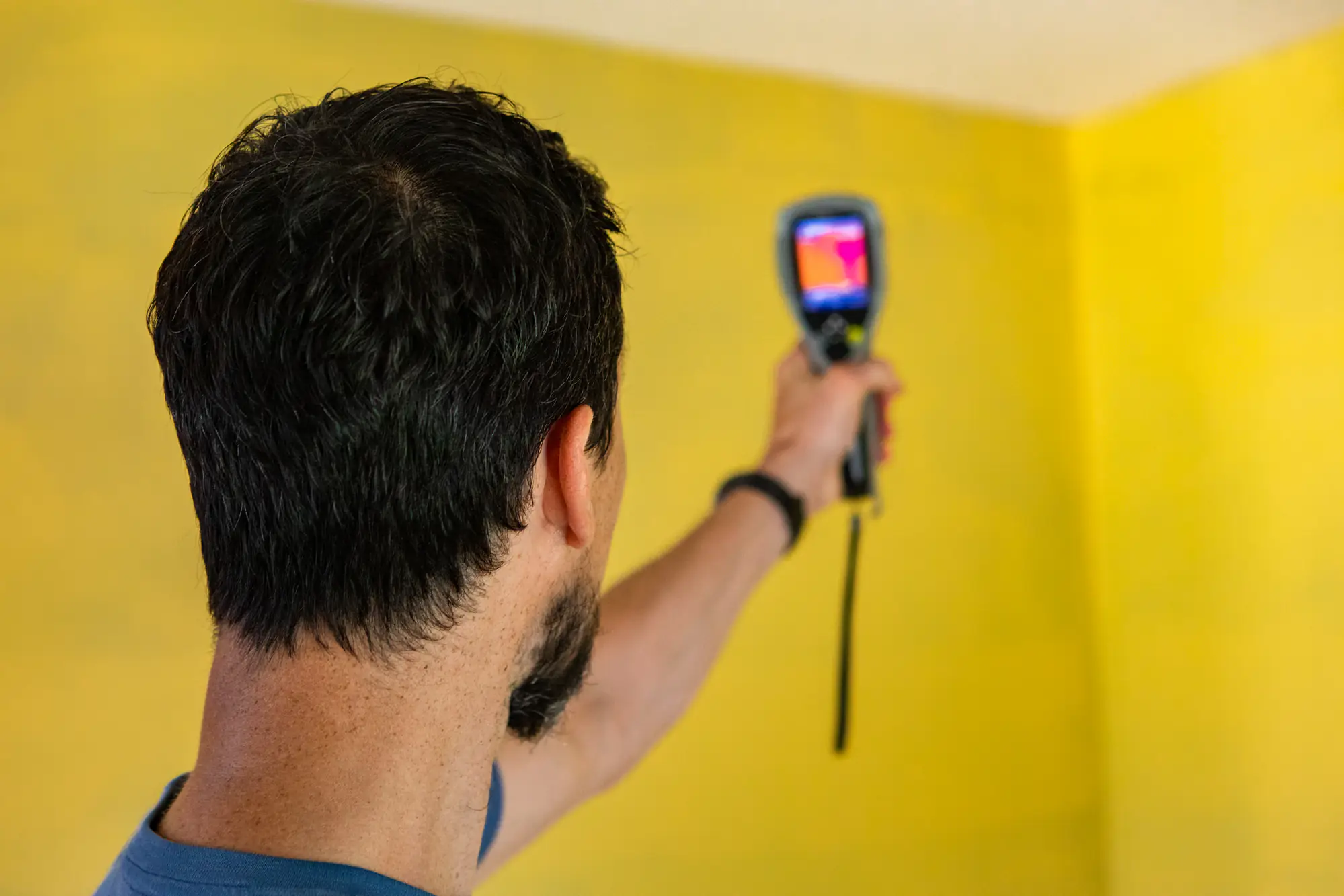
Then we start testing. We use thermal cameras to spot temperature differences that indicate moisture. Moisture meters confirm where water is hiding. Air sampling captures mold spores in the air you’re breathing. Surface samples check visible growth or suspicious areas.
Every sample gets labeled, logged, and sent to an independent third-party lab. They analyze spore counts and identify mold types. You get a detailed report that breaks down what’s in your home and where the problems are.
After that, we review the results with you. If remediation is needed, we’ll explain what that looks like. If it’s minor, we’ll tell you that too. You decide what happens next.
Ready to get started?
You’re not just paying for someone to show up with a kit. You’re getting a full assessment using technology most DIY tests can’t touch.
We bring thermal imaging cameras, calibrated moisture meters, and air sampling equipment. We check attics, basements, crawl spaces, bathrooms, and anywhere else moisture tends to collect. In Buckingham, that often means older homes with stone foundations, properties near creeks, or houses that have dealt with ice damming in winter.
All samples go to a nationally recognized lab. You’ll receive a report showing mold spore counts, types of mold present, and where contamination is concentrated. That report gives you leverage if you’re selling a home, negotiating with insurance, or just trying to figure out if your kid’s asthma is related to what’s growing in the walls.
We also explain what the results mean in plain language. Lab reports can be confusing. We make sure you understand what you’re looking at and what your options are.
Most residential mold testing in Buckingham runs between $300 and $650, depending on the size of your home and how many samples we need to collect. If you’ve got a smaller area of concern—like one bathroom or a basement corner—it’ll be on the lower end. Larger homes or properties with multiple problem areas cost more because we’re collecting more samples and spending more time on-site.
That price includes the inspection, lab analysis, and a full report. Some companies charge extra for things like moisture mapping or thermal imaging. We include that as part of the service because it’s necessary to do the job right.
If you’re comparing quotes, make sure you’re comparing the same scope of work. A cheap test that only checks one room or uses a basic swab kit isn’t the same as a full property assessment with air sampling and independent lab results.
An inspection is the visual walkthrough. We’re looking for visible mold, checking for moisture problems, and identifying conditions that could lead to mold growth. It’s about understanding the environment and finding the obvious issues.
Testing goes deeper. We collect air samples, surface samples, or both, and send them to a lab for analysis. Testing tells you what type of mold is present, how much of it there is, and whether spores are circulating through your air. You can’t see that stuff with your eyes.
Most people need both. The inspection shows us where to test, and the testing confirms what’s actually there. If you’re dealing with health symptoms, buying or selling a home, or trying to verify that remediation worked, testing gives you the documentation you need. If you just want to know whether that spot on the wall is mold or dirt, sometimes an inspection is enough.
You can, but you’re probably not going to get useful information. Most DIY kits test one small area or collect a single air sample. Mold doesn’t grow evenly. You might test a clean spot and miss the contamination two feet away.
DIY kits also don’t come with the context you need to interpret results. Let’s say your kit comes back positive for mold. Okay—but what kind? How much? Is it a problem, or is it just normal background spores that exist in every home? You won’t know, and the kit won’t tell you.
Professional testing uses calibrated equipment, multiple sample points, and independent lab analysis. We’re trained to know where mold hides in Buckingham homes—behind old plaster walls, under hardwood floors, inside HVAC ducts. We’re not guessing. If you’re trying to make a real decision about your health or your property, a $10 kit from the hardware store isn’t going to cut it.
The on-site inspection usually takes one to three hours, depending on the size of your home and how many areas we’re testing. We’re thorough, but we’re not wasting time. We move through the property systematically, checking moisture levels, taking samples, and documenting everything.
Lab results typically come back within three to five business days. Some labs offer rush services if you’re in a time crunch—like if you’re in the middle of a real estate transaction or dealing with a health emergency.
Once we get the results, we’ll schedule a follow-up call or meeting to go over the report with you. That conversation usually takes 20 to 30 minutes. We’ll explain what the lab found, answer your questions, and talk through next steps if remediation is needed. You’re not left hanging with a confusing report and no guidance.
In Buckingham, we see a lot of the usual suspects: Aspergillus, Penicillium, Cladosporium, and occasionally Stachybotrys—the one people call black mold. Pennsylvania’s humid summers and older housing stock create ideal conditions for all of them.
Aspergillus and Penicillium tend to show up in damp basements, bathrooms, and areas with poor ventilation. Cladosporium likes cooler spots and often grows on wood surfaces or inside HVAC systems. Stachybotrys needs serious moisture—think prolonged water damage, leaks that went unnoticed, or flooding that wasn’t dried out properly.
Not all mold is dangerous, but all mold is a sign of a moisture problem. Even “harmless” mold can trigger allergies, asthma, and respiratory issues, especially in kids and older adults. The type of mold matters for remediation, but the bigger issue is figuring out why it’s growing in the first place. That’s what testing helps us determine.
If you can see mold, you know you have a problem—but you don’t know how big it is. Visible mold is often just the surface. There could be more behind the drywall, under the flooring, or spreading through your ventilation system.
Testing helps map the full extent of contamination. It also identifies whether airborne spores are circulating through your home, which matters if anyone in your household is experiencing health symptoms. You might see a small patch in the bathroom but not realize spores are traveling to bedrooms and living areas.
Testing also gives you a baseline if you’re planning remediation. After the work is done, post-remediation testing confirms that spore levels are back to normal. Without that, you’re taking the contractor’s word for it. If you’re dealing with insurance claims or selling your home, documented test results carry a lot more weight than photos of a cleaned wall.
Other Services we provide in Buckingham