
Hear from Our Customers
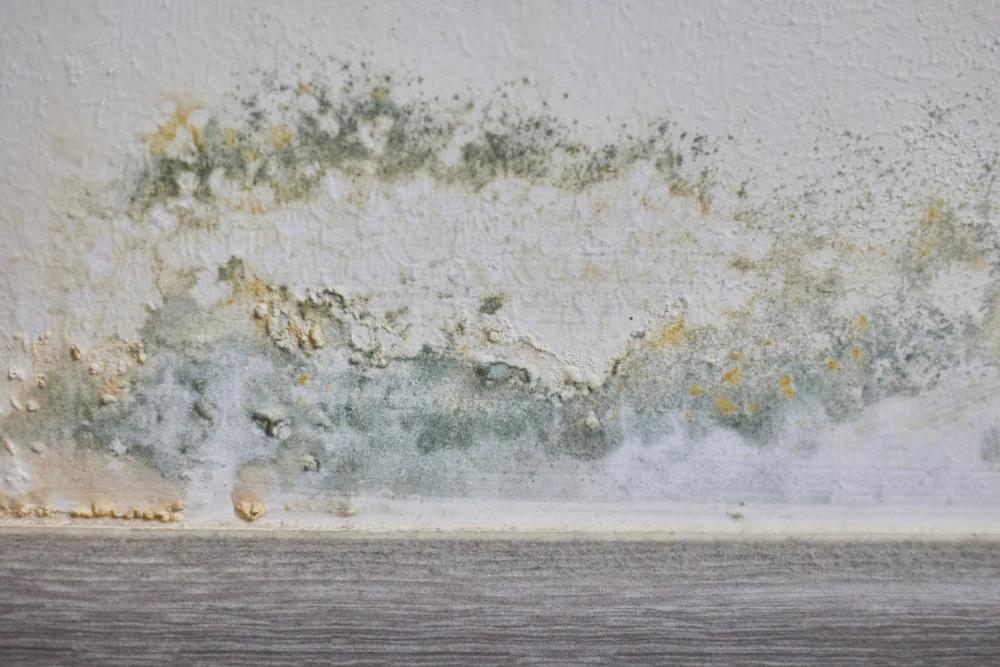
Mold mitigation isn’t just about scrubbing visible spots off your walls. It’s about finding where the moisture is coming from, stopping it, and removing contamination you can’t even see.
When we’re done, you’re not wondering if it’s going to come back in three weeks. You’re not second-guessing whether your kids’ cough is from something in the air. You’re breathing easier—literally and mentally.
The difference between surface cleaning and real mitigation is whether the problem actually goes away. We use moisture meters, infrared cameras, and containment systems to address what’s behind the drywall, under the flooring, and in your HVAC. You get documentation, follow-up testing, and a home that’s actually safe again.
We’ve been handling mold problems across Bucks County for years. We’re not a general restoration company that does mold on the side—this is what we do.
Buckingham homes deal with humidity, older construction, and seasonal temperature swings that create perfect conditions for mold growth. We’ve seen it in crawl spaces, attics, behind shower tiles, and inside wall cavities after slow leaks went unnoticed. Every job teaches us something, and we bring that experience to your property.
Our team is certified, our equipment is professional-grade, and our process follows Pennsylvania regulations. We work with your insurance company when coverage applies, and we’re available 24/7 when the situation can’t wait until Monday.
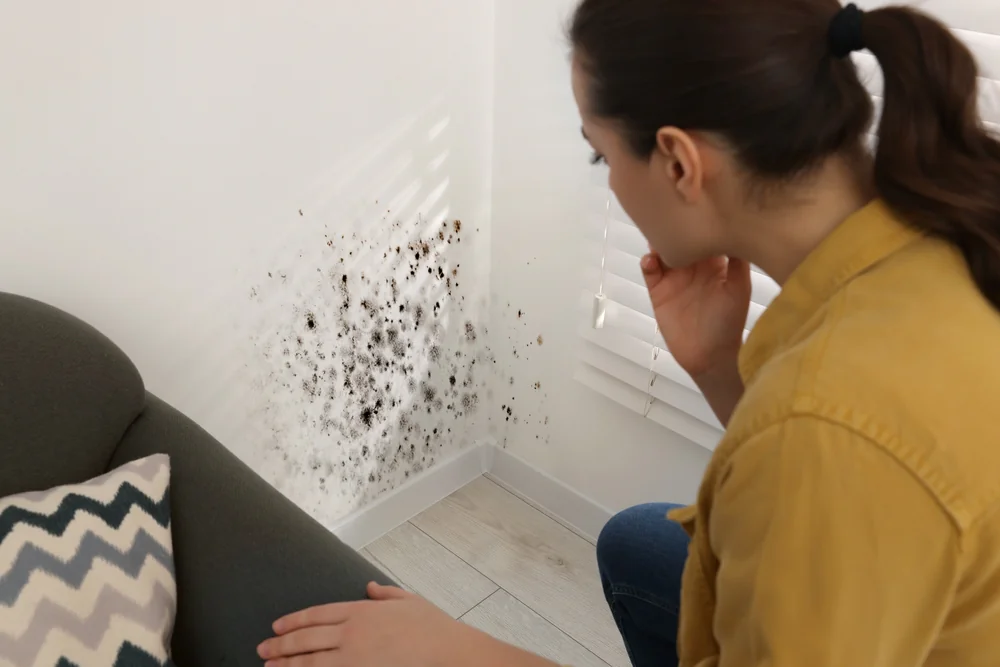
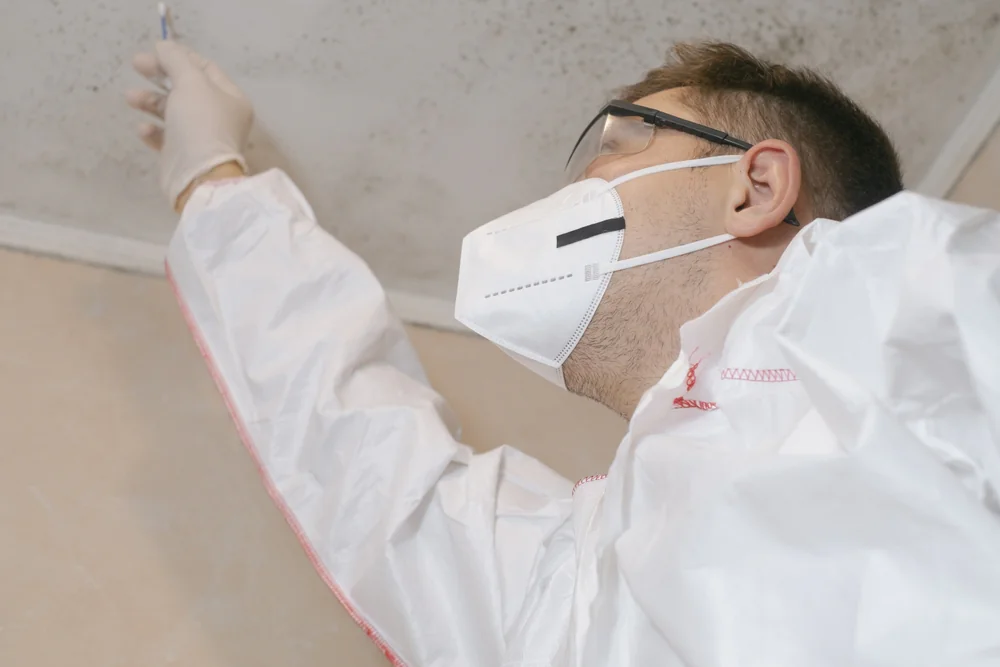
First, we inspect your property at no cost. We’re looking for visible mold, moisture sources, and hidden contamination using thermal imaging and moisture detection tools. You’ll know what you’re dealing with before any work starts.
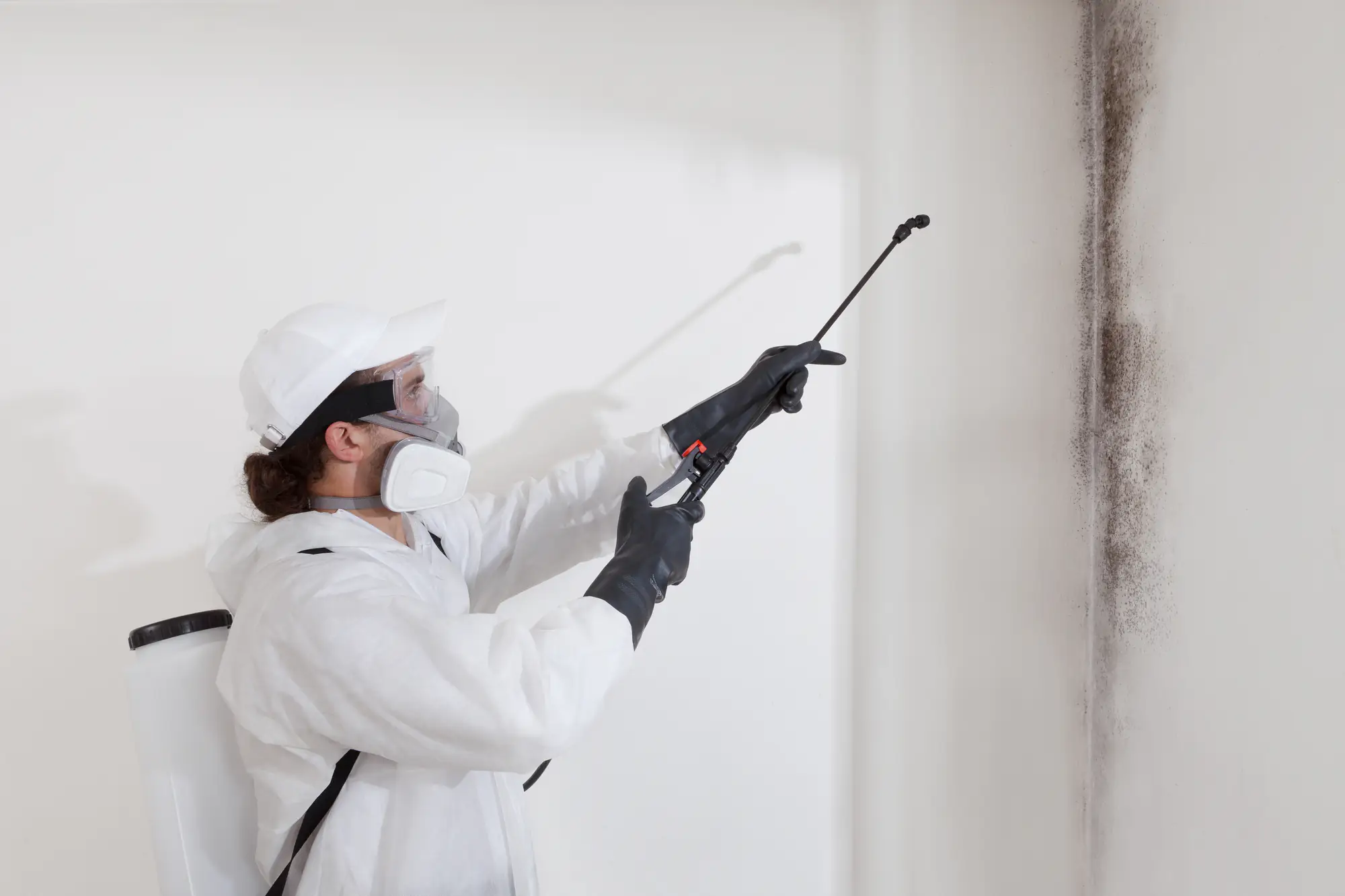
Next, we contain the affected area with physical barriers and negative air pressure systems. This keeps mold spores from spreading to clean areas while we work. Then we remove contaminated materials, treat surfaces, and run HEPA air scrubbers to clean the air.
After removal, we fix the moisture problem—whether that’s a leaky pipe, poor ventilation, or water intrusion from outside. If we don’t address the source, you’ll be calling someone again in a few months. Finally, we test the air quality to confirm the mold is gone and provide documentation for your records or insurance claim.
Ready to get started?
You get a full inspection with moisture mapping and mold testing to identify the scope. We contain the work area, remove contaminated materials safely, and clean surfaces with antimicrobial treatments. HEPA vacuums and air scrubbers handle airborne spores.
We also handle the reconstruction side if drywall, insulation, or flooring needs replacing. You’re not coordinating between multiple contractors—we take it from contamination to completion.
In Bucks County, 13% of properties face severe flooding risk over the next 30 years. That means ongoing moisture threats and recurring mold potential if the root cause isn’t fixed. We address drainage issues, ventilation problems, and structural moisture entry points so you’re not just cleaning up the current problem—you’re preventing the next one.
Insurance claims assistance is included when your policy covers mold damage. We document everything, communicate directly with adjusters, and help you navigate what’s often a confusing process.
Most mold mitigation projects in Buckingham run between $1,200 and $3,750, but that range shifts based on how much area is affected and what’s causing the moisture. A small bathroom mold issue from a leaky shower pan costs less than a basement with flooding damage and contamination throughout the framing.
Severe cases—especially those involving HVAC contamination or structural damage—can reach $30,000 or more. That’s not common, but it happens when mold has been growing unnoticed for months or years.
We provide upfront pricing after the inspection so you know what you’re looking at before work begins. If insurance covers the damage, we work directly with your carrier to streamline the claim and minimize your out-of-pocket costs. Homeowners insurance often covers mold mitigation when it results from a covered peril like a burst pipe, but not when it’s from long-term neglect or maintenance issues.
Small, contained jobs—like a moldy bathroom or single wall cavity—usually take one to three days. Larger projects involving multiple rooms, crawl spaces, or attics can take a week or more, especially if we’re also handling reconstruction after removal.
The timeline depends on the extent of contamination, how long it takes materials to dry after we fix the moisture source, and whether we’re waiting on post-remediation testing before closing up walls. We don’t rush the drying process because sealing in moisture just creates another mold problem down the road.
You’ll have a clear timeline after the inspection. We know being displaced from parts of your home is disruptive, so we work efficiently without cutting corners. If it’s an emergency situation—like after a flood—we can start containment and water extraction within hours to prevent mold from taking hold in the first place.
Not if the moisture source is fixed. Mold needs water to grow, so if we eliminate the leak, condensation, or humidity problem that caused it, there’s nothing for mold to feed on.
That’s the difference between mold removal and mold mitigation. Removal is just cleaning what you can see. Mitigation addresses why it’s there and prevents recurrence. We don’t just spray bleach on your walls and call it done—we find the pipe leak, fix the ventilation issue, or redirect the water pooling against your foundation.
If moisture returns—say, from a new plumbing failure or storm damage—mold can grow again. But that’s a new problem, not the same one coming back. We provide recommendations for preventing future issues, like dehumidifier use in basements, better attic ventilation, or gutter maintenance. Following through on those steps keeps your home dry and mold-free long-term.
Not usually, but it depends on the scope of contamination and your household’s health situation. If we’re working in a contained area like a basement or single bathroom, most families stay in the home without issue. Our containment systems prevent spores from spreading to living areas.
If the contamination is extensive—throughout multiple rooms or in your HVAC system—or if anyone in your household has respiratory issues, asthma, or immune system concerns, leaving during active remediation is safer. Mold exposure affects people differently, and we’d rather you err on the side of caution.
We’ll give you a straight answer during the inspection based on what we find. There’s no one-size-fits-all rule here. Some jobs are minor enough that you won’t even notice we’re there. Others require more invasive work, dust control, and air scrubbing that makes temporary relocation the smarter move, especially if you have young children or elderly family members at home.
Sometimes. Most homeowners insurance policies in Pennsylvania cover mold mitigation if the mold resulted from a sudden, accidental event—like a burst pipe, appliance malfunction, or storm damage. They typically won’t cover mold from long-term leaks, poor maintenance, or humidity issues you should have addressed earlier.
Policy limits for mold vary widely. Some cap mold coverage at $10,000, while others offer higher limits or require separate endorsements. You’ll need to check your specific policy or have us review it with you during the claims process.
We work with insurance companies regularly and handle the documentation, photos, and communication with adjusters. That takes some of the administrative burden off your plate and helps move the claim forward faster. Even if insurance doesn’t cover the full cost, we offer flexible payment options so you can get the problem fixed now rather than waiting and watching it get worse.
Practically speaking, they’re the same thing—both terms refer to the process of removing mold contamination and fixing the conditions that allowed it to grow. The industry uses “remediation” and “mitigation” interchangeably, though “mitigation” technically emphasizes reducing the severity of the problem and preventing future growth.
What matters more than the terminology is whether the company you hire actually addresses the moisture source or just cleans visible mold. Surface cleaning without fixing leaks, ventilation, or drainage issues means you’ll see mold again within weeks or months.
Real mold mitigation—or remediation, if you prefer—includes inspection, containment, removal, air filtration, moisture correction, and post-testing. It’s a complete process, not a quick fix. When you call us, you’re getting the full process regardless of what word we use to describe it. We’re fixing the problem, not masking it temporarily.
Other Services we provide in Buckingham