
Hear from Our Customers
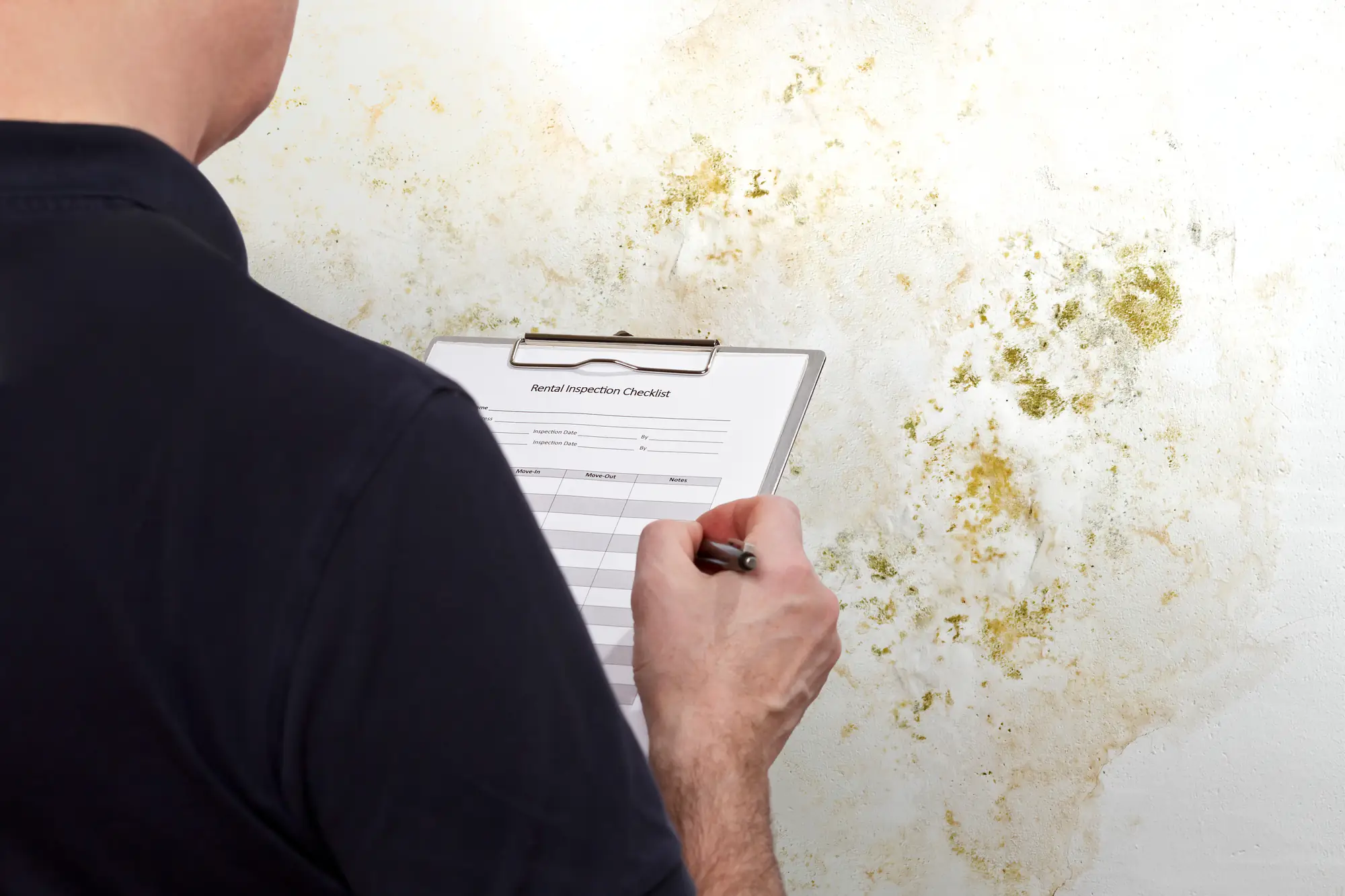
You shouldn’t have to guess whether that musty smell is just old carpet or something worse. A real mold inspection gives you clarity—where the mold is, what type it is, and what’s causing it.
That matters because mold doesn’t stay put. It spreads through spores you can’t see, settles into your HVAC system, and keeps coming back if the moisture source isn’t fixed. You might scrub visible spots off your bathroom tile, but if there’s mold growing inside your walls or under your floors, you’re just treating symptoms.
Upper Emilie’s humid summers and damp winters create perfect conditions for mold growth. Homes here deal with basement moisture, poor attic ventilation, and aging foundations that let water seep in. A proper inspection doesn’t just find mold—it finds why it’s there. That’s what stops it from coming back and costing you more down the road.
We’ve been serving Upper Emilie and Bucks County with one focus: accurate mold detection. We don’t do the cleanup work, and that’s intentional. When the same company inspects and remediates, there’s a built-in conflict of interest. Pennsylvania is tightening laws around this because it matters.
You get an unbiased assessment. We use infrared cameras, moisture meters, and air sampling to detect mold you can’t see. Then we tell you exactly what’s there and what’s causing it—no upselling, no pressure to hire us for the next step.
Our inspectors are certified, our equipment is current, and our reports hold up in real estate transactions, insurance claims, and health consultations. If you’re buying a home in Upper Emilie, dealing with unexplained allergies, or preparing to sell, you need someone who’s looking out for accuracy—not their next job.
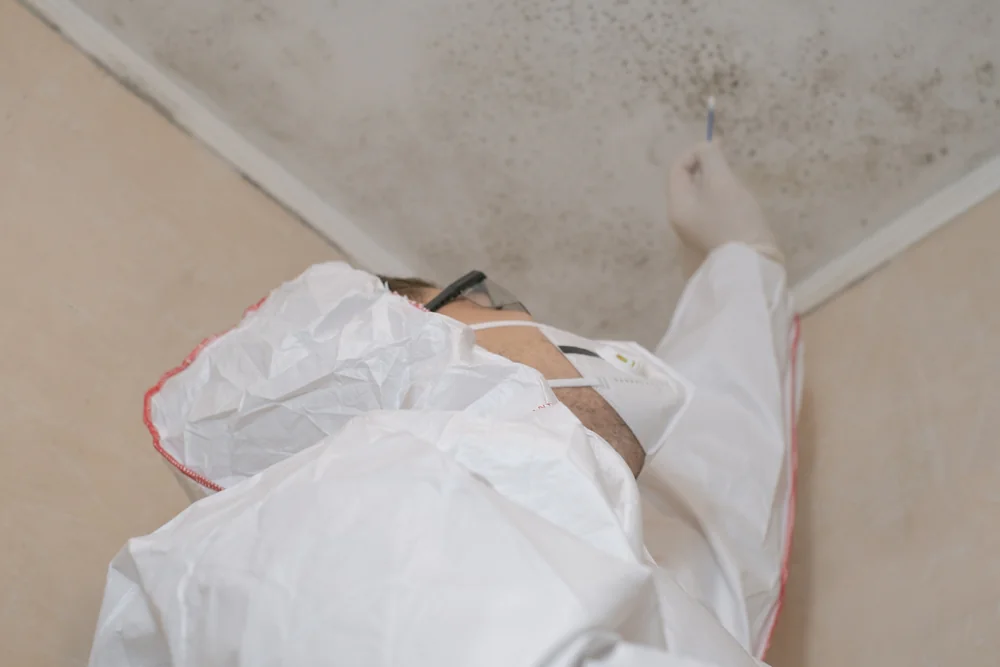
First, we walk through your home and talk. You tell us what you’ve noticed—smells, stains, health symptoms, water damage. We listen because those details guide where we look first.
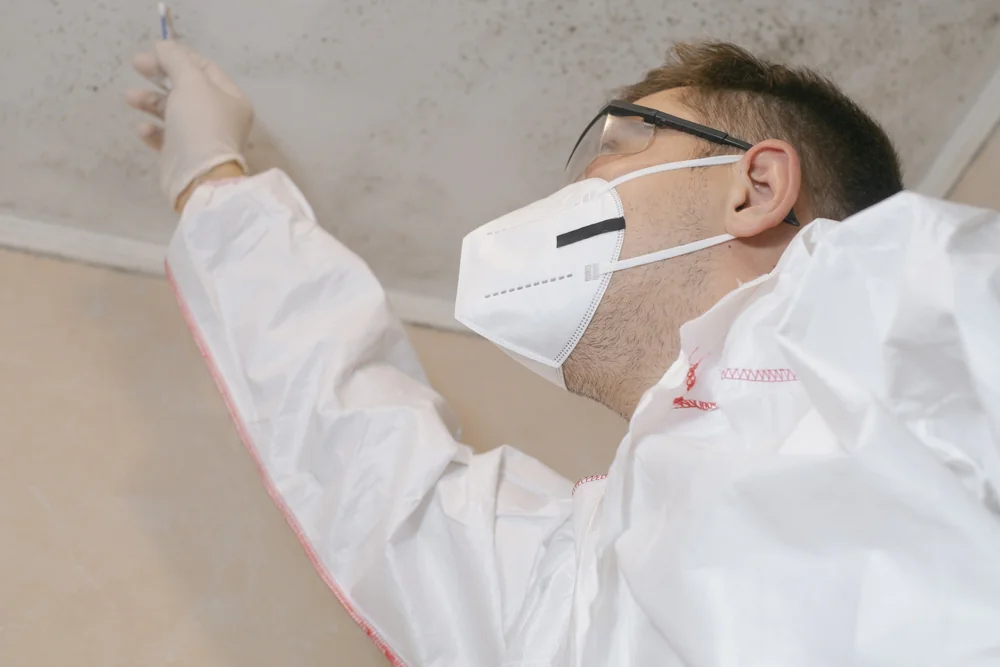
Then we inspect. We check the obvious spots like bathrooms and basements, but we also use thermal imaging to find hidden moisture behind walls, under floors, and in ceilings. Moisture is where mold grows, so finding it early is half the battle. We take air samples and surface samples if needed, then send them to a certified lab for analysis.
You get a full report within a few days. It tells you what type of mold is present, where it’s growing, and what’s feeding it—whether that’s a slow leak, condensation, or poor ventilation. We also walk you through next steps. If remediation is needed, we’ll explain what that looks like. If it’s a minor issue you can handle yourself, we’ll tell you that too.
The goal isn’t to scare you. It’s to give you real information so you can make a smart decision about your home and your health.

Ready to get started?
Every inspection includes a visual assessment of your entire home, thermal imaging to detect hidden moisture, and air quality testing to measure airborne mold spores. If we find visible mold, we take surface samples to identify the species. Some molds are harmless. Others—like black mold—produce toxins that affect your respiratory system.
Upper Emilie homes, especially older ones built before modern ventilation standards, are prone to basement dampness and attic condensation. We check those areas closely because that’s where mold hides and spreads. Crawlspaces, HVAC systems, and areas around plumbing are also high-risk zones we don’t skip.
You also get a written report that breaks down findings in plain language. It includes photos, lab results, moisture readings, and recommendations. If you’re in a real estate transaction, this report gives buyers and sellers a clear picture. If you’re dealing with health symptoms, it gives your doctor useful data. If you just want peace of mind, it gives you that too.
We don’t do free inspections because accurate testing costs money—lab fees, calibrated equipment, certified training. Companies offering free inspections usually make it back on the remediation side. We’d rather charge fairly up front and give you an honest assessment.
Most home mold inspections take between one and three hours, depending on the size of your home and how much area we need to cover. If you’ve got a smaller home with one or two areas of concern, we’re usually done in about an hour. Larger homes with basements, attics, and crawlspaces take longer—especially if we’re checking multiple moisture sources or running air samples in different rooms.
We don’t rush it. Mold hides in places you wouldn’t think to check, and missing a problem area means you’re back to square one in six months. After the inspection, lab results typically come back within three to five business days. Once we have those, we send you a full report and walk you through what we found.
If you’re on a tight timeline—like closing on a house or dealing with a health issue—let us know up front. We can prioritize lab processing and get you answers faster when it matters.
A mold inspection is the full process—visual assessment, moisture detection, air sampling, and surface sampling if needed. Mold testing refers specifically to the lab work we do on samples we collect. You can’t really have one without the other if you want accurate results.
Some companies will sell you a DIY mold test kit. You swab a surface, mail it in, and get results. The problem is you’re guessing where to test, you’re not measuring airborne spores, and you’re not identifying the moisture source. That’s like checking your tire pressure but ignoring the nail stuck in the tread.
A certified mold inspection covers the whole picture. We test the air because mold spores circulate through your HVAC system even if you don’t see visible growth. We test surfaces when we find discoloration or suspect hidden colonies. And we use moisture meters and thermal imaging to find out why mold is growing in the first place. That’s what stops it from coming back after you clean it up.
Yes, you can stay in your home during the inspection. There’s no demolition, no chemicals, and no health risk from the process itself. We’re just walking through, taking measurements, and collecting samples. Most people stick around because they want to point out problem areas and ask questions while we work.
That said, if you’ve already got a serious mold problem and you’re experiencing respiratory symptoms, headaches, or constant fatigue, you might want to limit your time indoors until you know what you’re dealing with. Mold releases spores and mycotoxins that affect your lungs and immune system—especially if it’s black mold or a large infestation.
Once we finish the inspection and send off samples, you’ll know within a few days whether you’re dealing with something minor or something that needs immediate remediation. If it’s the latter, we’ll walk you through what that looks like and whether you should stay elsewhere during cleanup. But the inspection itself? Totally safe to be home for.
A professional mold inspection in Upper Emilie typically runs between $300 and $600, depending on the size of your home and how many samples we need to collect. Smaller homes with one area of concern are on the lower end. Larger homes with basements, attics, and multiple moisture sources cost more because there’s more ground to cover and more lab work involved.
Air sampling, surface sampling, and lab analysis aren’t free. Certified inspectors use calibrated equipment and send samples to accredited labs that identify mold species and measure spore counts. That’s what makes the inspection accurate—and accuracy is what you’re paying for.
If a company offers a free mold inspection, they’re almost always the same company doing the remediation. That’s a conflict of interest. They have a financial incentive to find mold and recommend expensive cleanup whether you actually need it or not. Pennsylvania is cracking down on this practice because it’s misleading. We charge for inspections because we’re not selling you the next service. We’re giving you unbiased information so you can make the right call for your home.
If you’re buying a home in Upper Emilie or anywhere in Bucks County, a mold inspection is one of the smartest moves you can make. Standard home inspections don’t include mold testing. An inspector might notice water stains or musty smells, but they’re not testing air quality or checking behind walls. That means you could close on a house with hidden mold and not know until you’re dealing with health problems or expensive repairs.
Upper Emilie’s climate makes mold a common issue, especially in older homes with basements, crawlspaces, or outdated ventilation. Sellers aren’t always required to disclose mold unless it’s visible or they’ve had it professionally documented. A pre-purchase mold inspection gives you leverage. If we find mold, you can negotiate repairs, ask the seller to remediate, or walk away before you’re locked in.
Mold is one of the top deal-breakers in Bucks County real estate. Buyers who find out about mold after the fact feel blindsided and often back out. If you know up front, you’re in control. You can factor remediation costs into your offer or decide the house isn’t worth the risk. Either way, you’re making a decision based on facts—not surprises.
Mold grows when three things come together: moisture, warmth, and organic material like wood or drywall. Upper Emilie’s humid summers and damp winters create ideal conditions. Humidity regularly hits 70% or higher during summer months, and many homes here were built before modern ventilation and moisture control standards existed.
Basements are a major problem area. Water seeps in through foundation cracks, condensation builds up on cold walls, and poor drainage around the home funnels water toward the foundation instead of away from it. Attics are another hotspot—especially if ventilation is inadequate. Warm, moist air rises, gets trapped, and condenses on cooler surfaces. That’s how you end up with mold on roof decking even when there’s no leak.
Leaky pipes, old HVAC systems, and even everyday activities like cooking and showering add moisture to your indoor air. If that moisture doesn’t have a way out, it settles into walls, ceilings, and floors. Mold can start growing within 24 to 48 hours after water exposure. That’s why catching moisture problems early matters. A mold inspection doesn’t just find mold—it finds the source so you can fix the real problem and stop it from happening again.
Other Services we provide in Upper Emilie