

Hear from Our Customers
You probably didn’t see it coming. A musty smell after it rains. A dark spot behind the washing machine. Maybe your kid’s allergies got worse and you can’t figure out why.
Mold doesn’t announce itself. By the time you notice that patch on the wall, it’s already behind your drywall, under your floors, maybe in your HVAC system. And if you’re in an older Bucks County home, the odds are even higher—basements here weren’t built with today’s moisture barriers.
What you want is simple: clean air, a safe home, and the confidence that this problem is actually gone. Not covered up. Not temporarily scrubbed away. Gone. That’s what professional mold removal does—it finds the source, removes it completely, and keeps it from coming back. You get your space back without wondering what’s growing where you can’t see.
We work in Upper Emilie and throughout Bucks County because we know these homes. We know how spring rains test foundation weak spots. We know older basements hold moisture like a sponge. We know what happens when humidity sits in crawl spaces all summer.
We’re not a national franchise with a call center in another state. When you contact us, you’re talking to someone who’s been in your neighbor’s basement, seen the same issues, and knows how to fix them right.
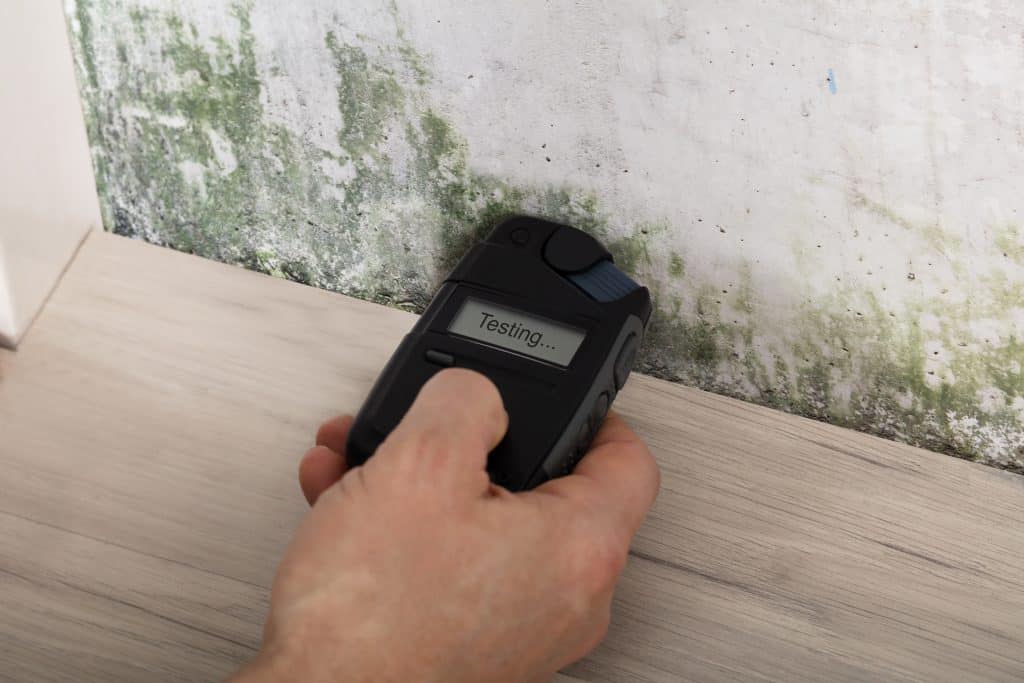
We use infrared cameras and moisture meters to find what you can’t see. We don’t guess. We test, we document, and we remove mold down to the source. Then we explain what caused it so you can prevent it from happening again.

First, we inspect your property—free of charge. We’re looking for visible mold, but also moisture patterns, ventilation issues, and hidden growth. We use thermal imaging to see inside walls and moisture meters to measure what’s actually wet, not just what looks damp.
Next, we test. Not every dark spot is toxic black mold, but you need to know what you’re dealing with. We identify the type and extent of contamination so we can build a removal plan that actually works for your situation.
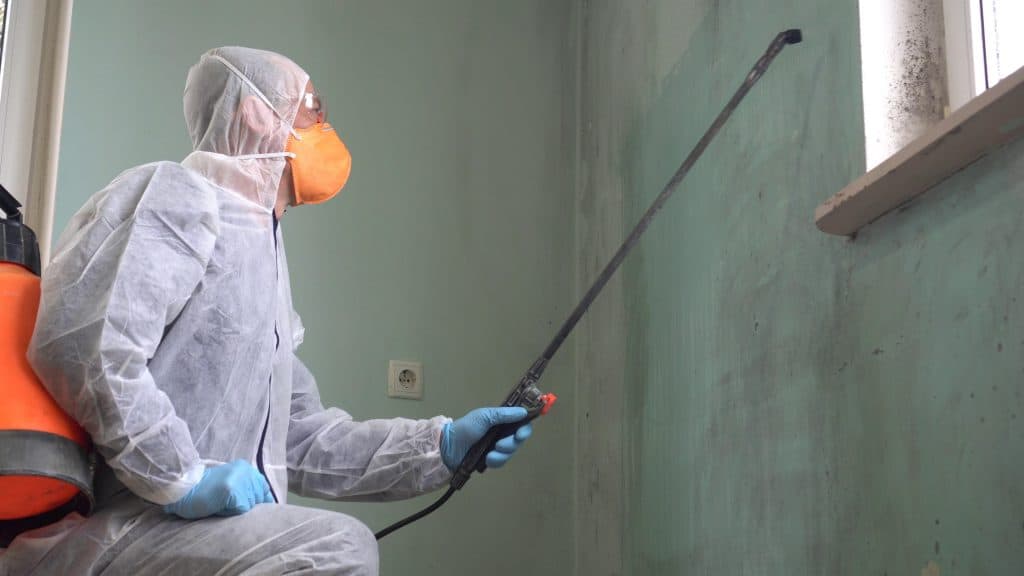
Then we remediate. That means containment, removal, air filtration, and treatment of affected materials. We don’t just spray bleach and hope. We remove contaminated drywall if needed, treat framing, clean ducts, and run HEPA filtration to pull spores out of the air. If there’s a moisture source—leaking pipe, foundation crack, poor drainage—we’ll tell you exactly what needs to be fixed so this doesn’t happen again.
You’ll know what we’re doing, why we’re doing it, and what to expect when we’re done.
Ready to get started?
You’re not just paying someone to wipe down a wall. Real mold remediation in Upper Emilie means dealing with the conditions that created the problem in the first place.
Here’s what that looks like: a full inspection with advanced detection tools, lab testing to identify mold type, containment to prevent spread during removal, safe removal of contaminated materials, HEPA air filtration, antimicrobial treatment, and a clear explanation of what caused it. If you’ve had water damage, we’ll tell you where moisture is still hiding. If your basement floods every spring, we’ll explain what’s letting water in.
Bucks County gets 49 inches of rain a year—11 more than the national average. That’s a lot of opportunity for water to find its way into your foundation, window wells, or sump pump system. Homes here, especially older ones, weren’t designed for this kind of moisture load. That’s why mold removal isn’t just about cleaning—it’s about understanding your home’s vulnerabilities and addressing them before the next storm rolls through.
In Bucks County, professional mold remediation typically costs between $1,300 and $3,700, with the average around $2,400. That’s a wide range because every situation is different.
A small patch of surface mold in a bathroom might cost $500 to treat. But if mold has spread behind drywall, into insulation, or through your HVAC system, you’re looking at a bigger job. Most estimates run about $2.50 per square foot of affected area, but that doesn’t include repairs, rebuilding, or fixing the moisture source.
The real cost comes from waiting. Mold spreads fast—within 48 hours of water exposure, it can start growing. The longer it sits, the more material gets contaminated, and the more expensive removal becomes. If you’re selling your home, undisclosed mold can kill a deal or cost you tens of thousands in renegotiation. A $2,000 problem you’re upfront about is a lot easier to manage than a $2,000 surprise during a home inspection.
If it’s a tiny spot on a non-porous surface—like a little mildew on bathroom tile—you can probably handle it yourself with the right cleaner and ventilation. But if you’re seeing mold on drywall, wood, insulation, or carpet, or if the affected area is larger than 10 square feet, you need a mold specialist.
Here’s why: what you see is rarely the whole problem. Mold grows in layers. It spreads behind walls, under flooring, and through air ducts. Scrubbing the surface doesn’t kill what’s underneath. Worse, disturbing mold without proper containment releases thousands of spores into your air, spreading contamination to other rooms.
Black mold—Stachybotrys—produces mycotoxins that can cause serious respiratory problems, especially in kids, elderly family members, or anyone with asthma or a weakened immune system. Professional mold removal means containment, HEPA filtration, safe material removal, and treatment that actually eliminates the colony. It also means identifying why the mold grew in the first place, so you’re not doing this again in six months.
Most residential mold removal jobs in Upper Emilie take between one and five days, depending on the size of the affected area and how far the mold has spread.
A small, contained area—like a bathroom or closet—might only take a day. But if mold has gotten into your basement, crawl space, or HVAC system, expect three to five days for proper remediation. That includes time for containment setup, material removal, air scrubbing, treatment, and post-remediation testing to confirm the mold is actually gone.
If there’s structural damage or you need drywall replaced, add time for repairs. And if the source of moisture hasn’t been fixed—like a leaking pipe or foundation crack—you’ll need to address that first, or the mold will just come back.
We move as fast as we can without cutting corners. Mold remediation isn’t something you rush. It’s something you do right, so you’re not calling someone back in three months because it returned.
Mold affects people differently, but the risks are real—especially for kids, elderly family members, and anyone with asthma, allergies, or a compromised immune system.
Common symptoms include respiratory issues like coughing and wheezing, sinus infections that won’t go away, headaches, skin rashes, watery eyes, fatigue, and difficulty concentrating. Some people describe feeling foggy or run-down without knowing why. If symptoms improve when you leave the house and come back when you return, mold might be the reason.
Black mold—Stachybotrys—is particularly concerning because it produces mycotoxins that can cause more severe reactions, including chronic bronchitis and lung infections. In Pennsylvania, a tenant in Tobyhanna sued her landlord after high mold concentrations triggered a bronchial infection. A jury awarded her $150,000 in damages. That’s how seriously courts take mold exposure.
Even if you don’t feel symptoms, mold is actively degrading your indoor air quality. The longer it grows, the more spores circulate through your home. If you’re noticing musty odors, visible growth, or unexplained health issues, get an inspection. You deserve to know what you’re breathing.
Mold will come back if the moisture source isn’t fixed. That’s the most important thing to understand about mold removal—it’s not just about cleaning up what’s there. It’s about eliminating the conditions that let it grow in the first place.
Mold needs three things: moisture, organic material (like wood or drywall), and temperatures between 40 and 100 degrees. Your home provides two of those automatically. The variable is moisture. If you’ve got a leaking pipe, poor ventilation, foundation cracks, or a basement that floods every spring, mold will keep coming back no matter how many times you remove it.
That’s why professional mold remediation includes identifying the source. We use moisture meters and thermal imaging to find hidden leaks, condensation, and water intrusion points. We’ll tell you exactly what’s causing the problem and what needs to be fixed—whether that’s regrading your yard, sealing your foundation, installing a dehumidifier, or repairing your gutters.
Fix the moisture, remove the mold properly, and it won’t come back. Skip either step, and you’re wasting your money.
Yes. Pennsylvania law requires sellers to disclose known material defects, and mold qualifies. If you know you have mold—or you’ve had mold in the past—you need to disclose it on your property disclosure form.
Here’s what happens if you don’t: the buyer finds it during inspection, the deal falls apart, or worse, they close and discover it later. At that point, you’re looking at a lawsuit for non-disclosure, and those aren’t cheap. Even if the buyer stays in the deal, they’ll renegotiate hard, and you’ll likely end up paying for remediation anyway—plus losing negotiating power.
Transparency doesn’t kill deals. Surprises do. A buyer who knows about a $2,000 mold issue upfront is much more likely to move forward than one who feels blindsided at 4:55 PM on a Friday before a Monday closing. Mold is one of the most common deal-breakers in Bucks County real estate, but it’s manageable if you address it early.
If you’re selling, get an inspection before you list. If there’s mold, remove it properly and document the work. That documentation becomes part of your disclosure and shows the buyer you handled it the right way. That’s a lot more attractive than hoping no one notices.
Other Services we provide in Upper Emilie