
Hear from Our Customers
You stop wondering if that musty smell is just old carpet. You stop leaving the house and feeling mysteriously better an hour later. You get a detailed report that tells you exactly where mold is growing, what type it is, and what needs to happen next.
Most homes in Bucks County deal with mold at some point. The climate here doesn’t help—precipitation has jumped 5% to 10% in recent years, and that extra moisture has to go somewhere. It usually ends up in your basement, crawl space, or behind drywall you can’t see through.
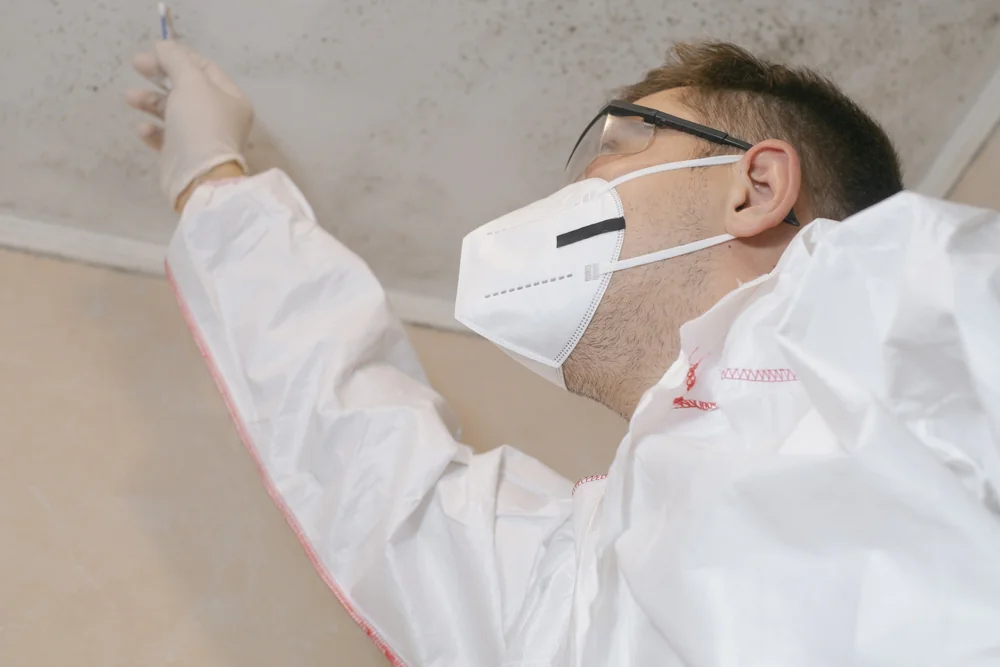
A real mold inspection gives you the full picture. Not a guy with a flashlight making guesses. We’re talking moisture meters, air sampling, surface testing, and thermal imaging to find colonies growing in places you’d never think to check. You walk away knowing if you have a problem, how bad it is, and what it’ll take to fix it.
We work exclusively in mold detection and remediation across Neshaminy Hills and the surrounding Bucks County area. We’re not a general restoration company that does mold on the side. This is what we do, every day.
Pennsylvania requires a license to conduct professional mold assessments, and we hold ours. That means we follow state protocols, use calibrated equipment, and deliver reports that meet industry standards. If you’re buying a home, dealing with a landlord dispute, or just trying to figure out what’s making your kid’s asthma worse, you need documentation that holds up.
We’ve seen what happens when homeowners ignore the signs or try to handle black mold inspection themselves. Mold doesn’t stay small. It spreads. It damages structure. It costs more the longer you wait. Our job is to catch it early and give you a clear path forward.
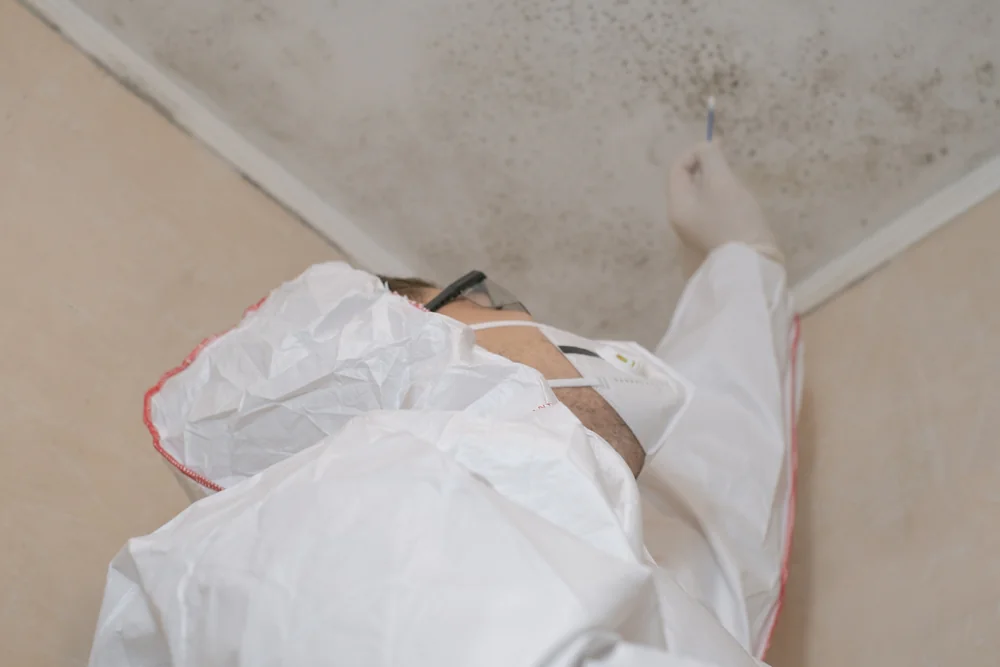
We start with a visual assessment of your entire property—basement, attic, bathrooms, HVAC system, anywhere moisture tends to collect. We’re looking for visible growth, water stains, condensation patterns, and structural damage that suggests hidden mold.
Then we use moisture meters and thermal imaging to detect problems you can’t see. Mold grows where it’s damp, and these tools show us exactly where moisture is trapped inside walls, under floors, or around windows. If we find high moisture levels or visible growth, we take air samples and surface samples to identify the mold species and measure spore concentration.
You get a detailed written report within a few days. It includes photos, lab results, moisture readings, and specific recommendations for remediation. If the mold is minor, we’ll tell you. If it’s serious, we’ll explain what needs to be removed, what needs to dry out, and how to prevent it from coming back. No upselling. No scare tactics. Just the facts and a plan.

Ready to get started?
A complete mold inspection in Neshaminy Hills includes a full visual examination of your property, moisture mapping with professional-grade meters, thermal imaging to detect hidden water intrusion, and air quality testing to measure airborne mold spore levels. We also take surface samples from any visible growth to identify the species and determine if it’s toxic.
Homes in Bucks County face specific challenges. Older construction, basement moisture, and our increasingly wet climate create perfect conditions for mold. Around 50% of U.S. homes have damp conditions that support mold growth, and this area is no exception. If your home was built before 1980, has had any water damage, or sits in a low-lying area, you’re at higher risk.
The inspection typically takes one to two hours depending on your home’s size and complexity. We check HVAC systems, crawl spaces, attics, bathrooms, kitchens, and any area where you’ve noticed staining, odors, or past leaks. You’ll receive lab-certified results and a written report that breaks down exactly what we found, where we found it, and what it means for your health and property. Most inspections in the Philadelphia area start around $350 for a thorough visual check with moisture detection and air samples.
If you smell something musty that won’t go away, that’s reason enough. Mold has a distinct odor, and if you’re noticing it consistently in certain rooms or when you run your HVAC, there’s likely growth somewhere.
You should also consider an inspection if anyone in your home is dealing with worsening allergies, sinus problems, headaches, or respiratory issues that improve when they leave the house. Mold exposure affects people differently, but it often shows up as symptoms that seem random until you connect them to being indoors.
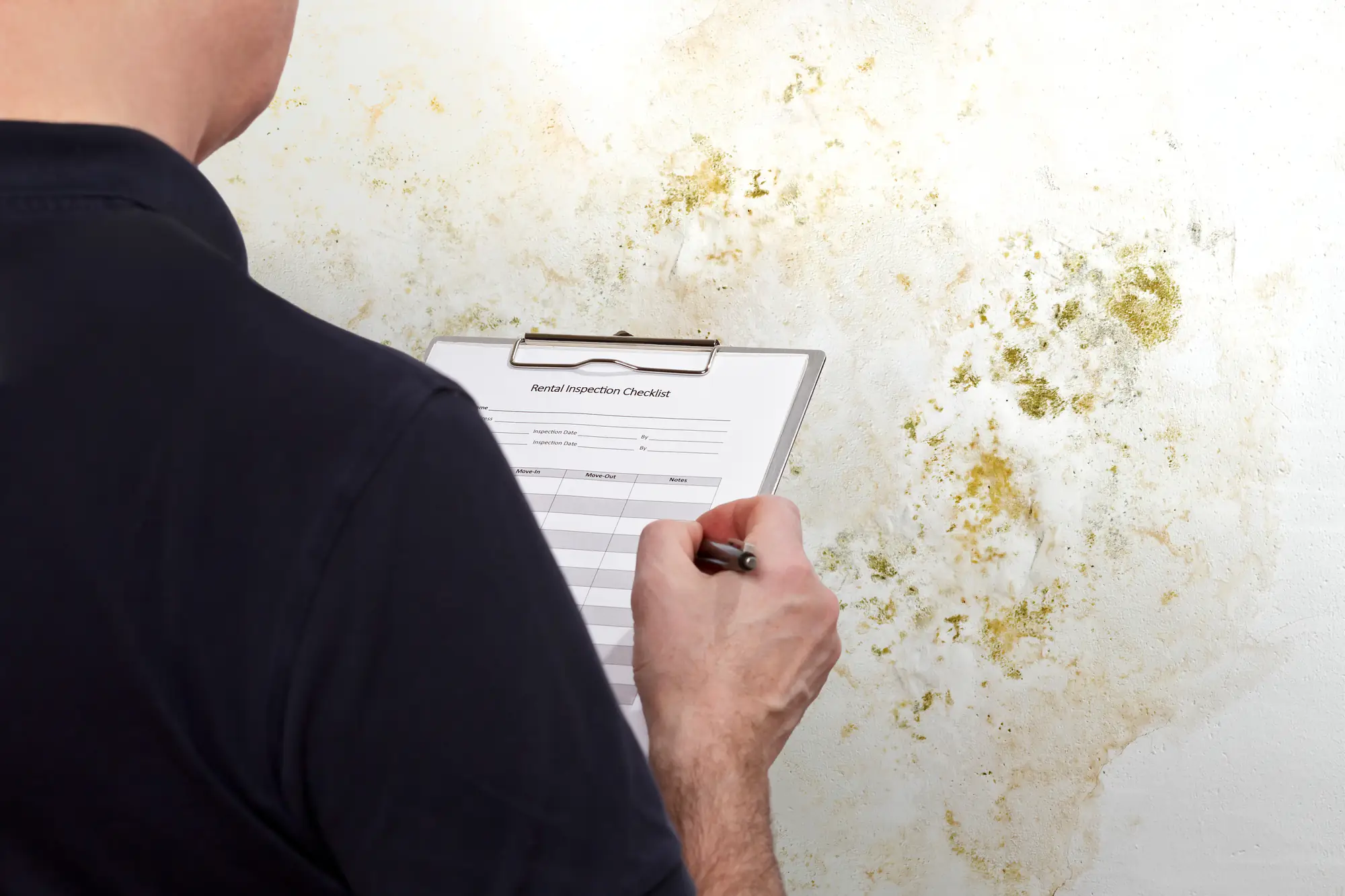
Past water damage is another red flag. Even if you cleaned up a leak or flood months ago, mold can still be growing behind walls or under flooring if the area didn’t dry completely. Any visible staining, peeling paint, warped floors, or soft drywall should be checked. And if you’re buying a home in Neshaminy Hills or anywhere in Bucks County, an inspection protects you from inheriting someone else’s mold problem.
A mold inspection is the full assessment—visual examination, moisture detection, thermal imaging, and identifying where mold is growing or likely to grow. Testing refers specifically to collecting air or surface samples and sending them to a lab for analysis.
Most professional home mold inspections include testing as part of the process. You need both. The inspection finds the mold and maps out the moisture problems. The testing identifies what species you’re dealing with and how concentrated the spore levels are. Some molds are more toxic than others, and lab results tell you if you’re dealing with black mold or something less dangerous.
Testing without inspection is like getting bloodwork without seeing a doctor. The data doesn’t mean much if no one’s interpreting it or looking at the bigger picture. A certified mold detection company will do both and explain the results in plain terms so you know what action to take.
Small surface mold on non-porous materials like tile or glass can sometimes be cleaned safely if you catch it early. But if you’re seeing mold on drywall, wood, carpet, or insulation, or if the affected area is larger than about 10 square feet, you’re better off hiring a licensed professional.
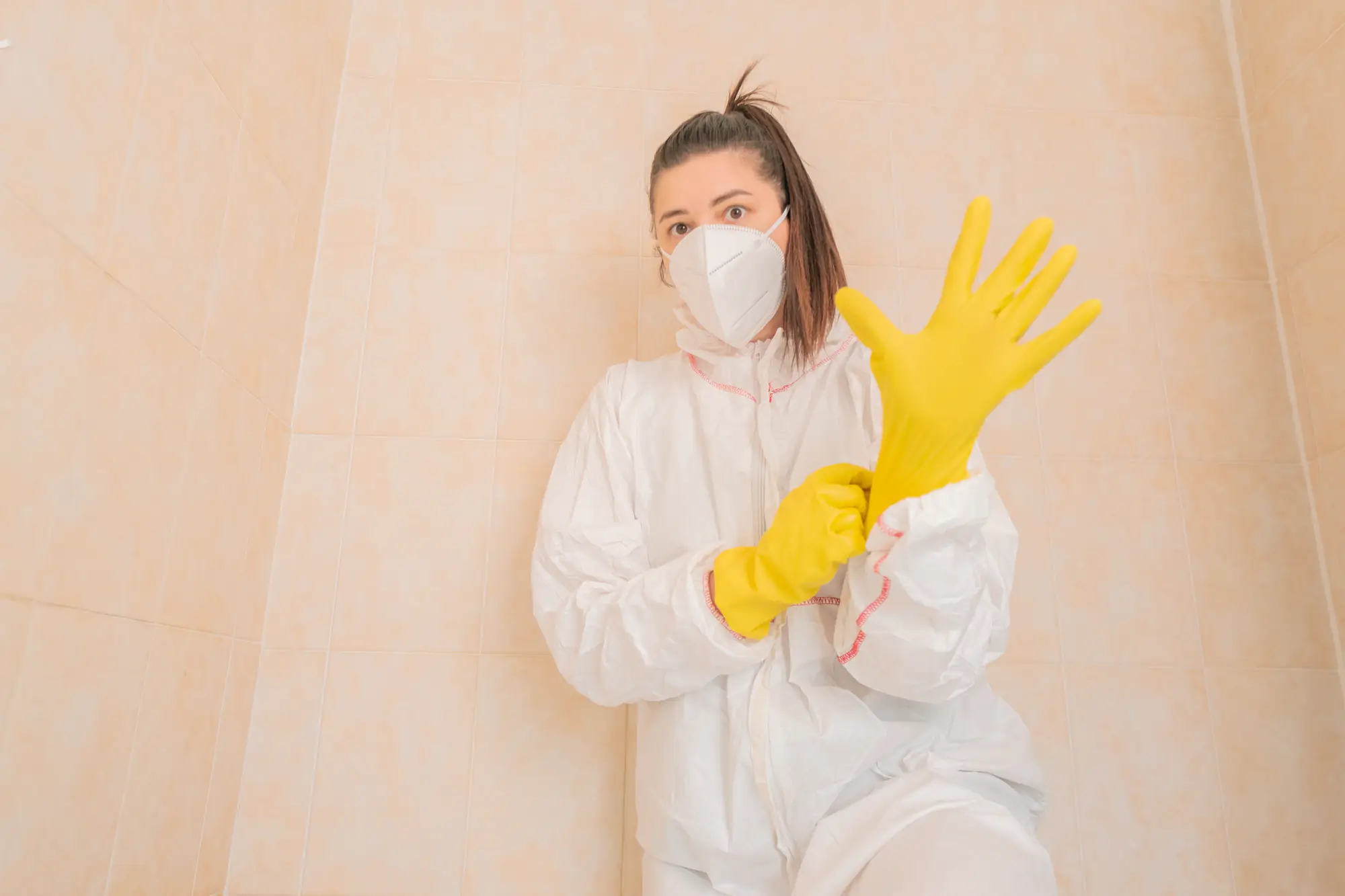
Disturbing mold releases spores into the air, and without proper containment and protective equipment, you’re exposing yourself and spreading the problem to other areas of your home. Mold remediation specialists use negative air pressure, HEPA filtration, and containment barriers to prevent cross-contamination. We also have the tools to remove contaminated materials safely and treat surfaces to prevent regrowth.
There’s also the issue of finding the source. Visible mold is usually just part of the problem. If you don’t fix the moisture issue or find hidden growth, it’ll come back. Pennsylvania requires a license for professional mold assessment for a reason—it’s not just about scrubbing walls. It’s about identifying the root cause and eliminating it.
Most mold inspections in the area run between $300 and $650, with the average around $450. The cost depends on your home’s size, how many samples need to be tested, and how accessible the areas of concern are.
A basic inspection with a visual assessment, moisture readings, and a couple of air samples will be on the lower end. If your home is large, has multiple levels, or requires extensive testing in hard-to-reach areas like crawl spaces or attics, the price goes up. Some companies charge extra for lab analysis, so make sure you’re clear on what’s included before you book.
It’s worth noting that a mold inspection usually pays for itself. If you’re buying a home and the inspection finds a serious problem, you can negotiate repairs or walk away before you’re stuck with a five-figure remediation bill. If you already own the home, catching mold early prevents structural damage that costs far more to repair than the inspection itself. Replacing rotted drywall, flooring, or framing adds up fast.
The inspection itself usually takes one to two hours depending on your home’s size and complexity. If we’re just doing a visual assessment and moisture mapping, you’ll get preliminary findings the same day.
Lab results from air and surface samples typically come back within three to five business days. The lab needs time to culture the samples and identify the mold species. Once we receive the results, we compile everything into a detailed report with photos, lab data, moisture readings, and our recommendations for remediation.
You’ll get a clear breakdown of what was found, where it was found, and what needs to happen next. If the situation is urgent—like high levels of toxic mold or active water intrusion—we’ll let you know immediately so you can take action while waiting for the full report. Most homeowners in Bucks County want answers fast, and we do everything we can to deliver them without cutting corners on accuracy.
First, don’t panic. Finding mold is actually better than not knowing it’s there. Now you can deal with it before it causes serious health problems or structural damage.
Your report will specify what type of mold was found, how much of it there is, and where it’s growing. If it’s a small amount of surface mold in a bathroom or kitchen, the fix might be straightforward—improve ventilation, repair a leak, and clean the affected area. If it’s black mold or widespread growth behind walls, you’ll need professional remediation.
We’ll walk you through the recommended next steps based on what we found. That might include fixing moisture sources like leaky pipes or poor drainage, removing contaminated materials like drywall or insulation, treating affected areas with antimicrobial solutions, and improving airflow or dehumidification to prevent future growth. The goal is complete removal and prevention, not just covering up the problem. You’ll know exactly what it’ll take to make your home safe again.
Other Services we provide in Neshaminy Hills