
Hear from Our Customers
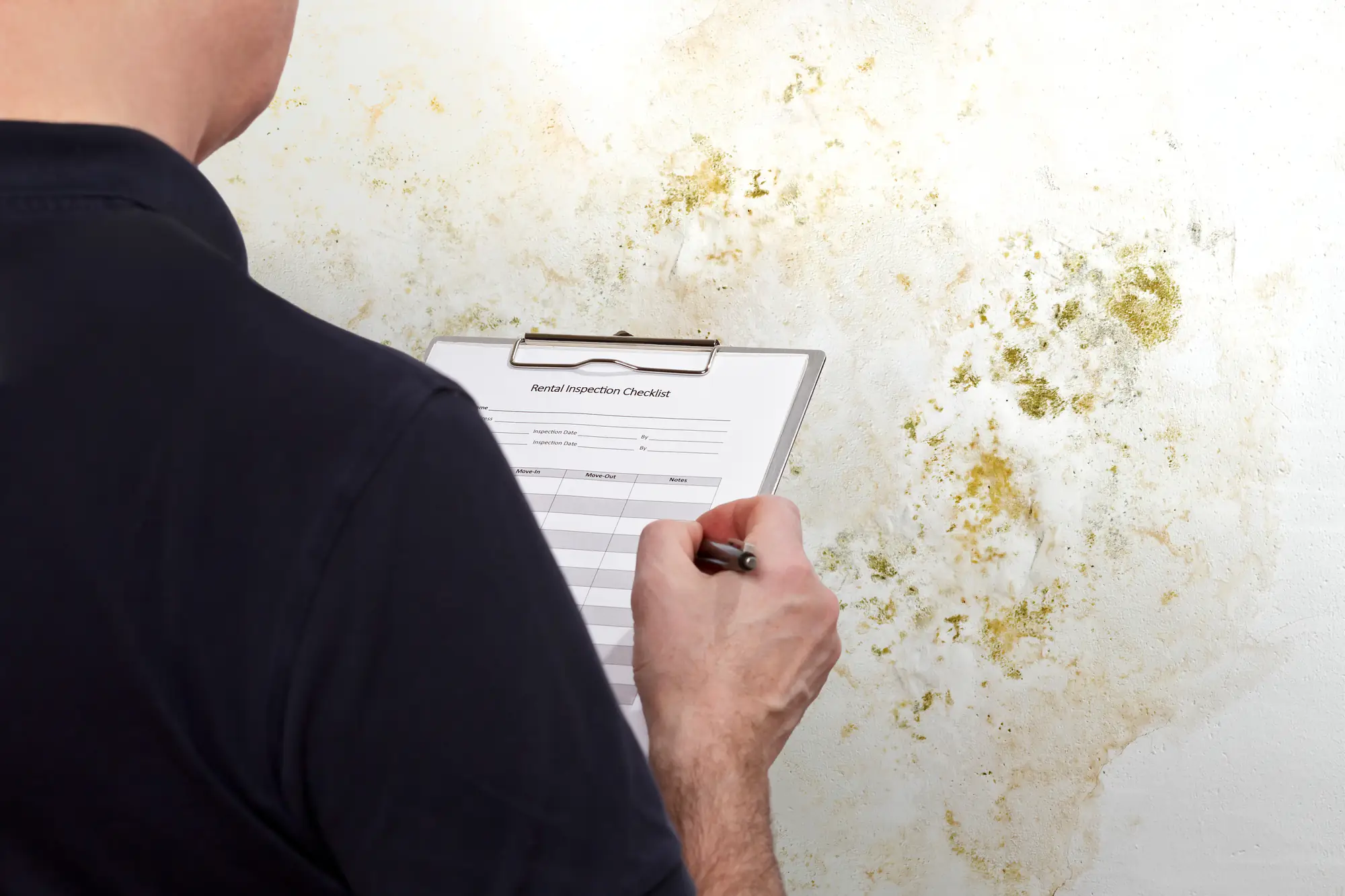
You can’t fix what you can’t see. Mold doesn’t always announce itself with visible stains or that basement smell. Sometimes it’s behind drywall, under flooring, or tucked into insulation where it quietly spreads for months.
A professional home mold inspection gives you the full picture. You’ll know if mold is present, what type it is, how much of it there is, and whether it’s affecting your indoor air quality. That matters because different molds require different approaches—and because your family’s respiratory health depends on accurate information.
Early detection saves money. Catching mold before it spreads across multiple rooms can cut remediation costs significantly. It also protects your property value. Homes with documented mold problems can lose 20% to 37% of their resale value, and half of potential buyers walk away once they learn mold was an issue.
You get a detailed report, lab-certified results, and a clear path forward. No pressure. No inflated estimates. Just the facts you need to make an informed decision about your home.
We serve Little Italy and the surrounding Bucks County area with certified mold inspection services. Our team includes IICRC-certified specialists trained to identify mold, assess contamination levels, and provide unbiased reporting.
We’re not here to sell you services you don’t need. Our inspections are thorough, our lab analysis is certified, and our recommendations are based on what we actually find—not what generates the biggest invoice.
Bucks County homes face specific challenges. The region’s humidity levels, older housing stock, and seasonal weather patterns create conditions where mold can thrive if moisture problems aren’t addressed. We understand these local factors because we work in these homes every day.
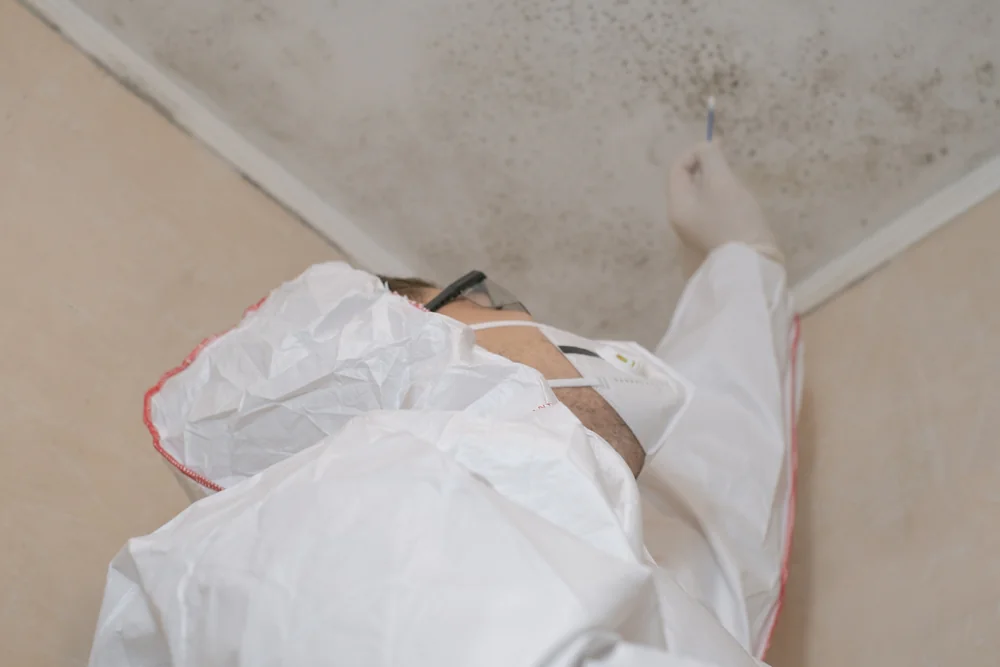
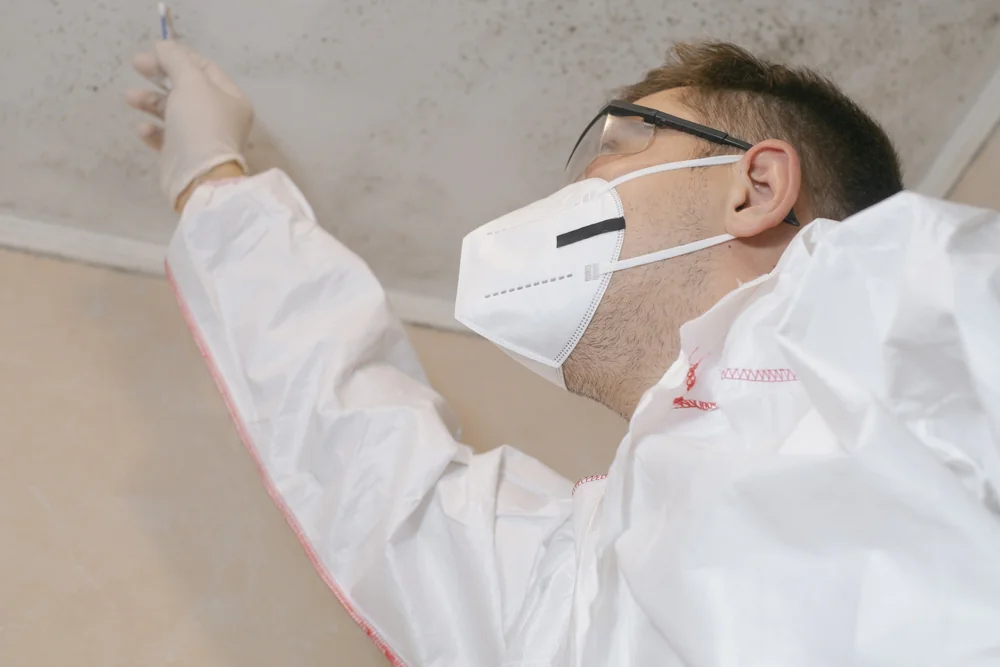
First, we walk through your property and identify areas of concern. We’re looking for visible mold growth, water damage, moisture accumulation, and conditions that support mold development. We use moisture meters and thermal imaging to detect problems you can’t see with the naked eye.
Next, we collect samples. Air samples measure spore concentration in your indoor environment. Surface samples identify specific mold types growing on walls, ceilings, or other materials. These samples go to a certified laboratory for analysis—not an in-house test that might have conflicts of interest.
You receive a detailed report within days. It includes lab results showing mold types and concentration levels, photos documenting problem areas, and clear explanations of what the findings mean for your home. We also provide recommendations for remediation if needed, along with guidance on preventing future growth.
The whole process typically takes a few hours for most homes. You’ll have answers quickly, and you’ll know exactly what you’re dealing with before making any decisions about remediation or repairs.

Ready to get started?
Your inspection covers all accessible areas of your home where mold commonly develops. Basements, crawl spaces, attics, bathrooms, kitchens, and any rooms with known water damage or moisture issues. We check HVAC systems too, since mold spores spread through ductwork.
You get both air quality testing and surface sampling. Air testing measures spore levels throughout your home—important because mold affects indoor air quality even when it’s hidden. Surface sampling identifies specific mold species, which matters for health risk assessment and remediation planning.
Pennsylvania has strict disclosure laws for real estate transactions. Sellers must disclose known mold problems, and buyers often require professional mold detection before closing. Our reports meet legal and insurance documentation requirements. If you’re buying or selling in Little Italy, you need testing that holds up under scrutiny.
Mold becomes a health concern when indoor spore counts exceed 10,000 per cubic meter. Of the 4.6 million asthma cases in the U.S. attributed to mold exposure, many could have been prevented with early detection. Your inspection includes specific measurements so you know if your home’s air quality poses risks—especially important if anyone in your household has respiratory conditions or allergies.
Most home mold inspections in the Little Italy area run between $300 and $600, depending on your property size and how many samples need laboratory analysis. A typical single-family home with standard testing falls in the middle of that range.
The cost covers the on-site inspection, sample collection, certified lab analysis, and a detailed written report with findings and recommendations. Some companies charge extra for things like thermal imaging or additional air samples from multiple rooms—make sure you understand what’s included before scheduling.
That investment often saves thousands. The average mold remediation costs $2,300 nationally, but catching problems early can reduce that significantly. More importantly, untreated mold can drop your home’s value by 20% to 37%. Spending a few hundred dollars on testing protects a much larger investment in your property.
Mold inspection is the visual assessment—walking through your home, identifying problem areas, checking for moisture issues, and documenting conditions that support mold growth. Testing involves collecting actual samples for laboratory analysis to identify mold species and measure concentration levels.
You usually need both. Inspection tells you where problems exist and how extensive they might be. Testing tells you what type of mold you’re dealing with and whether spore levels in your air pose health risks. Some molds are relatively harmless. Others, like black mold, require immediate professional remediation.
Testing also provides documentation. If you’re dealing with insurance claims, real estate transactions, or health concerns, you need lab-certified results—not just someone’s opinion about what they saw. The combination of professional inspection and certified testing gives you complete information to make decisions about your home and your family’s health.
Most residential mold inspections take two to four hours, depending on your home’s size and how many areas need detailed examination. Larger homes or properties with extensive water damage may take longer.
We need time to thoroughly check all areas where mold commonly grows—basements, crawl spaces, attics, bathrooms, and anywhere with known moisture problems. We’ll use specialized equipment like moisture meters and thermal cameras to detect issues behind walls and under floors. Sample collection adds time, but it’s necessary for accurate results.
You’ll receive your laboratory results and written report within three to five business days after the inspection. That report includes detailed findings, photos, lab analysis of mold types and concentrations, and specific recommendations for addressing any problems discovered. If you’re working with tight timelines for real estate transactions, let us know—rush processing is sometimes available for an additional fee.
Sometimes yes. Mold doesn’t always show obvious signs like wall discoloration or musty odors. It can grow behind drywall, under flooring, inside insulation, or in HVAC systems where you’ll never see it until the problem becomes severe.
Consider an inspection if you’ve had any water damage—even if it was cleaned up quickly. Leaking pipes, roof leaks, foundation seepage, or flooding create conditions where mold develops within 24 to 48 hours. You should also test if anyone in your household has unexplained respiratory symptoms, allergies, or asthma that worsens at home.
Real estate transactions are another common reason. Pennsylvania law requires sellers to disclose known defects, including mold. Buyers often require professional mold detection before closing, especially on older homes or properties with basement moisture issues. Testing before listing your home prevents surprises during negotiations. Testing before buying protects you from inheriting someone else’s mold problem and the expensive remediation that comes with it.
Home test kits exist, but they’re not reliable for making important decisions about your property or health. Most kits only tell you if mold spores are present—which they always are, in every home. They don’t measure concentration levels, identify specific mold species, or tell you if your indoor air quality poses health risks.
Professional mold detection uses calibrated equipment, follows specific sampling protocols, and sends samples to certified laboratories for analysis. We know where to look, how to collect samples properly, and how to interpret results in context. We can distinguish between normal background mold and contamination requiring remediation.
If you’re dealing with real estate transactions, insurance claims, or health concerns, you need professional testing with documentation that holds up legally. Home test kits won’t satisfy those requirements. They also won’t give you the detailed information necessary to understand the scope of your problem or make informed decisions about remediation. For a few hundred dollars, professional testing provides accuracy and peace of mind that home kits simply can’t match.
You’ll receive a detailed report showing what type of mold was found, where it’s located, and how severe the contamination is. The report includes specific recommendations for addressing the problem—which might range from simple cleaning for minor surface mold to professional remediation for extensive growth or toxic species like black mold.
Not all mold requires expensive remediation. Small areas of surface mold on non-porous materials can often be cleaned with proper techniques and products. Larger infestations, mold inside walls or HVAC systems, or toxic species require professional removal to protect your health and prevent spread.
We’ll explain your options without pressure. If remediation is needed, you’ll understand why, what it involves, and what it should cost. You’re free to get multiple estimates from remediation companies. The inspection report gives you leverage—you’ll know exactly what needs to be done, so you can evaluate whether quotes are reasonable or inflated. Most importantly, you’ll have the information needed to protect your family’s health and your property’s value.
Other Services we provide in Little Italy