
Hear from Our Customers
That musty smell in your basement isn’t normal. Neither are the allergy symptoms that seem to disappear when you leave the house for a few days. Mold doesn’t just show up on walls where you can see it—it hides behind drywall, under flooring, and inside HVAC systems where it quietly damages your air quality and your health.
A professional mold inspection gives you the full picture. You’ll know exactly where mold is growing, what type it is, and what’s causing it. More importantly, you’ll know what needs to happen next—whether that’s a simple fix or a more involved remediation process.
The homes in Elderberry Pond weren’t built yesterday. Most of the ranch-style properties here date back to the 1950s, and while many have been updated, older construction means older plumbing, aging HVAC systems, and plenty of places for moisture to settle. Add in Pennsylvania’s humid summers and frequent rain, and you’ve got conditions that mold loves.
We don’t service the entire state. We focus on Bucks County because we know the area—the housing stock, the climate patterns, the common problem spots. That matters when you’re trying to figure out why mold keeps coming back or where it’s hiding in the first place.
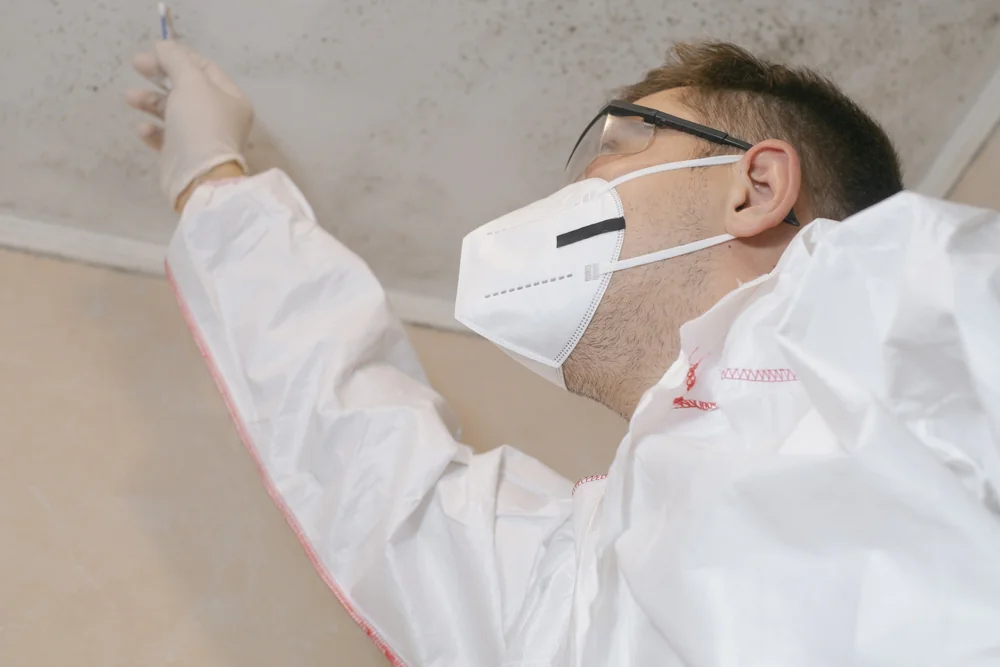
Our inspectors are certified, and they use the same equipment every time: thermal imaging cameras, moisture meters, and air sampling tools that actually tell us what’s happening inside your walls. We’re not guessing. We’re measuring.
You’ll get a clear explanation of what we find, photos of problem areas, and a straightforward assessment of what needs to be addressed. No upselling. No scare tactics. Just the information you need to make a decision about your home.
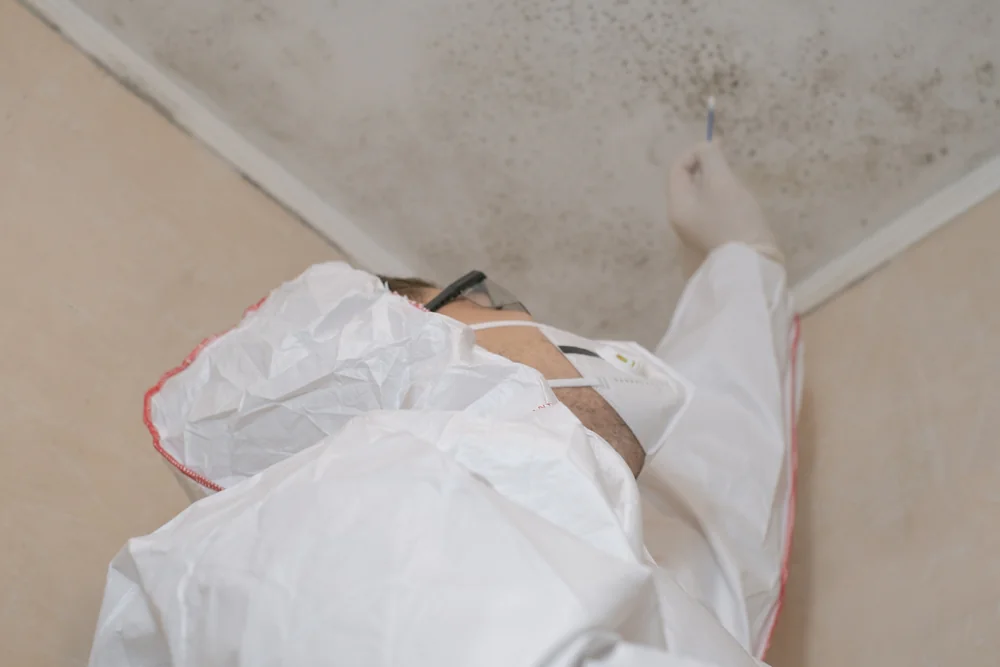
We start with a visual assessment of your entire property—attics, basements, crawl spaces, bathrooms, anywhere moisture tends to accumulate. We’re looking for visible mold growth, water stains, condensation patterns, and ventilation issues.
Then we bring out the tools. Thermal imaging cameras show us temperature differences in your walls and ceilings that indicate moisture. Moisture meters give us exact readings on wood, drywall, and concrete. If we suspect airborne mold, we’ll take air samples and send them to a lab for analysis.
The whole process usually takes a couple of hours, depending on the size of your home. You’re welcome to follow along and ask questions—most people do. At the end, we’ll walk you through what we found, show you the readings and images, and explain what’s causing the problem. If remediation is needed, we’ll outline the scope of work and give you a detailed estimate before any work begins.

Ready to get started?
Every mold inspection includes a full property assessment—interior and exterior. We check your roof, gutters, grading, and foundation for water intrusion points. Inside, we inspect every room, plus hidden areas like wall cavities and under flooring where mold typically starts.
You’ll receive thermal imaging of problem areas, moisture readings from multiple locations, and air quality samples if needed. We also inspect your HVAC system since that’s often how mold spreads throughout a home. In Elderberry Pond, where many homes still have original ductwork or minimal ventilation, this step catches problems that homeowners don’t even know exist.
The inspection report includes photos, moisture maps, and a written summary of findings. If mold is present, we identify the type and explain the health risks. We also pinpoint the moisture source—whether it’s a leaky pipe, poor ventilation, foundation seepage, or something else—because removing mold without fixing the source just means it’ll come back.
Bucks County’s climate creates constant challenges. Humidity spikes in summer. Rain is frequent. Older homes weren’t built with the moisture barriers and ventilation systems that newer construction includes. That’s why annual inspections make sense here, especially if you’ve had water issues in the past.

If you’re smelling something musty, that’s reason enough. Mold has a distinct odor, and if you’re noticing it consistently in certain areas of your home, there’s likely growth somewhere nearby.
Health symptoms are another indicator. If you or your family members are experiencing unexplained allergy symptoms, respiratory issues, headaches, or fatigue that improve when you’re away from home, mold could be the culprit. It’s especially concerning if young children or anyone with asthma is affected.
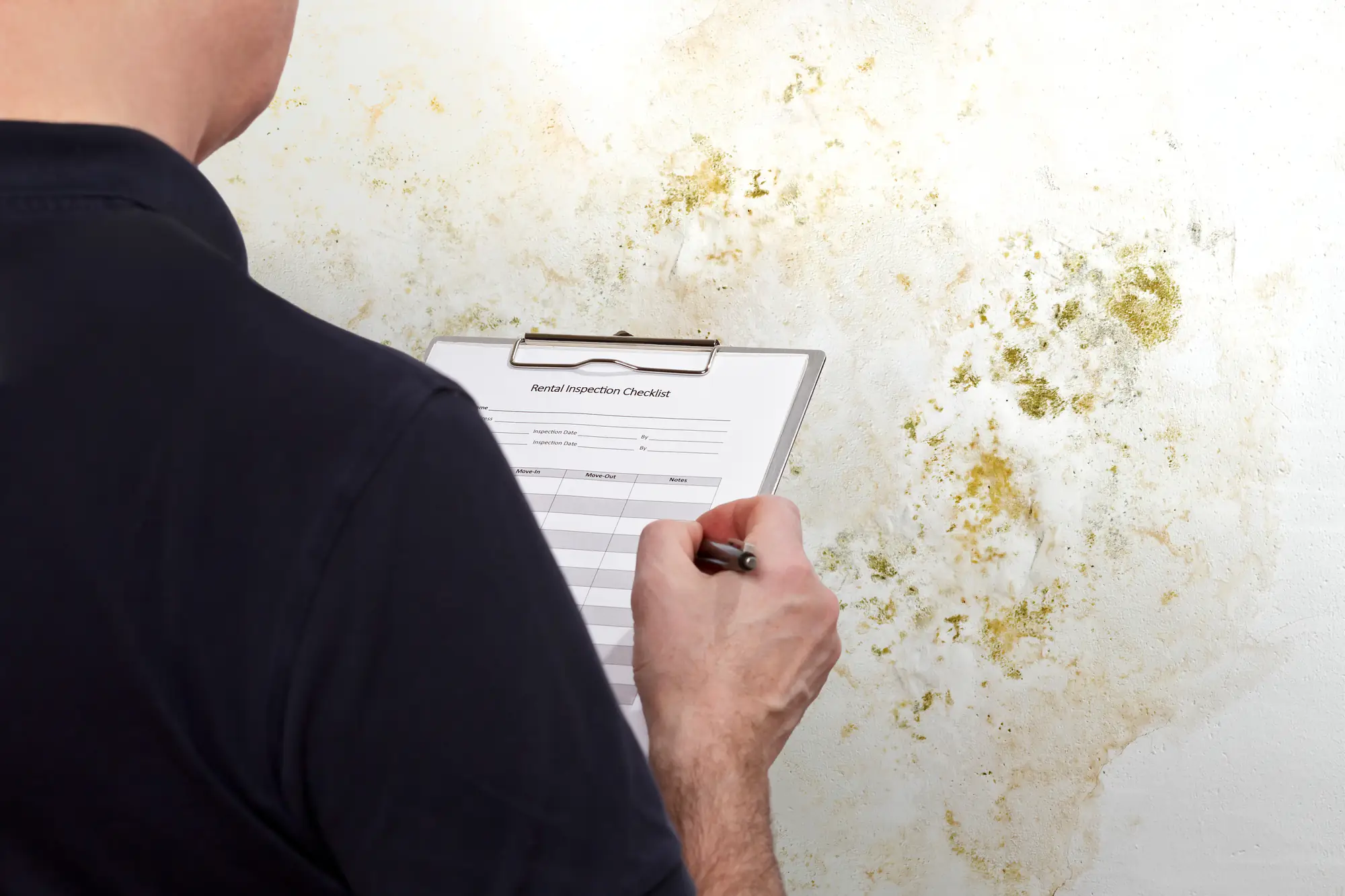
Visible signs matter too—water stains on ceilings or walls, peeling paint, warping floors, condensation on windows. These all point to moisture problems, and where there’s moisture, mold follows. Even if you don’t see mold yet, these conditions mean it’s likely growing somewhere hidden. Homes in Elderberry Pond are particularly vulnerable given their age and construction style, so if you’ve had any water intrusion—even a small leak—it’s worth getting checked.
A mold inspection is the visual and technical assessment of your property. We’re looking for mold growth, moisture sources, and conditions that support mold. We use cameras and meters to find hidden problems and identify where mold is actively growing.
Mold testing refers specifically to collecting samples—either air samples or surface samples—and sending them to a lab for analysis. Testing tells us what type of mold is present and the concentration levels. It’s useful when you need to know if the mold is toxic, when there’s a smell but no visible growth, or when you need documentation for insurance or health reasons.
Most inspections include testing as part of the process, especially if we find conditions that suggest hidden mold. But you don’t always need lab testing if the mold is visible and the source is obvious. We’ll recommend testing when it actually adds value to your situation—not just because it’s an upsell opportunity.
For most single-family homes in Elderberry Pond, plan on two to three hours. Larger properties or homes with multiple problem areas can take longer.
We’re not rushing through it. A thorough inspection means checking every room, all the hidden spaces, and using our equipment properly to get accurate readings. We’ll spend extra time in areas where moisture is common—basements, bathrooms, kitchens, attics, and crawl spaces.
If air sampling is needed, that adds some time since we need to collect samples from multiple locations and an outdoor control sample for comparison. You’ll get the lab results back within a few days. The inspection itself wraps up the same day, and you’ll leave knowing exactly what we found and what the next steps are.
It depends on what caused the mold. Most homeowners insurance policies cover mold damage if it resulted from a sudden, accidental event—like a burst pipe or storm damage. If that’s your situation, there’s a good chance your claim will be approved.
What insurance typically won’t cover is mold from gradual issues like long-term leaks, poor maintenance, or chronic moisture problems. If your basement has been damp for years and now there’s mold, that’s usually considered a maintenance issue, not a covered loss.
We’ve worked with insurance companies throughout Bucks County, and we know how to document findings in a way that supports your claim. We’ll provide detailed reports, photos, and moisture readings that show the extent of the damage and the likely cause. If you’re filing a claim, let us know upfront so we can make sure the documentation is thorough. Even if insurance doesn’t cover everything, we offer flexible payment options to make remediation manageable.
Small surface mold—like a little bit on bathroom grout or a window sill—can usually be cleaned with the right products and some elbow grease. But if you’re dealing with mold that’s spread across more than a few square feet, or if it’s growing inside walls, under flooring, or in your HVAC system, you need professional help.
Here’s why: mold releases spores when it’s disturbed. If you start scrubbing or tearing out materials without proper containment, you’re spreading those spores throughout your home. You’re also not addressing the moisture source, which means the mold will just come back.
Professional remediation involves containment, air filtration, proper removal techniques, and fixing the underlying problem. We follow EPA guidelines and Pennsylvania regulations to make sure the job is done safely and completely. If you’ve got black mold or any growth that’s affecting your health, don’t mess around with DIY methods. The cost of doing it wrong—both to your health and your home—is way higher than the cost of doing it right the first time.
We offer free inspections, and we can usually schedule you within a day or two of your call. If you’re dealing with an urgent situation—active water damage, strong odors, or health symptoms that are getting worse—we have emergency availability and can often get someone out the same day.
Mold doesn’t improve with time. The longer it grows, the more damage it causes and the more expensive remediation becomes. If you’re seeing signs or smelling something off, don’t wait weeks to get it checked. A quick inspection now can save you from a much bigger problem later.
Once we complete the inspection, you’ll have answers immediately. If remediation is needed, we can typically start within a few days, depending on the scope of work. For Elderberry Pond residents, we’re local enough that scheduling is rarely an issue—we’re not trying to fit you in between jobs across the state.
Other Services we provide in Elderberry Pond