
Hear from Our Customers
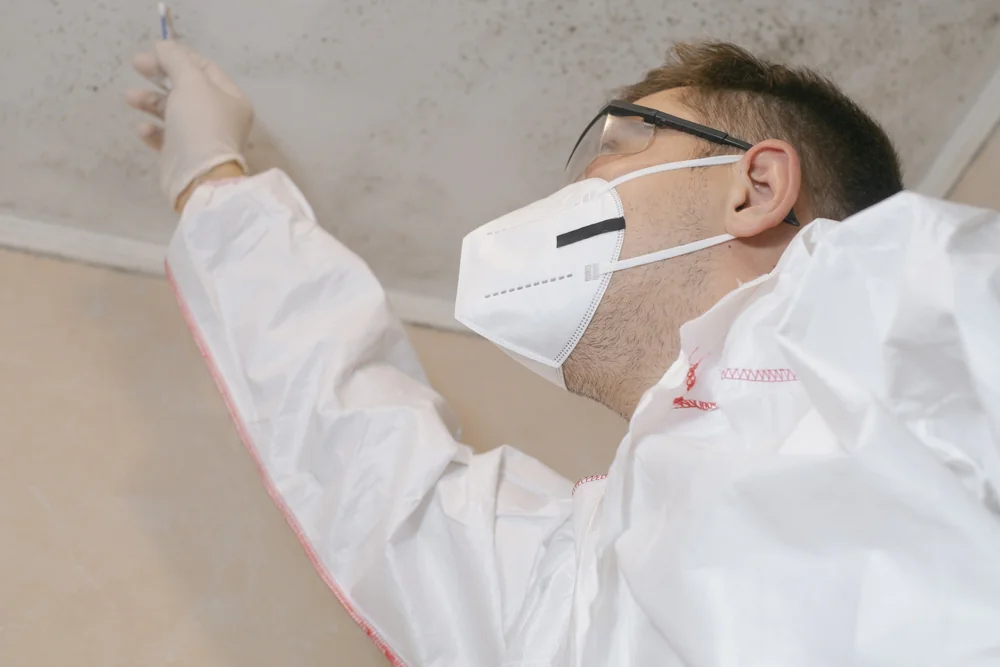
You shouldn’t have to wonder if that smell is serious or if those dark spots are just dirt. A professional mold inspection gives you actual answers backed by lab results and thermal imaging, not guesswork from a hardware store test kit.
Here’s what changes after a proper inspection: you know the type of mold, the extent of the problem, and the moisture source feeding it. That means you’re not overpaying for unnecessary work or missing contamination that’s spreading behind walls. You get a detailed report that shows exactly where the problem is and what it’ll take to fix it.
The inspection also protects your investment. Mold damages building materials over time, and catching it early keeps repair costs manageable. More importantly, you’re protecting your family from ongoing exposure to spores that trigger allergies, asthma, and respiratory issues. Pennsylvania’s humid climate makes mold a constant risk in Davisville, especially in basements, crawl spaces, and anywhere water’s been an issue.
We’ve been serving Pennsylvania homeowners for more than 10 years. We’re licensed, certified, and we use the same advanced equipment—thermal imaging, moisture meters, air sampling—that larger operations use, without the inflated pricing.
We’re not involved in remediation, which means our inspections stay unbiased. We test, we report, and we give you the information you need to make smart decisions. That’s it. No upselling, no pressure to hire us for the cleanup.
Davisville and the surrounding Bucks County area deal with higher-than-average precipitation and humidity, which creates perfect conditions for mold. We’ve inspected hundreds of homes here, and we know what to look for in older structures, homes with previous water damage, and properties with poor ventilation. You’re not getting a cookie-cutter checklist—you’re getting an inspection based on what actually happens in this region.
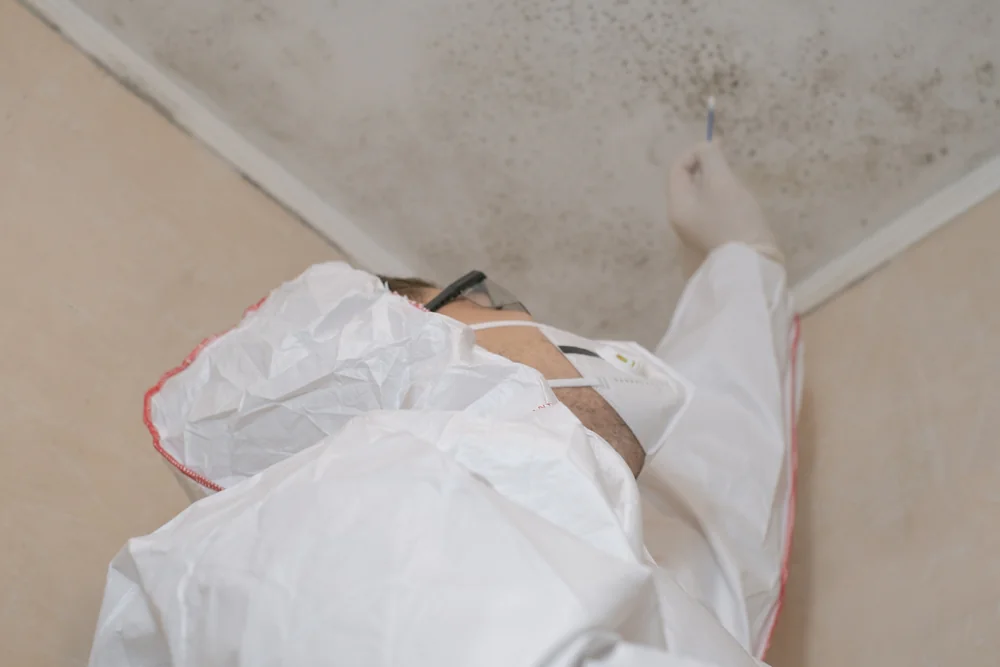
First, we walk through your property and talk about what you’ve noticed—smells, stains, health symptoms, past water issues. That conversation helps us focus on the areas most likely to have problems.
Next, we use moisture meters and thermal imaging to find hidden water intrusion. Mold grows where moisture lingers, so identifying those spots is critical. We check basements, attics, crawl spaces, HVAC systems, and anywhere else that’s prone to dampness or poor airflow.
Then we collect air samples and surface samples from suspected areas. Those samples go to a third-party lab for analysis, which tells us what type of mold is present and the concentration levels. That lab report is what separates a real inspection from a visual guess.
After the lab results come back, we put together a detailed report. It includes what we found, where we found it, the moisture source causing it, and recommendations for remediation. You’ll know exactly what needs to happen and what it’ll cost before any work starts. We also provide guidance on preventing future growth once the issue is resolved.

Ready to get started?
Every mold inspection we do includes a complete visual assessment, moisture mapping with infrared technology, air quality sampling, and surface testing where contamination is suspected. You’re not paying for a quick walkthrough—you’re getting a full diagnostic.
We also inspect areas most homeowners can’t access safely or don’t think to check: behind HVAC components, inside wall cavities near plumbing, under insulation in attics, and in crawl spaces where moisture accumulates. Mold doesn’t grow in obvious places, and that’s why DIY kits miss so much.
In Davisville, we see recurring issues tied to Pennsylvania’s climate. Homes here get hit with heavy rain and snow, and that moisture works its way into basements and foundations. Older homes without proper vapor barriers or updated drainage systems are especially vulnerable. We factor that into every inspection because local conditions matter.
You’ll receive a written report within a few days of the inspection. It breaks down the findings in plain language, includes photos and lab results, and gives you a clear path forward. If remediation is needed, you’ll have the documentation to get accurate quotes and avoid unnecessary work. If the air quality is fine, you’ll have peace of mind and proof for future buyers if you ever sell.
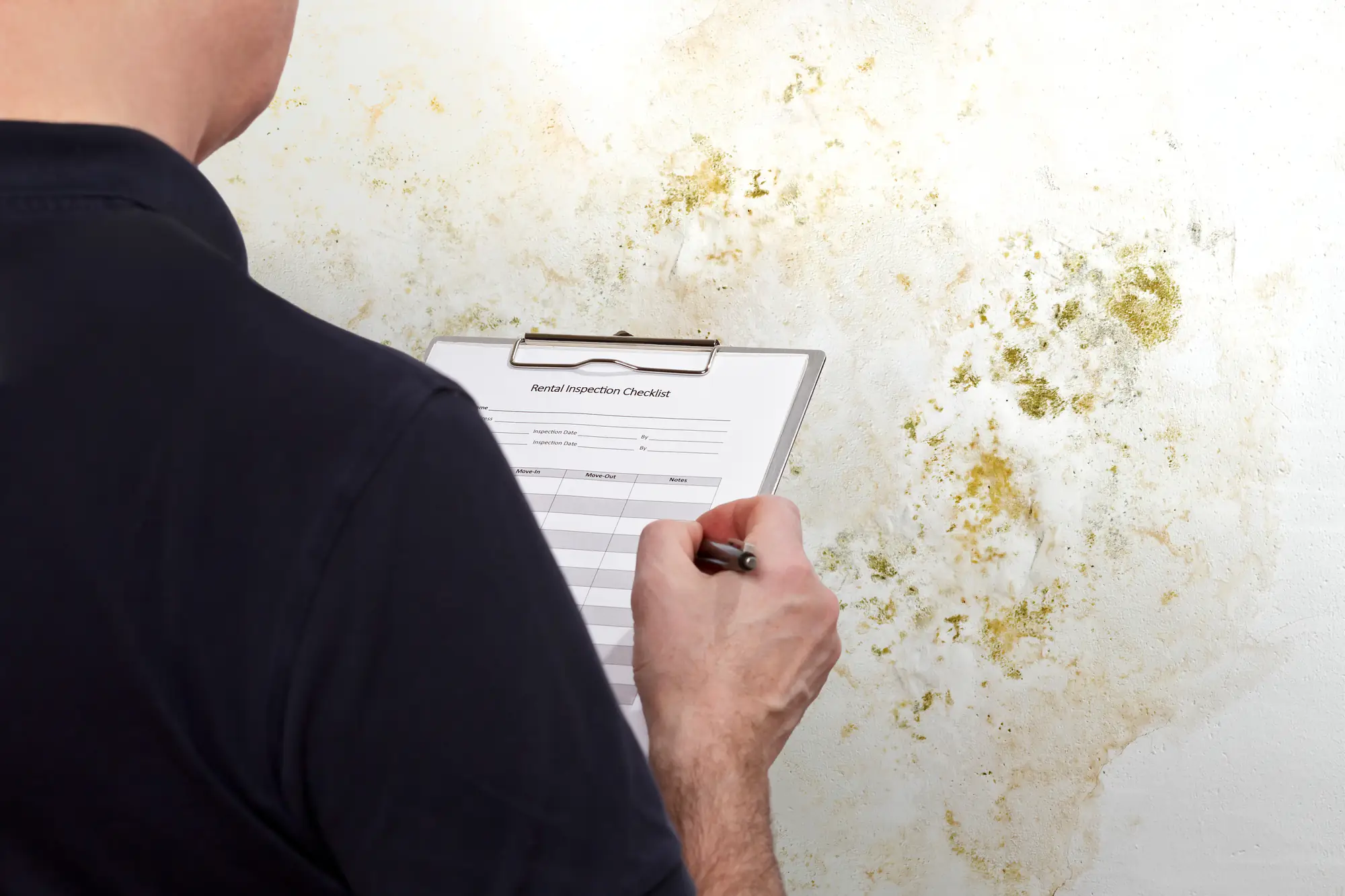
A full mold inspection in Davisville typically runs between $300 and $450, depending on the size of your property and how many samples we need to collect. That price includes the visual inspection, moisture detection, air sampling, lab analysis, and a detailed written report.
Some companies charge less, but they’re usually skipping steps—no lab testing, no thermal imaging, just a visual check. That might save you money upfront, but it won’t tell you what type of mold you’re dealing with or how far it’s spread. Other companies charge more because they’re bundling the inspection with remediation services, which creates a conflict of interest.
We keep our pricing transparent and our inspections independent. You’re paying for accurate information, not a sales pitch. If you don’t need remediation, we’ll tell you. If you do, you’ll have the documentation to get competitive bids and make sure the work is done right.
Most inspections take between two and three hours, depending on the size of your home and how many areas need close attention. We’re not rushing through it—we’re checking basements, attics, crawl spaces, HVAC systems, and anywhere else moisture or mold might be hiding.
The lab results take a few days to come back, usually within a week. Once we have those results, we compile the full report and send it to you with photos, findings, and recommendations. If you need the report faster for a real estate transaction or insurance claim, let us know and we’ll prioritize it.
The inspection itself is non-invasive. We’re not tearing into walls or making a mess. We use moisture meters, thermal cameras, and air sampling equipment to gather data without damaging your property. You can be home during the inspection or not—whatever works better for your schedule.
You can, but it won’t give you the full picture. DIY kits test for the presence of mold spores, which are everywhere. Every home has some level of mold spores in the air—that’s normal. What matters is the type of mold, the concentration, and whether it’s actively growing because of a moisture problem.
DIY kits can’t tell you if you’re dealing with toxic black mold or harmless surface mold. They can’t find hidden contamination behind walls, under floors, or in your HVAC system. And they won’t identify the moisture source, which means even if you clean up what you can see, the problem will come back.
A professional inspection uses calibrated equipment and third-party lab analysis to give you accurate, actionable information. We’re not just confirming that mold exists—we’re showing you where it’s growing, why it’s growing, and what it’ll take to stop it. That’s the difference between spending $20 on a kit that tells you nothing useful and investing in an inspection that actually solves the problem.
The most common signs are a persistent musty smell, visible discoloration on walls or ceilings, and health symptoms that improve when you leave the house. If you’re dealing with ongoing sinus issues, headaches, fatigue, or worsening allergies, mold exposure could be the cause.
Water damage is another red flag. If you’ve had a leak, flood, or plumbing issue in the past year, there’s a good chance mold started growing in the aftermath—even if you cleaned up the visible water. Mold can take hold within 24 to 48 hours, and it spreads fast in hidden areas where airflow is limited.
You should also get an inspection if you’re buying or selling a home in Davisville. Pennsylvania’s humidity and older housing stock make mold a common issue, and you don’t want to inherit someone else’s problem or lose a sale because contamination shows up during the buyer’s inspection. A pre-listing inspection gives you time to address issues before they become deal-breakers.
We only inspect. We don’t do remediation, and that’s intentional. When the same company inspects and removes mold, there’s a built-in incentive to exaggerate the problem or recommend unnecessary work. We stay independent so you get unbiased results.
Our job is to find the mold, identify the type and extent of contamination, and give you a clear report. From there, you can hire a remediation company with confidence, knowing exactly what needs to be done. You’re not locked into using a specific contractor, and you have documentation to compare quotes and hold them accountable.
We’ve worked with dozens of remediation companies across Bucks County, and we’re happy to point you toward reputable ones if you need recommendations. But the decision is yours. Our role ends when we hand you the report—no pressure, no upselling, just the facts.
We typically respond to quote requests within 24 to 48 hours and can schedule most inspections within a few days, depending on our availability and your schedule. If you’re dealing with an urgent situation—active water damage, severe health symptoms, or a time-sensitive real estate transaction—let us know and we’ll do our best to move faster.
Mold spreads quickly once moisture is present, so waiting weeks to schedule an inspection just gives the problem more time to get worse. The sooner we can assess the situation, the sooner you’ll know what you’re dealing with and what it’ll cost to fix.
To get started, reach out through our website or give us a call. We’ll ask a few questions about what you’re seeing and experiencing, and then we’ll set up a time to come out. The whole process is straightforward, and we’ll keep you updated every step of the way.
Other Services we provide in Davisville