
Hear from Our Customers
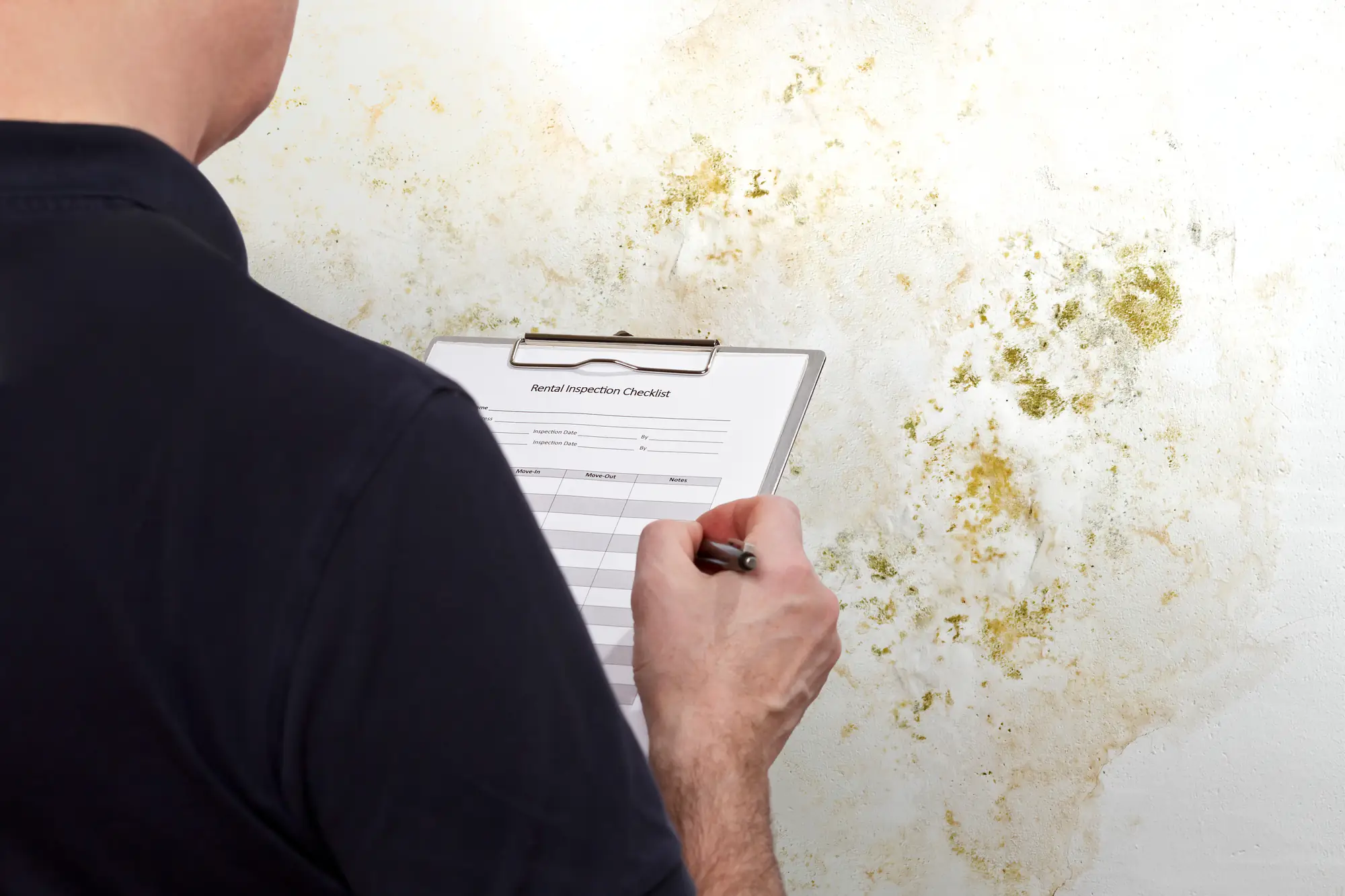
Most mold problems in Castle Valley homes start where you can’t see them. Behind walls. Under floors. In attics with poor ventilation. By the time you notice the musty smell or see black spots, it’s already spread.
That’s the problem with waiting. Mold grows fast in Bucks County’s humid summers, and what starts as a small issue can turn into a $10,000 remediation job if you don’t catch it early.
A proper mold inspection finds the problem before it gets expensive. We use thermal imaging to detect moisture behind walls and professional-grade meters to measure humidity levels in areas you’d never think to check. You get a clear picture of what’s happening in your home, where the moisture is coming from, and what needs to happen next.
No guessing. No surprise costs later. Just honest detection and a plan that makes sense for your situation.
We’ve been helping Castle Valley and Bucks County homeowners deal with mold for years. We’re local, which means we’ve seen the same issues in your neighborhood before. Basement moisture from older foundations. Attic condensation from temperature swings. Bathroom mold that keeps coming back because the exhaust fan isn’t doing its job.
We don’t just look for mold. We figure out why it’s there. That’s what keeps it from coming back after you’ve paid to fix it.
Every inspection we do is free, and we don’t start any work until you’ve seen a detailed estimate and decided it makes sense for you. No pressure. No upselling. Just clear answers about what’s going on in your home.
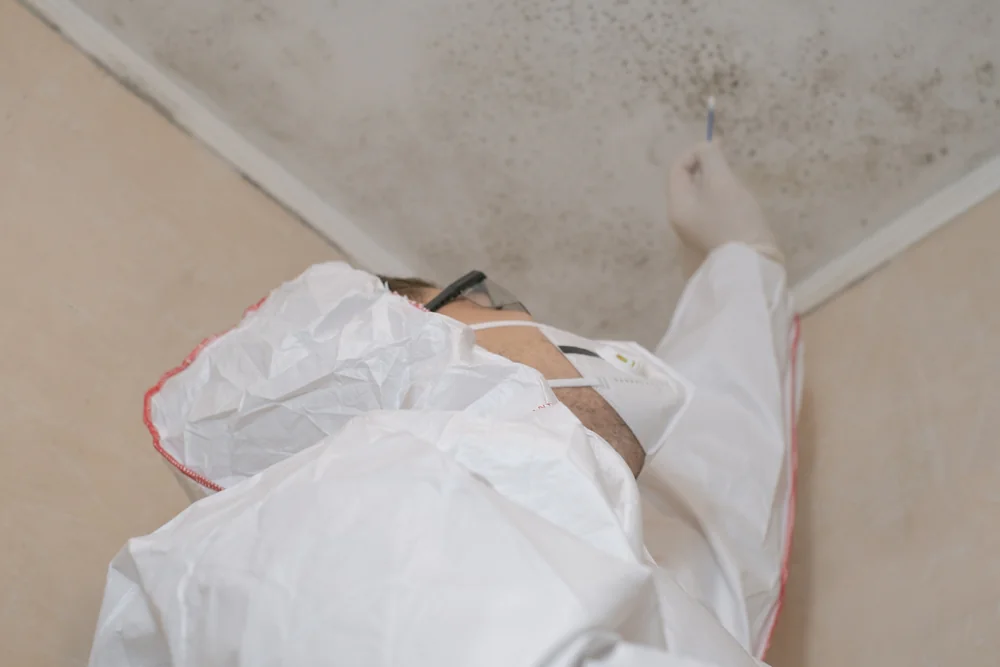
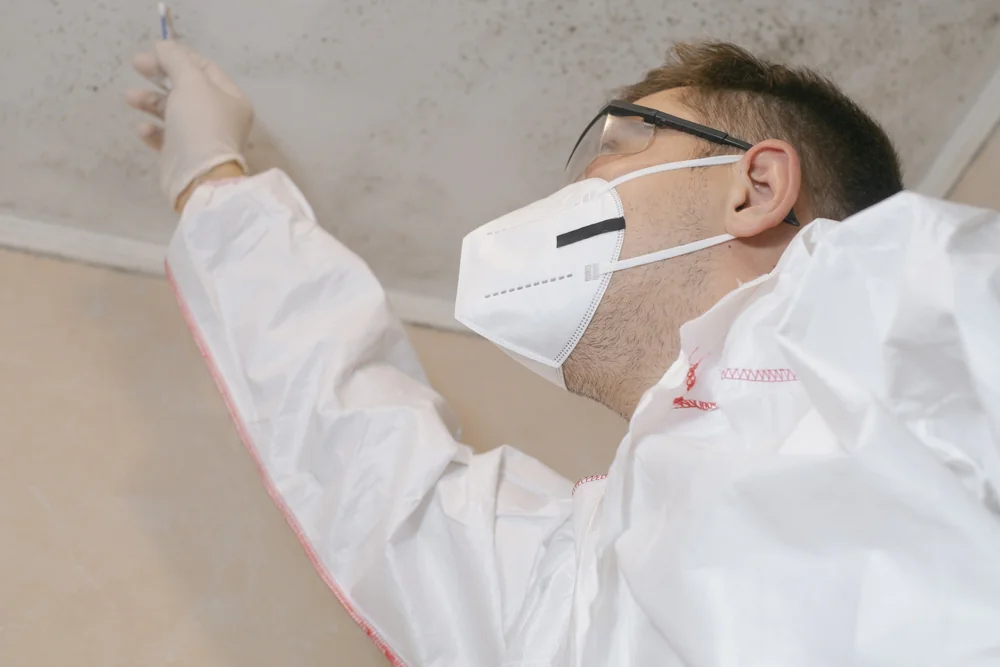
We start with a visual inspection of your entire property. That means checking basements, crawl spaces, attics, bathrooms, and anywhere else moisture tends to hide. We’re looking for visible mold, water stains, condensation patterns, and structural issues that create conditions for mold growth.
Next, we use thermal imaging cameras to detect temperature differences behind walls and ceilings. Cold spots often mean moisture is trapped where you can’t see it. We also use moisture meters to measure humidity levels in building materials. If the reading is high, there’s a mold risk even if nothing is visible yet.
Once we’ve mapped out the problem areas, we explain what we found in plain terms. You’ll know where the mold is, what’s causing it, and what it’ll take to fix it. We provide a written estimate before any work starts, and we’ll walk you through options if there’s more than one way to handle it.
If your insurance covers mold removal related to water damage, we can work with them directly. Many Castle Valley homeowners don’t realize their policy includes coverage until they ask.

Ready to get started?
A real mold inspection isn’t just someone walking through your house with a flashlight. You need equipment that can detect problems before they become visible, and you need someone who knows what to look for in older Bucks County homes.
Our inspections include thermal imaging to find hidden moisture, moisture meter readings in walls and floors, air quality assessment if needed, and a full report of what we found and where. We also identify the source of the moisture, whether it’s a leaky pipe, poor ventilation, foundation seepage, or something else entirely.
Castle Valley has a lot of older homes, and that means basements that weren’t built with modern waterproofing. It means attics that don’t breathe the way they should. It means bathroom exhaust fans that vent into the attic instead of outside. These are the issues that create mold, and they’re fixable once you know they’re there.
We’ll also tell you what you can do to prevent mold from coming back. Sometimes it’s as simple as running a dehumidifier or fixing a gutter. Other times it requires more involved work. Either way, you’ll know what you’re dealing with before you spend a dime.

We don’t charge for mold inspections. Every job starts with a free inspection and a detailed estimate before any work begins.
That’s different from some companies that charge $200 to $400 just to come out and tell you what’s wrong. We’d rather spend that time giving you real answers and a clear plan, and if you decide to move forward with remediation, the inspection is already included.
If you’re buying a home and need a third-party inspection for the sale, that’s a different situation and we can talk through what makes sense. But for homeowners dealing with a mold problem or trying to figure out if they have one, the inspection is on us.
A mold inspection is a visual and technical assessment to find where mold is growing and what’s causing it. That’s what most people need, and it’s usually enough to create a remediation plan.
Mold testing involves taking air or surface samples and sending them to a lab to identify the specific type of mold. It’s not always necessary. If we can see mold or detect moisture in your walls, we already know there’s a problem that needs fixing. The type of mold doesn’t usually change the approach.
That said, testing can be useful if someone in your home has unexplained respiratory symptoms and you want to confirm mold is the cause. It’s also helpful in legal situations or insurance claims where documentation is required. We’ll recommend testing if it makes sense for your situation, but we won’t push it if a standard inspection gives you the answers you need.
Most home mold inspections take between one and two hours, depending on the size of your home and how many areas we need to check.
We’re not rushing through it. We’re checking basements, attics, crawl spaces, bathrooms, and any other spots where moisture tends to accumulate. We’re using thermal imaging and moisture meters in areas that look suspicious. And we’re taking the time to explain what we’re finding as we go.
If your home is larger or if there are multiple problem areas, it might take a bit longer. But you’ll have a complete picture of what’s happening by the time we’re done, and you’ll know exactly what the next steps are.
You can check for visible mold, but you’ll miss the hidden stuff. And hidden mold is usually the bigger problem.
Most serious mold issues in Castle Valley homes are behind walls, under floors, or in attics where moisture has been building up for months without anyone noticing. You can’t see it, and you won’t smell it until it’s already spread. That’s where thermal imaging and moisture meters make the difference.
DIY mold test kits from hardware stores aren’t very useful either. They’ll tell you that mold spores are present, but mold spores are everywhere. What matters is whether you have active growth and a moisture problem that’s feeding it. A professional inspection answers those questions in a way a $10 test kit can’t.
Musty smells that don’t go away are the most common sign. If your basement or bathroom smells like mildew even after you’ve cleaned it, there’s mold growing somewhere you can’t see.
Visible mold is obvious, but it’s not always black. It can be green, white, or even orange depending on the type and where it’s growing. Water stains on ceilings or walls are another red flag, especially if they appeared after a leak or flooding. Even if the stain is dry now, mold could still be growing in the drywall or insulation behind it.
Respiratory symptoms that get worse at home are a serious warning sign. If you’re coughing, wheezing, or dealing with sinus issues that improve when you leave the house, mold exposure could be the cause. That’s especially true for kids and anyone with asthma or allergies. If you’ve had any water damage in the last year, even if it seemed minor at the time, you should get an inspection. Mold starts growing within 24 to 48 hours after materials get wet, and it doesn’t stop unless the moisture problem is fixed.
It depends on what caused the mold. If it’s related to a covered event like a burst pipe, roof leak, or appliance failure, many homeowners insurance policies will cover the cost of mold remediation.
If the mold is from long-term neglect, like a slow leak you didn’t fix or chronic humidity you ignored, insurance usually won’t cover it. That’s why catching problems early matters. The sooner you address water damage, the better your chances of getting coverage if mold develops.
We work with insurance companies regularly, and we can help document the damage and communicate with your adjuster if you need to file a claim. It’s worth checking your policy and asking your agent about your coverage before assuming you’re on your own for the cost.
Other Services we provide in Castle Valley