

Hear from Our Customers
When you have your air ducts properly cleaned and inspected, you stop guessing. You stop wondering why the musty smell comes back every time the AC kicks on, or why your allergies haven’t improved even after everything else checked out. You get a straight answer and if there’s a problem, we fix it.
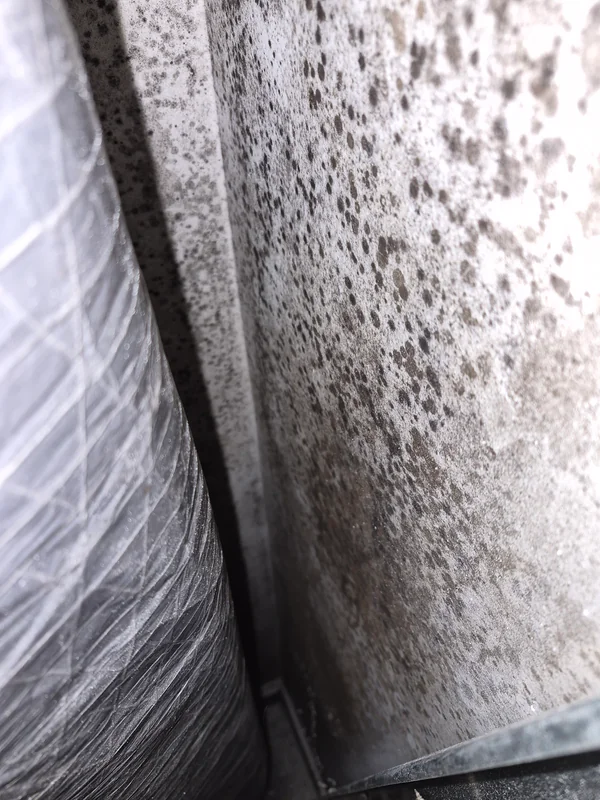
That matters more in Society Hill than almost anywhere else in the Philadelphia area. The neighborhood’s brick rowhouses and colonial townhouses were built centuries before forced-air systems existed. When HVAC was retrofitted into these structures during mid-20th century renovations, contractors threaded ductwork through narrow wall cavities and irregular spaces that were never designed for airflow. Those dead-end runs and low-airflow sections are exactly where moisture collects and mold takes hold quietly, out of sight, until your system starts circulating it through every room.
Add the Delaware River running along Society Hill’s eastern edge, and you’ve got a baseline humidity load that Philadelphia’s inland neighborhoods simply don’t face at the same level. That ambient moisture doesn’t disappear when it enters your home it gets pulled into your HVAC system and cycled through your ductwork. Getting your ducts cleaned and verified by a certified mold specialist means you’re not just maintaining your system. You’re protecting a home that can’t be replaced.
We’ve been operating in the greater Philadelphia area for over 15 years. Our base in Bensalem puts us a straight shot down I-95 South to Society Hill’s waterfront edge roughly 13 to 15 miles with no complicated navigation. This isn’t a franchise dispatching technicians from a corporate playbook. It’s a locally owned operation where the person who answers the phone is the same person accountable for the outcome.
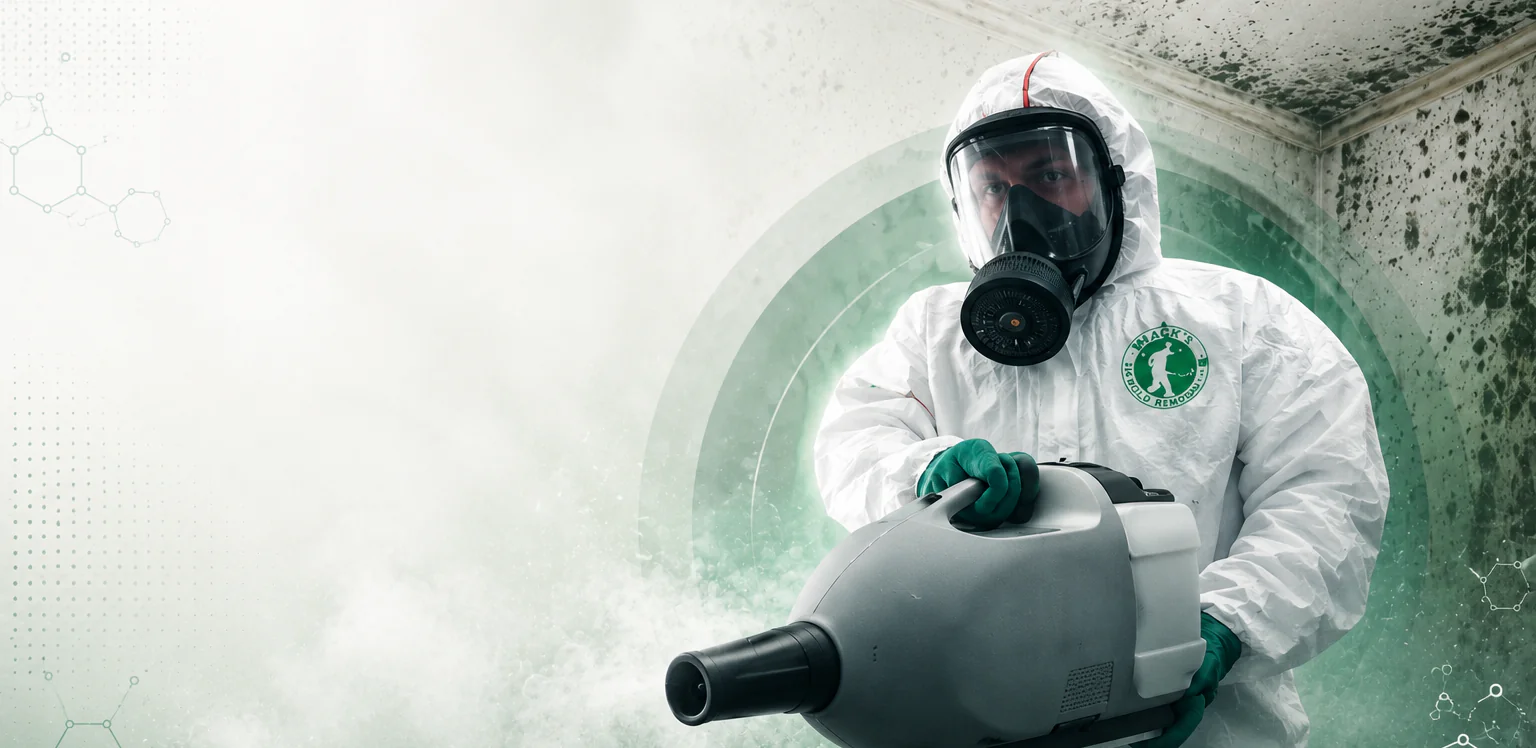
What separates us from a general duct cleaning company is the mold certification behind our work. Disturbing mold inside ductwork without proper containment doesn’t clean the problem it spreads it. We bring certified mold remediation expertise to every air duct job, which means containment protocols, lab-tested samples when needed, and post-cleaning verification to confirm the mold is actually gone. Not assumed gone. Confirmed.
For Society Hill homeowners who’ve invested significantly in a historic property whether it’s a renovated Federal-style townhouse near Headhouse Square or a unit in one of the neighborhood’s older buildings that verification step isn’t a bonus. It’s the whole point.
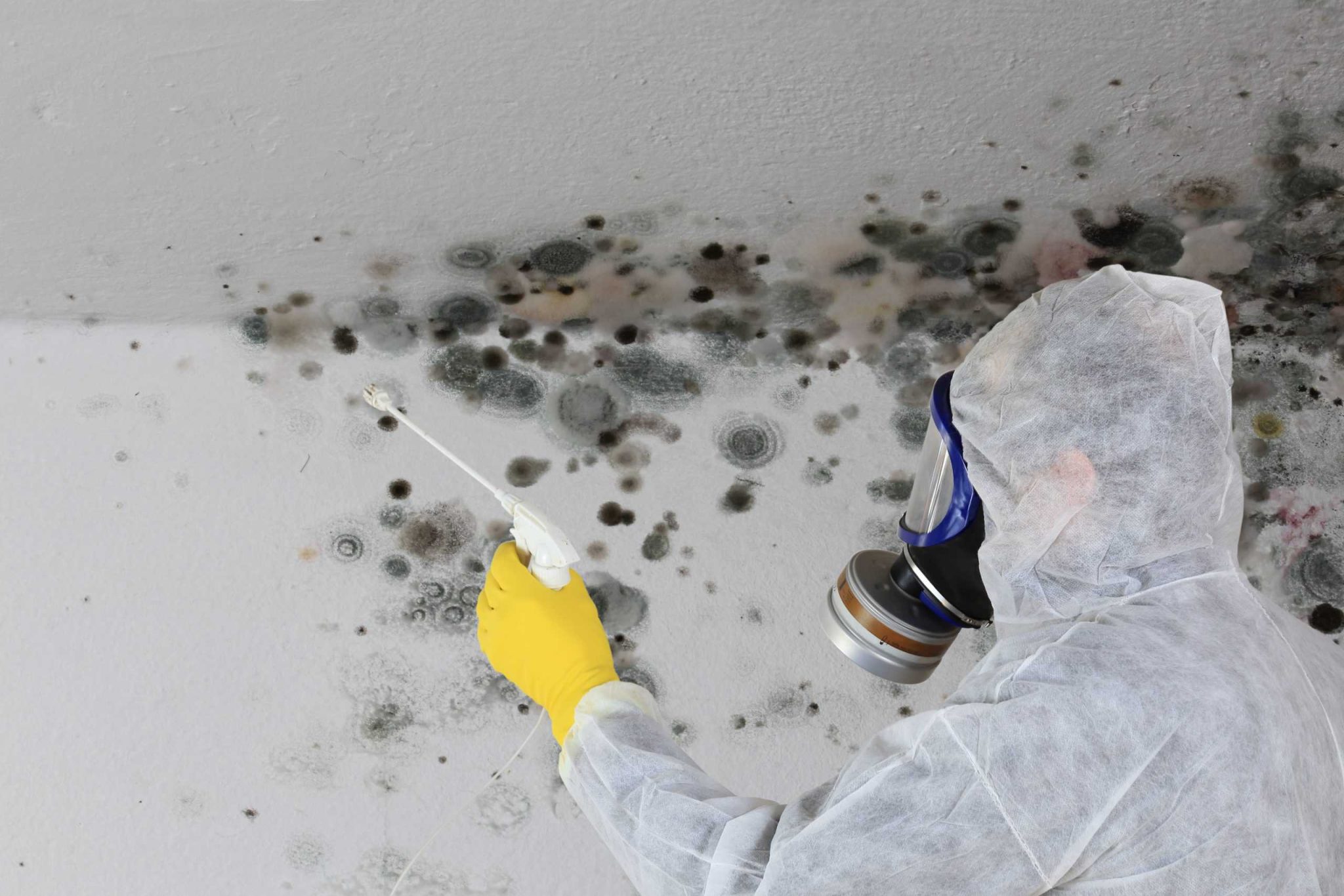
It starts with a free inspection. Before any work is quoted or scheduled, one of our certified specialists takes a look at your system the ductwork, the air handler, the registers, and any areas where moisture or mold activity is likely. In Society Hill’s historic rowhouses, that inspection includes attention to the irregular duct geometries that come with retrofitted HVAC systems: the tight bends, the low-airflow sections tucked into century-old wall cavities, and the basement mechanical rooms where Philadelphia’s clay-heavy soil and combined sewer system create persistent moisture pressure through foundation walls.
Once the inspection is complete, you get upfront pricing before anything starts. No surprises, no add-ons after the fact. Our cleaning uses professional-grade equipment negative air pressure systems and HEPA vacuuming that remove contaminants from both supply and return ducts, not just the registers you can see. If mold is present, containment protocols go up before anything is disturbed, so spores aren’t redistributed through your home during the process.
After the job is done, we test the affected areas to confirm the mold is gone. That’s not standard practice in this industry most companies clean and leave. The post-cleaning verification step is what gives Society Hill homeowners something concrete: documentation that the work actually worked, not just a technician’s word for it.
Ready to get started?
Our air duct cleaning covers both supply and return ductwork the full system, not a partial pass. For homes where mold has been confirmed or suspected, we offer air duct sanitizing as a follow-on treatment: after the mechanical cleaning is complete, an antimicrobial application addresses any remaining biological contamination in the duct interior. In a historic Society Hill rowhouse where ductwork may have gone untouched for years inside masonry walls that hold moisture, that second step makes a real difference.
Dryer vent cleaning is another service that takes on added significance in this neighborhood. Society Hill townhouses often have dryer vents that run long horizontal distances through interior walls before exhausting through the building’s exterior sometimes 20 feet or more through walls built in the 1700s and 1800s. Every bend in that run is a lint accumulation point. The NFPA reports that failure to clean dryer vents is the leading cause of the roughly 15,970 dryer-related house fires that occur in the U.S. each year. In a historic structure with an interior vent run that hasn’t been serviced in years, this is a fire safety issue, not a maintenance preference.
We also work directly with insurance companies on claims a meaningful service for Society Hill homeowners navigating historic property policies after a water event, basement flooding from a combined sewer backup, or post-renovation moisture discovery. Financing is available for those who need flexibility. And our 24/7 availability means you’re not waiting until Monday to get a call back.
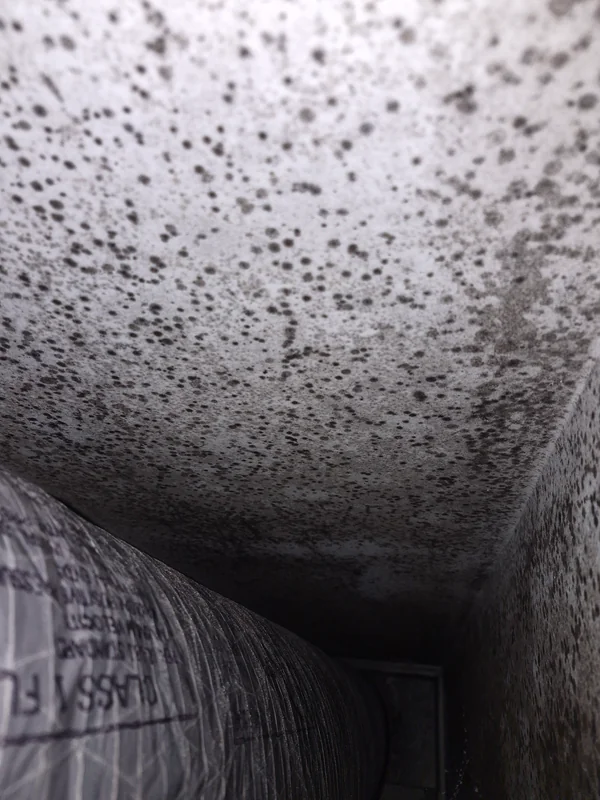
The most common sign is a musty or stale smell that appears specifically when your heating or cooling system kicks on and then fades when it shuts off. That pattern is a strong indicator that something biological is living inside the ductwork itself, not just on a surface somewhere else in the home. You might also notice worsening allergy or asthma symptoms indoors that don’t improve with cleaning, or visible discoloration around registers or vents.
In Society Hill specifically, the combination of older retrofitted ductwork and the elevated ambient humidity from the Delaware River waterfront creates conditions where mold can colonize the interior sections of a duct system without any obvious visible signs at the register. The problem is often deep inside the system in low-airflow dead-end runs or near the air handler in a basement mechanical room where Philadelphia’s groundwater pressure keeps moisture levels high. A free inspection from a certified mold specialist is the only reliable way to know what’s actually there.
Technically, any company with a vacuum and a truck can call themselves an air duct cleaner. The problem is that mold inside ductwork isn’t the same as dust or debris it’s a biological contaminant that requires containment before it’s disturbed. If a technician without mold remediation training starts agitating mold colonies inside your ducts without proper containment protocols in place, they can spread spores throughout your home rather than remove them. That can turn a localized problem into a whole-house problem very quickly through your HVAC system.
This is especially relevant in Society Hill, where many homes have HVAC systems retrofitted into historic masonry structures with limited access points. Working in those tight, irregular duct geometries requires both the right equipment and the right training. A certified mold remediation specialist understands how to contain the affected area, clean it properly, and then verify through post-cleaning testing that the mold is actually gone. That’s a fundamentally different process than a standard duct cleaning visit, and the distinction matters for your home and your family’s health.
It’s one of the most documented scams in the home services industry. The way it typically works: a company advertises an extremely low price to get in the door, then the technician arrives, identifies a long list of “problems,” and the final bill is several times the original quote. Consumer Reports, Angi, and NADCA have all documented this pattern extensively. The $99 price point is a loss leader designed to get access to your home, not a genuine service offer.
NADCA’s published benchmark for a proper air duct cleaning on a typical home is in the range of $450 to $1,000 and that’s for a legitimate job using professional equipment on both supply and return ducts. Anything dramatically below that range should raise questions. We address this directly with a free inspection upfront and written pricing before any work begins. The quote you receive is the price you pay. For Society Hill homeowners who’ve dealt with contractors in a historic renovation context and understand what professional work actually costs, that transparency isn’t a surprise it’s what you should expect from anyone you let into your home.
The general industry recommendation is every three to five years for a typical home, but that baseline assumes a reasonably standard HVAC setup in a home without unusual moisture conditions. Society Hill’s historic rowhouses don’t fit that assumption. Retrofitted ductwork in masonry buildings tends to accumulate contaminants differently than ductwork in wood-frame construction the irregular geometries, limited airflow in certain runs, and proximity to moisture-prone basement spaces all accelerate the rate at which biological material builds up inside the system.
If your home has had any water intrusion events basement flooding from Philadelphia’s combined sewer system during heavy rain, moisture coming through foundation walls, or post-renovation exposure of previously sealed wall cavities those are immediate triggers for an inspection regardless of when the last cleaning was done. The same applies if you’ve recently purchased the property. Many Society Hill buyers discover after closing that the “updated HVAC” they were sold hasn’t had its ductwork serviced in a decade or more. A free inspection is the fastest way to find out where you actually stand.
They’re two separate steps, and both matter when mold is involved. Standard air duct cleaning is a mechanical process using professional equipment to physically remove dust, debris, and biological material from inside the ductwork. It’s thorough, but mechanical cleaning alone doesn’t necessarily eliminate every trace of mold at a microscopic level, especially in duct sections that have had long-term moisture exposure.
Air duct sanitizing is what happens after the mechanical cleaning is complete. An antimicrobial treatment is applied to the interior duct surfaces to address any remaining biological contamination that the physical cleaning process may have left behind. Think of it as the difference between removing visible mold and treating the surface so it can’t immediately re-establish. For Society Hill homeowners dealing with the elevated humidity conditions that come with river-edge living and masonry construction, sanitizing is the step that makes the cleaning last. We offer both, and a certified specialist can walk you through which combination makes sense for your specific system after the inspection.
Bensalem to Society Hill is a direct route down I-95 South roughly 13 to 15 miles with no complicated navigation involved. I-95 runs along Society Hill’s eastern edge near the Delaware River waterfront, which means we’re genuinely close, not just technically within the service area. Multiple customer reviews confirm same-day and next-day response times, and we operate 24/7 for emergency situations so if you discover a mold issue on a Friday evening or notice something alarming when your system kicks on over the weekend, you’re not waiting until Monday to get someone on the phone.
For Society Hill residents who are used to working with professionals who take response time seriously, this matters. A mold problem in a historic rowhouse doesn’t stay contained on its own, and every cycle your HVAC system runs while the issue goes unaddressed distributes the problem further. The proximity and the availability together mean you’re not stuck choosing between waiting for the right specialist and calling whoever can show up fastest. With us, those are the same answer.
Other Services we provide in Society Hill