

Hear from Our Customers
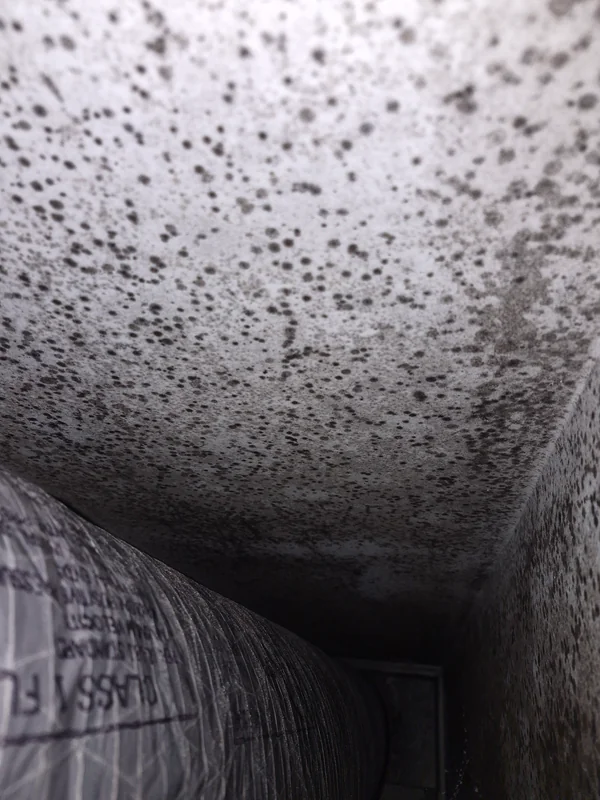
When your HVAC system is running clean, you notice it in ways you didn’t expect. The musty edge in the air when the heat kicks on gone. The low-grade stuffiness your family just learned to live with gone. You stop wondering whether the air in your own home is working against you.
For Richlandtown homeowners, this matters more than it does in newer communities. The historic housing stock along Main Street and Church Street the Victorians, the Dutch Colonials, the early 20th-century construction wasn’t built with modern HVAC in mind. Forced-air systems were retrofitted into these homes over the decades, and the ductwork that came with those retrofits has been collecting dust, moisture, and organic matter ever since.
Add Bucks County’s above-average annual rainfall about 49 inches a year compared to the national average of 38 and you have persistent conditions that push mold into duct systems that were never designed to handle it. Clean ducts mean your system runs more efficiently, your filters last longer, and you’re not continuously recirculating whatever has built up inside.
For families in Richlandtown with kids or anyone dealing with worsening allergies, that’s not a minor upgrade it’s a meaningful shift in daily quality of life.
We’ve been working in Bucks County for over 15 years. Not as a franchise. Not as a call center that dispatches whoever is available. We’re independently owned and operated, which means the person who answers your call actually knows what they’re talking about and shows up to prove it.
Richlandtown is part of the Bucks County service area we’ve been building a reputation in for well over a decade. We understand what Upper Bucks homes deal with the rainfall, the older construction, the moisture that finds its way into basements and crawlspaces and eventually into ductwork. That’s not something you learn from a manual. It comes from years of working in these specific homes, in this specific climate.
We’re certified mold inspectors with lab-tested results, free inspections, and upfront pricing. The difference is that we actually stand behind it.
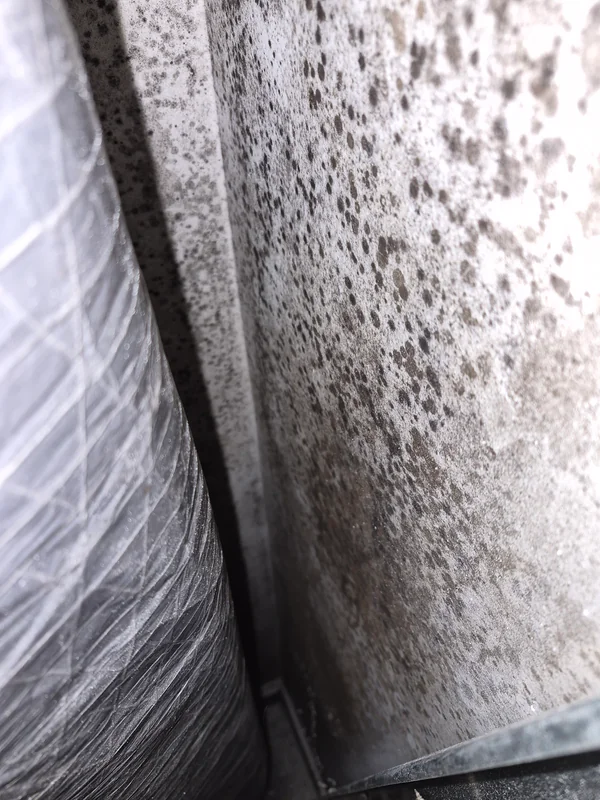
It starts with a free inspection. One of our certified inspectors comes out to your Richlandtown home, looks at the system, and tells you what’s actually there not what we assume is there. If there’s mold in the ductwork, you’ll know exactly where it is, how extensive it is, and what removing it involves. No vague estimates, no pressure.
If you move forward, the process is methodical. The affected duct sections are contained first this is critical and it’s where a lot of general duct cleaners get it wrong. Disturbing mold without proper containment spreads spores into the rest of the house. We use the same containment protocols for ductwork that we use for full mold remediation jobs, because the risk is the same.
After containment, the cleaning and removal work begins mechanical agitation, negative air pressure, HEPA filtration followed by sanitizing treatment to address any remaining biological contamination. What happens after is just as important as the cleaning itself. We test the affected areas post-cleaning to confirm the mold is gone. You get documentation.
In a home where you can’t see inside your own ductwork, that lab-verified result is the only honest answer to “did it actually work?” For older Richlandtown homes where the duct runs often travel through basements near the water table, that post-job verification isn’t optional it’s the point.

Ready to get started?
Air duct cleaning is the core of what we address, but it rarely stands alone especially in Richlandtown. When mold is present in the ductwork, cleaning the physical debris isn’t enough on its own. Air duct sanitizing applies an antimicrobial treatment after the mechanical cleaning is complete, targeting the biological contamination that a vacuum alone won’t fully eliminate.
For homes in Upper Bucks County dealing with persistent moisture from the region’s above-average rainfall and older duct construction, that second step is what keeps the problem from coming back.
Dryer vent cleaning is another service that gets overlooked until something goes wrong. In the Richland Greene townhome subdivision off Windsor Court, and in the rowhouse sections near the town center, dryer vent runs tend to be longer and more complex than in detached single-family homes routed through shared walls and attic spaces in ways that accumulate lint faster than residents realize.
The NFPA reports nearly 16,000 dryer-related house fires per year, and the leading cause is failure to clean the vent. That’s a documented pattern that applies directly to attached housing in communities like Richlandtown. If your home has had mold remediated anywhere a basement, a crawlspace, a wall cavity and the HVAC system was running during that event, your ducts are the next question that needs answering.
We can assess and address the full picture, not just the part that’s visible.
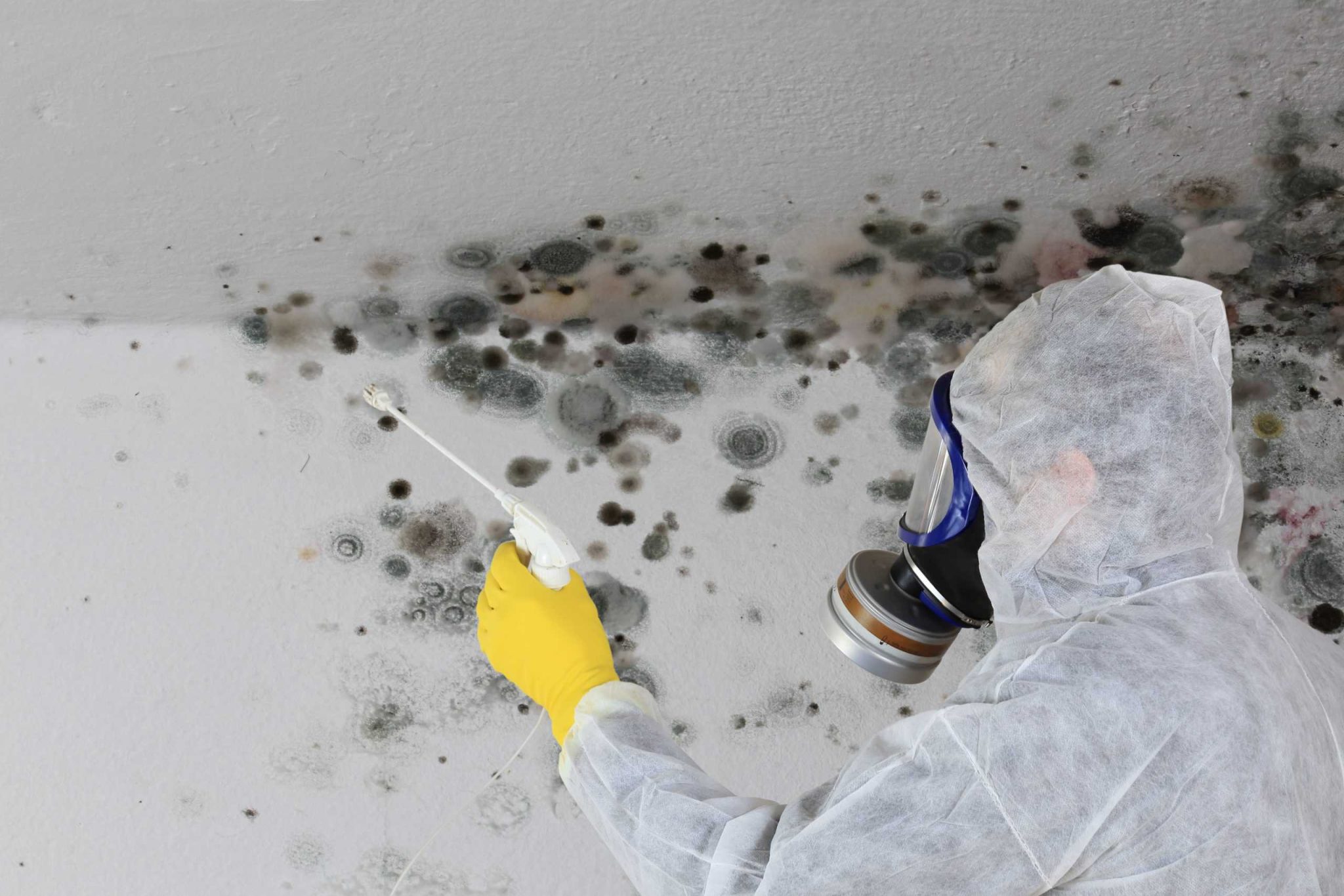
The most common sign is a musty smell that shows up specifically when your HVAC system kicks on and then fades once the air settles. That pattern points to something inside the duct system, not just general household odors. You might also notice worsening allergy or asthma symptoms that seem to track with how much time you’re spending indoors, or visible discoloration around the vent registers themselves.
In Richlandtown’s older homes, the risk is higher than in newer construction because the ductwork was often retrofitted rather than purpose-built. Older duct runs that pass through basements or crawlspaces are particularly vulnerable to moisture infiltration especially in Upper Bucks County, where annual rainfall runs about 11 inches above the national average.
The only way to know for certain is a professional inspection with lab testing. We offer free inspections, so there’s no cost to getting an actual answer rather than a guess.
That’s a fair question, and it depends entirely on what’s actually in your system. The EPA’s position is nuanced routine duct cleaning in the absence of a specific problem doesn’t have clear evidence behind it. But when there’s confirmed or suspected mold in the ductwork, visible debris clogging registers, or a history of water damage in the home, the EPA explicitly recommends cleaning.
For Richlandtown homeowners in older homes with aging ductwork, the “is it worth it” question usually gets answered by the inspection. If a certified inspector finds nothing of concern, you’ll know. If they find mold colonies in the duct runs which is not uncommon in homes where moisture has been an ongoing issue then the question becomes less about whether it’s worth it and more about how soon you want to address it.
We don’t push services that aren’t warranted. The inspection results drive the conversation.
Yes and the HVAC system is actually one of the most efficient ways mold spreads through a home. Every time your system runs, it draws air across the contaminated duct surfaces and distributes whatever is there to every room connected to that system. One section of mold-colonized ductwork becomes a whole-house problem over time, particularly in homes where the system runs for extended periods during Bucks County’s humid summers and cold winters.
This is also why the method of cleaning matters as much as the cleaning itself. A general duct cleaning company that disturbs mold without proper containment protocols can make the spread worse, not better. We use the same containment procedures for duct mold that we use for full structural remediation sealing off the affected sections before any physical work begins, so spores aren’t pushed into areas that were previously unaffected.
If you’ve noticed symptoms worsening across multiple rooms, not just near one vent, that pattern is worth taking seriously.
For most homes, a thorough professional air duct cleaning takes somewhere between four and six hours. That’s the industry standard for a job done correctly both supply and return ducts cleaned, not just the registers you can see from the floor. If mold remediation is part of the scope, the timeline can extend depending on how much of the system is affected and how involved the containment and post-cleaning verification process needs to be.
In Richlandtown’s older homes, the ductwork layout sometimes adds complexity. Retrofitted systems in Victorian-era and early 20th-century construction don’t always follow the clean, linear configurations of newer builds duct runs can be irregular, partially inaccessible, or routed through areas that require more careful work.
That’s not a problem, but it’s worth knowing upfront so you can plan accordingly. We’ll give you a realistic time estimate after the inspection, based on what’s actually in your specific home not a generic number pulled from a brochure.
They’re two separate steps that address two different things. Air duct cleaning is the physical process mechanical agitation, negative air pressure equipment, HEPA vacuuming that removes the built-up debris, dust, and organic matter from inside the duct system. Sanitizing comes after, and it involves applying an antimicrobial treatment to the cleaned surfaces to eliminate the biological contamination that physical removal alone doesn’t fully address.
Whether you need both depends on what’s in your system. If the inspection finds mold or significant biological buildup which is more common in Upper Bucks County’s older housing stock given the region’s moisture levels then sanitizing after cleaning is the step that actually prevents regrowth.
Cleaning without sanitizing in a mold situation is like removing visible mold from a surface without treating the underlying spores. For Richlandtown homes that have dealt with recurring moisture issues, doing both is typically the more complete answer. We’ll be straightforward with you about whether sanitizing is warranted based on what the inspection finds.
If you live in one of the attached townhomes in Richland Greene off Windsor Court, dryer vent cleaning should be a higher priority than it would be for a detached single-family home. The reason is the vent routing. In attached townhome configurations, dryer vents typically run longer distances through shared walls, up through attic spaces, and out through the exterior rather than the shorter, more direct routes common in detached homes. Longer runs accumulate lint faster, create more resistance in the airflow, and are harder to inspect visually from either end.
The NFPA documents roughly 16,000 dryer-related house fires per year in the U.S., with failure to clean the vent as the leading cause. That risk is proportionally higher in attached housing where vent runs are longer and lint buildup happens more quickly than most residents realize.
A professional cleaning clears the full length of the vent not just the accessible section near the dryer and confirms the exhaust path is clear and functioning correctly. If you’ve noticed your dryer taking longer than usual to dry a load, that’s often the first sign the vent is restricted and needs attention.
Other Services we provide in Richlandtown