
Hear from Our Customers
When the heat kicks on for the first time in October, or the AC starts cycling in late May, what comes out of those vents matters. For homes along Red Cedar Drive and the surrounding streets of Red Cedar Hill, that question isn’t abstract it’s tied directly to how these homes were built and what’s happened to them over the past 70 years.
The original Levitt homes in this neighborhood were designed with radiant floor heating. The forced-air ductwork your home has now was added later, retrofitted into a structure that wasn’t originally designed for it. That means more potential gaps, more imperfect seals, and more hidden sections that have never been inspected. Add in Bristol Township’s documented flooding history Neshaminy Creek hit 20 feet during the remnants of Hurricane Ida, with flood stage sitting at just 9 feet and you have a housing stock with chronic moisture exposure feeding directly into aging ductwork.
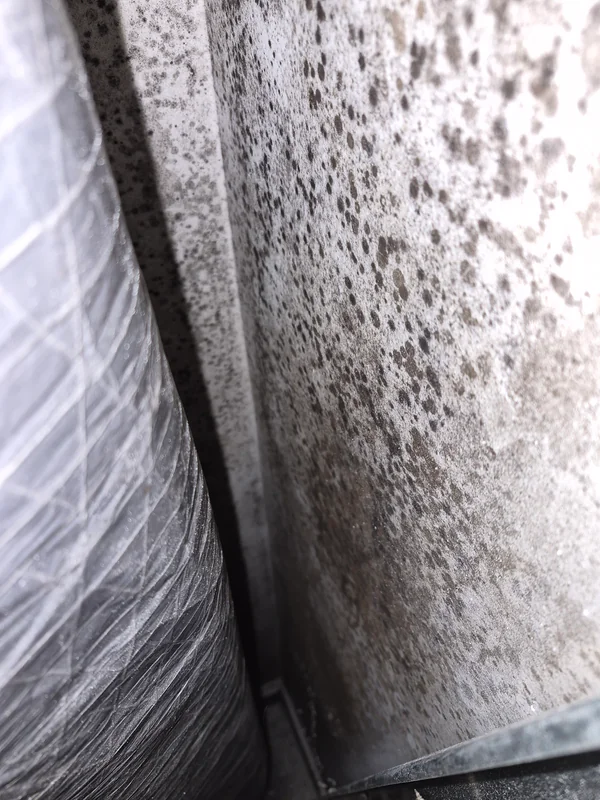
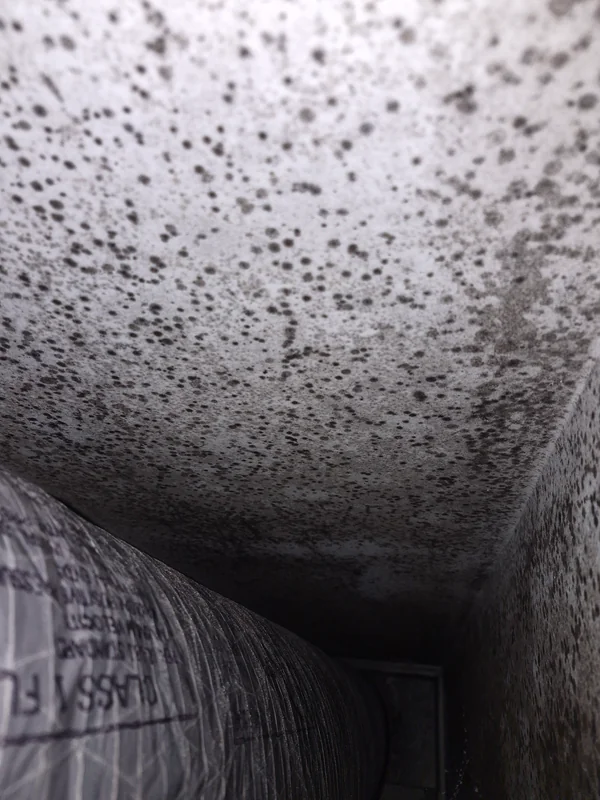
Getting the ducts cleaned here isn’t just routine maintenance. It’s the first real look inside a system that may have been accumulating mold, debris, and moisture-related damage since the last time someone swapped out the furnace. After a proper cleaning and inspection, you know what’s in your air. That’s a different kind of peace of mind than a general tune-up gives you.
We’ve been serving Bucks County homeowners for over 15 years, based out of Bensalem a straight shot down Route 13 from Red Cedar Hill. We’re not a franchise dispatching from a regional call center. When you call, you’re talking to the people who will actually show up at your door, and we respond within 60 minutes for Red Cedar Hill–area calls.
What makes the difference for Red Cedar Hill specifically is that we already know this housing stock. We’ve worked in Levitt-era homes throughout Bristol Township and understand what 1950s construction actually looks like from the inside the crawl spaces without vapor barriers, the slab sections without below-slab moisture protection, the galvanized plumbing that’s now 70 years old. That context changes what we look for during an inspection.
We also work directly with insurance companies when applicable, offer flexible financing, and provide post-cleaning verification lab-confirmed results showing mold levels are back below the industry safety threshold. You’re not just taking our word for it.

It starts with a free inspection. Before any equipment comes out, one of our certified inspectors walks the system not just the visible registers near the ceiling or floor, but the full ductwork run, including any sections that pass through crawl spaces or connect to areas of the home with known moisture history. In a Red Cedar Hill home, that inspection is informed by what we already know about how these structures were built and where moisture tends to enter.
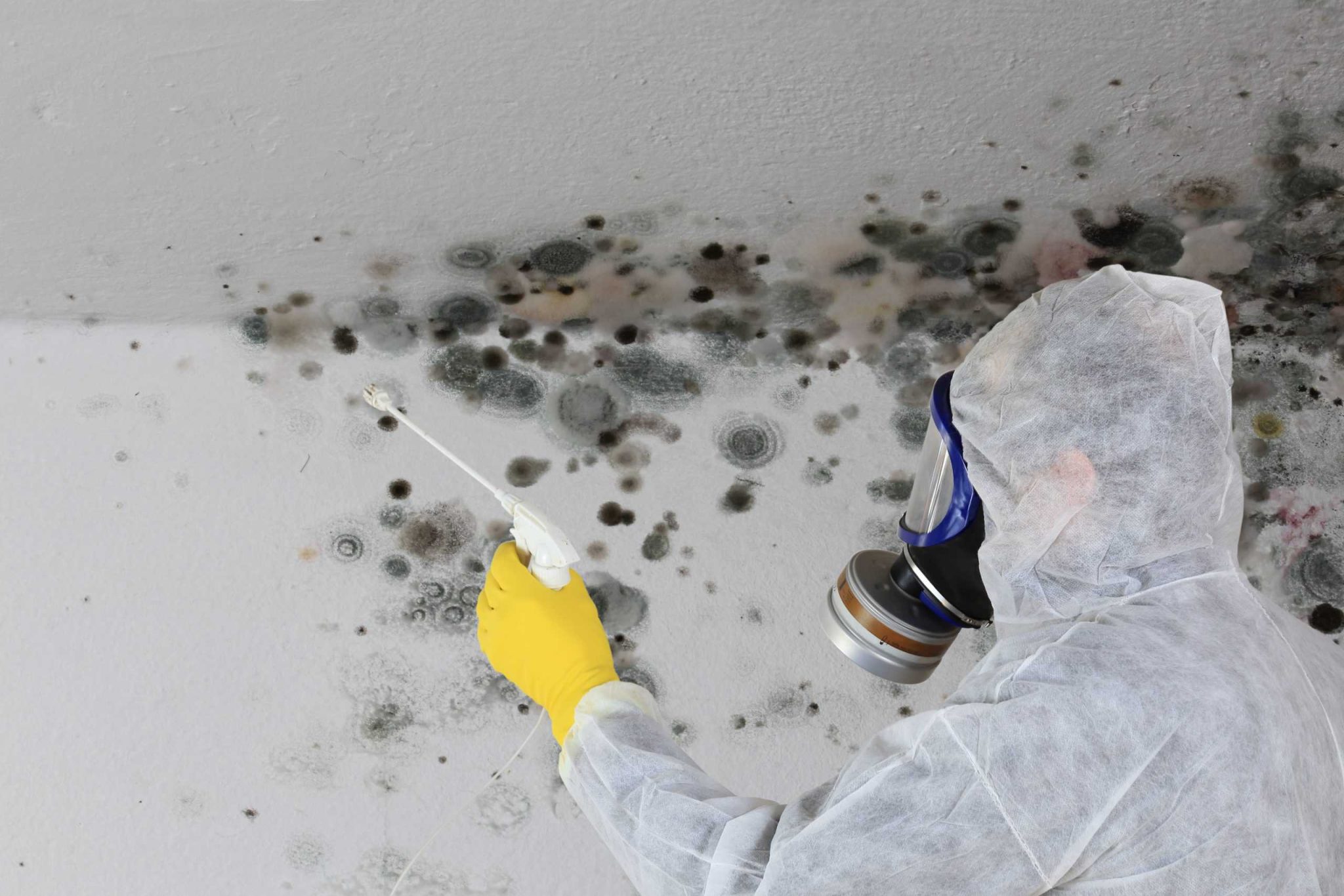
If mold is found, the next step is containment. This is where a mold specialist differs from a general duct cleaner. Disturbing mold in an HVAC system without proper containment protocols pushes spores into every room the ductwork serves. We use negative air pressure and HEPA-rated equipment to keep contamination from spreading during the cleaning process a step that matters significantly in a home where the forced-air system reaches every room.
After cleaning, we don’t just pack up and leave. Affected areas are tested to confirm that mold spore counts are back below the 200-spores-per-cubic-meter safety standard. You get documentation. Bristol Township requires permits for HVAC equipment modifications, but air duct cleaning as a cleaning service doesn’t trigger that requirement so there’s no permitting delay between your call and the work getting done.

Ready to get started?
We handle the full range of services that matter when your HVAC system is involved in a mold situation. Air duct cleaning addresses the physical debris, dust, and biological growth inside the ductwork. Air duct sanitizing goes a step further applying antimicrobial treatment after the mechanical cleaning to address any remaining biological contamination. When mold is confirmed in the system, both steps are typically needed, not just one.
Dryer vent cleaning is also part of what we offer, and in a neighborhood like Red Cedar Hill where homes sit on 0.16-acre lots and many were built with carports rather than detached garages it’s not a minor maintenance item. The NFPA reports nearly 16,000 dryer-related house fires per year, with failure to clean the vent as the leading cause. In a close-set neighborhood, that risk is worth taking seriously.
For homeowners who’ve had any water event in their basement whether from a sump pump failure during a storm or the slower, chronic moisture that comes with Levittown’s high water table we also provide post-event duct inspection as part of a complete mold response. The basement and the ductwork are connected problems in these homes, and we treat them that way.
The most common sign is a musty smell that shows up when the heating or cooling system kicks on not a constant odor, but one that appears specifically when air starts moving. In Red Cedar Hill’s older homes, that smell often gets written off as “the old house smell,” but it’s worth taking seriously. Other signs include visible discoloration near registers, worsening allergy or asthma symptoms indoors that seem to ease when you leave the house, or a history of any water intrusion in the basement or crawl space.
Given that most homes in Red Cedar Hill were built in the early 1950s with construction methods that didn’t account for modern moisture management, the risk of mold in the ductwork is genuinely higher here than in newer builds. If your home has had any basement flooding and Bristol Township’s flooding history makes that a common experience a duct inspection is a reasonable next step, not an overcautious one. Our free inspection removes the financial barrier to finding out.
It depends on what’s in the ducts. The EPA takes a nuanced position on routine duct cleaning they acknowledge that the evidence for general dust removal improving air quality is mixed. But their guidelines are clear on one scenario: when mold is confirmed in the system, cleaning is warranted. That distinction matters for Red Cedar Hill homeowners, because the question isn’t whether to clean dusty ducts for a marginal air quality improvement it’s whether a mold-contaminated HVAC system is cycling spores through every room in the house.
If your allergy symptoms are worse at home than elsewhere, and especially if they worsen when the HVAC system is running, that’s a meaningful signal. Mold spores are a documented asthma and allergy trigger, and an HVAC system is an efficient delivery mechanism it pushes air through every room simultaneously. Addressing mold in the ductwork directly targets the source of that exposure, which is different from general duct cleaning marketed as a wellness upgrade.
Yes, and this is one of the most commonly skipped steps after a water event in Red Cedar Hill and other Levittown-area homes. When a basement floods whether from a sump pump failure during a heavy storm or from Neshaminy Creek backup during a major rain event the moisture doesn’t stay neatly contained to the floor. It migrates through the structure, and in a home built with 1950s construction methods, that means it moves through crawl spaces, along slab seams, and into areas where ductwork runs.
Mold typically takes 24 to 72 hours to begin growing after a moisture event, and it often develops in hidden sections of the ductwork before it becomes visible or produces a noticeable smell. By the time you notice something, the contamination is usually more established than it would have been if you’d caught it early. A post-flood duct inspection is a straightforward step that gives you a clear answer and with a free inspection, there’s no cost to finding out whether the system is clean.
These are two separate steps that are often confused. Air duct cleaning is the mechanical process using negative air pressure, HEPA vacuums, and agitation tools to physically remove debris, dust, and biological growth from inside the ductwork. It addresses what’s physically present in the system. Air duct sanitizing comes after the cleaning and involves applying an antimicrobial treatment to the interior surfaces of the ducts to address any remaining biological contamination that the mechanical cleaning process couldn’t fully remove.
When the concern is routine dust and debris, cleaning alone is often sufficient. When mold is involved, sanitizing is typically a necessary follow-up because mold isn’t just a physical material you can vacuum out, it’s a biological growth that can persist on surfaces even after visible removal. For homes in Red Cedar Hill that have had moisture issues, doing the cleaning without the sanitizing step is like washing a surface without disinfecting it. We address both steps when the inspection indicates they’re needed.
The industry standard recommendation is every three to five years for a typical home under normal conditions. For older homes in Red Cedar Hill particularly those built in the early 1950s with retrofitted forced-air systems the timeline is worth revisiting based on the specific history of the home rather than a fixed schedule. If the home has had any water intrusion, any prior mold remediation work, or if the ductwork has never been professionally inspected since the HVAC system was converted from radiant heat, that’s a more pressing trigger than a calendar date.
It’s also worth noting that if you’ve had mold remediated elsewhere in the home say, in the basement or behind drywall and the HVAC system wasn’t part of that remediation, the ducts should be inspected. A remediated space can be recontaminated if the ductwork is still harboring mold and continues circulating spores throughout the house. The ductwork is often the last thing checked and the first way a mold problem comes back.
Skepticism is warranted. The $99 air duct cleaning offer is a well-documented industry pattern a low entry price followed by aggressive upselling once a technician is inside your home. Consumer Reports and NADCA have both flagged this as one of the most common scams in the duct cleaning industry. The actual cost of a legitimate, thorough air duct cleaning for a typical home runs considerably higher than that, and a job done in under an hour at a bargain price almost certainly isn’t reaching the full system.
For Red Cedar Hill homeowners specifically, this matters more than it might in a newer neighborhood. Your home’s ductwork is retrofitted into a 1950s structure, likely has sections that are harder to access, and may have conditions moisture history, aging seals, mold risk that require a more careful approach than a quick pass with a shop vac. We provide upfront pricing after a free inspection, so you know what the job costs before any work begins. The price you’re quoted is the price you pay.
Other Services we provide in Red Cedar Hill