
Hear from Our Customers
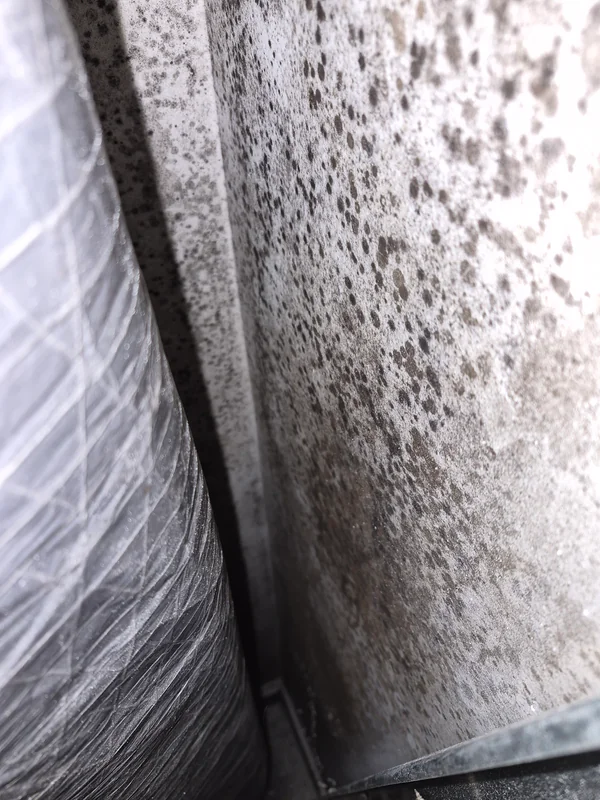
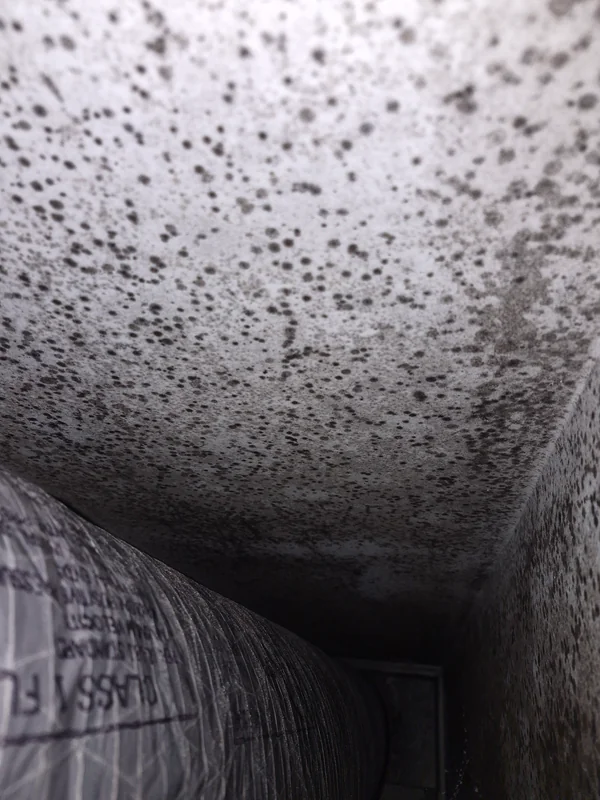
When your HVAC system runs, it touches every room in your house simultaneously. That’s convenient when the system is clean. When it’s not when mold has colonized the ductwork, evaporator coils, or drip pans every heating and cooling cycle becomes a delivery mechanism. The problem doesn’t stay in the basement or the crawl space. It travels.
For Plumsteadville homeowners, this is a real and specific risk. The township’s older homes farmhouses, stone colonials, mid-century ranchers along and off Route 611 were built before modern ventilation and moisture-control standards existed. Many have ductwork that’s never been professionally inspected, let alone cleaned. Add in Bucks County’s humid summers, the seasonal groundwater rise near the Tohickon and Neshaminy Creek corridors, and the combined sewer systems in parts of the township that can back up during heavy rains, and you have a set of conditions that quietly push moisture into HVAC systems year after year.
What changes after a proper cleaning? The musty smell when the AC kicks on goes away. Allergy symptoms that spiked indoors but cleared up outside start to make sense and then start to improve. Families with kids in the Central Bucks School District who’ve been wondering why someone’s always congested at home get an actual answer. The air your household breathes every night stops being the problem.
We’ve been working in Bucks County homes since 1995. That’s not a marketing number it’s the difference between a technician who’s seen one version of a mold problem and one who’s seen every version. Plumsteadville’s housing stock, its creek-adjacent moisture exposure, its older foundations none of it is unfamiliar territory to us.
What sets Mack’s Mold Removal apart from the general duct cleaning companies that show up in local search results isn’t just the years of experience. It’s the certification. We are mold remediation specialists, not HVAC generalists. Disturbing mold in older ductwork without proper containment protocols doesn’t solve the problem it spreads it. We bring the containment knowledge, the lab testing, and the post-cleaning verification that a standard duct cleaning crew simply doesn’t carry.
We’re locally based in Bensalem, within Bucks County not a franchise call center dispatching crews from across state lines. When you call, you’re reaching people who know what Plumsteadville looks like, what the housing stock is like, and what the humidity does here in July.
It starts with a free inspection. Before any equipment comes out, our technician walks the property and evaluates the full picture not just the visible registers, but the return air intakes, the areas near the basement or crawl space, and any zones where moisture has had a pathway into the system. In Plumsteadville homes, that often means paying close attention to lower-level return air sources, especially in older stone or masonry foundations where seasonal moisture infiltration is common.
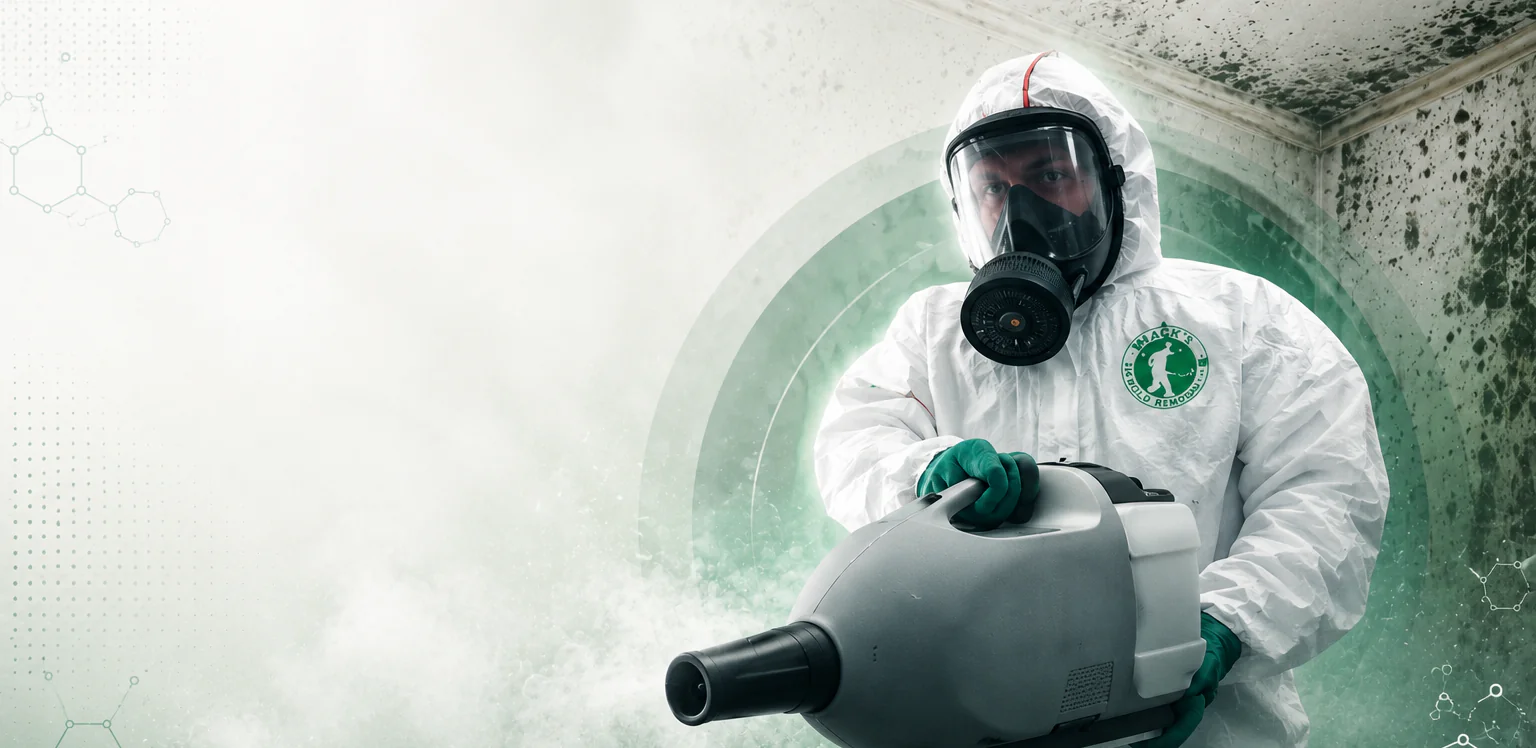
From there, our cleaning process uses professional-grade equipment negative air pressure systems and HEPA vacuums to pull debris, biological growth, and contaminants out of the ductwork rather than redistributing them. This is the part that separates a legitimate cleaning from a low-ball crew running a vacuum hose at the register for twenty minutes. We address both supply and return ducts. If mold is found during the inspection, we apply containment protocols before any disturbing of contaminated material begins.
After the cleaning, we verify the results. Affected areas are tested to confirm the mold is actually gone not just moved around. You get documentation, not just a handshake. If dryer vent cleaning or air duct sanitizing is part of the job, we complete those in the same visit. Pricing is given upfront before any work begins, and it doesn’t change when the job is done.
Ready to get started?
Our air duct cleaning covers the full system supply ducts, return ducts, and the components that most cleaning companies skip entirely. That includes the evaporator coils and drip pans where condensation collects and mold gets its start, particularly during Plumsteadville’s hot, sticky summers when the AC runs hard and moisture has nowhere easy to go.
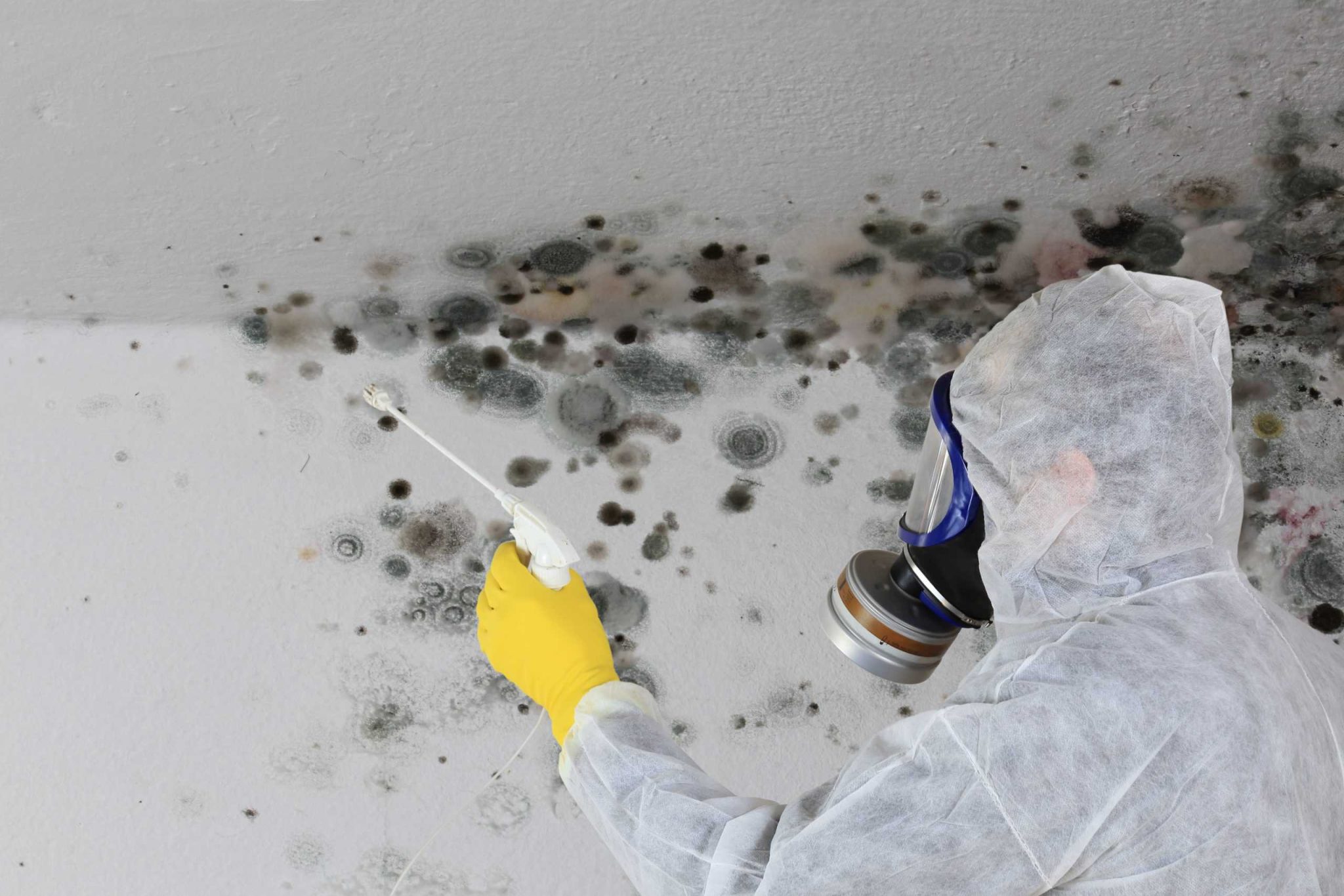
Air duct sanitizing is available as a follow-on to mechanical cleaning when mold contamination is confirmed. Cleaning removes the physical debris and biological growth; sanitizing applies an antimicrobial treatment to address what’s left behind at the surface level. For homes where mold in the HVAC system is the issue not just accumulated dust both steps together are what actually resolve the problem. This distinction matters, and it’s one that general duct cleaners rarely explain clearly.
Dryer vent cleaning is also part of our service offering. In older Plumsteadville homes where original dryer vent configurations haven’t been updated in years, lint blockage is a genuine fire risk not a theoretical one. The NFPA tracks roughly 15,970 dryer-related house fires per year nationally, with failure to clean the vent as the leading cause. We handle dryer vent cleaning with the same documented, process-driven approach as the duct work. Insurance assistance is available when mold remediation intersects with a homeowner’s insurance claim, and we offer flexible financing for situations where the scope of work is significant.

The most common sign is a musty smell that appears specifically when your heating or cooling system kicks on and fades when it’s off. That pattern smell tied to airflow is a strong indicator that something biological is growing inside the ductwork rather than somewhere else in the house. Visible discoloration near registers or on vent covers can also point to contamination, though by the time you can see it at the surface, the growth deeper in the system is often more significant.
In Plumsteadville, this shows up most often in homes with older ductwork, basement-level return air intakes, or any history of water intrusion in the lower levels of the house. The township’s creek-adjacent areas particularly properties near the Tohickon corridor or along Point Pleasant Pike see elevated groundwater in wet seasons, and that moisture has a way of finding its way into HVAC systems over time. A free inspection from us will give you a clear answer based on what’s actually in the system, not a guess.
This is a fair question, and the honest answer is: it depends on what’s in your ducts. The EPA’s position is nuanced routine cleaning in the absence of a specific problem has unclear benefits. But when mold is confirmed in the ductwork, when there’s been pest activity, or when significant debris is blocking airflow, the EPA explicitly recommends cleaning. Those aren’t edge cases in Plumsteadville’s older housing stock they’re common findings in homes that have never had a professional inspection.
Where air duct cleaning is clearly worth it is when you have a documented mold problem, worsening allergy or respiratory symptoms tied to time spent indoors, or a home that’s changed hands and has no service history on the HVAC system. In a market where Plumsteadville homes are selling around $728,000 and moving in roughly 30 days, buyers of older properties are increasingly asking about HVAC condition as part of due diligence. Knowing what’s in the system and being able to document a clean result has real value beyond just the health side of things.
Cleaning and sanitizing are two separate steps that address two different parts of the same problem. Mechanical cleaning using negative air pressure equipment and HEPA vacuums physically removes debris, dust, and biological growth from inside the ductwork. It’s the essential first step. But after mechanical cleaning, microscopic mold spores and bacterial residue can remain on duct surfaces even when the visible contamination is gone. That’s where sanitizing comes in.
Air duct sanitizing applies an antimicrobial treatment to the interior surfaces of the ductwork after the mechanical cleaning is complete. It’s not a substitute for cleaning it’s a follow-on step that addresses what’s left at the surface level. For Plumsteadville homeowners dealing with confirmed mold in the HVAC system, doing only one step and skipping the other leaves the job incomplete. We’ll tell you clearly which steps are warranted based on what the inspection actually finds not based on upselling.
The industry standard recommendation is every three to five years for a typical home without specific problems. But that baseline assumes reasonably modern construction, a dry environment, and no history of water intrusion or mold. Plumsteadville’s older homes don’t always fit those assumptions. Farmhouses and stone colonials along and off Route 611, homes with original or aging ductwork, and properties in the lower-lying portions of Plumstead Township near the creek corridors these are situations where more frequent inspection makes sense, even if full cleaning isn’t needed every time.
The honest answer is that frequency should be driven by what the inspection reveals, not by a calendar. If you’ve had any water intrusion in the basement, noticed musty odors when the HVAC runs, or purchased a home with no documentation of prior duct cleaning, that’s the trigger for an inspection regardless of how long it’s been. A free inspection from us gives you an actual baseline to work from rather than guessing.
Yes, and this is exactly why mold in an HVAC system is a different problem than mold in a single isolated spot. Every time your heating or cooling system runs, it moves air through the entire duct network and into every room in the house. If mold is present in one section of the ductwork, the airflow distributes spores throughout the system to bedrooms, living areas, and anywhere else the air reaches. It’s one of the most efficient ways a localized mold problem becomes a whole-house problem.
This is also why the order of operations matters. If mold has been remediated somewhere else in your home a basement wall, a crawl space, behind drywall but the HVAC system wasn’t inspected as part of that job, there’s a real risk that the ducts are still harboring contamination that will reintroduce spores into the remediated space. We check the full air pathway, not just the area that was already treated, which is a step that a lot of standard remediation jobs skip.
A few questions that actually matter: Do they clean both supply and return ducts, or just one side of the system? A company that only cleans one is leaving half the job undone. Do they use negative air pressure equipment, or are they running a shop vac at the register? The equipment difference is significant. Do they provide documentation of what they found before and after the job? If they can’t show you evidence of the problem and proof that it’s resolved, you’re taking their word for it.
For Plumsteadville specifically, it’s worth asking whether the company has experience with older homes and mold-specific scenarios not just routine dust removal. The housing stock here includes properties where ductwork, foundations, and moisture exposure patterns are meaningfully different from a newer suburban build. A company that treats every job the same way regardless of the home’s age or condition isn’t accounting for that. We offer a free inspection upfront, give you pricing before any work begins, and test affected areas after the job to confirm the mold is actually gone so you’re not left wondering whether it worked.
Other Services we provide in Plumsteadville