
Hear from Our Customers
There’s a difference between a duct cleaning company that shows up with a vacuum and one that understands why your vents smell the way they do after a wet spring. In Newportville Terrace, that difference matters more than it does almost anywhere else in Bucks County.
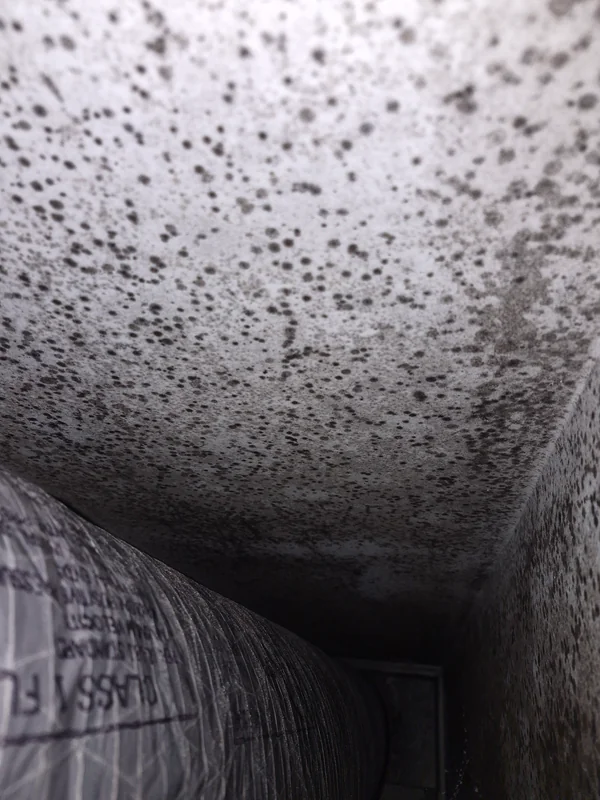
The Neshaminy Creek has been documented rising from one foot to six feet in depth near Bensalem and Bristol Township during major storms. When water gets into a basement even briefly, even partially your HVAC system draws from that environment the next time it kicks on. The moisture gets pulled in, it sits inside the ductwork, and in the right conditions, mold follows. Most homeowners in this corridor have had at least one basement water event. Many have had several. What they haven’t always had is someone check the ducts afterward.
The homes here were also built predominantly in the 1950s as part of the Levittown development. That housing stock is now 65 to 75 years old. Original ductwork from that era if it’s never been replaced has been cycling Delaware River humidity through its interior every summer for seven decades. After a professional cleaning and mold inspection from us, you’re not just getting cleaner air. You’re getting clarity on what’s actually been circulating through your home, and a documented plan to address it.
We’re based in Bensalem the same township that contains Newportville Terrace. This isn’t a company driving in from Montgomery County or sending a subcontractor who’s never seen a 1950s Levittown Cape Cod with original galvanized ductwork. We’ve been working in this corridor for over 15 years, and we know what lower Bucks County homes look like from the inside.
What sets us apart from a general duct cleaning company isn’t the equipment it’s the certification. We bring certified mold remediation specialists to every job, not just technicians with a vacuum hose. When mold is present in ductwork, disturbing it without proper containment protocols can spread spores from one room to every room in the house. That’s not a risk you want to take with a company that doesn’t specialize in mold.
Every job includes a free inspection and upfront pricing no hidden fees, no surprises after the work is done. And if the situation involves an insurance claim, we work directly with your insurance company so you’re not managing that process alone.
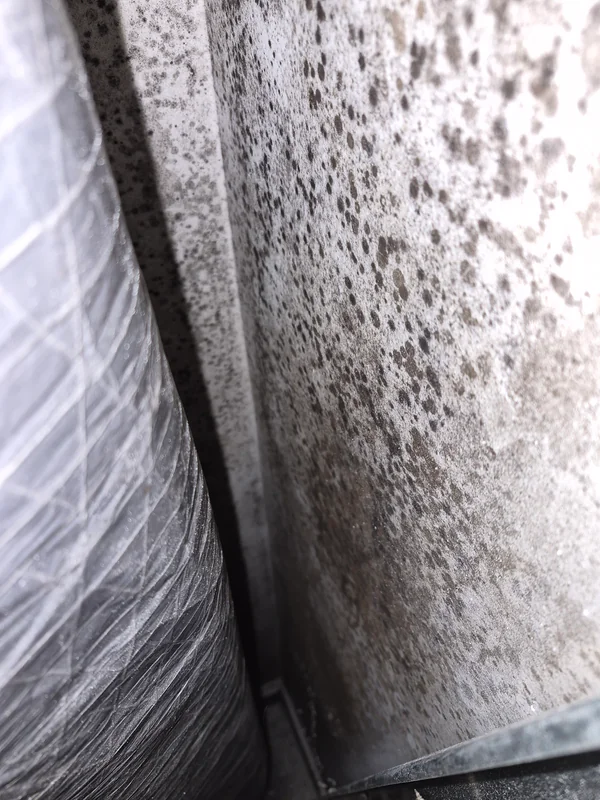
It starts with a free inspection. One of our certified inspectors comes to your home, assesses the ductwork, and identifies whether you’re dealing with dust accumulation, mold growth, or both. In Newportville Terrace, where many homes sit in the Neshaminy Creek flood corridor and were built during the Levittown era, that inspection often turns up conditions that a quick visual check at the register would never reveal. Mold grows in the interior sections of ductwork the parts you can’t see not at the vent cover.
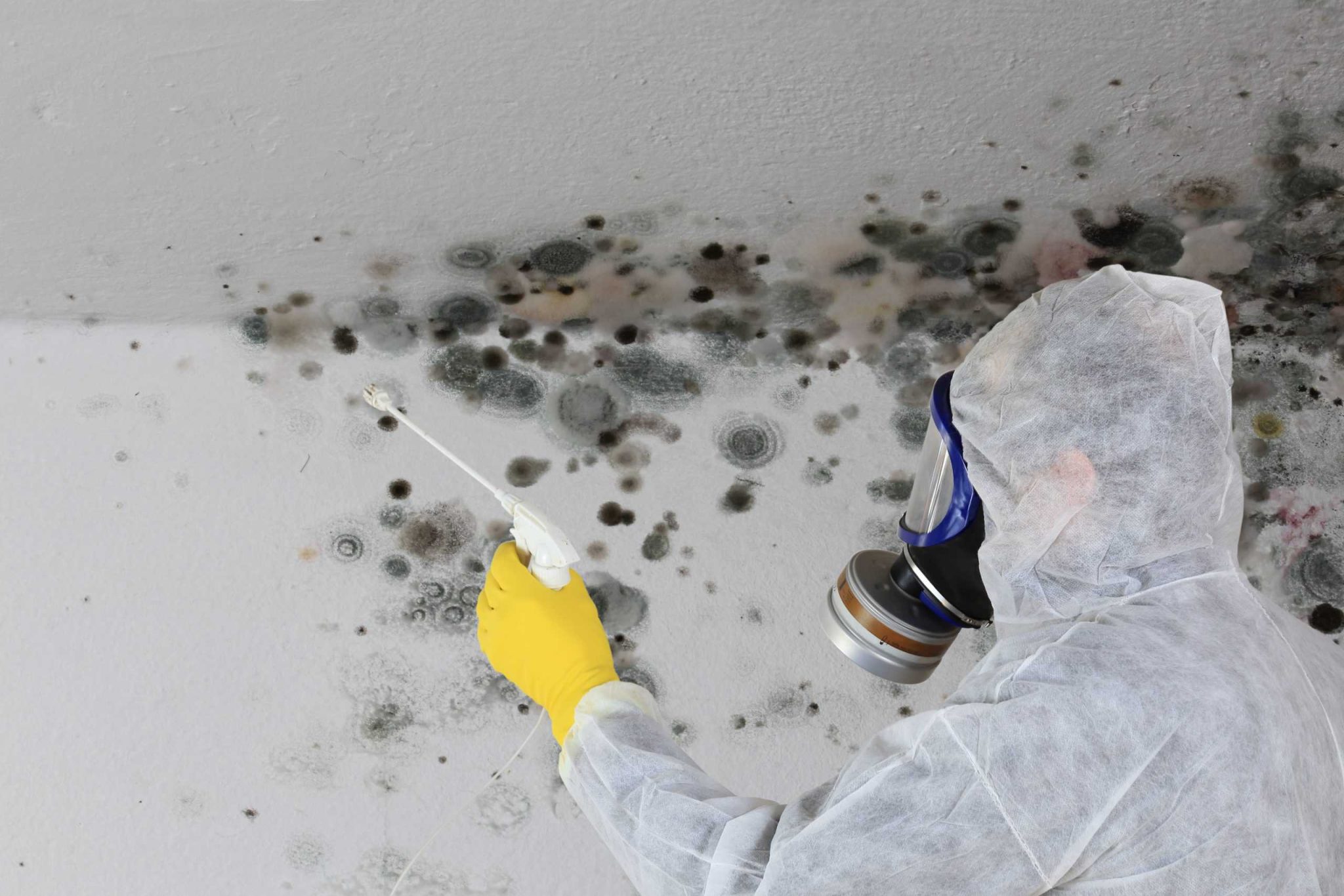
If mold is found, our remediation process uses proper containment protocols before any cleaning begins. This is the step that separates a mold specialist from a general HVAC cleaner. Spores that get disturbed without containment travel through the air system and redeposit throughout the house. We prevent that from happening by treating the ductwork the same way we’d treat any other mold remediation job methodically, with the right equipment, and with documentation at every stage.
After the cleaning is complete, we test the affected areas to confirm the mold is gone. Not just cleaned. Gone. You get lab-verified results, not a handshake and a promise. Given that Bucks County averages around 49 inches of rain per year well above the national average and that the Delaware River corridor generates elevated ambient humidity through the summer months, that post-cleaning verification isn’t optional. It’s the only way to know the job was actually done right.

Ready to get started?
Air duct cleaning and air duct sanitizing are not the same thing, and in a neighborhood like Newportville Terrace, that distinction matters. Cleaning removes the physical debris dust, particulate, biological buildup from the interior surfaces of your ductwork. Sanitizing applies an antimicrobial treatment to the cleaned surfaces to address any remaining biological contamination. When mold is involved, both steps are typically necessary. Doing one without the other leaves the job incomplete.
We also handle dryer vent cleaning, which is worth taking seriously in older Levittown-era homes. The NFPA reports over 15,000 dryer-related house fires per year, with failure to clean dryer vents as the leading cause. In 1950s construction, dryer vent routing is often longer and more convoluted than in modern homes because these houses weren’t designed around today’s dryers. Lint accumulates faster in longer runs, and the risk is proportionally higher.
For homeowners near Newportville Road who’ve been living through the Pennsylvania Turnpike bridge construction that closed the road in 2024, there’s an additional reason to get the system checked. Active construction generates concrete dust and fine particulate that infiltrates home air intakes and settles in ductwork. Add that to the existing moisture history of a lower Bucks County home, and you have a compelling case for a professional inspection before the next heating season begins. We offer flexible financing options for residents who want to address the problem now rather than wait.

The honest answer is that you usually can’t tell just by looking at the vents. Mold grows in the interior sections of ductwork behind the register, deep in the supply and return runs where it’s dark, damp, and undisturbed. By the time you notice discoloration near a vent cover or a persistent musty smell when the system kicks on, the problem has typically been developing for a while.
In Newportville Terrace specifically, the risk is elevated because of the neighborhood’s position in the Neshaminy Creek corridor. When the creek rises during major storms and it has been documented rising from one foot to six feet in this area basement moisture events are a recurring reality, not a freak occurrence. Each time water enters a basement, your HVAC system draws from that environment during the next heating or cooling cycle. The moisture gets pulled into the ductwork, and if conditions are right, mold follows within 24 to 48 hours of sustained dampness.
A professional mold inspection of your duct system is the only reliable way to find out what’s actually there. We offer free inspections, so there’s no financial barrier to getting a real answer.
They’re two separate steps that address two separate problems. Air duct cleaning is the mechanical process removing dust, debris, and biological buildup from the interior surfaces of your ductwork using professional equipment. Air duct sanitizing comes after the cleaning and involves applying an antimicrobial treatment to the cleaned surfaces to eliminate any remaining biological contamination, including mold spores that cleaning alone may not fully address.
Whether you need both depends on what’s in your ducts. If the issue is primarily dust and particulate common after the construction activity on Newportville Road in 2024, for example cleaning alone may be sufficient. But if mold is present, sanitizing is a necessary second step. Cleaning without sanitizing in a mold situation is like wiping a surface without disinfecting it. You’ve removed the visible material, but the biological risk remains.
We inspect first, identify exactly what’s present, and then recommend only what the situation actually calls for. You won’t be upsold on a service you don’t need.
This is one of the most important questions to ask before you hire anyone. A general duct cleaning company is trained to remove dust and debris. They’re not typically trained in mold containment protocols, and that distinction has real consequences. When mold is present in ductwork and gets disturbed without proper containment, the spores become airborne and travel through the air system to every room in the house. You can end up with a worse situation than you started with.
A certified mold remediation specialist treats ductwork the same way we’d treat any other mold job with containment established before work begins, proper removal procedures, and post-remediation testing to confirm the mold is gone. In lower Bucks County, where aging Levittown-era homes and the Delaware River humidity corridor create conditions that support mold growth in HVAC systems, having someone who understands both the mold side and the duct cleaning side isn’t a luxury. It’s the right call.
We hold certifications in mold remediation, not just duct cleaning that’s a meaningful difference when the problem is biological, not just dusty.
Industry guidance generally points to every three to five years for routine cleaning in a typical home. But “typical” doesn’t describe most of the housing stock in the Newportville Terrace corridor. Homes built in the 1950s during the Levittown development era have ductwork that is now six to seven decades old. Original galvanized steel ductwork from that period is prone to rust, joint gaps, and interior surface degradation all conditions that trap moisture and create environments where mold can establish itself between cleaning cycles.
For homes in this area, the more useful question isn’t “how often” by calendar it’s “what has happened to this home since the last cleaning.” A basement water event, a particularly wet summer along the Neshaminy Creek corridor, a renovation that generated dust and debris, or a new HVAC unit installed in an old duct system any of these are reasons to get the system inspected regardless of when it was last cleaned.
If you’ve owned your home for several years and can’t remember the last time the ducts were professionally inspected, that’s a reasonable starting point for scheduling a free assessment.
It’s a fair question, and the answer is grounded in real data. The National Fire Protection Association reports over 15,000 dryer-related house fires per year in the United States, and failure to clean dryer vents is the leading cause. That’s not a marketing statistic it’s the reason fire departments and home inspectors consistently flag uncleaned dryer vents as a genuine safety hazard.
The risk is amplified in older homes. In 1950s Levittown-era construction which defines much of the Newportville Terrace housing stock dryer vent routing is often longer and more circuitous than what you’d find in a modern build. These homes weren’t designed with today’s high-efficiency dryers in mind, and longer vent runs accumulate lint faster and create more resistance that forces the dryer to work harder. A dryer that takes two or three cycles to dry a normal load is often a sign that the vent is partially blocked.
Our dryer vent cleaning is a straightforward service, and when it’s done alongside air duct cleaning, you’re addressing both the air quality and the fire safety side of your home’s ventilation system in a single visit.
Yes, and this is one of the more practical advantages of working with a mold specialist rather than a general duct cleaning company. When mold is discovered in ductwork following a water event which is a documented, recurring scenario in the Neshaminy Creek and Delaware River corridor communities of lower Bucks County the remediation work may be covered under a homeowner’s insurance policy depending on the cause and the policy terms. Navigating that process while also dealing with the mold itself is genuinely stressful.
We work directly with insurance companies on claims, handling the documentation, communication, and coordination so you’re not managing that on top of everything else. This includes the inspection documentation, lab testing results, and remediation records that insurers typically require to process a mold-related claim. For Newportville Terrace homeowners who’ve experienced basement flooding from creek or groundwater intrusion and are now concerned about what that moisture did to your HVAC system, having a remediation company that speaks the insurance company’s language is a real, tangible benefit.
We also offer flexible financing for costs that fall outside of what insurance covers, so the financial side of the job doesn’t become a reason to delay necessary work.
Other Services we provide in Newportville Terrace