
Hear from Our Customers

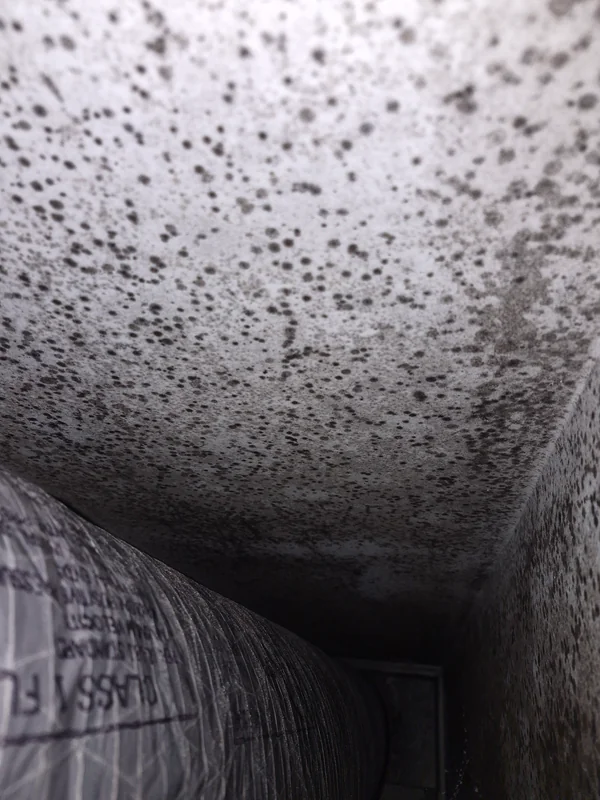
The most common thing people notice first is the smell or the absence of it. That musty hit when the furnace kicks on in October, after sitting dormant through a humid Bucks County summer, is not just unpleasant. It’s a signal that something biological has been living in your ductwork.
Every time that system runs, it moves through every room in your home. For homes in Little Italy and the broader Wrightstown Township area, this isn’t a seasonal problem. The township sits in a wet-all-year climate with 49 inches of rain annually compared to the national average of 38. Moisture finds its way into ductwork year-round. That changes how quickly contamination builds and how seriously you need to take it.
Once the ducts are cleaned properly not just vacuumed at the register, but fully cleared and verified you stop recirculating what’s been accumulating for years. Families throughout Little Italy have told us that was the moment things shifted. Less stuffiness. Fewer mornings with unexplained congestion. Air that just feels different. That’s what a real cleaning does.
Mack’s Mold Removal & Inspections has been working in Bucks County for over 15 years. That means we’ve been inside the older farmhouses near Penns Park, the post-1995 cul-de-sac builds throughout Little Italy, and everything in between. We know what the local housing stock looks like and what happens to ductwork in a township that gets this much rain.
We’re certified mold inspectors and remediation specialists, which matters when you’re dealing with air ducts specifically. A general duct cleaner can vacuum out debris. What they can’t do is identify active mold growth, contain it properly, and verify through lab testing that it’s actually gone after the job. That’s the difference between cleaning ducts and solving the problem.
We work directly with insurance companies when claims are involved, and we offer flexible financing so cost doesn’t become a barrier to getting this handled right. Free inspections, upfront pricing no surprises at the end.
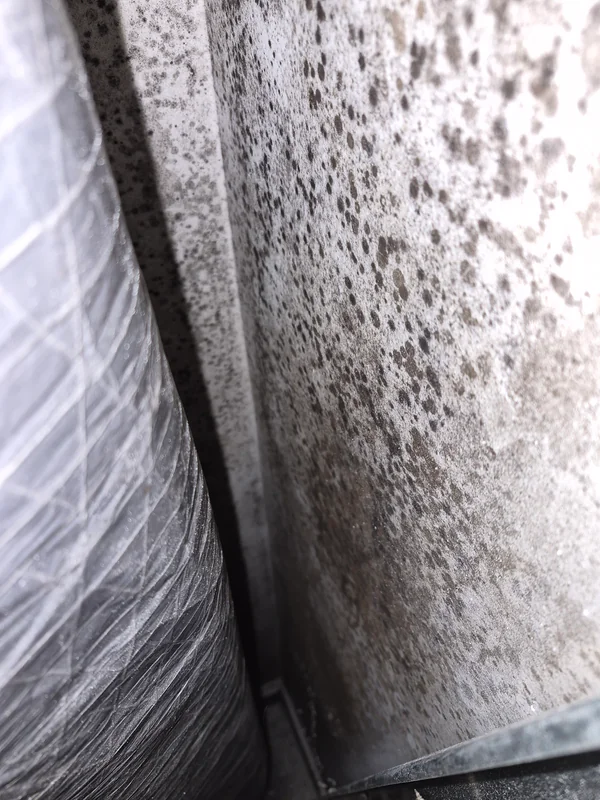
It starts with a free inspection. Before anything gets touched, we take a close look at your system the ductwork, the registers, the areas around your air handler to understand what you’re actually dealing with. In older oil-heat homes, which make up the majority of the housing stock in Little Italy and Wrightstown Township, this step matters more than people realize.
Older forced-air systems often have ductwork that’s been in place for decades. The inspection tells us whether we’re dealing with standard dust accumulation or something that requires mold-specific containment protocols. If mold is present, we don’t just clean around it. We contain the affected section to prevent spores from spreading during the removal process exactly what a general duct cleaner without mold training would skip.
After the cleaning is complete, we test. We send samples to a lab to confirm the mold is gone not just reduced, gone. You get documentation. That’s not a standard step in this industry, but it’s how we work. For a home in Little Italy where the year-round moisture keeps the risk active, knowing the job was done right isn’t optional. It’s the whole point.

Ready to get started?
Air duct cleaning covers your supply and return ducts both sides of the system. Anyone who only cleans one or the other isn’t doing a complete job. We use professional-grade equipment that creates negative air pressure inside the duct system, pulling debris and biological material out rather than pushing it further in.
For homes in Little Italy and throughout Wrightstown Township, where older ductwork is common and humidity is a year-round factor, that mechanical approach is what actually moves the needle.
Air duct sanitizing is a separate step and a different conversation. Cleaning removes the physical material. Sanitizing applies an antimicrobial treatment to the interior duct surfaces to address residual biological contamination. When mold has been present in your HVAC system, cleaning alone isn’t always enough sanitizing is the step that closes the loop. We’ll tell you honestly during the inspection whether you need it.
We also handle dryer vent cleaning. The NFPA reports nearly 16,000 dryer-related house fires per year, and the leading cause is a clogged vent not a faulty appliance. In older rural homes with longer, more complex vent runs, that risk is real. We clear the full vent line, not just the accessible section near the dryer, and we do it in the same visit when it makes sense to combine the work.
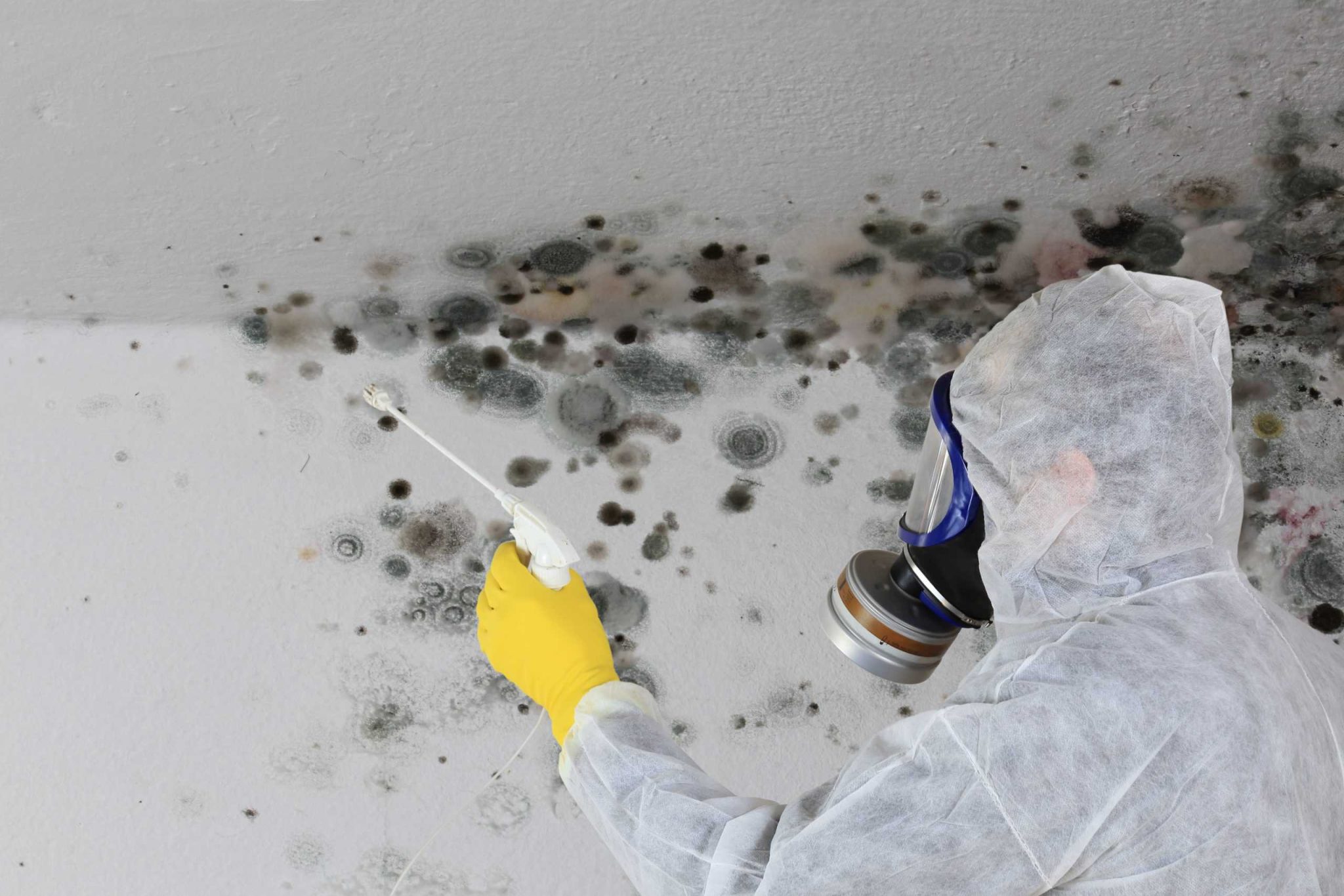
The most common sign is a musty smell that shows up specifically when your HVAC system is running not all the time, but right when the air kicks on. That smell often gets worse in fall when a forced-air oil furnace fires up for the first time after sitting dormant through a humid Bucks County summer. You might also notice discoloration around your registers, worsening allergy or respiratory symptoms indoors, or visible dark spots near vent openings.
The honest answer is that you can’t fully confirm mold in your ducts without an inspection, because most of the contamination is in the interior sections of the ductwork you can’t see from the register. A flashlight check at the vent opening tells you almost nothing about what’s happening six feet in. That’s why we offer free inspections so you can get an actual answer rather than guessing. If mold is present in your Little Italy home, we’ll identify it, confirm it through lab testing, and walk you through what it takes to clear it.
This is a fair question, and it comes up constantly. The EPA’s position on routine air duct cleaning meaning cleaning done on a schedule without a specific reason is that the evidence for broad health benefits is mixed. They don’t universally recommend it as a maintenance task. That’s an honest and accurate summary of the research.
But the EPA also explicitly states that cleaning is warranted when mold is confirmed in the ductwork, when there’s a pest or rodent infestation in the system, or when significant debris is blocking airflow. Those aren’t edge cases in Little Italy they’re common scenarios in older homes with oil-heat systems that have never had their ductwork inspected. If you fall into one of those categories, cleaning isn’t optional maintenance. It’s addressing a real problem. The scam reputation in this industry comes from companies that run $99 bait-and-switch offers and upsell aggressively on-site. We charge what we quote, and we start with a free inspection so you know what you’re dealing with before any work begins.
For most homes, a thorough air duct cleaning takes between four and six hours. That’s the industry standard for a complete job covering both supply and return ducts not a quick pass at the registers. If your home is larger, has a more complex duct layout, or if mold remediation steps are required alongside the cleaning, the timeline extends accordingly.
In older homes throughout Little Italy particularly those with oil-fired forced-air systems that have been in place for decades the job sometimes takes longer because there’s simply more accumulated material to remove and more care required during the containment phase. We’ll give you a realistic time estimate after the inspection, before we start. You won’t be surprised by a crew that shows up for two hours and calls it done. A job that takes less than three hours in a standard-sized home almost certainly wasn’t done completely.
They’re two separate steps that address two different things. Cleaning is the mechanical process using professional equipment to remove dust, debris, mold spores, and biological material from the interior surfaces of your ductwork. It’s physical removal. When done correctly with proper negative air pressure equipment, it clears out what’s been accumulating in the system.
Sanitizing comes after cleaning and applies an antimicrobial treatment to the duct surfaces to address residual biological contamination that mechanical cleaning alone can’t fully eliminate. Think of it this way: cleaning removes the bulk of the problem, and sanitizing addresses what’s left behind at the surface level. For homes in Little Italy where mold has been confirmed in the ductwork which is a realistic scenario given the township’s year-round wet climate and the prevalence of older duct systems sanitizing is often the step that makes the job complete rather than just adequate. We’ll tell you clearly during the inspection whether your situation calls for it, and we won’t push it if it doesn’t.
Yes, and this is one of the more serious aspects of the problem. When mold establishes itself inside ductwork, your HVAC system becomes the distribution mechanism. Every time the system runs, it moves air and whatever is in that air through every room simultaneously. A mold colony in one section of your duct system doesn’t stay contained to that section. It gets carried to your living room, your bedrooms, your kitchen.
This is why the containment step during remediation matters so much. If a technician disturbs mold inside your ducts without proper containment protocols in place, they can spread spores further into the system and into the living space making the problem worse rather than better. A general HVAC cleaner without mold remediation training doesn’t necessarily know how to handle this. Mack’s Mold Removal & Inspections approaches air duct cleaning from a mold specialist’s perspective, which means containment is built into the process, not an afterthought. In a home in Little Italy that’s been dealing with Bucks County’s year-round humidity, that distinction is the difference between solving the problem and relocating it.
The general industry guidance is every three to five years for a typical home under normal conditions. But “normal conditions” doesn’t describe most of the older housing stock in Little Italy and Wrightstown Township. If your home heats with fuel oil which is true for roughly 70% of homes in this township and your ductwork has been in place for 20 or 30 years without a professional cleaning, the starting point isn’t a schedule. It’s an inspection to establish a baseline.
After that initial cleaning, the right frequency depends on what the inspection found, how the system performs over time, and whether anything changes in the home a renovation, water intrusion, a new pet, a family member with worsening respiratory symptoms. Homes in a wet-all-year climate like Little Italy’s need more consistent attention than homes in drier regions, simply because the moisture conditions that support mold growth are present in every season. We don’t push a one-size-fits-all cleaning schedule. After we see your system, we’ll give you an honest recommendation based on what’s actually there.
Other Services we provide in Little Italy