
Hear from Our Customers
Most Hulmeville homeowners do the right things after a flooding event. They dry out the basement. They check the walls. They call about the crawl space. But the HVAC system the one thing that reaches every room in the house often gets skipped entirely. And that’s where the problem quietly continues.
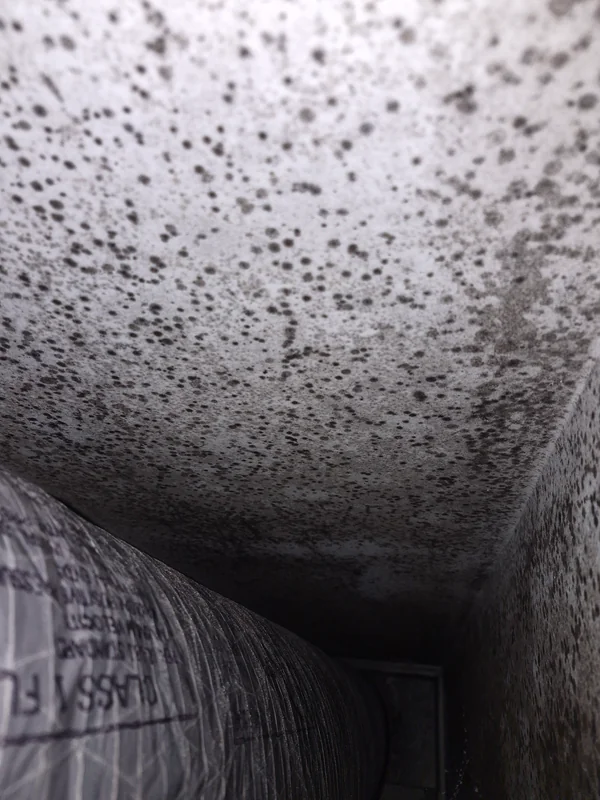
When floodwater or heavy moisture reaches the lower sections of your ductwork, mold can establish itself within 24 to 72 hours. You won’t see it. You won’t know it’s there until the heat kicks on in October and that musty smell fills every room at once. By then, spores have already been circulating through the system for months.
For a borough where the Neshaminy Creek has put homes underwater more than once and where many of the houses along Main Street and Water Street were built decades before modern HVAC standards existed this isn’t a hypothetical. It’s a pattern. Getting your air ducts professionally cleaned and inspected by someone who understands mold, not just duct debris, is what actually breaks that cycle and keeps your home’s air genuinely clean.
We’re based in Bensalem Township directly south of Hulmeville via PA Route 513, the same road that runs right into the borough. We’ve already performed mold removal, mold testing, and mold remediation work in Hulmeville homes. This isn’t a company routing technicians from across the county. We know the area, we know the conditions near the Neshaminy, and we’ve been inside enough local homes to understand what recurring moisture does to older ductwork over time.
With over 15 years of experience and certified mold remediation specialists on every job, we bring a level of expertise to air duct cleaning that a general HVAC cleaning company simply can’t match. When mold is involved, the process requires containment not just a vacuum. That distinction matters, especially in a historic borough like Hulmeville where some homes have been standing since the 1800s and the ductwork has the history to prove it.

It starts with a free inspection. Before any cleaning begins, we assess the full HVAC system not just the registers you can see, but the interior duct runs, the air handler, and any sections that may have been exposed to moisture. In Hulmeville homes, especially those in the lower-lying areas near the creek, this inspection often reveals moisture intrusion points that the homeowner didn’t know existed. You’ll get a clear picture of what’s actually going on before any work starts, and you’ll know the price upfront no surprises after the fact.
From there, the cleaning itself uses professional-grade equipment operating under negative air pressure, which keeps any dislodged debris and spores contained rather than redistributed into your living space. This is where having a mold-trained team makes a real difference. A general duct cleaner disturbing mold growth without containment protocols can make the situation worse. We don’t just clean we treat the ductwork the same way we’d approach a remediation job, because in many Hulmeville homes, that’s exactly what it is.
After the cleaning is complete, affected areas are tested to confirm the mold is actually gone. You get documentation not just a handshake and a receipt. If air duct sanitizing is warranted, an EPA-registered antimicrobial treatment is applied to the duct interior to address any residual biological contamination that mechanical cleaning alone doesn’t eliminate. For homes that have been through a flooding event along the Neshaminy, that final sanitizing step is often what separates a job done right from one that needs to be redone six months later.
Ready to get started?
Air duct cleaning covers the full HVAC duct system supply lines, return ducts, the air handler, and the registers throughout your home. But for many Hulmeville homeowners, the conversation doesn’t stop there. We also offer dryer vent cleaning, and it’s worth taking seriously. The National Fire Protection Association reports nearly 16,000 dryer-related house fires each year, and the leading cause is failure to clean the vent. In older Hulmeville homes where dryer vent configurations may not have been updated in decades, lint accumulation in aging vent runs is a real fire hazard not a routine maintenance checkbox.
Air duct sanitizing is the other piece that often gets overlooked. Mechanical cleaning removes the physical debris from inside your ducts. Sanitizing applies an antimicrobial treatment to the duct surfaces themselves, killing any remaining mold spores or bacteria that cleaning alone doesn’t reach. For homes in Hulmeville that have experienced Neshaminy Creek flooding or significant humidity intrusion which describes a meaningful portion of the borough’s housing stock sanitizing is the step that ensures the system is genuinely safe to run again, not just visually cleaner.
We also work directly with insurance companies on claims, which is particularly relevant here. Post-flood remediation and duct cleaning often fall under existing homeowner’s policies, and having a provider who can interface directly with your adjuster removes one more burden from an already stressful recovery process.
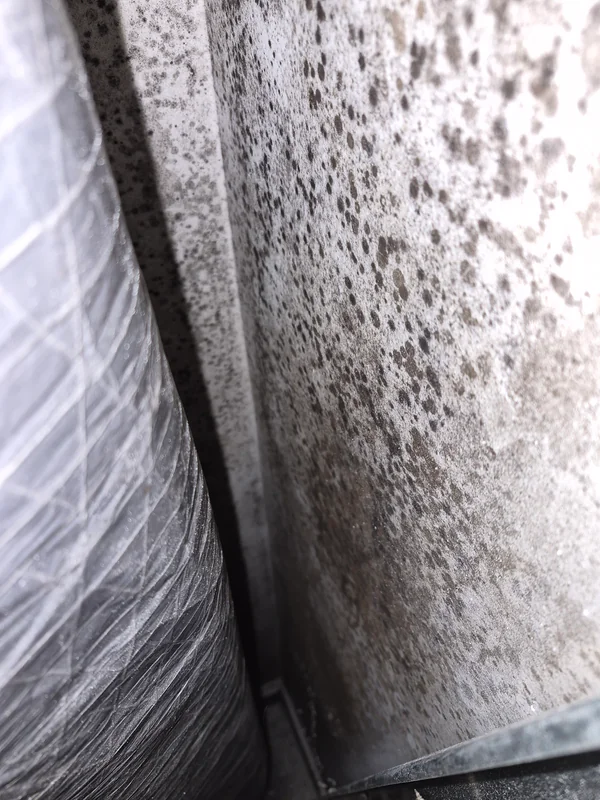
Yes, and it happens more often than most Hulmeville homeowners realize. When floodwater enters a basement or crawl space even a few inches it can reach the lowest sections of your ductwork, including return air ducts and the base of the air handler. Once moisture is inside the duct system, mold can begin growing on the interior surfaces within 24 to 72 hours. The problem is that you can’t see it from the outside, and most homeowners don’t think to check the HVAC system after a flood because they’re focused on visible water damage.
What makes this particularly relevant in Hulmeville is the frequency of flooding events along the Neshaminy. This isn’t a one-time risk it’s a recurring condition that many homes in the borough have experienced multiple times. Each event is another opportunity for moisture to enter the duct system undetected. If your home has flooded at any point in the past few years and your ducts haven’t been inspected since, a professional mold inspection of the HVAC system is a reasonable and warranted next step.
The most common sign is a musty smell that appears specifically when your heating or cooling system turns on and then fades when the system shuts off. That pattern is a strong indicator that the source is inside the ductwork, not a surface mold problem in a bathroom or basement. Other signs include worsening allergy or asthma symptoms that seem to improve when you’re outside the house, visible discoloration around your vent registers, or a history of water intrusion in your home.
Dust alone doesn’t produce that musty odor. Mold does. The distinction matters because dust removal and mold remediation inside ductwork are not the same process. A standard duct cleaning that disturbs mold growth without containment protocols can actually spread spores further through your system and into your living spaces. If you’re noticing any of the signs above especially in a Hulmeville home that’s been near the Neshaminy during a flooding event the right call is a mold-specific inspection of the HVAC system before any cleaning begins.
Yes. When mold grows in a basement or crawl space, your HVAC system may have been actively running during that growth period pulling air from that contaminated space and distributing it through the duct system to every room in the house. By the time the basement mold is found and removed, the ducts may already be carrying spores that weren’t part of the original remediation scope.
The remediation job addresses the source. The duct cleaning addresses what the system spread before the source was removed. Both steps are necessary for a complete resolution, and skipping the duct inspection after a basement remediation is one of the reasons homeowners sometimes see mold return in areas that were previously cleared. If the remediation was done in a Hulmeville home that experienced creek flooding, the likelihood of HVAC involvement is higher than average given how moisture moves through the structures in this area.
For most homes, a thorough professional air duct cleaning takes four to six hours. That’s the industry standard for a job done correctly covering both supply and return ducts, the air handler, and all the registers throughout the home. If you’re quoted a job that’s supposed to be done in an hour or less, that’s a red flag worth paying attention to. Proper cleaning requires time, and cutting that time short means the job isn’t being done fully.
For older homes in Hulmeville particularly those in or near the Historic District where ductwork may be original to the structure or significantly aged the inspection phase at the start of the job may take longer than it would in a newer build. Older galvanized steel ductwork has more interior surface area for accumulation, and it requires more thorough assessment before cleaning begins. The timeline can also extend slightly if sanitizing is included, which adds an antimicrobial treatment step after the mechanical cleaning is complete. You’ll know the full scope before work begins.
Cleaning and sanitizing are two separate steps that accomplish different things. Air duct cleaning is a mechanical process it physically removes dust, debris, biological matter, and accumulated buildup from the interior of your duct system using professional vacuums operating under negative air pressure. This removes what’s physically present inside the ducts.
Sanitizing goes a step further. After the mechanical cleaning is complete, an EPA-registered antimicrobial solution is applied to the interior duct surfaces. This kills residual mold spores, bacteria, and other biological contaminants that cleaning alone doesn’t eliminate particularly anything that has adhered to the duct walls rather than sitting loose inside the system. For Hulmeville homeowners dealing with post-flood conditions or a confirmed mold situation in the HVAC system, sanitizing isn’t optional it’s the step that ensures the system is biologically clean, not just visually cleaner. Cleaning removes the problem you can see. Sanitizing addresses what remains after.
It depends on your specific policy and the circumstances of the water intrusion, but in many cases where flooding or water damage is a covered event, the resulting mold remediation including HVAC and duct cleaning can fall under that coverage. The key is documentation: your adjuster will want evidence that the duct contamination is directly connected to the covered water event, which is why having a certified mold inspector assess and document the HVAC system before and after the work is important.
We work directly with insurance companies on claims, which is a meaningful advantage for Hulmeville homeowners navigating a post-flood recovery. Rather than managing the back-and-forth with your adjuster on your own while also coordinating the remediation work, you have a provider who can handle that communication directly. Given that flooding along the Neshaminy is a recurring reality for many homes in this borough not a one-time event understanding what your policy covers and having a provider who can document the work properly is worth knowing before the next storm season arrives.
Other Services we provide in Hulmeville