
Hear from Our Customers
Most Dunlap homes between 46th and 52nd Streets were built before 1940 long before central air conditioning was a standard feature. When forced-air systems were eventually retrofitted into these narrow rowhouses, the ductwork was threaded through wall cavities and basements that weren’t designed for it. That means compact, winding duct runs that accumulate debris fast and are difficult to access.
In a neighborhood where 73.5% of homes predate 1939, the question isn’t whether your ducts have ever needed attention it’s whether they’ve ever gotten it. Philadelphia’s average relative humidity runs between 63 and 68 percent year-round, which consistently exceeds the 60 percent threshold where mold growth accelerates. Every time your AC runs through a humid Philadelphia summer, the evaporator coils and ductwork in your Dunlap home are managing enormous moisture loads.
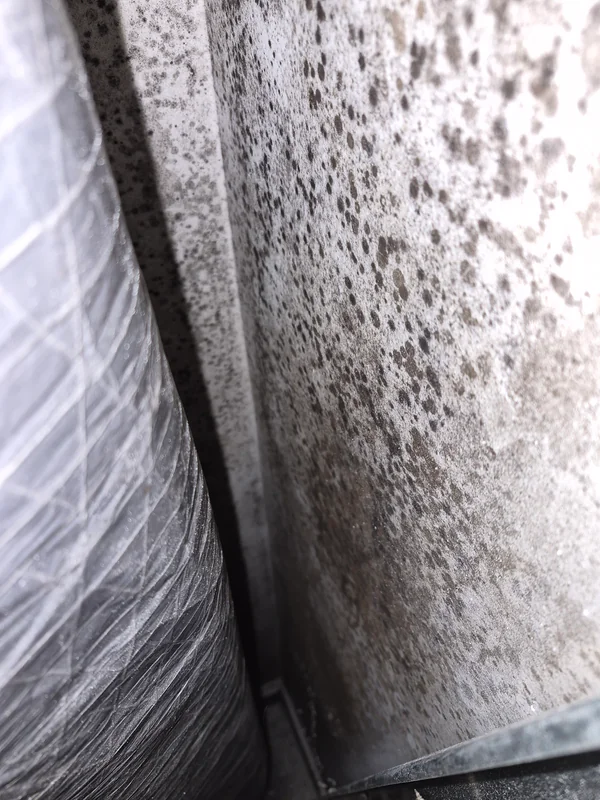
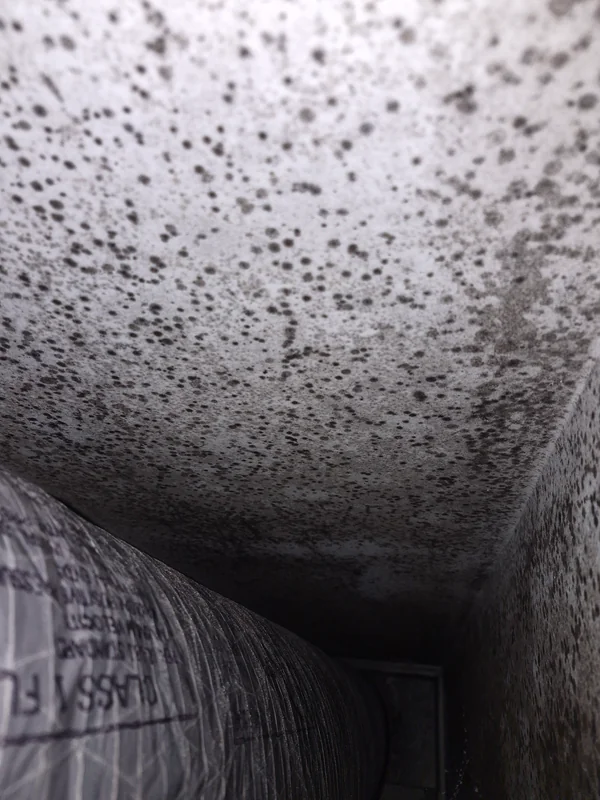
Without periodic inspection, mold establishes itself in the system and distributes spores to every room every time the system kicks on. That musty smell when the heat or AC first starts up isn’t just stale air it’s a signal worth taking seriously. When the job is done right, you’re not just breathing cleaner air. You’re living in a home where the HVAC system isn’t actively working against you.
No musty odor cycling through the vents. No mystery allergens hitting you every time the system runs. For families with young kids or anyone dealing with respiratory issues, that difference is real and immediate.
We’re based in Bensalem, PA, and have been serving Philadelphia County including West Philadelphia neighborhoods like Dunlap for over 15 years. Dunlap isn’t an afterthought in our service area. We have active inspection work throughout the city and understand exactly how older Philly rowhouses trap moisture, how shared walls between neighbors can spread contamination, and how brick basements hold humidity differently than modern construction.
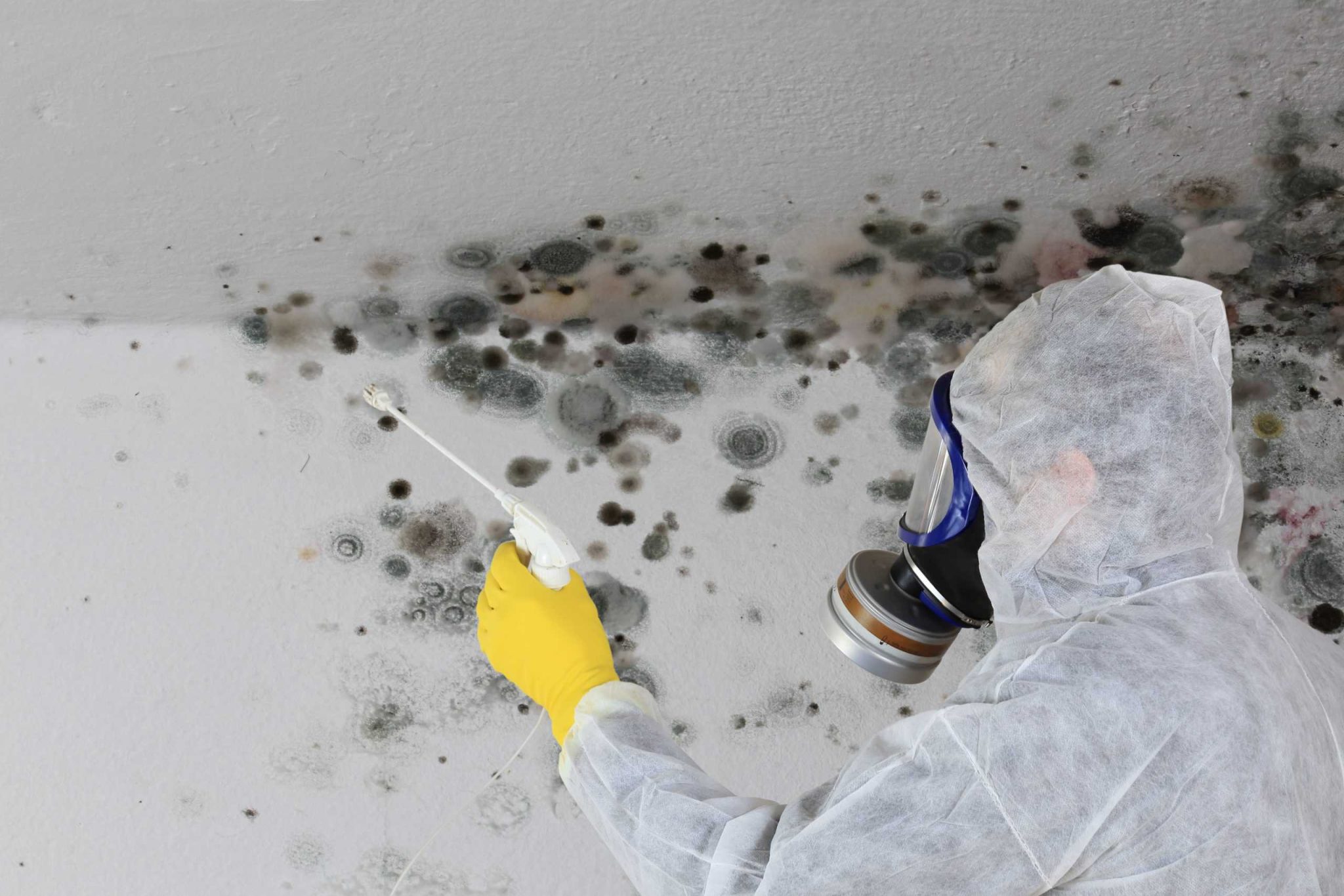
What separates us from a standard duct cleaning company is the certification behind our work. Our inspectors are certified mold remediation specialists which means when we find biological growth in your ductwork, we’re not just vacuuming around it. We know how to contain it, eliminate it, and verify it’s gone. That last part matters: we test affected areas after the job to confirm the mold is actually gone, not just treated. That’s a standard most competitors in this market don’t hold themselves to.
We work directly with insurance companies on claims, offer flexible financing, and provide free inspections with upfront pricing no surprises when the job is done.

It starts with a free inspection. One of our certified specialists comes to your Dunlap home, takes a real look inside the ductwork, and tells you exactly what we find whether that’s accumulated dust and debris, signs of mold growth, or a dryer vent configuration that’s become a fire hazard. You get an upfront price before any work begins. The number you’re quoted is the number you pay.
From there, the cleaning itself is thorough and methodical. For homes with confirmed or suspected mold in the ductwork which is common in Dunlap’s aging pre-war housing stock given Philadelphia’s persistent humidity we use proper containment protocols before any mechanical cleaning begins. This matters because disturbing mold without containment spreads spores through the home. A general duct cleaner without mold training can make the problem worse. We approach it as the mold remediation job it actually is, not just a maintenance task.
Dryer vent cleaning follows its own process. In Dunlap’s attached rowhouses, dryers are often in basement laundry setups that require long vent runs to reach an exterior wall multiple bends, extended lengths, and in older homes, aging foil flex duct that should be replaced. We clear the full run, identify any problem configurations, and document what was found. After remediation work, we test to confirm the job is complete. You don’t have to take our word for it.
Ready to get started?
We handle air duct cleaning, HVAC duct cleaning, mold in air ducts, dryer vent cleaning, and air duct sanitizing and in Dunlap specifically, all of these services carry more weight than they would in a newer suburban home. Pre-1940 rowhouse ductwork was retrofitted into spaces not designed for it.
The Westpark Apartments redevelopment currently underway near 44th and Market Streets one of the largest active construction projects in West Philadelphia is generating construction dust that’s being pulled into neighboring homes’ HVAC return vents right now. Post-construction duct cleaning is a real, time-sensitive need for Dunlap residents within blocks of that site.
Air duct sanitizing is a separate step from mechanical cleaning, and it matters when mold is involved. Cleaning removes the physical debris; sanitizing applies antimicrobial treatment to address any remaining biological contamination. For a home where mold has been present in the ductwork especially one with the shared-wall configuration common throughout Dunlap skipping sanitizing after cleaning leaves the job half done.
Dryer vent cleaning in this neighborhood is a fire safety issue, not an optional maintenance item. The NFPA reports nearly 16,000 dryer-related house fires annually, with failure to clean vents as the leading cause. In an attached rowhouse where a fire spreads to neighboring units, the stakes are higher than in a detached suburban home. We inspect the full vent run, clear the obstruction, and flag any configurations like long basement-to-exterior runs or aging foil duct that need to be addressed.

The most common sign is a musty or stale smell that appears specifically when the HVAC system turns on not all the time, but right when air starts moving through the vents. If the smell fades after a few minutes and comes back the next time the system runs, that pattern points to something biological in the ductwork rather than just dust. Visible discoloration around vent registers is another indicator, though by the time you can see it at the register, growth in the interior duct sections is often more significant.
In Dunlap’s pre-war rowhouses, the combination of aging ductwork, Philadelphia’s 63 to 68 percent average relative humidity, and HVAC systems that were retrofitted into spaces not designed for them creates near-ideal conditions for mold growth in the duct system. Worsening allergy symptoms especially ones that improve when you’re out of the house are also worth paying attention to. The only way to know for certain is a professional inspection. We offer free inspections with no commitment required, so you can get a real answer without any financial risk upfront.
The skepticism is warranted. The industry does have a well-documented problem with low-ball offers companies advertising $99 air duct cleaning that arrive, find “serious contamination,” and push hard for services that weren’t in the original quote. That pattern is real, and it’s why so many people approach this service with their guard up. The answer isn’t to avoid duct cleaning it’s to know what separates a legitimate job from a bait-and-switch.
A proper air duct cleaning takes four to six hours for most homes. It involves cleaning both supply and return ducts, not just the visible registers. A reputable company will inspect before quoting, give you a written price before starting, and document what they found. When mold is involved which is a genuine concern in Dunlap’s aging housing stock given Philadelphia’s humidity the EPA explicitly recommends professional cleaning. We provide free inspections, give upfront pricing before any work begins, and the quoted price is what you pay. If the inspection shows your ducts are actually fine, we’ll tell you that too.
For most homes, industry guidance points to every three to five years as a general baseline but that range assumes average conditions. In Dunlap, several factors push that timeline shorter. Philadelphia’s high humidity means HVAC systems are managing significant moisture loads every summer, which accelerates biological growth in ductwork. Pre-1940 rowhouses with retrofitted duct systems tend to accumulate debris faster than modern construction because the duct runs are more irregular and harder to keep clear.
Beyond the standard maintenance cycle, there are specific triggers that warrant inspection regardless of when you last had it done: if you’ve noticed a musty smell from the vents, if mold has been found elsewhere in the home, if you’ve had any water intrusion or flooding, or if you’re near an active construction site. Dunlap residents within a few blocks of the Westpark Apartments redevelopment at 44th and Market Streets have a specific, current reason to have their ducts inspected multi-year construction of that scale generates airborne particulates that get pulled into HVAC systems through return vents. If you moved into the home recently and don’t know when it was last serviced, that alone is reason enough to start with an inspection.
In a detached suburban home, the dryer is typically close to an exterior wall, and the vent run to the outside is short and relatively straightforward. In a Dunlap rowhouse, the layout is fundamentally different. Dryers are frequently in basement laundry setups, and the only available exterior wall for termination may require a long vent run that navigates multiple bends through the home’s interior before reaching the outside. These extended, multi-bend runs accumulate lint at a significantly higher rate than a short, straight run would.
That lint buildup is a documented fire hazard. The NFPA reports nearly 16,000 dryer-related house fires annually in the U.S., and failure to clean the vent is the leading cause. In an attached rowhouse where you share walls with your neighbors on both sides, a dryer fire has the potential to spread beyond your unit. We clean the full vent run from the dryer connection to the exterior termination, identify any problem sections including aging foil flex duct, which is a fire risk in its own right and document the condition of the system. If the configuration itself is creating a hazard, we’ll tell you directly.
Yes, and this is one of the more serious aspects of mold in an HVAC system. When mold is present in ductwork, every heating and cooling cycle distributes spores through the air to every room the system serves. One contaminated section of duct effectively becomes a delivery mechanism for the entire house. That’s why disturbing mold in ductwork without proper containment protocols which a general duct cleaner without mold training might do can actually make the situation worse by spreading spores that were previously concentrated in one area.
The shared-wall situation in Dunlap’s rowhouses adds another layer. Mold growing in a wall cavity can migrate through gaps and penetrations in the shared wall structure to adjacent units. This is a known issue in Philadelphia’s attached rowhouse stock, and it’s part of why our approach to mold in HVAC systems goes beyond mechanical cleaning. We use containment before cleaning, apply antimicrobial treatment after, and test the affected areas post-remediation to confirm the mold is actually gone not just cleaned around. If you’re a landlord managing a rental unit in Dunlap, that post-remediation documentation also protects you if a tenant raises an air quality concern.
Yes. We offer flexible financing options, and for Dunlap residents that’s a practical consideration worth knowing upfront. The neighborhood’s median household income runs below the national average, and a full air duct cleaning job especially one that includes mold remediation and post-treatment verification is a meaningful expense. Financing means you don’t have to delay the work until you’ve saved the full amount, which matters when the concern is something actively affecting your family’s air quality.
The free inspection also removes the financial barrier from the first step. You can find out exactly what’s in your ductwork, get a written upfront price, and then decide how you want to proceed including whether financing makes sense for your situation. There’s no pressure and no commitment required to get the inspection done. We work directly with insurance companies on claims as well, so if the mold situation in your home is connected to a covered event like water damage, that’s a conversation worth having before you pay out of pocket for anything.
Other Services we provide in Dunlap