
Hear from Our Customers
Most air duct cleaning companies vacuum what they can reach and move on. That’s fine for routine dust. It’s not fine when you’re dealing with a home in Cottageville or elsewhere in Buckingham Township that’s been breathing humid Bucks County air through ductwork that may be 30, 40, or even more years old.
When mold is involved and in this area, it often is the cleaning process has to be handled differently. Bucks County gets roughly 49 inches of rain per year, about 11 inches more than the national average. That persistent moisture doesn’t stop at your foundation. It works its way into crawl spaces, through fieldstone basement walls, and eventually into the air your HVAC system is pulling and pushing throughout every room.
If you’ve noticed a musty smell when the heat kicks on, or your allergies have been worse than usual indoors, the ductwork is often where the answer lives. What changes after a proper cleaning done by someone who actually understands mold, not just dust is that the system stops working against you. The air circulating through your home isn’t carrying biological contamination from one room to the next. You stop chasing symptoms and start addressing the source.
We’ve been working in Bucks County for over 15 years. That’s not a marketing number it means we’ve been inside the crawl spaces, stone-walled basements, and retrofitted duct systems that are common throughout Cottageville and Buckingham Township long enough to know what to expect before we open a vent cover.
The homes in and around Cottageville aren’t typical suburban builds. Some date back generations, with ductwork that was added long after the original construction routed through unconditioned spaces that were never designed to keep moisture out. We bring certified mold remediation expertise to every air duct cleaning job, which matters here because disturbing mold inside a duct system without proper containment just moves the problem around.
Every job we perform includes a real inspection, transparent upfront pricing, and post-cleaning verification to confirm the work actually worked. That last part testing after the job is done is something most companies skip entirely.
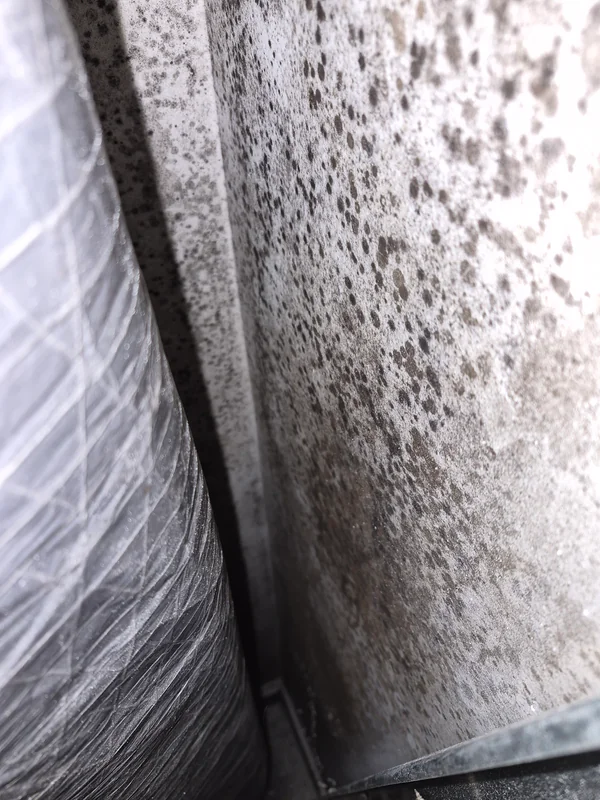
It starts with a free inspection. Before any equipment comes out, we assess the system what’s in the ducts, where the contamination is concentrated, and whether there are signs of mold growth that require remediation protocols rather than standard cleaning.
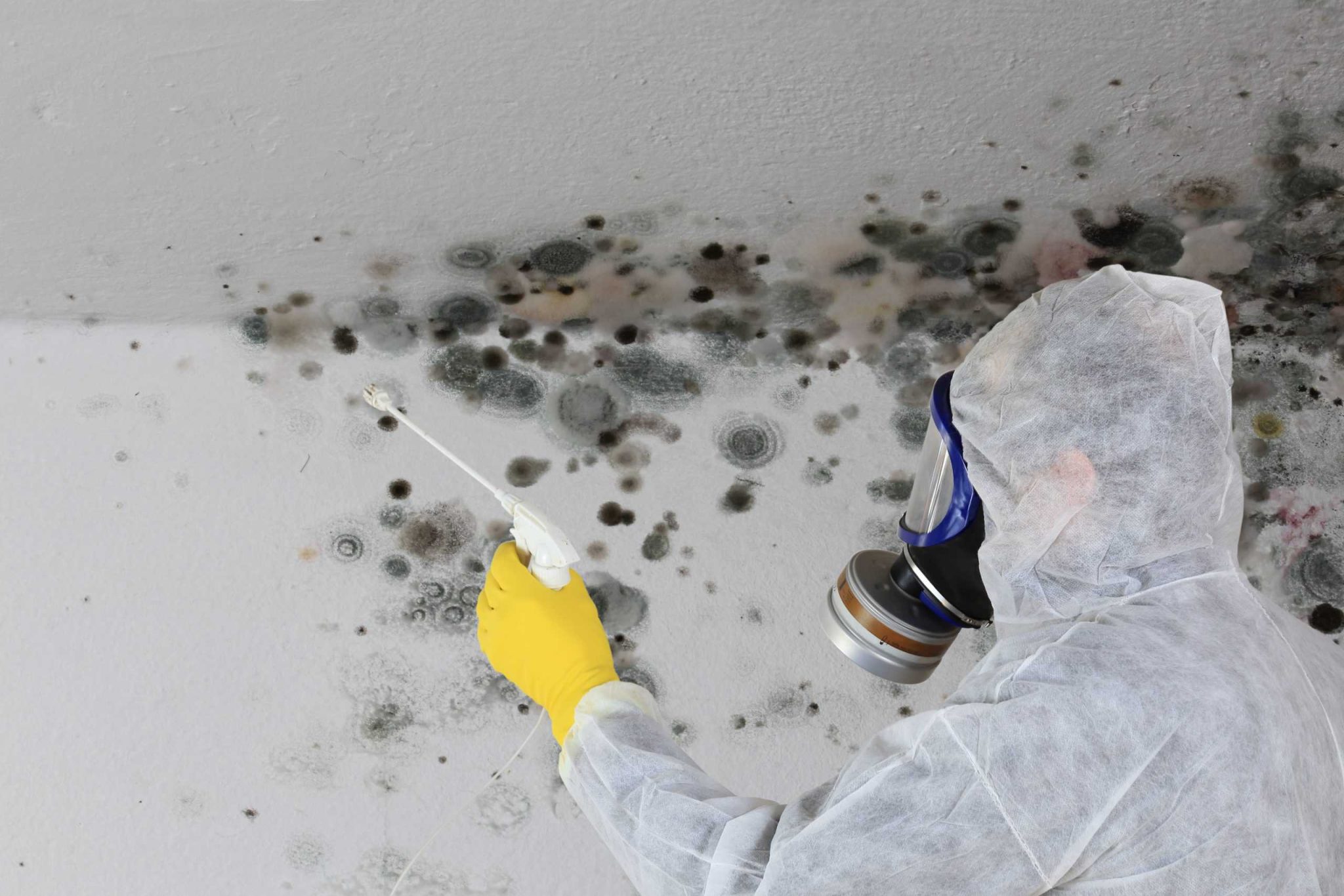
In Cottageville, where many homes have ductwork running through unconditioned crawl spaces or stone-foundation basements, that initial assessment often turns up things a quick visual check at the register would never catch. If mold is present, containment comes first. This is where our mold remediation background matters. Cleaning a mold-contaminated duct system without containing the work area spreads spores into living spaces the exact opposite of what you’re trying to accomplish.
We use the same containment approach for duct cleaning that we apply to full mold remediation jobs, because the biology doesn’t change just because we’re working inside a duct instead of a basement wall. Once the system is cleaned and sanitized, the work gets verified. Affected areas are tested after the job to confirm the contamination is gone not assumed to be gone. You get documentation of the result, not just a handshake and an invoice.

Ready to get started?
Air duct cleaning is the core service, but it rarely stands alone when mold is part of the picture. After mechanical cleaning removes the physical debris and biological buildup from the ductwork, air duct sanitizing applies an antimicrobial treatment to address any remaining contamination. These are two separate steps, and both matter especially in a home that has dealt with moisture intrusion through a crawl space or a fieldstone basement wall, which is a common scenario in the older housing stock throughout Cottageville and Buckingham Township.
Dryer vent cleaning is another service worth mentioning here, and not as an upsell. Older homes in this area often have longer, more complex dryer vent runs than modern construction a consequence of retrofitting laundry rooms into buildings that weren’t designed for them. The National Fire Protection Association reports nearly 16,000 dryer-related house fires per year, with failure to clean the vent as the leading cause. In a home along Swamp Road or Mechanicsville Road where the dryer vent runs a longer-than-average distance, that’s a real risk, not a theoretical one.
We also work directly with insurance companies when mold in an HVAC system is tied to a covered water damage event. If you’re navigating a claim, that’s one less thing to manage on your own.

The most common sign is a musty smell that appears when your HVAC system kicks on particularly at the start of heating season in the fall, after the system has been sitting idle through a humid Bucks County summer. You might also notice worsening allergy or respiratory symptoms indoors that ease up when you leave the house, or visible discoloration around vent registers.
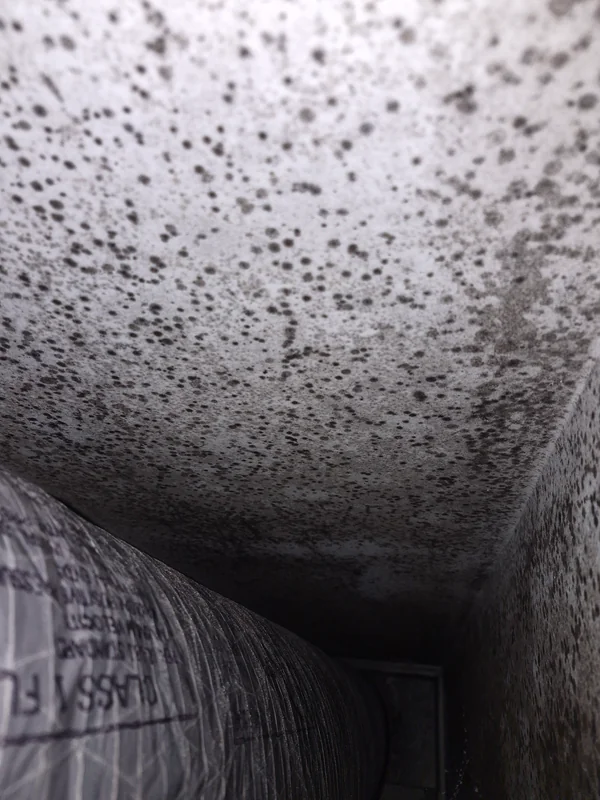
The challenge is that most mold growth in ductwork happens in sections you can’t see from the register deep inside the system, often in areas where the duct runs through a damp crawl space or an unconditioned basement. That’s especially common in Cottageville’s older homes, where ductwork was retrofitted through spaces that were never designed to stay dry. A proper inspection, not just a flashlight check at the vent cover, is the only reliable way to know what’s actually there.
The honest answer is that it depends on what’s in your ducts. The EPA’s position is nuanced routine cleaning in the absence of a specific problem has unclear benefits. But the EPA also explicitly recommends cleaning when mold is confirmed in the system, when there’s been a pest or rodent infestation, or when significant debris is blocking airflow.
Those aren’t edge cases in Cottageville’s older housing stock; they’re fairly common findings. Where cleaning clearly earns its cost is in homes that have had mold remediated elsewhere a basement, a crawl space, a wall cavity but where the HVAC system was circulating air through that contaminated space the entire time. The ducts become a reservoir for spores that can recontaminate a remediated space. If you’ve had mold work done in your Cottageville home and the ducts weren’t addressed as part of that job, the cleaning isn’t optional it’s what makes the remediation complete.
A thorough air duct cleaning typically takes four to six hours for most homes. That’s the industry standard for a job done properly both supply and return ducts cleaned, not just one side of the system. Any company that quotes you a job completed in under an hour is either cutting corners or running a bait-and-switch operation where the low price gets you in the door and the upsells start once they’re inside.
For a larger home in Cottageville and many properties in the 18902 ZIP code are substantial, with multiple HVAC zones and extensive duct runs the job may take longer. The inspection phase at the start adds time, but it’s also what determines whether you need standard cleaning, mold-specific remediation protocols, or both. You’ll know what you’re getting into before any work begins, because the inspection and pricing happen upfront.
Cleaning and sanitizing are two distinct steps. Cleaning is the mechanical process using negative air pressure equipment and HEPA vacuums to physically remove debris, dust, and biological buildup from inside the ductwork. Sanitizing is what comes after: applying an antimicrobial treatment to the interior duct surfaces to address any remaining biological contamination that the mechanical cleaning couldn’t fully eliminate.
If your ducts have mold, you need both. Cleaning alone removes the visible growth and accumulated debris, but it doesn’t neutralize the spore load that’s been embedded in the duct lining over time. In a home that’s been dealing with moisture infiltration which is a routine reality for many properties in Cottageville given the area’s rainfall levels and older construction sanitizing is the step that closes the loop. Without it, you’ve improved the situation but not resolved it.
Yes, and this is one of the most commonly overlooked steps after a mold remediation job. When mold grows in a basement, crawl space, or wall cavity, the HVAC system doesn’t stop running while that’s happening. It keeps pulling air from those contaminated spaces and distributing it throughout the home which means the ductwork has been collecting and redistributing mold spores the entire time the problem existed.
Once the primary mold source is treated, the ducts can become the mechanism for recontamination. Spores that settled inside the system get recirculated every time the HVAC runs, potentially reintroducing biological contamination into a space you just paid to clean up. In Cottageville, where crawl spaces and fieldstone basements are common and mold risk is elevated by the area’s above-average annual rainfall, addressing the ducts after remediation isn’t an abundance of caution it’s the logical next step.
The general industry recommendation is every three to five years for most homes. But that baseline assumes a relatively new home with modern ductwork running through climate-controlled spaces not the reality for a lot of properties in Cottageville. For older homes in the area where ductwork runs through crawl spaces, stone-foundation basements, or unconditioned attic areas, the conditions that drive biological growth in ducts are present year-round, not just during seasonal humidity peaks.
If you’ve purchased an older home in Cottageville and have no record of when the ducts were last cleaned or whether they’ve ever been cleaned that’s the starting point. Get an inspection. Homes in the 18902 ZIP code that were built in the 1980s are now 35 to 40 years old, and original ductwork of that age in a high-moisture county like Bucks has had a long time to accumulate whatever it’s accumulated. The inspection is free, so there’s no reason to keep guessing.
Other Services we provide in Cottageville