
Hear from Our Customers
There’s a difference between a company that cleans your ducts and walks out the door, and one that can tell you whether mold was actually there and whether it’s actually gone. For Buckmanville homeowners, that distinction matters more than it does almost anywhere else in Bucks County.
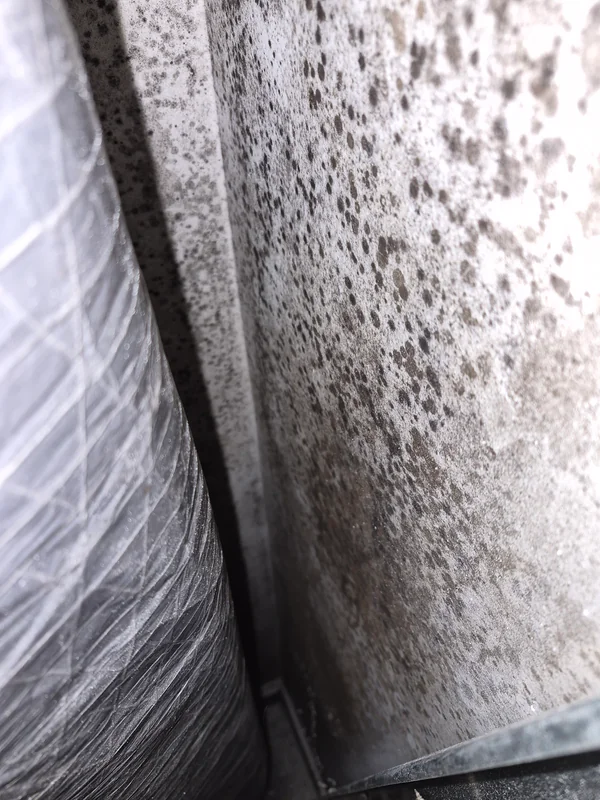
The homes here many of them built between 1820 and 1875 were retrofitted with HVAC systems long after the walls went up. That means ductwork running through tight bends, dead-end sections, and spaces that were never designed for airflow. Those are exactly the conditions where moisture collects and mold takes hold, quietly, in the parts of your system you’ll never see from a register.
Add in Upper Makefield’s position along the Delaware River, where ambient moisture levels run consistently higher than the surrounding region, and you’ve got a geography that actively works against clean ductwork. After a damp spring or a humid summer, the first time your heat kicks on in October can be the moment you first smell what’s been growing in your ducts for months. Getting that verified not just cleaned is what changes the outcome for your home and your family’s health.
We’re based in Bensalem and have been serving Bucks County for over 15 years. This isn’t a national franchise routing your call through a regional dispatch center it’s a locally rooted, owner-operated company where the person who answers knows the difference between a newer Newtown subdivision and a 19th-century stone farmhouse off Windy Bush Road.
Upper Makefield and Buckmanville are already part of the territory we actively serve, with dedicated experience in the older homes, basement moisture issues, and Delaware River valley conditions that define this part of the county. That local context shapes how the work gets done what to look for, where mold tends to hide in retrofitted duct systems, and how to document results in a way that holds up whether you’re filing an insurance claim or just want proof the job was done right.
The certifications are real, the inspectors are trained, and the process ends with verification not just a handshake.

It starts with a free inspection. Before anything gets cleaned, a certified inspector looks at your system not just the registers you can see, but the duct sections that matter most. In older Buckmanville homes where ductwork was added to buildings not originally designed for it, this step isn’t optional. It’s how you find out whether you have a dust issue, a mold issue, or both, and it determines the right approach before any work begins.
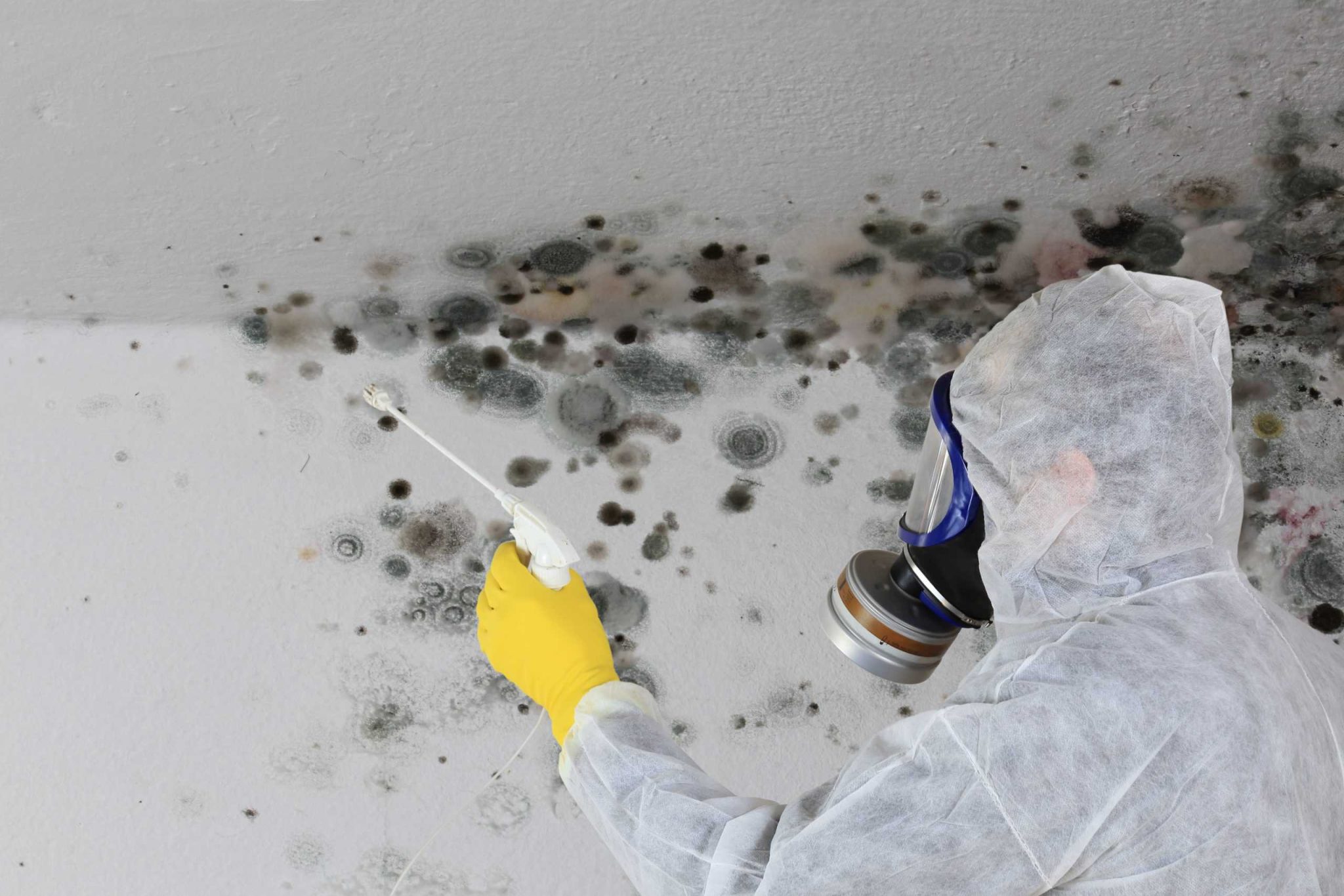
From there, the actual cleaning uses professional-grade equipment negative air pressure systems and HEPA vacuums that pull contaminants out rather than pushing them around. If mold is present, containment protocols go in place first, so spores aren’t redistributed through your home during the cleaning process. This is where mold remediation expertise matters in a way that a standard duct cleaning company simply can’t replicate.
Once the work is complete, we test the affected areas to confirm the mold is gone. You get documentation not just a verbal assurance. For a homeowner in Buckmanville managing a historic property, that’s the part that makes the whole job worth doing. Dryer vent cleaning follows the same thorough approach and can be completed during the same visit if needed.
Ready to get started?
Air duct cleaning addresses the physical debris, dust, and biological growth inside your duct system. Air duct sanitizing goes a step further after the mechanical cleaning, an antimicrobial treatment is applied to the interior surfaces to address any remaining biological contamination. In a home near the Delaware River corridor, where ambient humidity creates the conditions for mold to return, this additional step is worth understanding before you decide what level of service makes sense for your situation.
Dryer vent cleaning is a separate but equally important service, and it’s one that gets overlooked in older homes where the dryer may have been added as part of a later renovation and the vent runs a longer-than-standard path to the exterior. The National Fire Protection Association attributes roughly 15,970 home structural fires per year to dryers, with failure to clean the vent as the leading cause. In a historic stone home, that’s not a statistic to take lightly.
We also work directly with insurance companies when mold damage is part of a larger claim a service that matters when you’re dealing with a high-value property in Buckmanville and don’t want to navigate the claims process alone. Flexible financing is available for homeowners who want to get the work done now rather than wait.
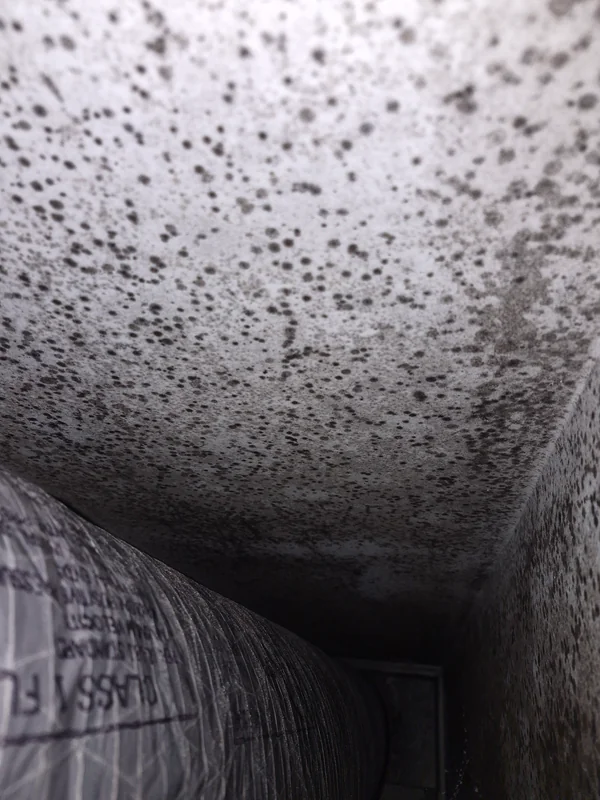
The most common sign is a musty or stale smell that appears specifically when your HVAC system is running not when it’s off. Dust buildup tends to create a general stuffiness, but mold in ductwork produces a distinct odor that gets stronger as air moves through the system. You might also notice that allergy or respiratory symptoms worsen when the heat or AC kicks on, which is a sign that something biological is being circulated.
In Buckmanville and Upper Makefield, this tends to surface most noticeably at seasonal transitions particularly in fall when the heat first activates after a humid summer. The Delaware River valley’s elevated ambient moisture means duct systems here are more prone to mold colonization than in drier parts of the county. A professional inspection is the only way to confirm what’s actually present, and we offer free inspections so you’re not spending money before you know what you’re dealing with.
This is one of the most important questions to ask before you hire anyone. General duct cleaning companies are equipped to remove dust, debris, and buildup but mold requires a different approach entirely. If mold is present in your ductwork and a technician disturbs it without proper containment protocols, spores can be pushed through the rest of your home and land in areas that were previously unaffected. That can turn a localized problem into a whole-house contamination event.
A certified mold remediation specialist understands containment, source identification, and post-cleaning verification in a way that a standard HVAC cleaning crew does not. For homes in Buckmanville particularly older retrofitted properties where ductwork runs through tight, hard-to-reach sections this expertise is what separates a job done right from one that creates a bigger problem. We bring mold remediation certification to every air duct cleaning job, which means if mold is found, the response is appropriate from the start.
For most homes, the general industry guidance is every three to five years under normal conditions. But Buckmanville and the surrounding Upper Makefield Township sit in conditions that aren’t exactly normal. The township borders the Delaware River along its entire eastern edge, and the Delaware Canal corridor runs through the area both of which contribute to persistently higher ambient moisture levels than you’d find in drier parts of Bucks County. Bucks County as a whole averages around 49 inches of rainfall per year, compared to the national average of 38 inches.
For homes with older, retrofitted ductwork which describes a significant portion of Buckmanville’s housing stock the combination of poor airflow in tight duct sections and elevated surrounding humidity creates conditions where mold can establish itself faster than it would in a modern, well-sealed system. If your home has experienced any basement flooding, water intrusion, or prior mold remediation, that shortens the window considerably. An inspection every two to three years is a reasonable baseline for this geography, with cleaning triggered by any confirmed moisture event.
Air duct cleaning is the mechanical process using professional equipment to physically remove debris, dust, and biological growth from inside your duct system. It’s the core service, and it’s what addresses the bulk of what’s built up over time. Air duct sanitizing is an additional treatment applied after the mechanical cleaning is complete. It involves applying an antimicrobial solution to the interior surfaces of the ductwork to address any remaining biological contamination and help prevent regrowth.
The distinction matters most when mold is involved. Cleaning removes what’s visible and accessible; sanitizing treats the surfaces at a microbial level. For homes in the Delaware River valley area where humidity is a recurring factor, sanitizing adds a layer of protection that’s worth considering particularly if your duct system has a history of moisture issues or if you’ve had mold remediated elsewhere in the home. We can walk you through which combination makes sense based on what the inspection actually finds.
Yes, and this is exactly the scenario where a duct inspection becomes urgent rather than routine. When a basement floods, moisture doesn’t stay contained to the floor and walls it enters the air, and if your HVAC system pulls return air from that space, it’s drawing moisture-laden air directly into the duct system. That moisture condenses on cooler interior duct surfaces, and mold can begin colonizing within 24 to 48 hours of sustained exposure.
Upper Makefield’s wooded terrain sends stormwater downhill toward foundations during heavy rain events, and the township’s proximity to the Delaware River means groundwater levels can rise significantly after a wet season. Spring flooding in basements is a known, recurring condition in this area not a one-time anomaly. If your basement took on water and your HVAC was running during or after that event, having the duct system inspected isn’t an overreaction. It’s the logical next step after any water intrusion, and catching mold in the ducts early is significantly less costly than addressing a whole-home contamination after the fact.
Yes. Dryer vent cleaning is part of the same whole-home air quality work that we provide throughout Bucks County, including Upper Makefield Township and the Buckmanville area. It can typically be handled during the same visit as air duct cleaning, which saves you from scheduling a separate appointment.
In older Buckmanville homes particularly those where a dryer was added as part of a later renovation and the vent runs a longer or more complex path to the exterior lint buildup is a genuine fire risk, not a maintenance preference. The National Fire Protection Association reports roughly 15,970 dryer-related home fires per year, and failure to clean the vent is the leading cause. Historic stone construction doesn’t burn the same way a modern frame home does, but the fire risk is real regardless of the building material. If you’re already scheduling an air duct inspection or cleaning, it makes practical sense to have the dryer vent assessed at the same time so you have a complete picture of what’s moving through your home’s ventilation system.
Other Services we provide in Buckmanville