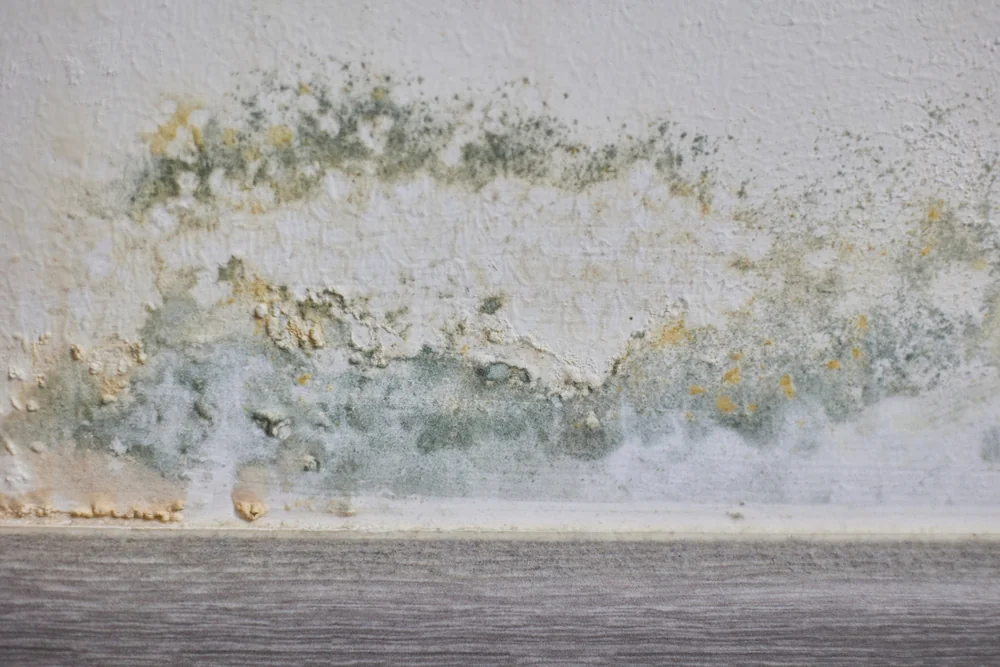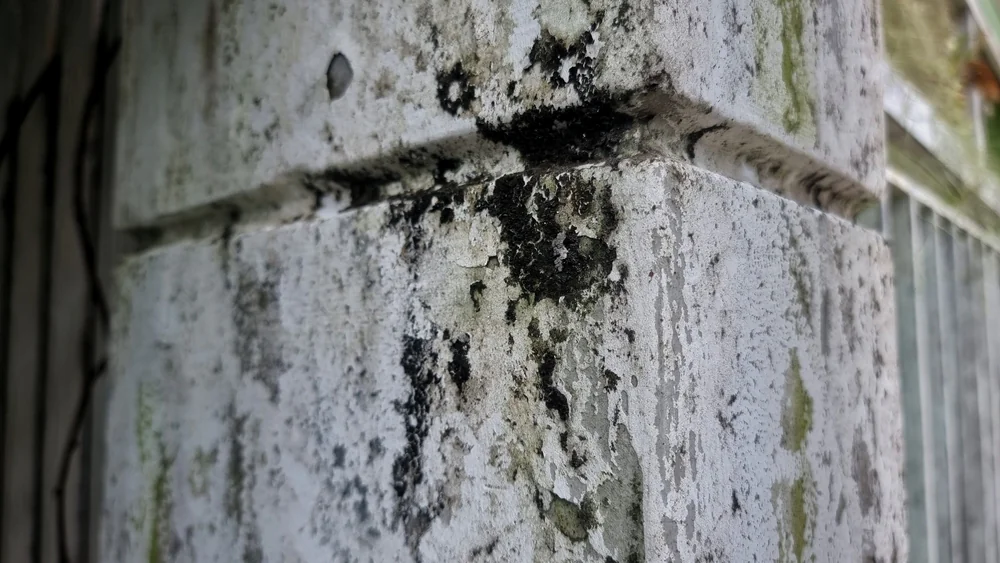
Your body knows something’s wrong before you ever see a dark spot on the wall. That cough that won’t quit. The headaches that seem worse on weekends when you’re home. The brain fog that makes you feel like you’re thinking through mud. You’ve tried allergy medication, changed your diet, gotten more sleep—but nothing helps because you’re treating the wrong problem. Household mold symptoms don’t always announce themselves with visible growth or that telltale musty smell. Sometimes they show up as health issues that seem completely unrelated until you understand what mold does to indoor air quality. Here’s what your body might be trying to tell you.
Respiratory Issues That Won’t Respond to Normal Treatment
When mold spores circulate through your home’s air, your lungs are the first line of defense. You breathe in thousands of these microscopic particles without realizing it, and your respiratory system reacts.
The stuffy nose that never clears. The persistent cough with no apparent cause. Wheezing that your doctor can’t quite explain. These aren’t just annoying—they’re your body’s alarm system telling you something in your environment needs attention.
What makes mold-related respiratory symptoms different is how they behave. They get worse when you’re home and often improve when you leave for extended periods. They don’t respond well to typical allergy medications because you’re not dealing with seasonal pollen—you’re dealing with constant exposure to spores in your living space.
Why Asthma Symptoms Suddenly Get Worse
If you or someone in your household has asthma, mold exposure can turn a manageable condition into a daily struggle. Research shows that 21% of asthma cases in the United States are linked to dampness and mold, and about 40% of asthma attacks are triggered by household mold presence.
The connection isn’t subtle. People with asthma who live in homes with mold often experience more frequent attacks, increased reliance on rescue inhalers, and symptoms that become harder to control even with medication. Children are particularly vulnerable—studies indicate that infants exposed to mold in their first year of life have nearly three times greater risk of developing asthma than those without exposure.
Here’s what’s happening in your airways. Mold spores act as irritants that inflame already sensitive lung tissue. When you have asthma, your airways are hyperresponsive to triggers, and mold creates a constant state of inflammation. Your bronchial tubes constrict, mucus production increases, and breathing becomes labored.
The frustrating part is that you can follow your asthma action plan perfectly—take your controller medications, avoid known triggers, monitor your peak flow—but if mold is present in your home, you’re fighting an uphill battle. The exposure is continuous, happening while you sleep, while you relax, while you go about your daily routine.
Bucks County, PA’s climate makes this worse. With 49 inches of rain annually compared to the national average of 38 inches, combined with humid summers, homes here create ideal conditions for mold growth. Basements stay damp, crawl spaces retain moisture, and HVAC systems struggle to maintain proper humidity levels. That means higher mold spore counts in indoor air and more severe reactions for people with asthma.
The good news is that removing mold from your environment makes a measurable difference. Studies show that asthma symptoms can be reduced by 25% to 45% when mold is properly remediated and moisture problems are fixed. That’s not a small improvement—that’s the difference between daily struggles and actually being able to breathe comfortably in your own home.
Chronic Sinus Infections That Keep Coming Back
You’ve been to the doctor three times this year for sinus infections. Each time, antibiotics clear it up temporarily, but within weeks, the pressure returns. The facial pain, the postnasal drip, the constant feeling of congestion—it becomes your new normal. You might assume you’re just prone to sinus problems, but there’s often a hidden culprit.
A Mayo Clinic study found that 93% of people with chronic sinusitis have these infections as a direct result of mold exposure. That’s not a correlation—that’s a clear cause and effect. Mold spores colonize the sinuses and nasal passages, creating persistent inflammation and infection that antibiotics can’t fully resolve because they’re treating the infection without eliminating the source.
Your sinuses are designed to drain properly, but when mold spores take up residence, they disrupt this natural process. The inflammation blocks drainage pathways, creating pockets where bacteria and fungi thrive. You get temporary relief from antibiotics, but as soon as you stop the medication, the cycle begins again because the mold exposure in your home continues.
The symptoms go beyond just stuffiness. You experience facial pressure and tenderness, especially around your eyes, cheeks, and forehead. Headaches become frequent, often worse in the morning or when you bend over. Your sense of smell diminishes. You notice thick, discolored mucus. Sleep becomes difficult because lying down increases the pressure and congestion.
Here’s the pattern that should raise red flags: if you’ve had three or more sinus infections in a year, if your symptoms last longer than 12 weeks despite treatment, or if you notice your sinusitis gets worse when you spend time in certain areas of your home, mold exposure is likely playing a role.
The location of mold in your house matters for sinus symptoms. Mold under crawl space areas is particularly problematic because warm air rises, carrying spores from below into your living areas. Nearly 50% of the air you breathe on your home’s upper floors originates from the crawl space. If that space has mold growth, you’re essentially breathing contaminated air continuously.
Basements present similar issues. Many Bucks County, PA homes have older basements with moisture problems—whether from groundwater seepage, poor drainage, or foundation issues. Mold grows on walls, in corners, on stored items, and every time someone walks through or the HVAC system pulls air from that level, spores circulate throughout the house.
Treatment for chronic mold-related sinusitis requires a two-part approach. You need medical intervention to address the current infection and inflammation, but you also need environmental intervention to remove the mold source. Without both, you’ll continue the cycle of temporary relief followed by recurring infections. Addressing the moisture problem in your home isn’t just about property maintenance—it’s about breaking free from chronic sinus issues that diminish your quality of life.
Moisture Control Solutions That Actually Prevent Mold Growth
Cleaning visible mold with bleach might make surfaces look better temporarily, but it doesn’t solve anything. Mold is a symptom, not the problem. The real issue is moisture, and until you control that, you’re just treating the same problem over and over.
Moisture control solutions work by eliminating the conditions mold needs to survive. Mold requires water to grow—remove the moisture source, and mold can’t establish itself. This means identifying where water is entering or accumulating in your home and implementing systems that keep those areas dry.
The most effective approach addresses moisture at multiple points: preventing water intrusion from outside, managing humidity levels inside, ensuring proper ventilation, and creating barriers that stop moisture migration from soil and groundwater. Each home’s moisture control needs are different based on construction, age, location, and local climate conditions.
How Mold Under Crawl Space Gets Into Your Living Areas
Most crawl spaces in Bucks County, PA measure between 70% and 85% humidity year-round. That’s far above the safe range of 45% to 55% where mold can’t thrive. The EPA warns that humidity over 60% creates ideal conditions for mold growth, which means the typical crawl space is a perfect mold incubator.
The primary moisture source in crawl spaces is exposed soil. Ground moisture continuously evaporates upward through a process called capillary action, releasing water vapor into the crawl space air. This dampness then affects everything above it—your floors, your walls, your living spaces—because that humid, contaminated air rises through your home.
Crawl space encapsulation creates a complete moisture barrier system. A heavy-duty vapor barrier—typically 12 to 20 mil reinforced polyethylene—is installed across the entire crawl space floor and sealed to the foundation walls. This creates a physical separation between the soil and your home’s air, blocking the constant moisture evaporation that feeds mold growth.
But encapsulation is more than just laying down plastic. Vents are sealed to prevent humid outdoor air from entering. In Bucks County’s humid summers, when 95-degree outdoor air enters a cooler crawl space, the relative humidity nearly doubles, causing damaging condensation on surfaces. Sealing vents prevents this humidity influx.
A specialized crawl space dehumidifier maintains optimal humidity levels year-round. These aren’t standard household dehumidifiers—they’re commercial-grade units designed for continuous operation in challenging conditions, with automatic drainage and digital controls that maintain humidity between 30% and 50%.
The transformation is measurable. Wood moisture content drops below 15%, preventing decay and wood-destroying pests. Musty odors disappear. The air quality in your entire home improves because you’re no longer pulling contaminated air up from below. Energy costs often decrease because your HVAC system isn’t working to condition damp, humid air.
For homes with existing mold under crawl space areas, encapsulation alone isn’t enough. The mold must be professionally removed first, because sealing over active mold traps spores and can worsen indoor air quality. Once remediation is complete, encapsulation prevents future growth by eliminating the moisture that allowed mold to develop in the first place.
Drainage is another critical component. If water is entering the crawl space from outside—whether through foundation cracks, poor grading, or groundwater seepage—that needs to be addressed before encapsulation. Installing perimeter drains, sump pumps, and proper exterior drainage ensures water is directed away from your foundation rather than pooling under your home.
Fixing Basement Moisture Problems in Bucks County, PA Homes
Basements in Bucks County, PA face unique challenges. The area’s moisture-retaining soil, particularly in locations like Levittown, combined with seasonal groundwater shifts and aging foundations, creates persistent dampness issues. Add heavy rainfall—49 inches per year compared to 38 inches nationally—and you have conditions where basement moisture is nearly inevitable without proper systems in place.
Water enters basements through several pathways. Foundation cracks allow groundwater seepage. Poor exterior drainage causes water to pool around the foundation and gradually work its way through porous concrete or masonry. Hydrostatic pressure from saturated soil pushes moisture through basement walls. Condensation forms when humid air meets cool basement surfaces.
The signs of basement moisture problems aren’t always obvious. You might notice a musty smell even when you don’t see visible mold. White chalky deposits appear on walls—that’s efflorescence, indicating water is moving through the concrete. Paint peels or bubbles. You see water stains or discoloration on walls and floors. The basement feels damp and clammy even in dry weather.
Effective moisture control in basements requires addressing both the water source and the humidity. Exterior solutions include ensuring gutters and downspouts direct water at least six feet away from the foundation, grading soil to slope away from the house, and installing French drains or other drainage systems to intercept groundwater before it reaches the foundation.
Interior solutions focus on managing water that does enter and controlling humidity. Interior drainage systems with sump pumps collect water at the lowest point and pump it out before it can accumulate. Dehumidifiers remove excess moisture from the air—aim to keep humidity below 50% to prevent mold growth. Vapor barriers on walls create a moisture barrier similar to crawl space encapsulation.
Foundation crack repair is essential. Even small cracks allow water infiltration, and they typically worsen over time as freeze-thaw cycles and settling continue. Professional waterproofing addresses these cracks and creates a permanent seal that prevents future water intrusion.
HVAC systems deserve attention too. Many Bucks County homes have HVAC ducting in basements, and these systems can become significant mold sources when humidity isn’t controlled. Condensation forms on cool ducts, creating moisture. If the basement has mold, the HVAC system circulates those spores throughout the entire house every time it runs.
The key to basement moisture control is understanding that surface treatments don’t work. Painting over water stains, running a fan to dry things out temporarily, or placing a store-bought dehumidifier in the corner might address symptoms briefly, but they don’t solve the underlying water intrusion or humidity problem. Within weeks or months, the dampness returns, mold regrows, and you’re back where you started.
Proper basement moisture control is an investment that protects your home’s structural integrity, prevents recurring mold problems, maintains indoor air quality, and protects your property value. Homes with documented moisture and mold issues can lose 20% to 37% of their resale value, and approximately 50% of interested buyers walk away from homes after learning about mold problems. Addressing moisture issues isn’t just about comfort—it’s about protecting one of your largest financial assets.
What to Do If You’re Experiencing Household Mold Symptoms
If you’re dealing with respiratory issues, chronic sinus infections, headaches, fatigue, or other symptoms that worsen at home, don’t ignore what your body is telling you. Household mold symptoms are real, measurable health effects that improve when the source is properly addressed.
The first step is identifying whether mold is actually present and where it’s hiding. Professional inspection looks beyond visible surfaces to check wall cavities, crawl spaces, HVAC systems, and other areas where mold grows undetected. Testing identifies the specific types of mold and the extent of contamination, which determines the most effective removal strategy.
But inspection and removal are only part of the solution. Without addressing the moisture source—whether it’s crawl space humidity, basement water intrusion, poor ventilation, or plumbing leaks—mold will return. That’s why moisture control solutions are essential to any effective mold remediation. You need both the mold removed and the conditions that allowed it to grow eliminated.
If you’re in Bucks County, PA and dealing with mold-related health symptoms or moisture problems, we can help. We understand the local climate challenges, from heavy rainfall to groundwater issues to the specific problems that affect homes in Levittown, Doylestown, Newtown, and throughout the area. More importantly, we don’t just treat visible mold—we find and fix the underlying moisture problems so you’re not dealing with the same issue six months from now.