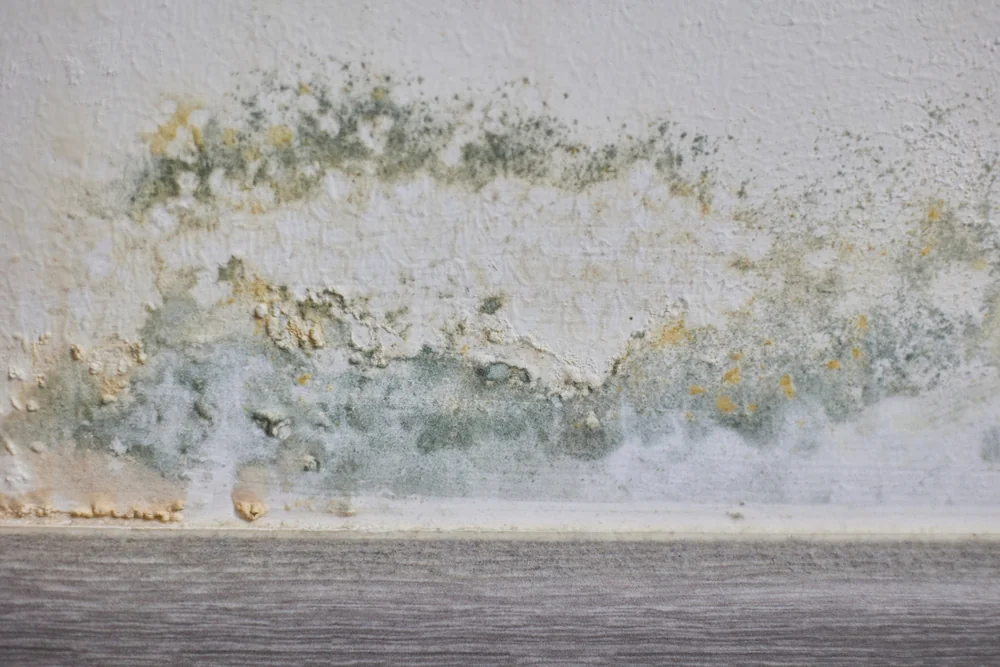
You’ve been dealing with it for weeks now. Maybe months. The cough that won’t quit. The headaches that seem worse at home. The fatigue that no amount of sleep fixes.
Your doctor ran tests and everything came back normal. You’re told it’s stress, seasonal allergies, or just getting older. But here’s what most people don’t realize: toxic mold symptoms often mimic dozens of other conditions, and they’re frequently dismissed until someone finally asks the right question.
In Bucks County, PA, where we get 49 inches of rain per year compared to the national average of 38, mold isn’t just possible—it’s probable. When it’s affecting your health, knowing which symptoms require immediate professional attention can make the difference between a quick fix and a long-term health crisis.
Understanding Toxic Mold Symptoms and When They Cross the Line
Mold exposure affects everyone differently. Some people walk into a moldy basement and barely notice. Others start sneezing immediately.
But toxic mold symptoms fall into a different category entirely. These are the reactions that signal your body is struggling to cope with prolonged or significant exposure. The most common include respiratory issues like persistent coughing, wheezing, and shortness of breath. You’ll also see neurological symptoms—brain fog, memory problems, difficulty concentrating.
Then there’s the chronic fatigue that doesn’t improve with rest, unexplained headaches, and allergy-like symptoms that never seem to go away. What makes these symptoms particularly tricky is how they overlap with other conditions. But when symptoms improve when you leave your home and worsen when you return, that’s your first real clue that mold might be the culprit.
Respiratory Distress: When Breathing Becomes the Battle
Respiratory symptoms are often the first sign your body is reacting to mold exposure. We’re not talking about a little congestion here and there. These are persistent, worsening symptoms that interfere with daily life.
Chronic coughing that lasts weeks or months is one of the most common complaints. It’s often worse at night or first thing in the morning. You might notice chest tightness, like someone’s sitting on your chest.
Wheezing becomes more frequent, especially if you already have asthma. Shortness of breath can happen even during simple activities like climbing stairs or carrying groceries. For people with pre-existing respiratory conditions, mold exposure can trigger severe asthma attacks.
If you have asthma or COPD and you’re noticing your symptoms getting harder to control despite medication, mold exposure should be on your radar. This is especially true in Bucks County, PA homes with basements, where humidity levels and poor ventilation create perfect conditions for mold growth. The danger here is that respiratory symptoms can escalate quickly.
What starts as mild irritation can progress to serious breathing difficulty. If you’re experiencing sudden breathing trouble, severe chest tightness, or an asthma attack that isn’t responding to your usual treatments, that’s an emergency. Don’t wait—seek immediate medical attention and then address the mold problem at its source.
Black mold, or Stachybotrys chartarum, gets a lot of attention in the media. But here’s the reality: all mold can cause respiratory symptoms in sensitive individuals. The type matters less than the concentration and your personal sensitivity.
That’s why professional mold detection is so important. It identifies what you’re dealing with and how severe the problem actually is.
Neurological Symptoms: Brain Fog, Memory Issues, and Chronic Fatigue
This is where toxic mold symptoms get really frustrating. You can’t think clearly. You forget why you walked into a room.
Simple tasks take twice as long because you can’t focus. And everyone around you thinks you’re just stressed or not sleeping enough. Brain fog is one of the most commonly reported neurological symptoms of mold exposure.
It’s that feeling of mental cloudiness where your thoughts move through molasses. You lose your train of thought mid-sentence. Concentrating on work becomes exhausting. Memory problems crop up—you forget appointments, misplace items constantly, or struggle to recall information you knew yesterday.
Chronic fatigue is another major player. This isn’t “I’m tired because I stayed up late” fatigue. This is bone-deep exhaustion that doesn’t improve with sleep.
You wake up feeling like you never rested. By mid-afternoon, you’re barely functional. Rest doesn’t help because the problem isn’t lack of sleep—it’s constant exposure to mycotoxins that trigger inflammation throughout your body.
Headaches and migraines often accompany these neurological symptoms. They might be persistent low-grade headaches that never fully go away, or they could be severe migraines that strike without warning. These headaches are often worse in specific areas of your home, particularly basements, bathrooms, or anywhere with visible moisture damage.
Recent research has shown that mold exposure can actually affect brain function at a cellular level. Mycotoxins can trigger inflammation in the hippocampus, an important memory center in the brain. They can interfere with neurogenesis—the growth of new brain cells.
This isn’t just feeling “off.” This is your brain responding to a real environmental threat. The challenge with neurological symptoms is that they’re often dismissed by healthcare providers who aren’t trained to recognize mold-related illness.
You might be told it’s depression, anxiety, or simply aging. But if your symptoms started or worsened after moving to a new home, after water damage, or during particularly humid seasons, mold exposure should be investigated. What makes this even more concerning is how these symptoms affect quality of life.
You can’t work effectively. Relationships suffer because you’re irritable or withdrawn. You stop doing activities you enjoy because you’re too exhausted or can’t focus. And all the while, the source of the problem is growing behind your walls or under your floors, completely out of sight.
Mold Tests for Your Home: Why Professional Detection Beats DIY Every Time
When you suspect mold is making you sick, the temptation to grab a DIY mold test kit from the hardware store is strong. They’re cheap, they’re convenient, and they promise quick answers. The problem is, they rarely deliver useful information.
DIY mold test kits typically use settling plates—small dishes with growth medium that you leave exposed in your home. They only capture mold spores that happen to land on them during that specific window. They can’t tell you if your indoor mold levels are actually elevated compared to outdoor levels.
They don’t measure concentration. They can’t detect hidden mold behind walls or under flooring. And they provide no information about moisture sources, which is the real key to solving any mold problem. Professional mold detection takes a completely different approach.
Independent Mold Testing: What It Reveals That Home Kits Miss
Independent mold testing provides information that DIY kits simply can’t match. The most important difference is comparison data. Professional testing includes outdoor control samples, so you can see whether your indoor mold levels are actually elevated or just normal environmental exposure.
This matters more than most people realize. Mold spores are everywhere. They’re in outdoor air, they come in on your clothes and shoes, and they’re present in every home to some degree.
The question isn’t whether you have mold—it’s whether you have problematic levels that are affecting your health. DIY kits can’t answer that question because they have no baseline for comparison. Professional testing also identifies specific mold species.
While all mold should be removed regardless of type, knowing what you’re dealing with helps determine the appropriate remediation approach. Some molds require more aggressive removal methods. Some indicate specific moisture problems. This information guides the remediation process and helps prevent recurrence.
Another critical advantage is moisture detection. Mold doesn’t grow without water. Finding and fixing the moisture source is the only way to solve a mold problem permanently.
Professional inspectors use specialized tools to find hidden moisture—leaking pipes inside walls, condensation in HVAC ducts, groundwater seeping through foundations. They identify the conditions that allow mold to thrive, not just the mold itself. In Bucks County, PA, where moisture-retaining soil and seasonal groundwater shifts create unique challenges, this local expertise matters.
A professional who understands how Levittown’s soil behaves or where Newtown homes typically develop moisture problems can identify issues that a generic DIY test would never catch. The cost difference isn’t as dramatic as you might think, either. DIY kits run $10-$50, but then you pay another $30-$150 for lab analysis.
You’re looking at $50-$200 for limited, potentially misleading information. Professional mold inspection in Pennsylvania typically costs $300-$650, and that includes visual inspection, moisture detection, multiple air and surface samples, lab analysis, and a comprehensive report with remediation recommendations. You’re not just getting test results—you’re getting a roadmap to actually solve the problem.
Mold Inspection and Testing Cost: What You’re Actually Paying For
When people ask about mold inspection and testing cost, they’re often focused on the wrong number. The question isn’t just “how much does it cost?” It’s “what do I get for that investment, and what happens if I don’t do it?”
In the Philadelphia and Bucks County, PA area, professional mold inspection typically ranges from $298 to $800, with most homeowners paying between $341 and $426. That price includes a full visual inspection of accessible areas, moisture detection using specialized meters, multiple air samples from different rooms, an outdoor control sample for comparison, surface samples if visible mold is present, laboratory analysis by certified labs, and a detailed report explaining findings and recommendations.
Basic visual-only inspections might run $250-$500. Comprehensive inspections with air and surface sampling typically cost $400-$800. Larger homes or complex situations might reach $750-$1,200 or more.
Additional samples beyond the standard package usually cost around $75 each. Compare that to the cost of ignoring the problem. Untreated mold spreads.
It damages building materials. It affects property value—studies show that sellers who address mold problems before listing often recover $20,000 or more in resale value compared to those who just lower the price and leave the mold for buyers to deal with. And most importantly, ongoing health effects can lead to medical bills, lost work time, and decreased quality of life that far exceeds the cost of proper testing and remediation.
Professional mold detection also prevents wasted money on unnecessary remediation. Without proper testing, you might tear out drywall that’s fine while missing the actual problem area. You might treat visible mold while ignoring hidden growth that will just cause the problem to recur.
Or you might panic over normal mold levels that don’t actually require professional remediation. The inspection cost also includes expertise you can’t get from a DIY kit. Professional inspectors know where to look based on your home’s age, construction type, and local climate factors.
They understand how Bucks County’s heavy rainfall and humid summers affect different home styles. They can spot signs of moisture problems that haven’t caused visible mold yet, preventing issues before they start. For homes with specific risk factors—previous flooding, plumbing leaks, poor ventilation, or family members with respiratory conditions—professional inspection isn’t optional.
It’s essential. The information you get guides not just remediation, but also prevention strategies that protect your investment and your health long-term.
Taking Action When Toxic Mold Symptoms Affect Your Family
If you’re experiencing persistent respiratory issues, neurological symptoms, chronic fatigue, or unexplained health problems that improve when you leave your home, don’t wait for symptoms to escalate. Mold exposure doesn’t get better on its own. The longer you’re exposed, the more severe your symptoms can become, and the more extensive the remediation required.
Professional mold detection gives you answers. It confirms whether mold is actually causing your symptoms. It identifies where the problem is, how severe it is, and what’s causing it.
And it provides a clear path forward—not just removing visible mold, but addressing the moisture sources that allow it to grow in the first place. In Bucks County’s climate, with heavy rainfall and humid summers, mold problems are common. But they’re also solvable when you work with professionals who understand local conditions and use proven, EPA-approved methods.
We provide comprehensive mold inspection, testing, and remediation services throughout Bucks County, PA, addressing not just the symptoms but the root causes that keep mold from coming back.