You’ve been coughing for weeks. Your nose runs constantly, your eyes itch, and you feel exhausted no matter how much you sleep. You’ve tried allergy medication, changed your diet, even replaced your pillows. Nothing helps. Then you notice something: you feel better at work, worse at home. That pattern isn’t random. When you’re inhaling mold every day, your body is fighting a battle you can’t see, and the symptoms show up in ways that often get dismissed as seasonal allergies or stress. The truth is, daily mold exposure affects your respiratory system, immune response, and overall health in ways that compound over time. Here’s what’s actually happening when you breathe in those microscopic spores.
Health Risks of Inhaling Mold in Your Home
Your respiratory system wasn’t designed to filter out the volume of mold spores that accumulate in water-damaged homes. When you’re inhaling mold daily, those spores trigger your immune system to react, whether you have a diagnosed mold allergy or not.
The immediate response usually shows up as respiratory irritation. Your airways become inflamed trying to expel what your body recognizes as a foreign invader. That’s why you’re coughing, even when you don’t feel sick. Your throat feels scratchy, your chest tightens, and breathing becomes more difficult than it should be.
For people with existing respiratory conditions, the effects are more severe. Asthma symptoms worsen. COPD flare-ups happen more frequently. What used to be manageable with medication suddenly isn’t responding the same way. Research shows that about 21% of asthma cases in the United States are linked to dampness and mold exposure, and removing mold from the home reduces asthma symptoms by 25-45%.
Breathing in Mold Spores and Immediate Symptoms
The moment mold spores enter your respiratory system, your body decides how to respond. For some people, that response is immediate and obvious. For others, it builds gradually until symptoms become impossible to ignore.
Allergic reactions are the most common immediate response. If you’re sensitive to mold, your immune system produces antibodies called immunoglobulin E (IgE) when it encounters mold spores. These antibodies trigger mast cells to release histamine, which causes the symptoms you recognize as an allergic reaction: sneezing, runny nose, watery eyes, itchy skin, and congestion that won’t clear.
The CDC reports that mold can cause stuffy nose, sore throat, coughing, wheezing, burning eyes, and skin rash in susceptible individuals. People with asthma or existing mold allergies experience more severe reactions, sometimes within minutes of exposure.
But here’s what catches people off guard: you don’t need a mold allergy to have symptoms. Mold spores irritate the respiratory tract in anyone exposed to high concentrations. Your eyes burn. Your throat feels raw. You develop a dry cough that medication doesn’t touch. These aren’t allergic reactions—they’re irritant responses, and they happen even in people who test negative for mold allergies.
Breathing in mold also affects your lungs directly. The spores penetrate deep into your airways, especially the smaller particles called mold nanoparticles. Research shows these nanoparticles are often hundreds to thousands of times more numerous than whole spores, and they penetrate much deeper into lung tissue. That deep penetration means more inflammation, more immune activation, and more potential for lasting damage.
Children face higher risks because their immune systems are still developing. They spend more time on floors and carpets where mold spores collect, and they breathe faster than adults, inhaling more contaminated air relative to their body size. Studies show that infants exposed to mold in their first year of life have nearly three times the risk of developing asthma compared to those without early mold exposure.
The elderly and immunocompromised individuals are also more vulnerable. Their immune responses decline with age or medical conditions, making it harder for their bodies to fight off the constant assault of mold exposure. What might cause mild symptoms in a healthy adult can trigger serious respiratory infections in someone with a weakened immune system.
Long-Term Effects of Daily Mold Inhalation
Short-term symptoms are uncomfortable. Long-term exposure is where the real damage happens. When you’re inhaling mold every single day, your body never gets a chance to recover. The inflammation becomes chronic, the immune response stays activated, and new health problems develop.
Chronic respiratory inflammation is one of the most documented long-term effects. Your airways remain swollen and irritated, making you more susceptible to respiratory infections. Bronchitis becomes a recurring problem. Sinus infections that used to clear up with antibiotics keep coming back. In fact, research shows that 93% of chronic sinus infections have been attributed to mold exposure.
Hypersensitivity pneumonitis is a more serious condition that develops in some people with prolonged mold exposure. This rare inflammatory lung disease causes coughing, breathing troubles, and fever. It happens when your immune system overreacts to inhaled mold particles, causing inflammation that can lead to permanent lung damage if exposure continues.
The cognitive and neurological effects are less widely recognized but equally concerning. Research published in peer-reviewed journals shows that people living or working in moldy buildings report fatigue, increased anxiety, depression, and cognitive deficits including “brain fog” and memory problems. Studies on controlled mold exposure in laboratory settings confirmed these effects, showing that mold inhalation causes innate immune activation in the brain, affecting mood, cognition, and behavior.
About 25% of Americans carry genetic variants that make them particularly susceptible to long-term inflammation following mold exposure. For these individuals, the effects can include autoimmune problems and structural changes in brain function. The symptoms don’t improve just because you leave the moldy environment—the inflammatory response can continue for years after exposure ends in genetically susceptible people.
Asthma development is another long-term consequence. The World Health Organization found evidence suggesting that early mold exposure contributes to new-onset asthma in some children, particularly those who may be genetically susceptible. For adults with existing asthma, chronic mold exposure can make the condition significantly worse and harder to manage with standard treatments.
The economic and quality-of-life impacts are substantial. The estimated annual cost of mold-related health problems in the United States includes $5.6 billion for mold-related infections and an additional $16.8 billion for asthma conditions linked to mold exposure. But those numbers don’t capture the daily reality of living with chronic symptoms—the missed work days, the disrupted sleep, the inability to enjoy your own home.
Black Mold Health Effects on Families
Black mold gets more attention than other mold types, but the health effects aren’t necessarily worse—they’re just better publicized. The term “black mold” usually refers to Stachybotrys chartarum, a greenish-black mold that grows on materials with high cellulose content like drywall, wood, and paper.
What makes any mold dangerous isn’t its color. It’s the concentration, the duration of exposure, and your individual susceptibility. Research shows that black mold isn’t inherently more toxic than other mold species, despite widespread belief to the contrary. However, it does produce mycotoxins under certain conditions, and prolonged exposure to any mold—black or otherwise—can cause serious health problems.
The symptoms of black mold exposure are similar to other mold exposures: nasal congestion, postnasal drip, coughing, shortness of breath, dry cough, and chest tightness. The CDC states that people with asthma or mold allergies may have severe reactions, but there isn’t evidence that black mold causes more serious health issues like memory loss, nosebleeds, or mood disorders than other mold types.
Side Effects of Black Mold Exposure
The side effects of black mold exposure range from mild allergic reactions to more severe respiratory complications, depending on how long you’ve been exposed and whether you have pre-existing sensitivities.
Mild to moderate symptoms include headaches, stuffy nose, itchy eyes, and general congestion. These symptoms mimic seasonal allergies, which is why many people don’t realize mold is the cause. The key difference is that mold symptoms persist year-round and often worsen when you’re at home, especially in areas where mold is growing.
Prolonged or heavy exposure to black mold has been associated with more serious effects. Medical sources report fatigue, exhaustion, light-headedness, mental fatigue, irritability, difficulty sleeping, and problems with concentration. These symptoms significantly impact daily life and don’t improve with rest or typical treatments.
For people with weakened immune systems, black mold exposure can cause fungal infections in the airways or other parts of the body. This is relatively rare and mainly affects individuals with severely compromised immune function from medical conditions or medications that suppress immune response.
Respiratory symptoms are the most common and most concerning. When you’re breathing in black mold spores daily, your lungs become chronically inflamed. Asthma attacks become more frequent and severe. People without asthma may develop asthma-like symptoms including wheezing, chest tightness, and difficulty breathing. Those with COPD or other chronic lung conditions see their symptoms worsen significantly.
The inflammatory response doesn’t stop at your lungs. Research shows that mold exposure activates your innate immune system, releasing cytokines that cause system-wide inflammation. This can manifest as muscle aches, joint pain, and general malaise that feels similar to having the flu—except it doesn’t go away as long as you’re still exposed to mold.
Children exposed to black mold face particular risks. Their developing respiratory systems are more vulnerable to damage, and early exposure increases the likelihood of developing chronic respiratory conditions. Parents often notice their children have persistent coughs, frequent respiratory infections, or unexplained fatigue that improves during vacations or time spent away from home.
Dangers of Black Mold in Bucks County Homes
Bucks County’s climate creates ideal conditions for mold growth, including black mold. The area receives about 49 inches of rain annually compared to the national average of 38 inches. That extra moisture, combined with humid summers and soil that retains water—especially in areas like Levittown—means basements, crawl spaces, and HVAC systems become breeding grounds for mold.
Older homes in Bucks County face additional challenges. Many were built before modern moisture control standards, with aging foundations, outdated ventilation systems, and building materials that absorb and hold moisture. When black mold takes hold in these conditions, it spreads quickly because the environment supports continuous growth.
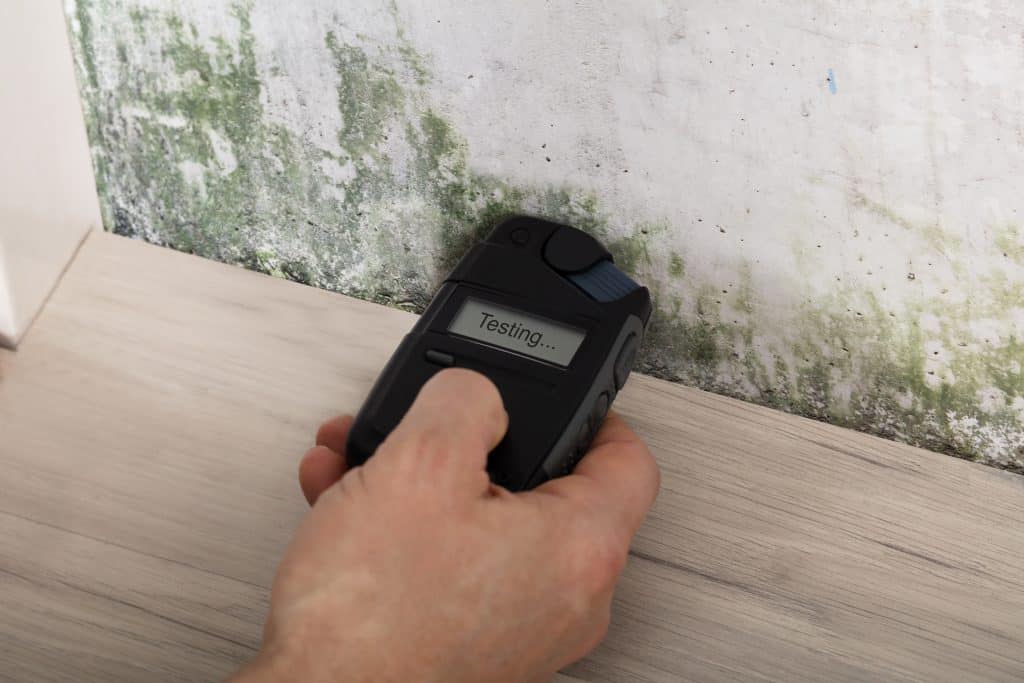
The danger isn’t just the mold you can see. Black mold often grows in hidden areas—behind walls, under flooring, in HVAC ductwork, and inside wall cavities around plumbing leaks. You’re inhaling mold spores from these hidden sources every time your heating or cooling system runs, spreading contaminated air throughout your home.
Seasonal patterns in Bucks County affect mold growth cycles. Heavy spring rains saturate the ground, leading to basement moisture and foundation seepage. Summer humidity creates condensation problems in poorly ventilated spaces. Fall brings more rain and temperature fluctuations that cause condensation. Winter heating dries the air but can create temperature differentials that lead to moisture accumulation in walls and attics.
The health impact on Bucks County families is compounded by the fact that people spend more time indoors during cold months. You’re inhaling mold for extended periods with less fresh air circulation. Children playing in finished basements, families gathering in living spaces above crawl spaces with hidden mold, elderly residents spending most of their time at home—all face prolonged exposure that accumulates over time.
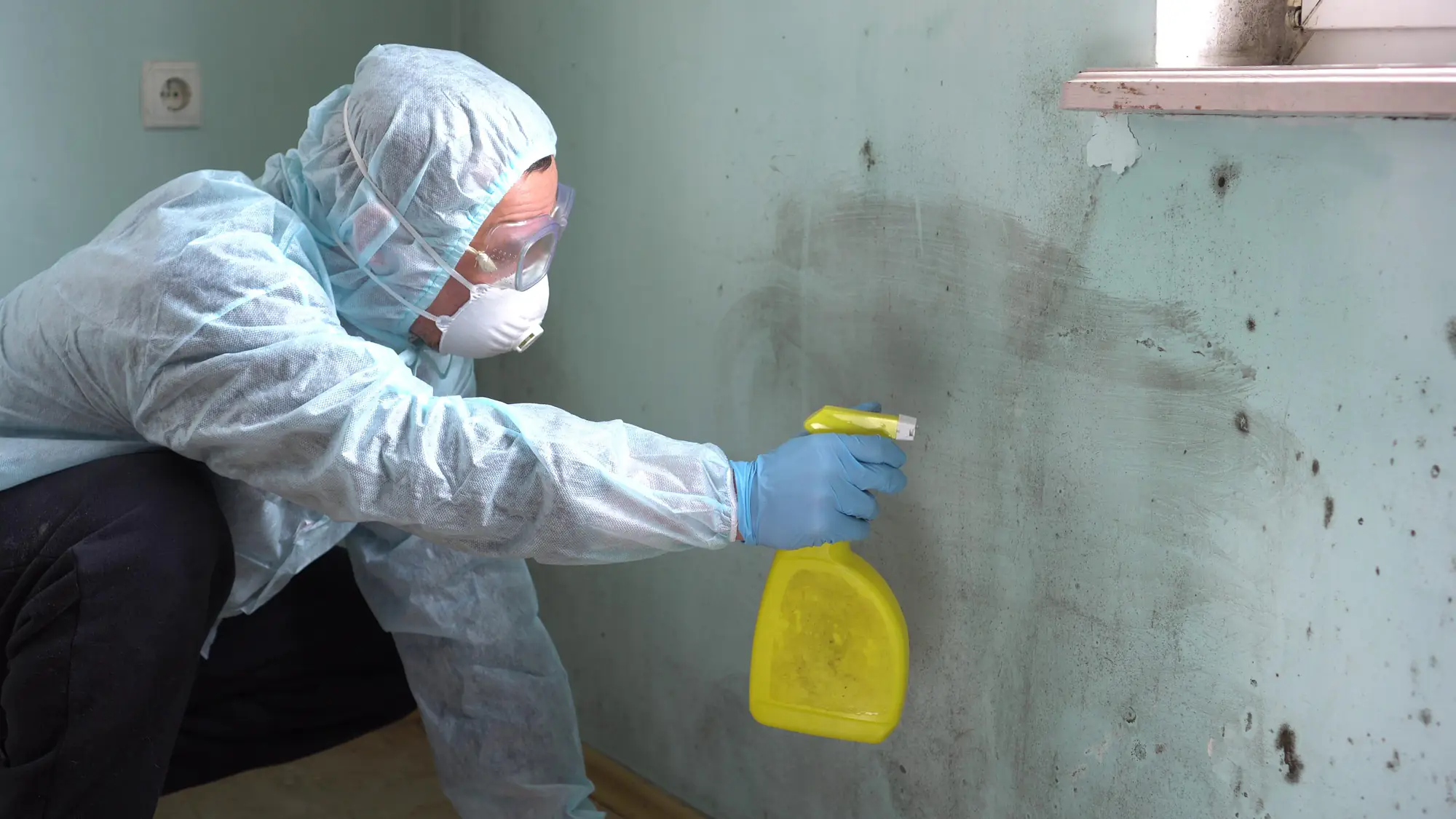
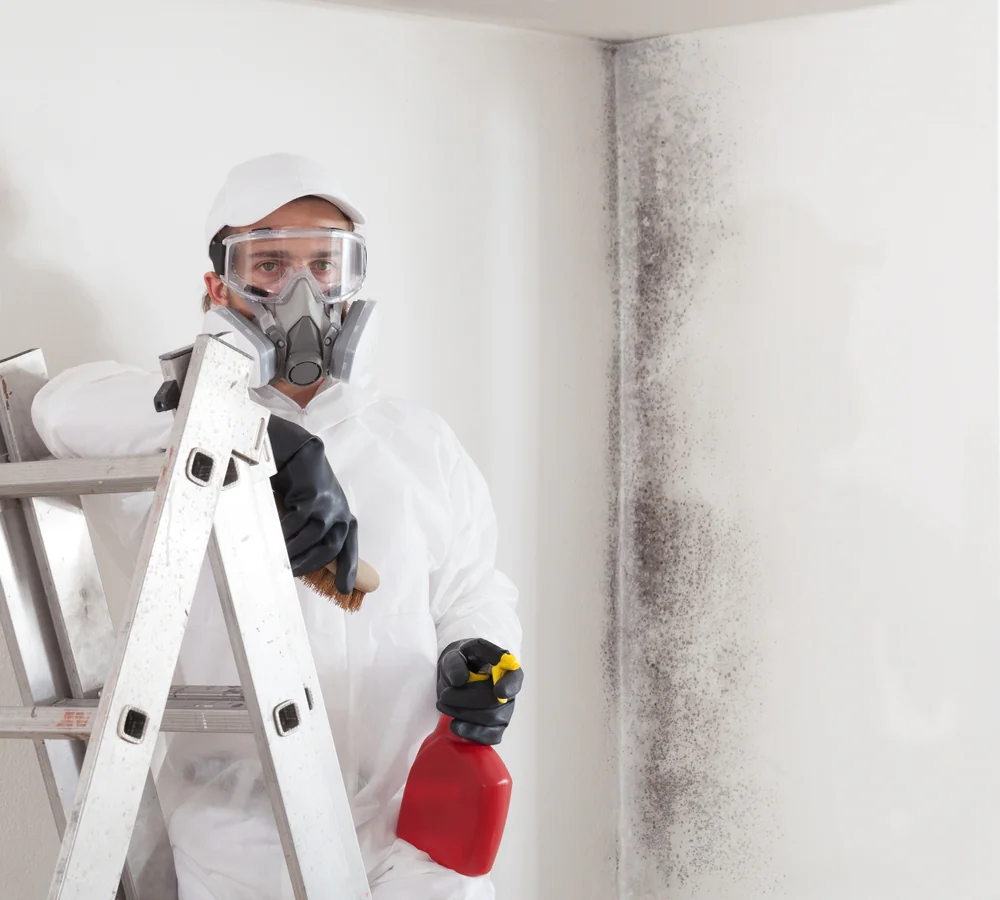
Professional mold removal becomes necessary when the source is extensive or hidden. DIY cleaning handles surface mold on bathroom tiles or small patches on non-porous surfaces. But when black mold has colonized drywall, insulation, or structural materials, professional remediation is the only safe option. Disturbing large mold colonies without proper containment spreads spores throughout your home, making the problem worse and increasing everyone’s exposure.
The economic impact on Bucks County homeowners is significant. Mold concerns can reduce home resale value by 20-37%. Insurance claims for water damage and mold remediation are common, especially after the area’s heavy rainfall events. Professional remediation typically costs between $1,200 and $3,400 for most residential projects, though extensive problems can reach $5,000 or more.
Protecting Your Family from Mold Exposure
Understanding what happens when you’re inhaling mold daily is the first step toward protecting your health. The symptoms you’ve been experiencing—the persistent cough, the congestion that won’t clear, the fatigue, the worsening asthma—aren’t something you have to live with. They’re your body’s response to a problem that has a solution.
The health risks are real, especially for children, elderly family members, and anyone with respiratory conditions or weakened immune systems. But identifying the source and removing it properly stops the exposure and allows your body to heal. Most people see significant improvement in symptoms within weeks of professional mold remediation.
If you’re dealing with unexplained respiratory symptoms that improve when you’re away from home, it’s time to investigate whether mold is the cause. We provide free inspections throughout Bucks County, PA, helping families identify hidden mold sources and understand their options. With 24/7 availability and EPA-approved methods, we address both the immediate health concerns and the underlying moisture problems that allow mold to thrive.