Summary:
What Mold Testing Actually Tells You
Mold testing goes far beyond confirming what you already suspect. It identifies exactly what you’re dealing with, where it’s hiding, and how extensive the problem really is.
Not all mold is created equal. Some species are relatively harmless nuisances, while others produce dangerous toxins that can cause serious health problems. Testing determines which category your mold falls into and guides the appropriate response.
The process also establishes baseline contamination levels throughout your property. This data becomes crucial later when you need to verify that remediation actually worked.
Types of Mold Testing Methods
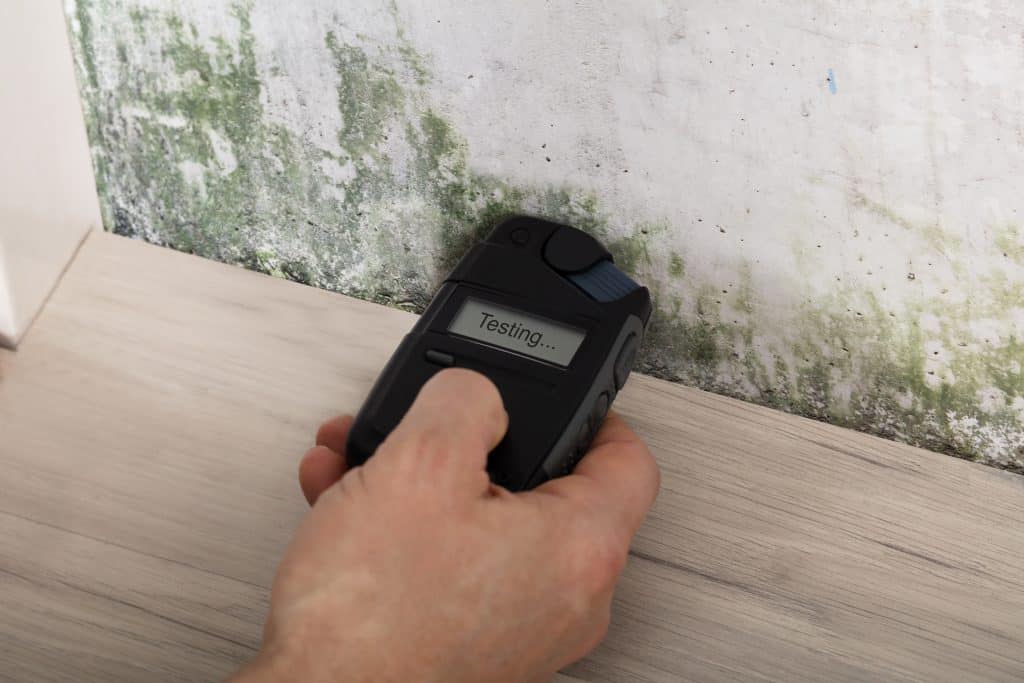
We use multiple testing approaches to get the complete picture of your contamination problem. Air sampling captures airborne spores using specialized equipment, measuring concentration levels that indicate whether you have an active mold problem or just normal background levels.
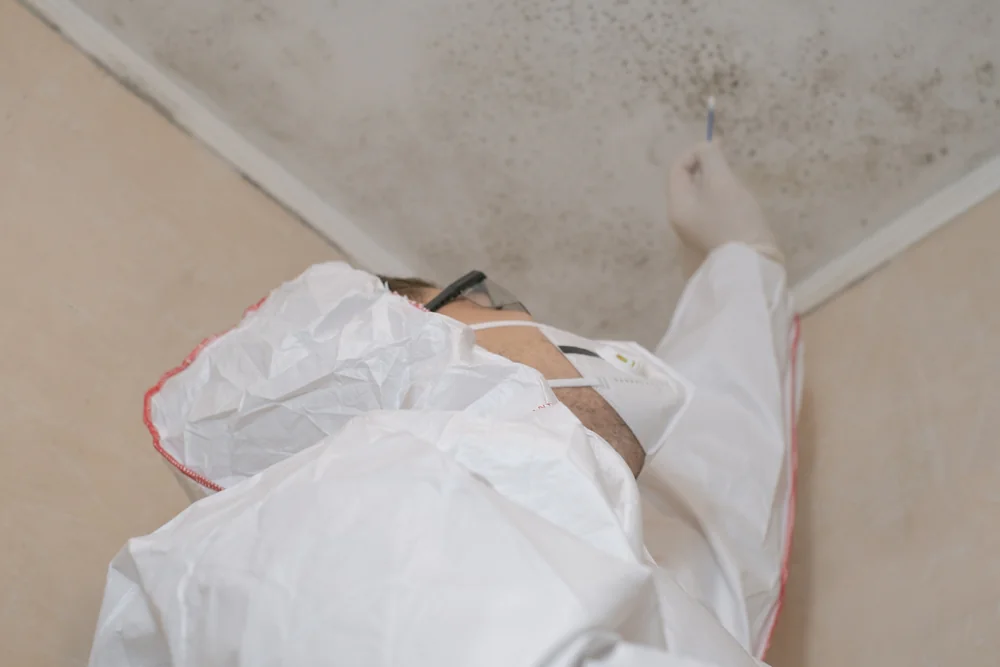
Surface sampling involves collecting samples directly from suspected areas using swabs, tape lifts, or small material samples. This method identifies specific mold types growing on surfaces and helps pinpoint contamination sources.
Thermal imaging adds another layer of detection by identifying temperature differences that indicate moisture problems—the root cause of most mold growth. Cool spots often reveal hidden water intrusion behind walls or under flooring where mold thrives unseen.
Moisture mapping complements thermal imaging by measuring actual moisture content in building materials. High moisture readings indicate areas at risk for mold development, even if growth isn’t visible yet.
Each method provides different pieces of the puzzle. Air sampling shows what you’re breathing, surface sampling identifies what’s actively growing, and moisture detection reveals where problems might develop next.
How Lab Analysis Identifies Dangerous Species
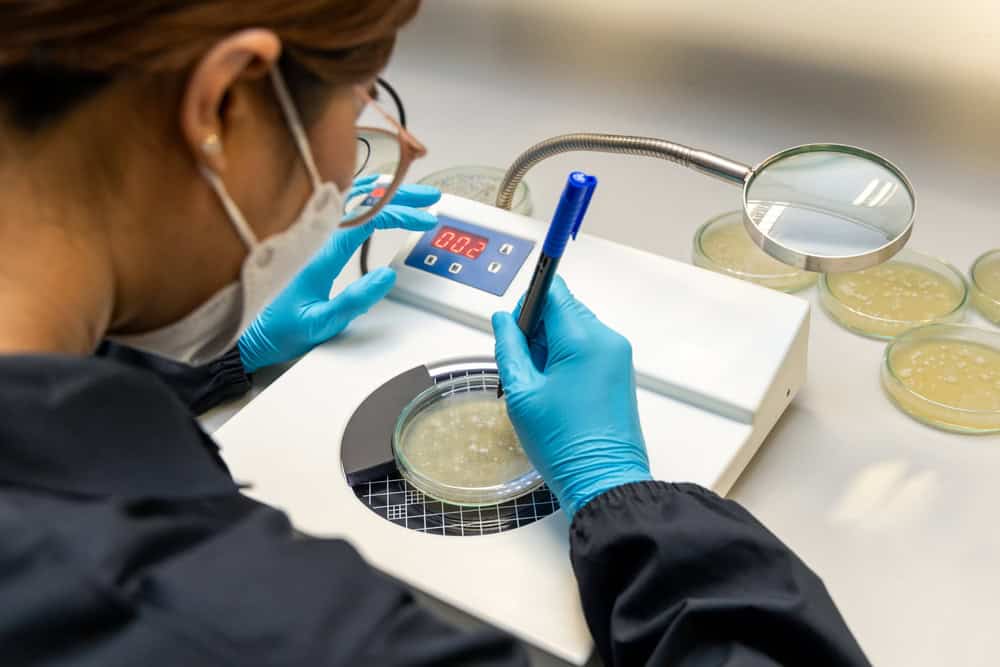
Once samples reach an accredited laboratory, trained mycologists examine them under microscopes to identify specific mold species and count spore concentrations. This isn’t guesswork—it’s scientific analysis that determines exactly what you’re dealing with.
The lab report breaks down results by species, showing both raw spore counts and calculated concentrations per cubic meter of air. More importantly, it compares your indoor levels to outdoor baseline measurements to determine if you have an actual problem or just normal environmental levels.
Certain species trigger immediate concern. Stachybotrys chartarum, commonly called “black mold,” produces mycotoxins that cause respiratory infections, headaches, and even neurological problems. Memnoniella, closely related to Stachybotrys, often grows alongside it and produces similar toxins.
Other species like Aspergillus and Penicillium are common but can still cause problems at elevated levels, especially for people with allergies or compromised immune systems. The lab analysis tells you not just what’s present, but whether the concentrations pose health risks.
Understanding these results helps you make informed decisions about remediation scope and urgency. A few harmless spores don’t require the same response as active toxic mold growth.
Want live answers?
Connect with a Mack's Mold Removal expert for fast, friendly support.
Why Testing Before Remediation Matters
Testing before remediation isn’t about confirming the obvious—it’s about understanding what you’re really facing so you can address it properly. Different mold species require different removal approaches, and knowing exactly what you’re dealing with prevents costly mistakes.
Pre-remediation testing also documents the full extent of contamination, which is essential for planning effective cleanup. What looks like a small problem on the surface often extends much further behind walls or into HVAC systems.
This baseline data becomes your benchmark for measuring success later. Without knowing starting contamination levels, you can’t verify that remediation actually worked.
Establishing Contamination Scope and Species
Our testing reveals the true extent of your mold problem, often uncovering contamination far beyond what’s visible. Hidden growth behind walls, under flooring, or in ceiling cavities frequently surprises homeowners who thought they were dealing with a minor surface issue.
Species identification guides remediation strategy. Toxic molds require more aggressive containment and removal procedures than common environmental species. Knowing what you’re dealing with ensures we use appropriate safety measures and removal techniques.
Testing also identifies moisture sources feeding the mold growth. Finding and fixing these sources is critical—otherwise, mold will simply return after cleanup. Our testing includes moisture mapping to locate all problem areas, not just where mold is currently visible.
Documentation from pre-remediation testing becomes valuable for insurance claims, real estate transactions, and legal protection. Having professional documentation of the problem’s scope and species involved protects you if questions arise later.
The testing process also ensures our remediation crews understand exactly what they’re dealing with before they start work, preventing contamination spread during cleanup.
Safety Planning and Proper Containment
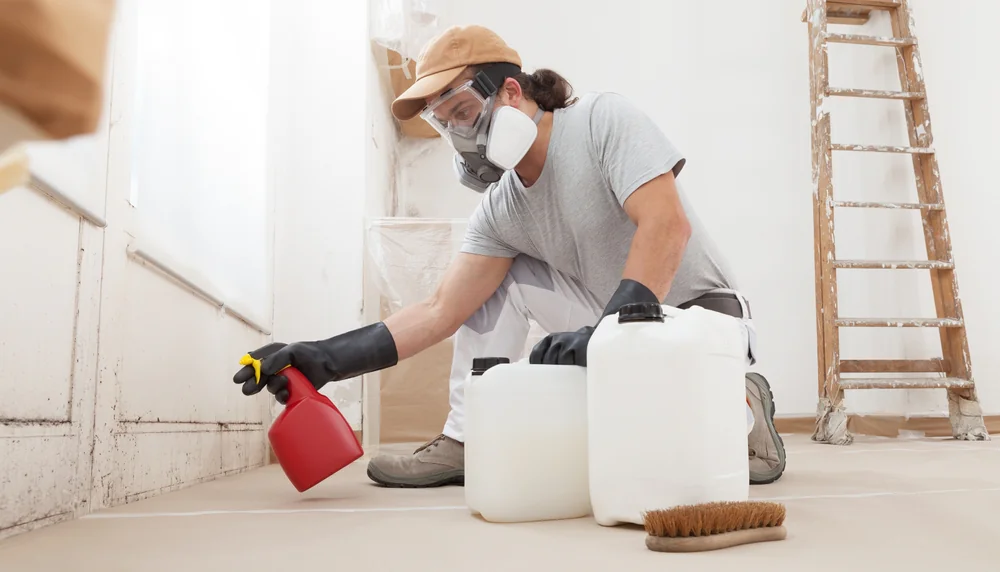
Pre-remediation testing results determine the safety protocols needed during cleanup. Toxic mold species require strict containment procedures, specialized protective equipment, and specific disposal methods that differ significantly from standard cleanup approaches.
Understanding contamination levels helps our remediation crews plan appropriate containment barriers. Light contamination might only require plastic sheeting, while heavy toxic mold growth demands negative air pressure systems and multiple containment layers.
Testing results also guide worker safety requirements. Certain species mandate respirators, protective suits, and decontamination procedures that wouldn’t be necessary for less dangerous mold types. This protects both our cleanup crews and building occupants.
Proper planning based on testing results prevents cross-contamination during remediation. Without knowing the full extent of the problem, cleanup efforts can inadvertently spread spores to previously clean areas, making the problem worse instead of better.
The data also helps determine whether occupants need to temporarily relocate during remediation, especially important for families with young children, elderly members, or anyone with respiratory conditions.
Post-Remediation Testing Proves the Job Worked
Post-remediation testing is your verification that cleanup actually succeeded. Visual inspection alone isn’t enough—mold spores are microscopic and can remain airborne even after visible growth is removed.
Clearance testing compares post-cleanup levels to your original baseline data and to outdoor air samples. Successfully remediated areas should show spore counts at or below normal environmental levels. If levels remain elevated, additional cleanup is needed.
This final verification protects your investment and ensures your family’s safety. It also provides documented proof that remediation was completed properly, which is valuable for insurance claims, warranty coverage, and future property sales.
Our testing gives you confidence that the problem is truly solved, not just hidden behind fresh paint or new materials. Don’t leave your family’s health to chance—demand proof that the mold is actually gone.