
Hear from Our Customers
You’re not imagining that smell. You’re not overreacting to the discoloration on your basement wall. And you’re definitely not alone in wondering whether the cough that won’t quit has something to do with what’s growing behind your drywall.
Mold testing gives you facts instead of fear. You’ll know exactly what’s in your air, where it’s coming from, and whether it’s the kind that requires immediate action or just better ventilation. No guessing. No worst-case-scenario spiraling at 2 a.m.
The test itself is straightforward. We collect air samples and surface samples from areas you’re concerned about, plus areas you might not have considered. Those samples go to an independent lab that identifies mold types and concentration levels. You get a report that explains what was found in plain language, what it means for your health and property, and what your options are moving forward.
If there’s a problem, you’ll have documentation for insurance claims and a clear remediation plan. If there’s not, you’ll have peace of mind and know what to watch for. Either way, you’re not left wondering.
We’ve spent over 15 years testing properties across Wynnefield and the greater Philadelphia area. We know what Philadelphia’s humidity does to older rowhomes. We know how quickly mold takes hold after a pipe bursts in winter or a roof leaks during spring storms.
We’re certified mold inspectors, not salespeople trying to upsell you on remediation you don’t need. Our job is to tell you what’s actually happening in your property. If you need remediation, we’ll lay out exactly what that looks like. If you don’t, we’ll tell you that too.
You’ll work with someone who shows up on time, explains what they’re doing while they’re doing it, and gets you results fast. Most of our clients get lab reports back within 24 hours.

First, we’ll talk. You’ll describe what you’re seeing, smelling, or experiencing. We’ll ask a few questions about your property, any recent water issues, and what’s prompting the call. If it sounds like testing makes sense, we’ll schedule a time that works for you often same-day if you need it.
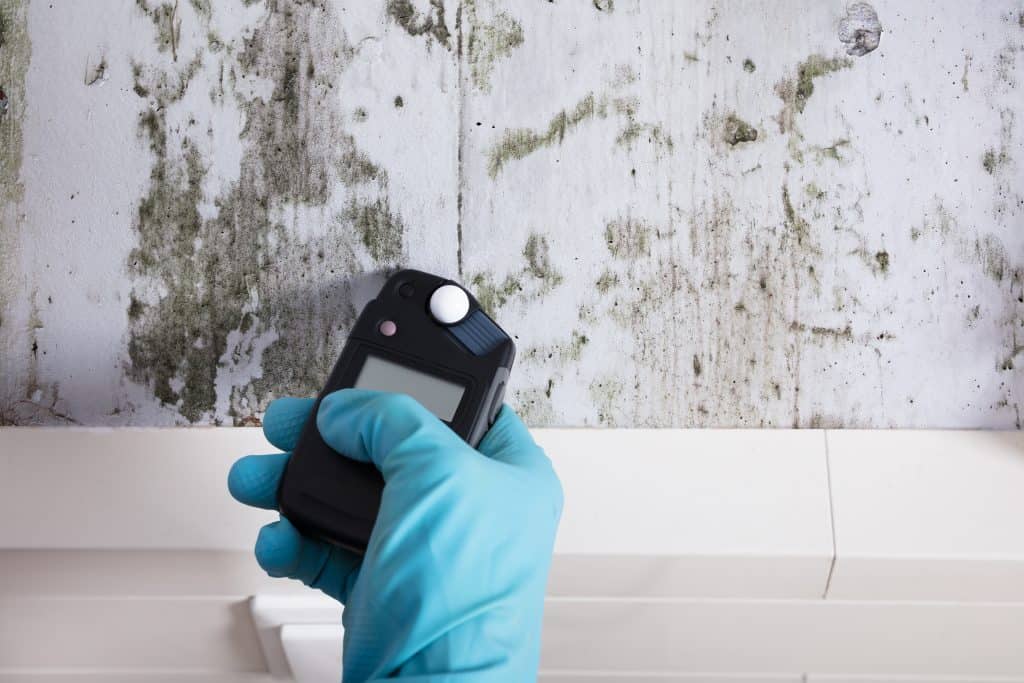
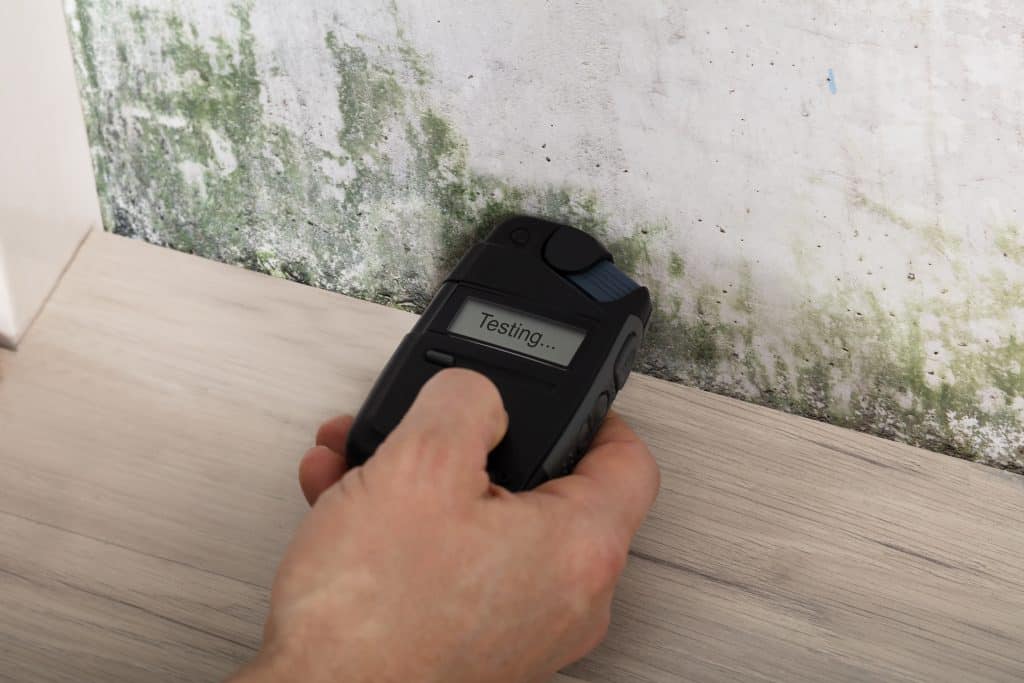
During the inspection, we’ll do a visual assessment of your property, checking obvious spots like bathrooms and basements, plus hidden areas where mold loves to grow. We’ll use moisture meters to find dampness you can’t see and thermal imaging to detect temperature differences that signal trouble. Then we’ll collect air samples from multiple rooms and surface samples from any suspicious areas.
Those samples go straight to an accredited lab. They’ll identify every mold species present and measure spore concentrations. Within 24 hours, you’ll get a detailed report that breaks down what was found, where the levels stand compared to outdoor air and safe indoor thresholds, and whether any of the mold types pose health risks.
We’ll walk you through the results in a follow-up call or meeting. If remediation is needed, we’ll create a protocol that outlines the scope of work. If it’s a minor issue you can handle yourself, we’ll tell you how. You’ll know exactly where you stand and what comes next.

Ready to get started?
Every mold inspection includes a complete visual assessment of your property, air quality sampling from multiple locations, surface sampling where needed, moisture readings, humidity measurements, and thermal imaging to detect hidden water intrusion. You’re not paying for a guy with a flashlight you’re getting a full diagnostic workup.
The lab analysis identifies specific mold species, not just “mold present.” That matters because some molds are allergenic, some are toxigenic, and some are just cosmetic nuisances. Knowing which you’re dealing with determines how urgently you need to act and what kind of remediation is appropriate.
In Wynnefield and throughout Philadelphia, we’re dealing with housing stock that ranges from pre-war rowhomes to newer construction. Older properties often have foundation issues, aging plumbing, and poor ventilation. Newer builds sometimes have moisture problems from improper grading or HVAC systems that weren’t sized correctly. Philadelphia’s location between two rivers means ambient humidity stays high, especially in summer. When outdoor humidity pushes past 60%, indoor levels follow and that’s when mold starts growing in 24 to 48 hours after any water event.
Our testing accounts for these local factors. We know what to look for in Wynnefield properties, and we know how Philadelphia’s climate accelerates mold growth. You’ll get recommendations that make sense for your specific building type and the realities of living in this area.
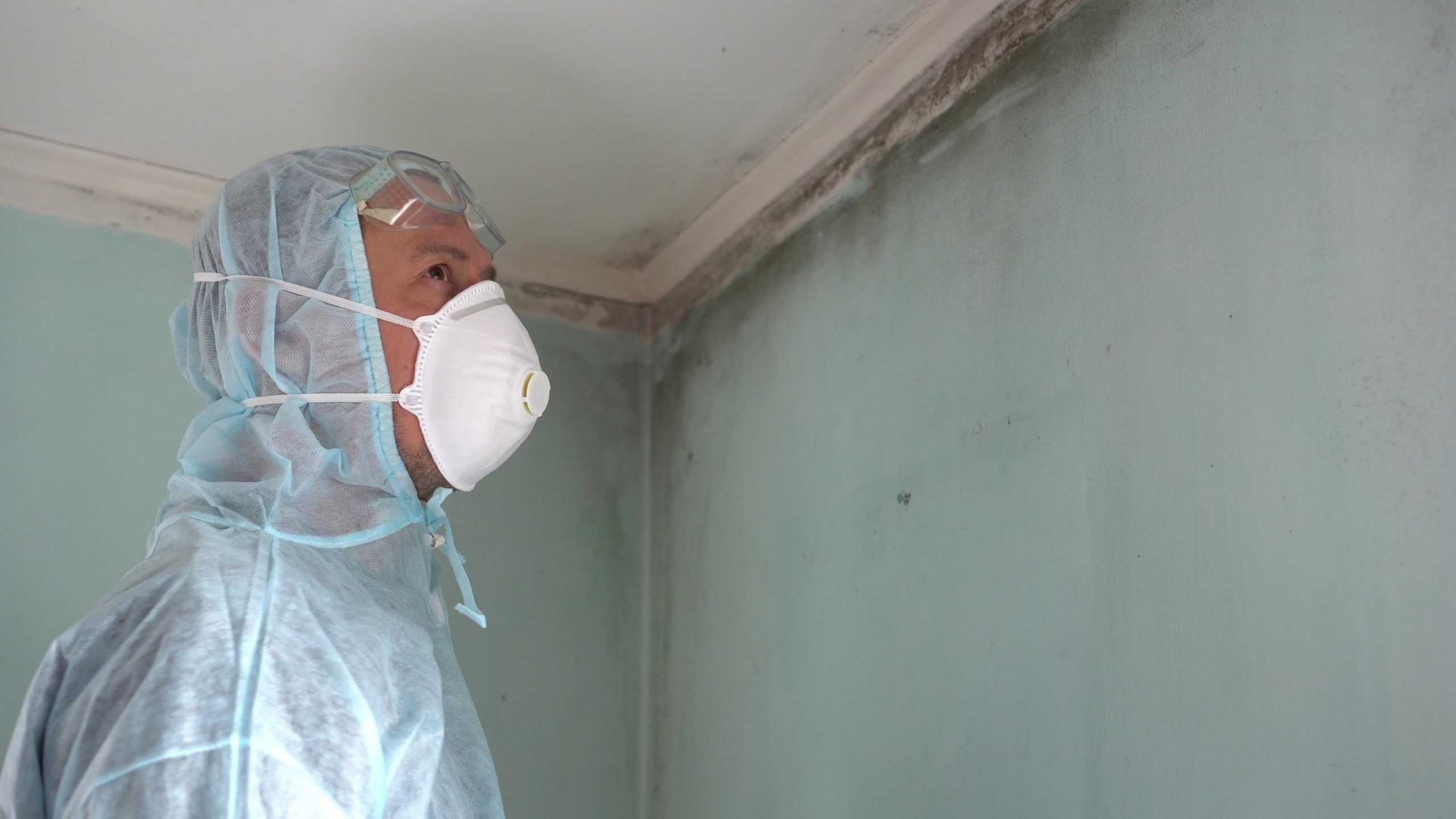
If you’re smelling something musty that doesn’t go away after cleaning, that’s reason enough to test. Same goes for visible discoloration on walls, ceilings, or around windows especially if it’s fuzzy, slimy, or spreading. Health symptoms that get better when you leave the house and worse when you come back are another red flag.
You’re also not overreacting if you’ve had any water intrusion burst pipes, roof leaks, flooding, even persistent condensation. Mold starts growing within 24 to 48 hours after materials get wet, and it often grows in places you can’t see: inside walls, under flooring, in HVAC ducts. Testing finds hidden growth before it becomes a bigger problem.
Property transactions are another common reason to test. If you’re buying a home in Wynnefield, especially an older one, testing gives you leverage to negotiate repairs or walk away if there’s a serious issue. If you’re selling, testing beforehand lets you address problems on your terms instead of during a buyer’s inspection.
A mold inspection is the visual assessment walking through your property, looking for visible mold, checking moisture levels, identifying conditions that promote growth. Testing is the lab work collecting air and surface samples to identify specific mold species and measure spore concentrations.
Most of the time, you want both. The inspection tells us where to look and what conditions are creating the problem. The testing tells us exactly what’s growing and whether it’s a health risk. You can’t see mold spores with the naked eye, and not all mold looks like the black fuzzy stuff people picture. Some species are white, some are clear, some hide completely inside materials.
Testing also gives you documentation. If you’re filing an insurance claim, the carrier will want proof of what type of mold is present and how extensive the contamination is. If you’re dealing with a landlord-tenant dispute or trying to meet Pennsylvania’s indoor air quality regulations for commercial properties, you’ll need lab results, not just someone’s opinion.
The inspection usually takes one to two hours depending on property size. Lab results come back in 24 hours. You’ll get a written report that explains findings in plain language, not just a bunch of scientific names and numbers.
Testing typically runs a few hundred dollars depending on how many samples we collect and how large your property is. That’s a fraction of what you’ll pay if a small mold problem turns into a major remediation job because it went undetected.
Here’s the math: catching mold early might mean cleaning one bathroom and fixing a leaky pipe. Ignoring it until it spreads through your walls could mean tearing out drywall, replacing insulation, and dealing with structural damage. We’ve seen mold issues knock 20% to 37% off a home’s value when they’re discovered during a sale. Remediation for advanced growth can run into the thousands or tens of thousands.
Testing also protects your health. Mold exposure causes respiratory issues, skin irritation, throat irritation, and chronic coughing. For people with asthma or mold allergies, it can trigger serious reactions. Immune-compromised individuals can develop lung infections. If anyone in your household is dealing with unexplained symptoms, testing is worth it just to rule mold in or out as the cause.
We offer free inspections to assess whether testing makes sense for your situation. If it’s something you can handle with basic cleaning and better ventilation, we’ll tell you. If it requires testing and possible remediation, you’ll know what you’re looking at before spending money.
You can, but you probably won’t get useful information. Most DIY kits only tell you that mold is present which is true in almost every building. Mold spores are everywhere. What matters is the type of mold and the concentration levels, and DIY kits don’t measure that accurately.
The other problem is sampling technique. Where you place the test, how long you leave it, and how you handle it afterward all affect results. If you don’t know what you’re looking for or where mold is likely to hide, you might miss the actual problem area entirely. We’ve had clients use DIY kits that came back negative, only to have our professional testing find significant contamination in their HVAC system or behind a wall.
Professional testing uses accredited labs that identify specific species and measure spore counts against established safety thresholds. We’re collecting samples from multiple locations problem areas plus control areas so we can compare indoor air quality to outdoor baselines. That gives you a complete picture, not just a yes/no answer.
If you’re trying to save money, we get it. But if you’re going to make decisions about your health or spend money on remediation, you want accurate data. A $30 kit that gives you bad information isn’t a bargain.
Most of the time, no. The majority of mold issues we find are localized and can be remediated while you’re still living in the property. If it’s a small area less than 10 square feet and it’s not a toxic species, you might be able to handle cleanup yourself with proper precautions.
For larger contamination or mold types that pose health risks, professional remediation is necessary. That process involves containing the affected area with plastic sheeting and negative air pressure so spores don’t spread, removing contaminated materials, cleaning surfaces with antimicrobial solutions, and drying everything thoroughly. Depending on the scope, remediation can take anywhere from a day to a week.
You’d only need to relocate temporarily if the contamination is extensive, affects your HVAC system (which would spread spores throughout the house), or if someone in your household has a severe mold allergy or compromised immune system. We’ll be upfront about that during the results review.
The lab report will show exactly what species are present and at what concentrations. We’ll explain which ones are health concerns, what the remediation protocol should include, and what timeline makes sense. If it’s something that requires immediate action, we’ll help you move quickly. If it’s less urgent, you’ll have time to plan and budget.
The on-site inspection and sample collection usually takes one to two hours depending on your property size and how many areas we’re testing. We’re thorough, but we’re not going to waste your time poking around for three hours when we don’t need to.
Samples go to the lab the same day. Most clients get results back within 24 hours. The report will list every mold species identified, spore concentration levels for each room tested, comparisons to outdoor air quality, and notes on any moisture or humidity issues we found during the inspection.
We’ll schedule a follow-up call or meeting to walk through the results. That conversation usually takes 20 to 30 minutes. We’ll explain what the findings mean in practical terms, answer your questions, and lay out your options. If remediation is needed, we’ll provide a detailed protocol and a cost estimate. If it’s not, we’ll explain what you should monitor going forward and how to prevent future growth.
From the time you call us to the time you have answers, you’re usually looking at two to three days total. If you need faster turnaround, let us know we can often accommodate same-day inspections and rush lab processing for urgent situations.
Other Services we provide in Wynnefield