
Hear from Our Customers
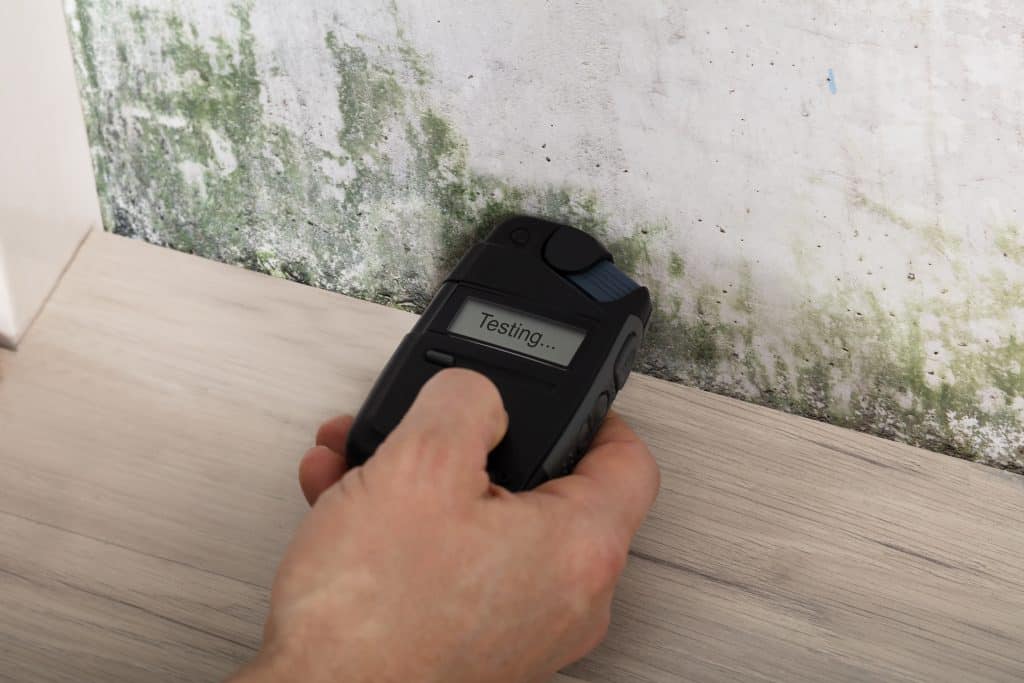
You notice the musty smell when you walk into your basement. Your kids’ allergies seem worse at home than anywhere else. You see dark spots near the window frame but don’t know if it’s dirt or something dangerous.
Here’s what most people don’t realize: by the time you can see or smell mold, it’s already established. The spores you’re breathing might be coming from inside your walls, under your floors, or through your HVAC system. A visual check won’t tell you what type of mold you’re dealing with or how concentrated it is.
Professional mold testing gives you actual data. We use thermal imaging to find hidden moisture, collect air samples to measure spore levels, and send everything to an independent lab for analysis. You get a report that tells you exactly what’s growing, where it’s coming from, and whether it’s affecting your indoor air quality.
That’s the difference between wondering if you have a problem and knowing exactly what you’re up against.
We’ve been serving Germantown and the surrounding Bucks County area since before most people understood how serious mold contamination could be. We’ve tested hundreds of homes old Victorians with basement moisture issues, newer construction with poor ventilation, properties that flooded during storms.
We know what grows here. Pennsylvania’s humidity creates perfect conditions for mold, especially in the fall when temperatures fluctuate. Germantown’s older housing stock means more homes with crawl spaces, stone foundations, and areas where water finds its way in.
When you call us, you’re getting certified inspectors who understand local construction and local climate. We’re not a national franchise reading from a script. We’re the team that shows up, finds what others miss, and explains what it means in plain language.

First, we walk through your property and talk about what you’ve noticed symptoms, smells, visible growth, water damage history. This conversation matters because it tells us where to look deeper.
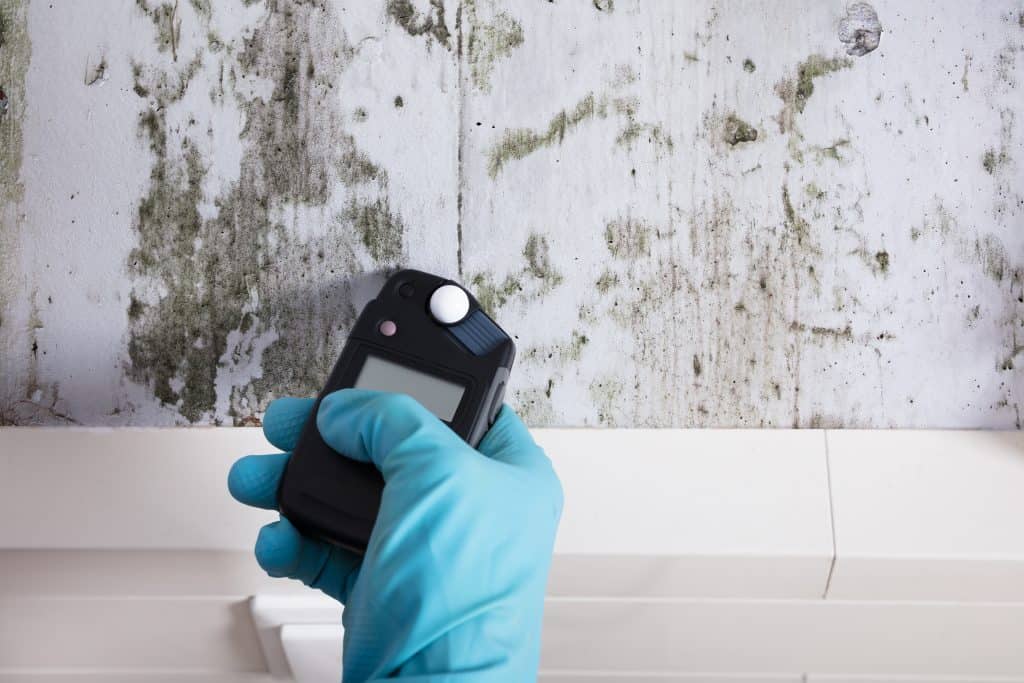
Next comes the visual inspection. We check obvious areas like bathrooms and basements, but we also use thermal imaging to detect temperature differences that indicate hidden moisture behind walls or under floors. Moisture is what feeds mold, so finding it tells us where problems are developing even if you can’t see them yet.
Then we collect samples. Air sampling measures the concentration of mold spores you’re breathing. Surface sampling identifies what’s growing on walls, floors, or other materials. We take samples from multiple locations to compare spore levels and determine if you have an isolated issue or widespread contamination.
Everything gets sent to an independent laboratory for analysis. You’re not trusting our opinion you’re getting certified results that identify the exact species of mold and measure concentration levels. Within a few days, you receive a detailed report with lab findings, photos, moisture readings, and our professional interpretation of what it all means.
If remediation is needed, we explain what that involves and connect you with qualified specialists. If the results show normal levels, you have documentation and peace of mind.

Ready to get started?
Our standard residential mold inspection includes a complete visual examination of your property, thermal imaging to detect hidden moisture, air sampling from multiple rooms, and surface testing of any suspicious areas. Everything is documented with photographs and detailed notes.
The samples go to an accredited laboratory that specializes in mold identification. They use microscopy and other diagnostic methods to determine exactly what species you’re dealing with and at what concentration levels. This matters because different molds present different health risks, and knowing what you have determines the right response.
You receive a comprehensive written report that includes all lab results, moisture readings, photos of problem areas, and our professional assessment. We explain the findings in a follow-up consultation and answer your questions. If your insurance company needs documentation for a claim related to water damage, we provide everything they require.
In Germantown and Bucks County, we see certain patterns. Older homes often have moisture issues in stone basements. Properties near wooded areas tend to have higher outdoor spore counts that can infiltrate through poor sealing. Homes with past flooding or plumbing leaks are at elevated risk even years later. Our testing accounts for these local factors and gives you context specific to your situation.
Most standard inspections run between $400 and $600, which includes everything from the initial visit through lab analysis and reporting. That’s significantly less than what you’d spend on remediation if a small problem becomes a large one.
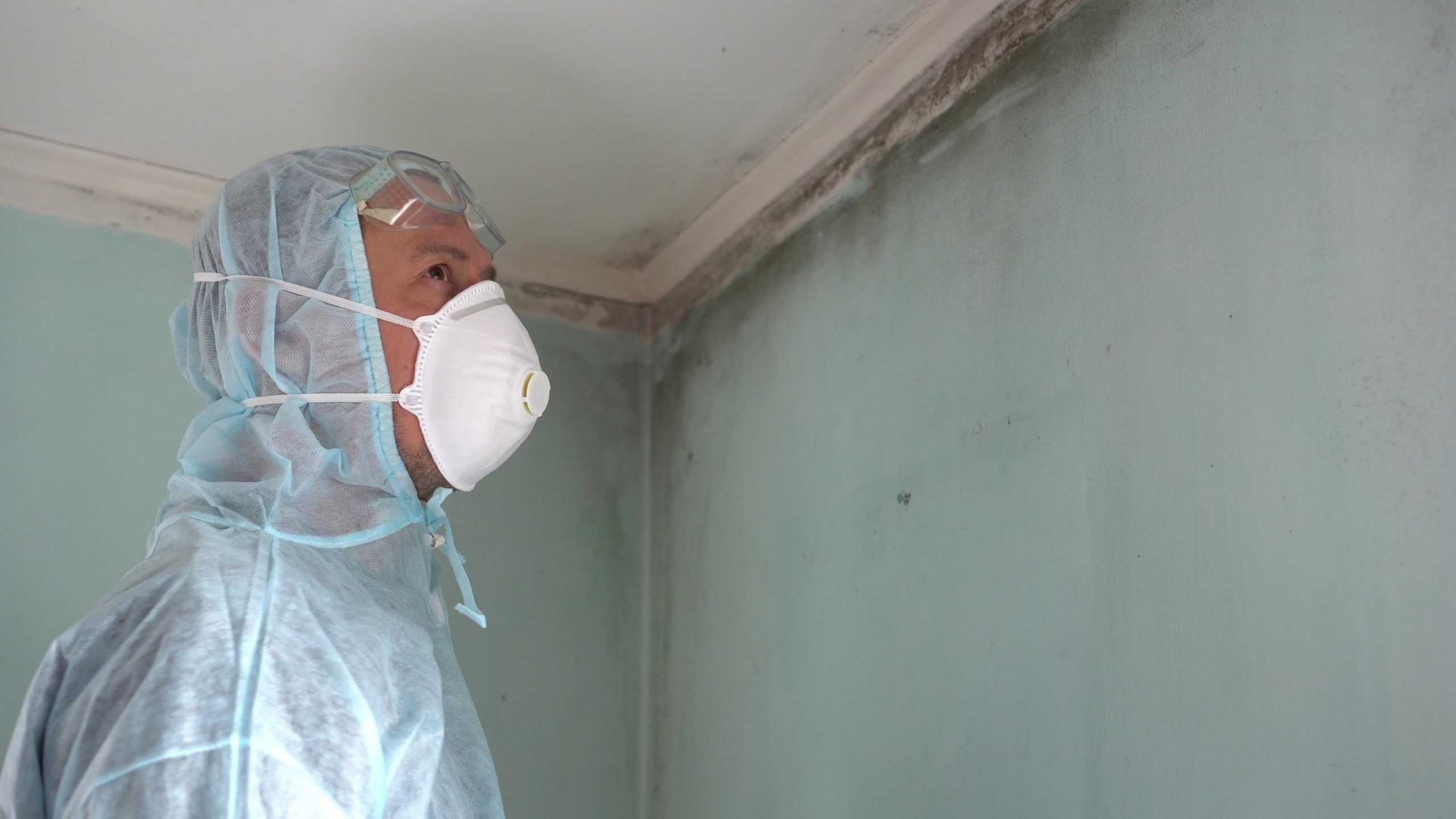
You’re not overreacting if you’re experiencing persistent health symptoms that improve when you leave your home things like headaches, respiratory irritation, sinus problems, or worsening allergies. You’re not overreacting if you smell mustiness that won’t go away or if you’ve had any water damage in the past two years.
Here’s when testing makes sense: before buying a property, after any flooding or significant leak, when you notice visible growth but don’t know what it is, or when your family’s health symptoms suggest poor indoor air quality. Testing is also smart if you’re planning renovations that will open up walls or disturb materials that might be contaminated.
The EPA says that if you can see mold, you often don’t need testing you need removal. That’s true for small, surface-level growth. But if you’re dealing with hidden contamination, health symptoms without visible mold, or you need documentation for insurance or real estate purposes, testing gives you information you can’t get any other way. It tells you what you’re breathing, how bad the problem is, and whether your concerns are justified.
Store-bought test kits usually involve setting out a petri dish that collects whatever lands on it over 24-48 hours. The problem is that mold spores are everywhere inside and outside so these kits almost always come back positive. They don’t tell you the concentration levels, they don’t compare indoor to outdoor counts, and they don’t identify specific species.
Professional testing uses calibrated air pumps that pull a measured volume of air through a collection device. This lets the lab calculate actual spore concentrations per cubic meter, which is how you determine if levels are elevated. We also take outdoor samples for comparison, because if your indoor count is similar to outdoor levels, you likely don’t have an indoor growth problem.
The other difference is laboratory analysis. Consumer kits might tell you “mold detected,” but they won’t tell you if it’s Stachybotrys (black mold), Aspergillus, Penicillium, or something else. Different species have different health implications and require different responses. Professional testing through an accredited lab gives you specific identification and quantification.
You’re also getting trained eyes during the inspection. We know where to look, what moisture patterns indicate, and how to interpret thermal imaging. That expertise is what finds hidden problems that a DIY kit would completely miss.
The on-site inspection typically takes 1-2 hours depending on your property size and the extent of areas we need to examine. We’re thorough but efficient we’re not trying to drag things out, we’re trying to collect accurate samples and document everything properly.
Once we collect samples, they go to the lab the same day or next business day. Laboratory analysis usually takes 3-5 business days. You’re not waiting weeks for results. As soon as we receive the lab report, we review it and schedule a time to go over findings with you, either by phone or in person.
If you’re in a time-sensitive situation closing on a house, dealing with an insurance claim, or facing health concerns that need immediate answers let us know. We can request expedited lab processing for an additional fee, which can get you results in 24-48 hours.
The follow-up consultation is when we explain what the numbers mean, show you where problems are located, and discuss next steps. This isn’t a five-minute phone call. We take the time to make sure you understand what you’re dealing with and what your options are.
Many homeowner’s insurance policies cover mold testing when it’s related to a covered water damage event like a burst pipe, roof leak, or storm flooding. If you’ve filed a claim for water damage, testing to determine whether mold developed as a result is often covered. However, mold resulting from long-term maintenance issues or humidity usually isn’t covered.
The best approach is to check your specific policy or call your insurance company before scheduling testing. Ask specifically about mold inspection coverage and whether you need pre-approval. Some policies require you to use their preferred vendors, while others reimburse you for testing done by any licensed company.
We provide complete documentation that insurance companies accept: detailed written reports, laboratory analysis with chain of custody, photographs of affected areas, moisture readings, and our professional assessment. If your adjuster needs additional information or specific formatting, we work directly with them to provide what’s required.
Even if insurance doesn’t cover the testing cost upfront, having professional documentation strengthens your claim if remediation becomes necessary. It establishes the extent of contamination, proves the timeline, and provides the evidence adjusters need to approve coverage for removal and repairs.
First, we explain exactly what the lab found what species of mold, at what concentration levels, and in which areas of your home. Not all mold findings require extensive remediation. Sometimes elevated levels in one room indicate a localized issue that’s relatively straightforward to address.
We walk you through what the results mean for your health and your property. Some molds are primarily allergens, others produce mycotoxins, and some are indicators of serious moisture problems. The species and concentration determine the urgency and scope of response needed.
If remediation is necessary, we provide clear recommendations and can connect you with qualified specialists. We’re not trying to upsell you on services you don’t need we’re giving you honest guidance based on what the data shows. Sometimes the solution is improving ventilation and cleaning affected surfaces. Other times it requires professional removal and addressing underlying moisture sources.
You’ll also get recommendations for preventing recurrence, because removing existing mold doesn’t help if the conditions that caused it are still present. That might mean fixing drainage issues, improving ventilation, repairing leaks, or using dehumidifiers in problem areas.
The goal is to give you a clear path forward. You’re not left wondering what to do next or who to trust. You have documentation, professional interpretation, and actionable guidance based on certified laboratory results.
Pennsylvania’s climate creates ideal conditions for mold growth. We have humid summers, temperature swings in spring and fall, and enough precipitation that moisture finds its way into homes. Mold needs three things: moisture, organic material to feed on, and temperatures above 40 degrees. Bucks County homes provide all three for much of the year.
Germantown’s housing stock includes many older properties built before modern moisture barriers and ventilation standards. Stone foundations, unfinished basements, crawl spaces, and older windows all create opportunities for water infiltration and condensation. Even newer homes can have issues if they were built too tight without adequate ventilation or if grading directs water toward the foundation.
We also see problems after storms. Properties that flooded during heavy rains often develop mold within 24-48 hours if materials aren’t dried properly. Even minor roof leaks or plumbing issues can create hidden moisture that feeds mold growth inside walls or under floors.
The wooded character of many Bucks County neighborhoods means higher outdoor mold spore counts, especially in fall when leaves decompose. Those spores easily enter homes through open windows, doors, and HVAC systems. If indoor humidity is elevated, those spores find surfaces to colonize. It’s not that homes here are poorly maintained it’s that local conditions make mold prevention an ongoing challenge that requires attention to moisture control and ventilation.
Other Services we provide in Germantown