

Hear from Our Customers
You can’t see most mold spores. They’re in the air, behind your walls, under carpets, in crawl spaces. You might smell something musty or notice your family’s allergies getting worse, but you don’t know if it’s actually mold or how serious the problem is.
That’s where professional mold testing comes in. We use air sampling and surface testing to measure what’s actually in your home. You get lab results that tell you the type of mold, the concentration levels, and whether you’re dealing with something that needs immediate attention or just normal background levels.
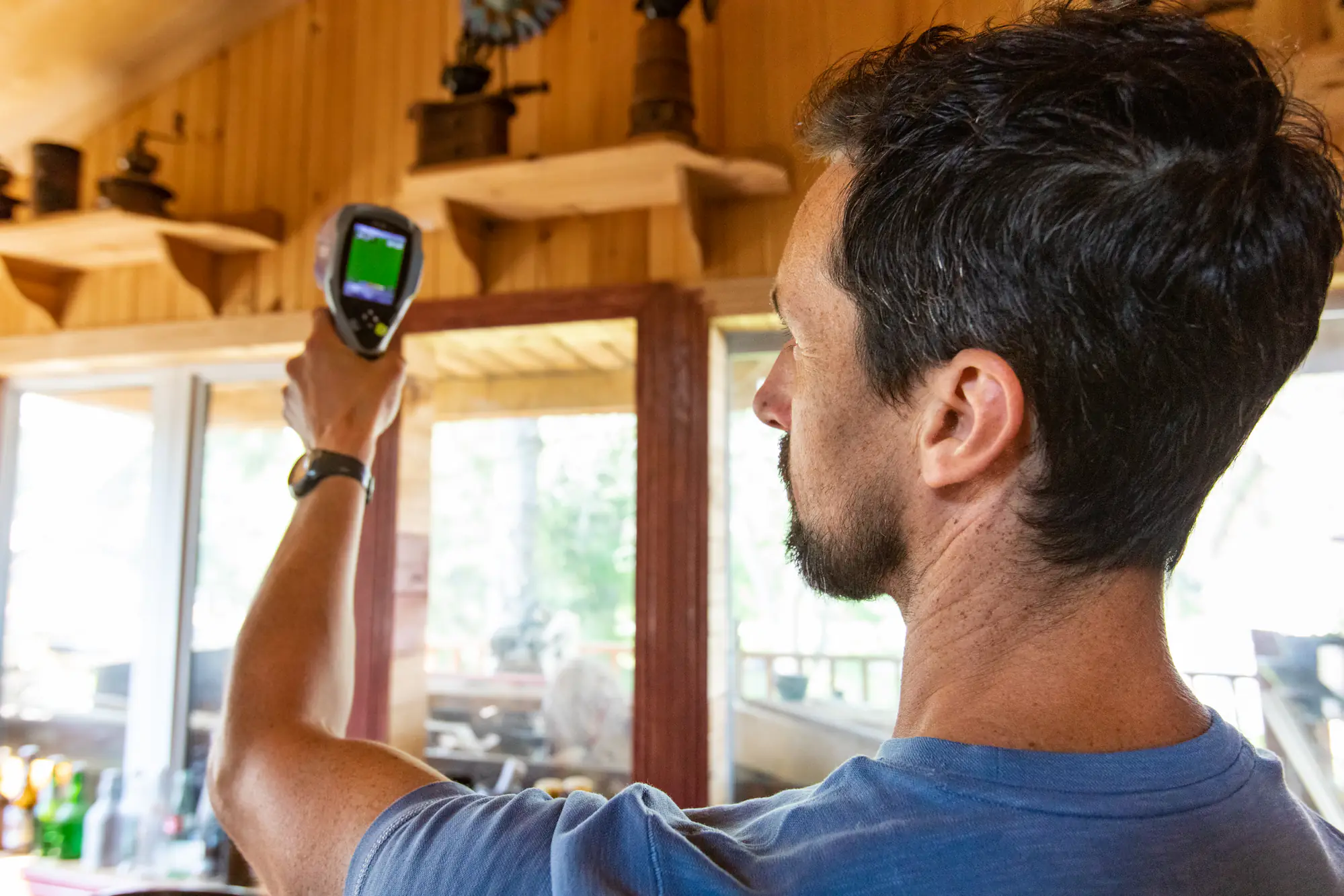
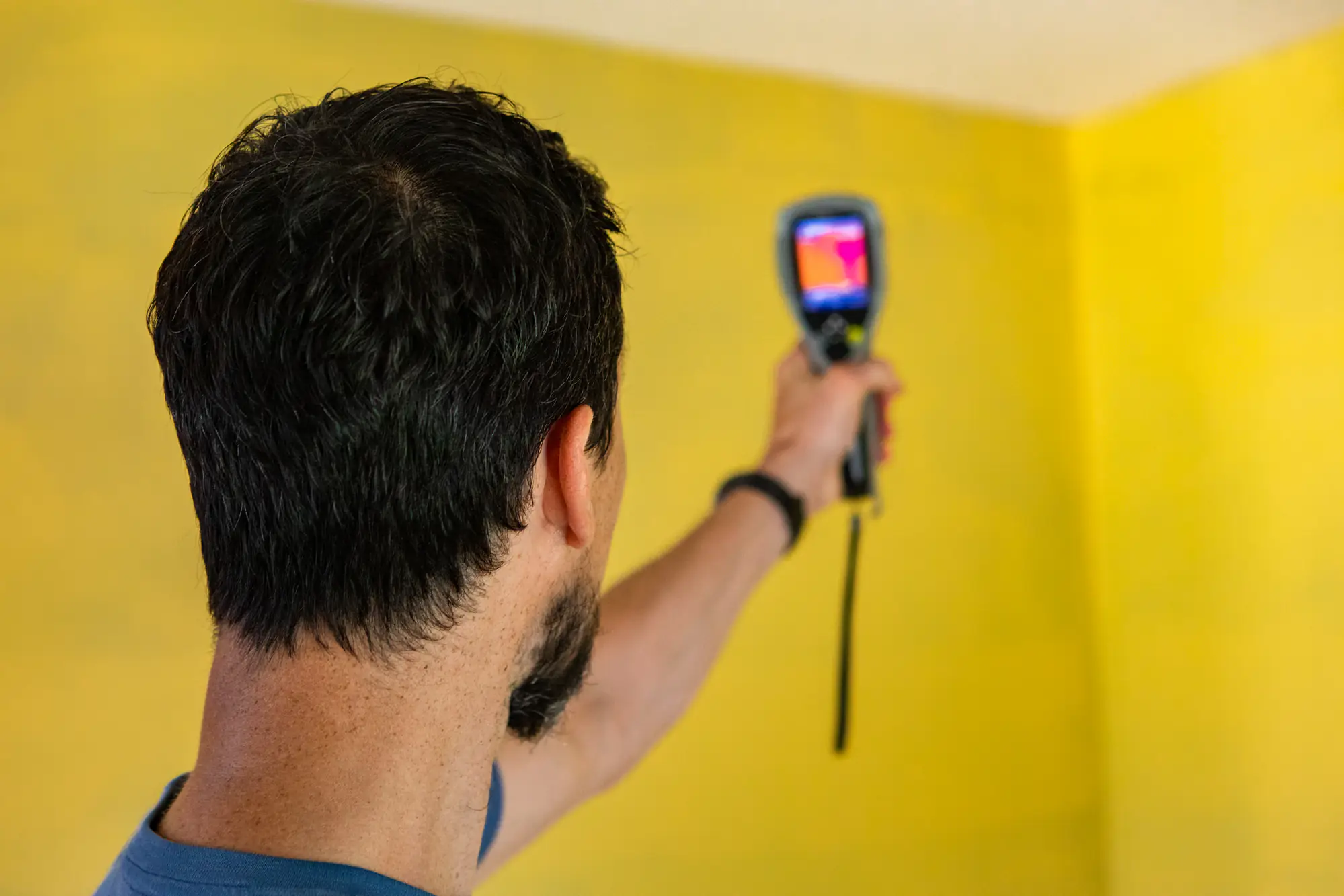
Testing also finds the hidden stuff. Infrared cameras detect moisture behind walls. Meters measure humidity in areas you can’t easily access. If there’s mold growing where you can’t see it, we’ll find it before it spreads or causes structural damage.
The biggest benefit? You stop guessing. You know exactly what you’re dealing with, what it’ll cost to fix, and whether your home is safe. That matters when you’re making decisions about your family’s health or negotiating with insurance companies.
We serve Finland and the rest of Bucks County with one clear advantage: we’re a third-party testing company. That means we’re not trying to upsell you on expensive remediation work you might not need.
Industry standards actually recommend this approach. When the same company tests and removes mold, there’s a conflict of interest. We test, give you the facts, and let you decide what happens next.
Finland’s climate creates real mold risks. Pennsylvania’s precipitation has increased 5-10% in recent years, and the humidity here gives mold everything it needs to grow. We’ve tested hundreds of homes in Bucks County, and we know what to look for in basements, attics, and the older construction common in this area.
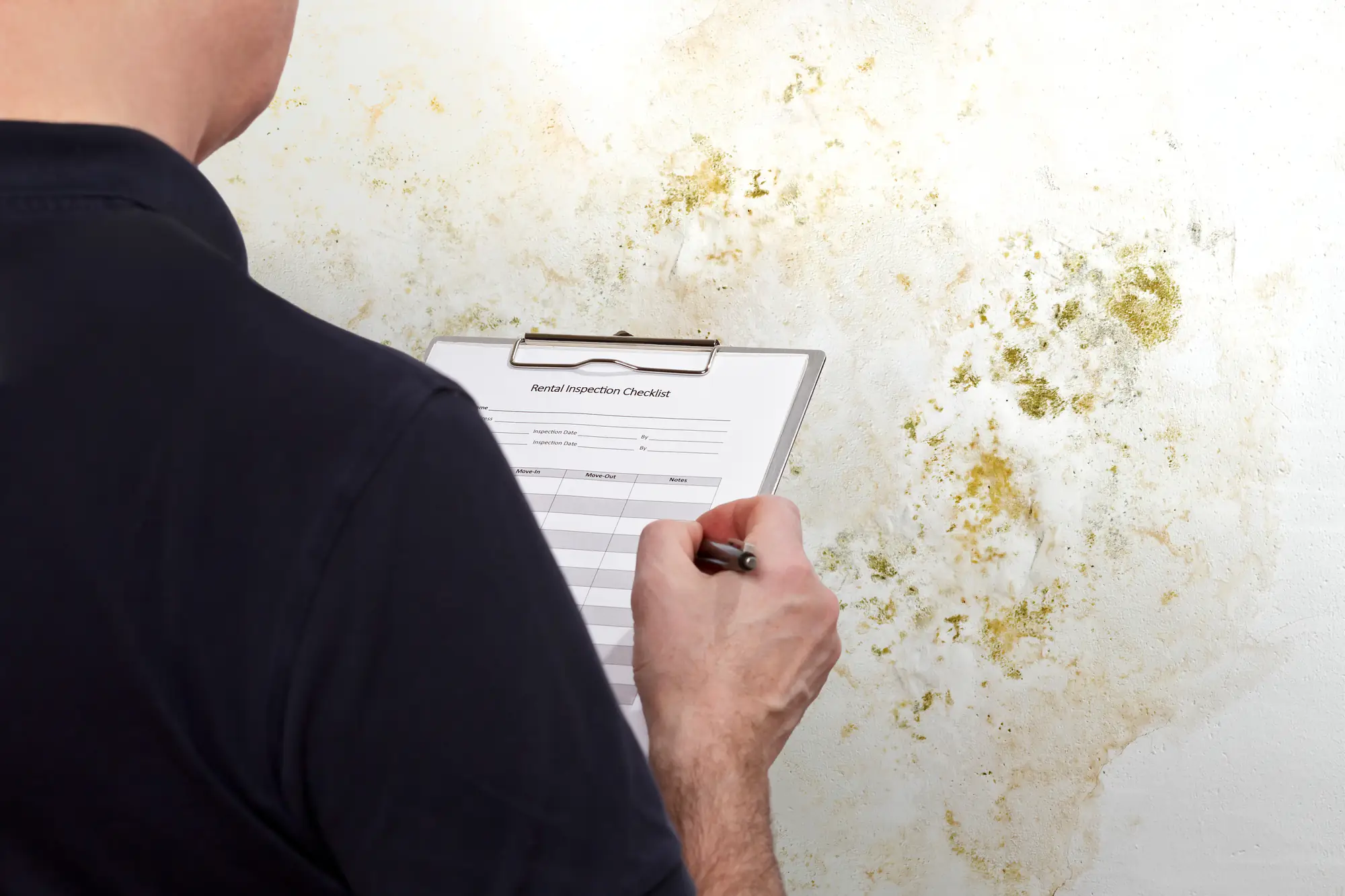
We start with a visual inspection of your entire property. That includes obvious problem areas like basements and bathrooms, but also places most people don’t check—behind appliances, inside HVAC systems, around windows, in attics and crawl spaces.
Next comes the actual testing. We collect air samples from multiple rooms to measure airborne spore counts. If we see visible growth or suspect hidden mold, we take surface samples or use moisture meters and infrared cameras to check inside walls and under flooring. Everything gets sent to an independent lab for analysis.
You’ll get a detailed report within a few days. It breaks down the types of mold found, the concentration levels in each area, and whether those levels are normal or elevated. We’ll walk you through what the results mean in plain language.
If remediation is needed, we’ll explain your options. If the levels are normal, we’ll tell you that too. The goal is to give you accurate information so you can make the right call for your situation.
Ready to get started?
Your inspection starts with a free assessment. We look at your property, talk about what you’ve noticed—smells, visible growth, health symptoms, water damage history—and determine what type of testing makes sense.
Air quality testing measures the density of mold spores in your indoor air compared to outdoor levels. This tells us if you have an elevated spore count that could affect your respiratory health. Surface testing identifies the specific type of mold growing on walls, ceilings, or other materials. That matters because some molds are more toxic than others.
We also check moisture levels throughout your home. Mold needs water to grow, so finding moisture problems helps prevent future issues. In Finland and Bucks County, basement moisture and roof leaks are common culprits. Older homes in the area often have ventilation issues that trap humidity.
All samples go to a certified lab. You get a written report with clear results and our professional assessment. If you need documentation for insurance claims, real estate transactions, or legal situations, our certified testing provides that third-party verification.
Most residential mold testing in Finland runs between $300 and $600, depending on your home’s size and how many samples we need to collect. A typical inspection for a single-family home with air sampling in 2-3 rooms and a visual assessment costs around $400.
The price goes up if you need more extensive testing—multiple air samples, surface samples, or testing in hard-to-reach areas like crawl spaces. Larger homes or properties with known water damage may require more comprehensive testing.
We offer free initial inspections. That means we’ll come out, assess your situation, and give you an honest recommendation about whether testing is necessary and what it should include. You’ll know the cost before we collect any samples.
A mold inspection is a visual assessment. We walk through your property, look for visible mold growth, check for moisture problems, and identify conditions that support mold. You get our professional opinion about whether you have a mold problem.
Mold testing goes further. We collect physical samples—air samples, surface samples, or both—and send them to a lab for analysis. The lab identifies the specific types of mold present and measures the concentration levels. Testing gives you hard data, not just observations.
Most people start with an inspection. If we find visible mold or conditions that suggest hidden growth, we recommend testing to confirm the type and extent of contamination. Testing is also important if you’re experiencing health symptoms but can’t see any mold, or if you need documentation for insurance or real estate purposes.
Lab results typically come back in 3-5 business days. The samples we collect go to an independent certified lab that analyzes the mold types and spore counts. They’re thorough, and that takes time.
You’ll receive a detailed written report that breaks down what was found in each sample location. We’ll review the results with you and explain what they mean in practical terms—whether the levels are normal, elevated, or require immediate action.
If you’re in a time-sensitive situation—like a real estate closing or a health emergency—some labs offer rush processing for an additional fee. That can get you results in 24-48 hours. We’ll work with your timeline and let you know what’s realistic.
You can buy DIY mold test kits at hardware stores for $10-$50. They’ll tell you if mold is present, but they won’t tell you much else. Most DIY kits can’t identify the specific type of mold or measure concentration levels accurately.
Professional testing uses calibrated equipment and certified labs. We know where to sample, how to collect samples without contamination, and how to interpret results in context. A high spore count in one room might be normal if outdoor levels are also high. A low count might still be concerning if it’s a toxic variety.
The bigger issue is that DIY testing doesn’t find hidden mold. We use moisture meters, infrared cameras, and years of experience to locate mold behind walls, under floors, and in other concealed areas. If you’re dealing with health symptoms, property damage, or insurance claims, you need professional documentation.
Bucks County’s humid climate creates ideal conditions for several mold varieties. The most common we find in Finland homes are Cladosporium, Penicillium, Aspergillus, and Stachybotrys (black mold).
Cladosporium grows on wood, drywall, and fabrics. It’s usually olive-green or brown and thrives in both warm and cool conditions. Penicillium appears blue or green and often grows on water-damaged materials and in areas with high humidity. Aspergillus is extremely common and can be various colors—it grows on dust, powdery foods, and building materials.
Stachybotrys—the infamous black mold—grows on materials with high cellulose content like drywall, wood, and paper. It needs consistent moisture and often indicates a serious water problem. It’s less common than the others but more concerning because it produces mycotoxins that can cause respiratory issues and other health problems. Testing identifies which types you’re dealing with so you know whether you need immediate remediation or just better ventilation.
If you can see mold, you know you have a problem. Testing isn’t required to start remediation. But there are good reasons to test even when mold is visible.
First, testing identifies the specific type. Some molds are more dangerous than others. Black mold requires more aggressive remediation and safety protocols than common surface molds. Knowing what you’re dealing with helps you respond appropriately.
Second, visible mold is often just part of the problem. Testing finds hidden growth behind walls, under flooring, or in HVAC systems. If you only clean what you can see, you might miss the bigger issue.
Third, testing provides documentation. If you’re filing an insurance claim, involved in a real estate dispute, or dealing with a landlord-tenant situation, certified lab results carry weight. They prove the extent of contamination and support your case for coverage or remediation costs.
Other Services we provide in Finland