

Hear from Our Customers
You shouldn’t have to worry about what’s growing in your walls or whether the air you’re breathing is making your family sick. When mold gets removed properly, you get your peace of mind back.
Your home feels fresh again. That musty smell disappears. Your family stops dealing with unexplained coughing, sneezing, or that constant stuffy feeling that never seems to go away.
The difference is in doing it right the first time—finding every source of moisture, removing all affected materials, and making sure it doesn’t come back.
We’ve been helping Washington Crossing homeowners deal with mold problems for years. We understand how Pennsylvania’s humid summers and wet winters create perfect conditions for mold growth in older homes.
Most of the houses here were built in the 1980s, before modern moisture management became standard. That means more basement moisture issues, aging roofing materials, and ventilation systems that weren’t designed for today’s weather patterns.
We’ve seen it all—from small bathroom mold to major basement flooding aftermath. Every job gets the same thorough approach because we know cutting corners just means you’ll be calling someone back in six months.

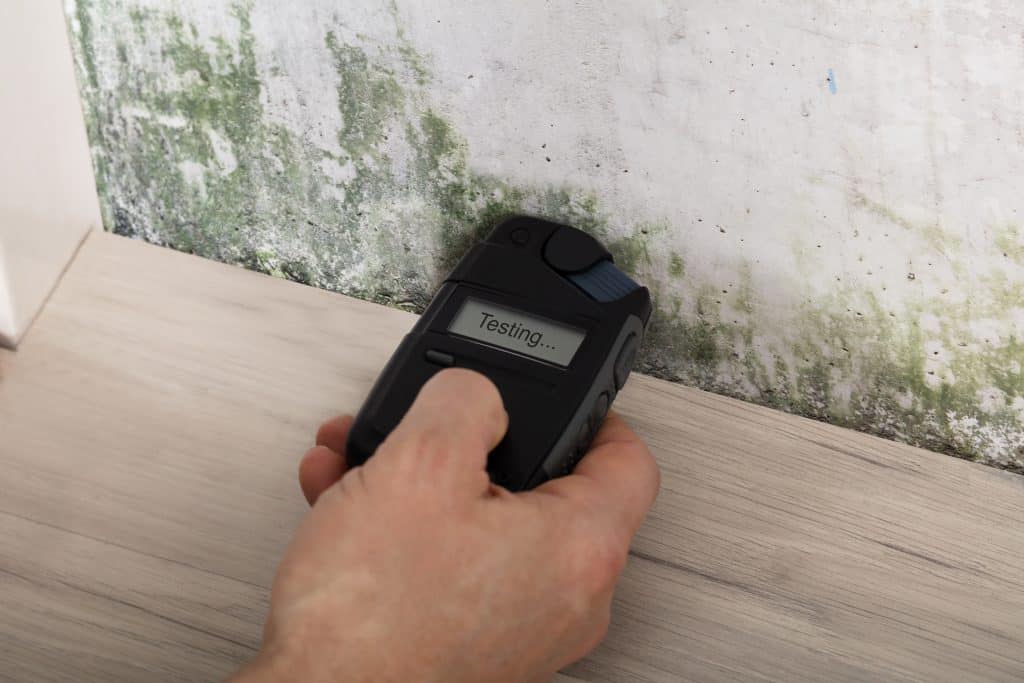
First, we find the real problem. That means identifying every moisture source—not just the obvious ones. We use moisture meters and infrared cameras to check behind walls and under floors where water damage likes to hide.
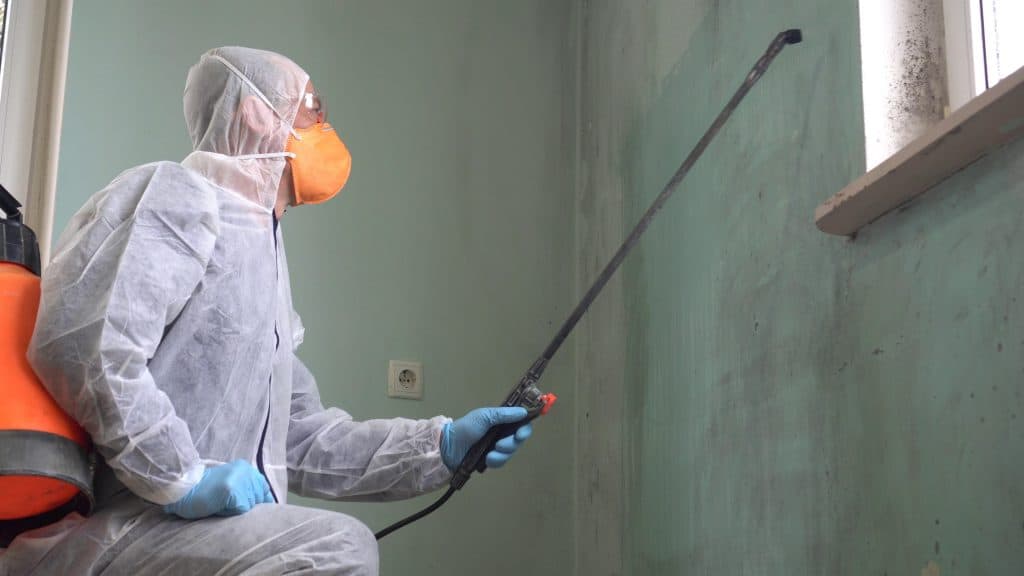
Next comes containment. We seal off the affected area with plastic sheeting and negative air pressure so mold spores don’t spread to clean areas of your home while we work.
Then we remove everything that can’t be properly cleaned—damaged drywall, soaked insulation, moldy carpet. What can be saved gets cleaned with HEPA vacuums and antimicrobial solutions. We don’t just kill surface mold; we remove the food source so it can’t grow back.
Finally, we dry everything completely and fix the moisture problem that caused the issue in the first place. No point in perfect mold removal if the same leak is just going to create the same problem next month.
Ready to get started?
Every mold removal project includes a thorough inspection to find all affected areas—not just the spots you can see. We check basements, crawl spaces, attics, and inside wall cavities where mold loves to grow undetected.
You get proper containment with HEPA-filtered negative air machines that prevent contamination from spreading. All affected materials are safely removed and disposed of according to EPA guidelines.
Here in Washington Crossing, we see a lot of moisture issues from older foundation systems and aging roofing. The area’s high water table and frequent storms mean basement seepage is common, especially in homes built before modern waterproofing standards. We address these local challenges with solutions that work for our specific climate and housing conditions.
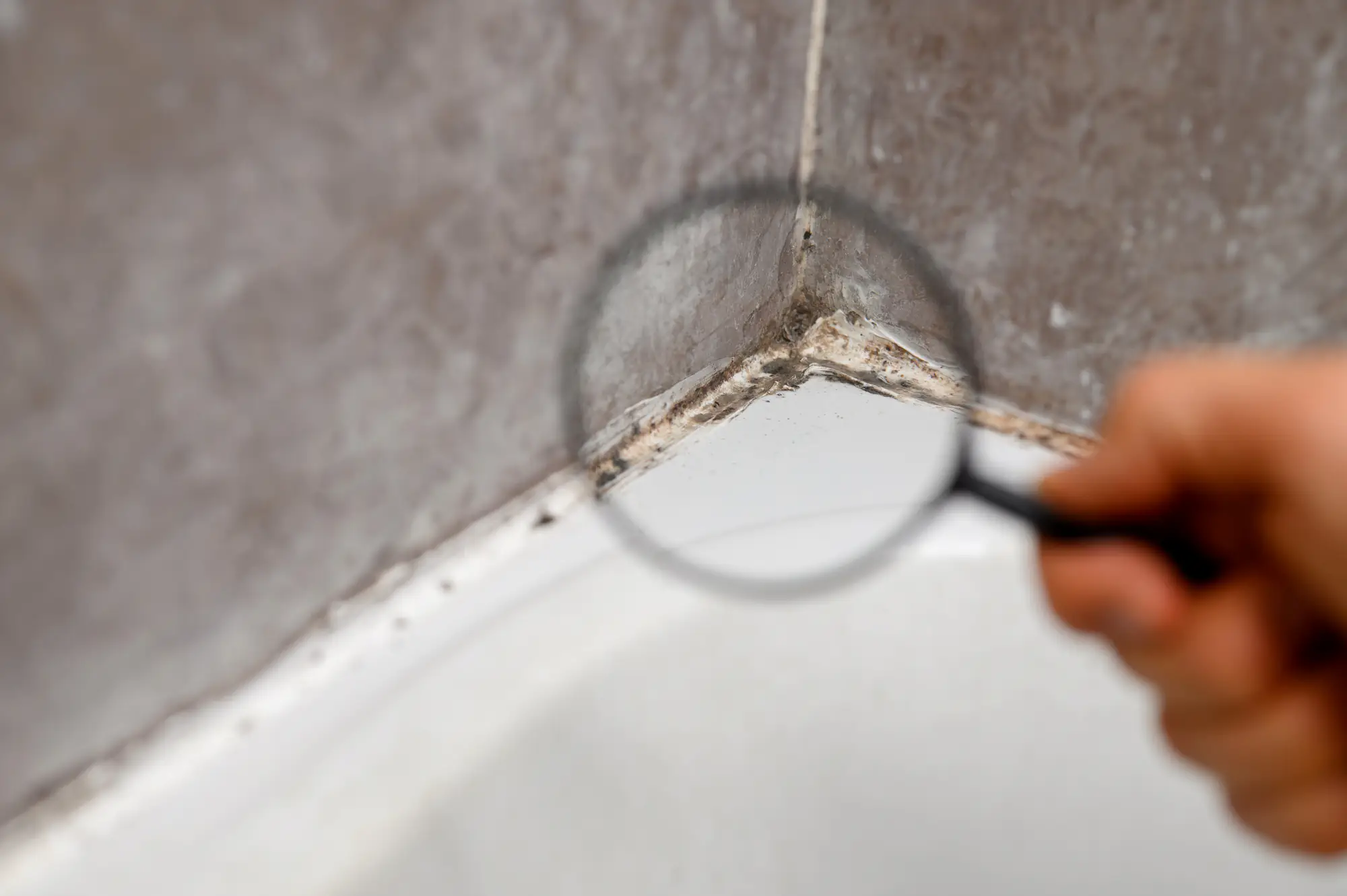
Mold can begin growing within 24 to 48 hours after water damage occurs. This is why timing matters so much when you’re dealing with leaks, floods, or even high humidity.
Pennsylvania’s climate makes this timeline even more critical. Our humid summers and temperature fluctuations create ideal conditions for rapid mold establishment. Once spores start germinating, they spread quickly through porous materials like drywall, wood, and insulation.
The key is acting fast. If you’ve had water damage—whether from a burst pipe, roof leak, or basement flooding—don’t wait to see if mold appears. By the time you can see it, the problem is already established and spreading.
Mold exposure can cause a range of health issues, from mild allergic reactions to serious respiratory problems. Common symptoms include stuffy nose, sore throat, coughing, wheezing, burning eyes, and skin rashes.
For people with asthma or existing allergies, mold can trigger severe reactions. Children are particularly vulnerable—studies show kids exposed to household mold have significantly higher rates of asthma development.
Long-term exposure can lead to more serious issues including chronic respiratory inflammation and even mood changes like increased stress, depression, and anxiety. People with compromised immune systems or chronic lung conditions face the highest risk of developing lung infections from mold exposure.
If you can see mold growth larger than 10 square feet, you need professional remediation. But even smaller areas can be tricky because mold you see on the surface often indicates a much larger problem hidden behind walls or under flooring.
Professional testing helps identify the full extent of contamination and determines what type of mold you’re dealing with. Some species are more dangerous than others, and different types require different removal approaches.
DIY cleaning might seem to solve the problem, but without proper containment, you can actually spread spores to previously unaffected areas. Professional remediation includes containment systems, specialized equipment, and post-remediation verification to ensure the job is complete.
Preventing mold recurrence starts with fixing the moisture source that caused the original problem. This might mean repairing roof leaks, fixing plumbing issues, improving ventilation, or addressing basement water intrusion.
We also focus on maintaining proper humidity levels—keeping indoor humidity below 50% significantly reduces mold growth potential. This often requires dehumidifiers, especially in basements and poorly ventilated areas common in older Washington Crossing homes.
Regular maintenance is crucial. Check HVAC systems, clean gutters, inspect for water damage after storms, and address any moisture issues immediately. The goal is creating an environment where mold can’t establish itself, even if spores are present.
Mold removal focuses on getting rid of visible mold growth, while mold remediation addresses the entire problem—including the conditions that allowed mold to grow in the first place.
True remediation involves identifying all moisture sources, removing contaminated materials, cleaning affected surfaces with appropriate antimicrobials, and implementing moisture control measures. It’s a comprehensive approach that prevents recurrence.
Simply removing visible mold without addressing underlying moisture issues is like painting over rust—it might look better temporarily, but the problem will return. Professional remediation includes post-treatment verification testing to ensure the environment has been returned to normal fungal levels.
Most residential mold remediation projects take 3-7 days, depending on the extent of contamination and the size of affected areas. Small, contained problems might be completed in 1-2 days, while extensive damage from flooding or long-term moisture issues can take several weeks.
The timeline includes initial assessment, containment setup, material removal, cleaning and disinfection, drying time, and final verification testing. We can’t rush the drying process—everything must be completely dry before we consider the job complete.
Weather affects timing too. High humidity or continued moisture intrusion can extend the process. We’d rather take the time to do it right than rush and leave you with recurring problems six months later.
Other Services we provide in Washington Crossing