
Hear from Our Customers
You stop worrying every time your kid coughs. The musty smell in the basement finally disappears. You can actually use that back bedroom again without feeling like you need to hold your breath.
That’s what proper mold remediation does. Not a quick wipe-down with bleach that looks clean for a few weeks. Real removal means addressing the moisture source, containing the affected area so spores don’t spread during cleanup, and verifying with testing that the job’s done right.
Upper Darby’s humidity doesn’t help. Summers here regularly push past 70% humidity, and older homes with poor ventilation turn into mold factories after any water issue. A small leak becomes a health problem faster than most people realize.
When mold’s gone the right way, you’re not just covering up a problem. You’re protecting your family’s health, your property value, and your peace of mind.
We work throughout the Delaware County area, including Upper Darby and surrounding communities. We’re locally owned, which means we understand what basements around here look like after a heavy rain and why attics in older homes stay damp even in summer.
We don’t just clean mold. We handle the full process—inspection, containment, removal, moisture control, and reconstruction if needed. You’re not calling three different companies to finish one job.
Upper Darby homeowners deal with specific challenges. Homes built decades ago weren’t designed for today’s humidity levels. Crawl spaces flood. Roof leaks go unnoticed until the damage spreads. We’ve seen it all, and we know how to fix it right the first time.
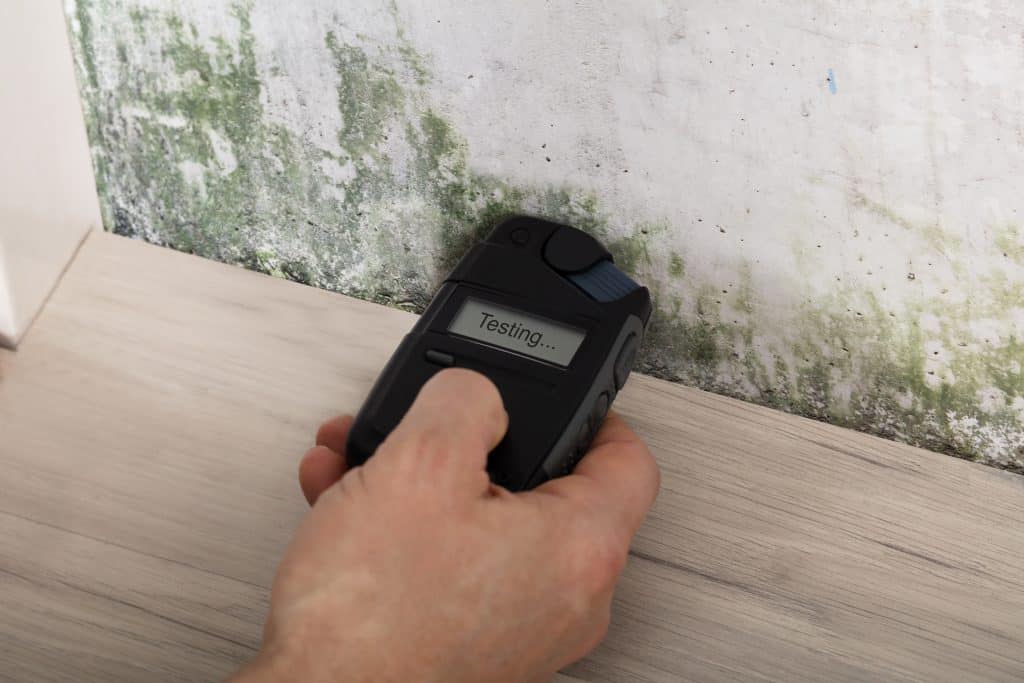
First, we come out for a free inspection. We’re looking at visible mold, but also checking for hidden growth—inside walls, under flooring, in HVAC systems. We use moisture meters and thermal imaging to find problems you can’t see.
Once we know what we’re dealing with, you get an upfront estimate. No surprises, no hidden fees. If insurance is involved, we’ll help with that paperwork too.
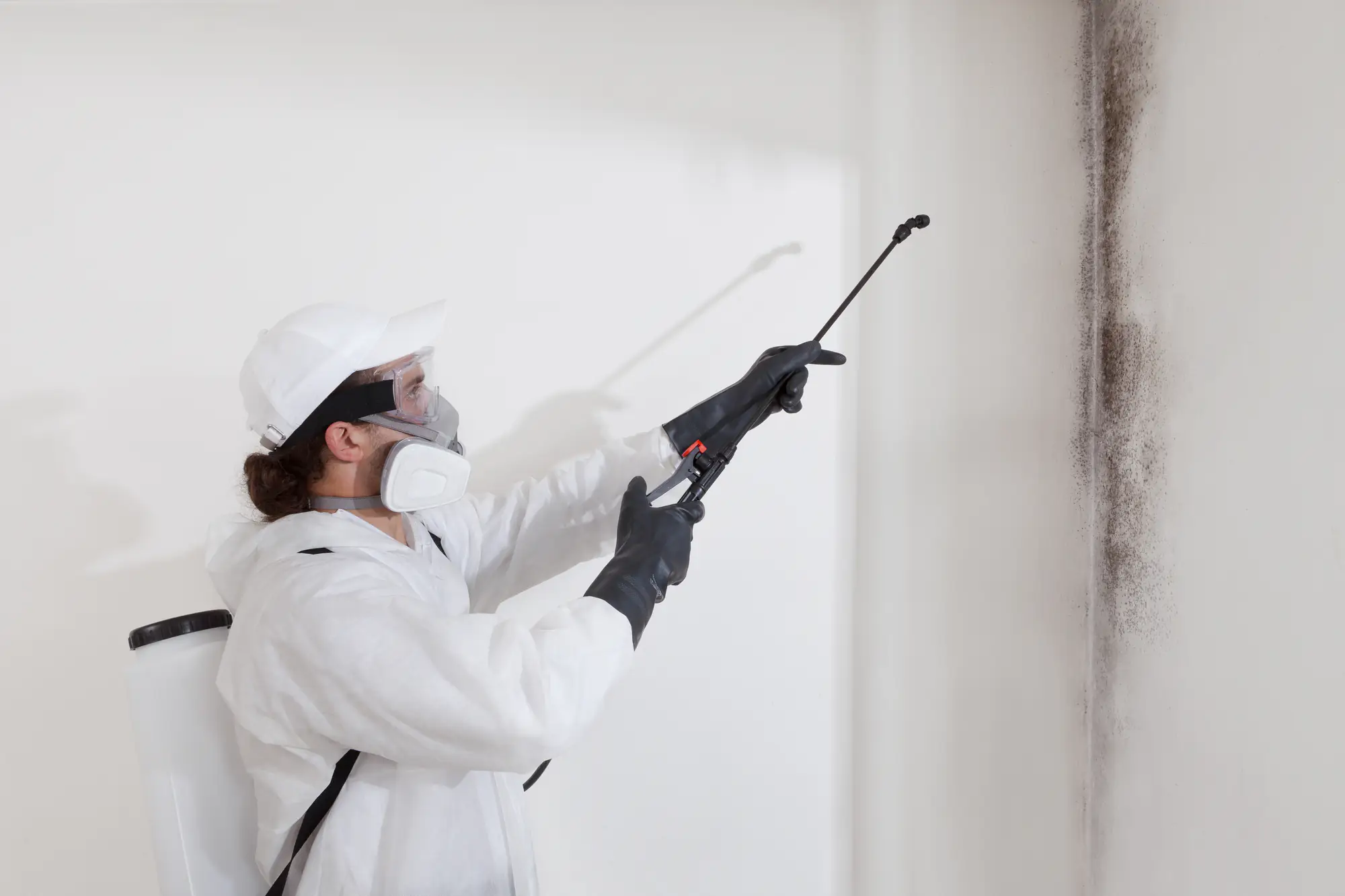
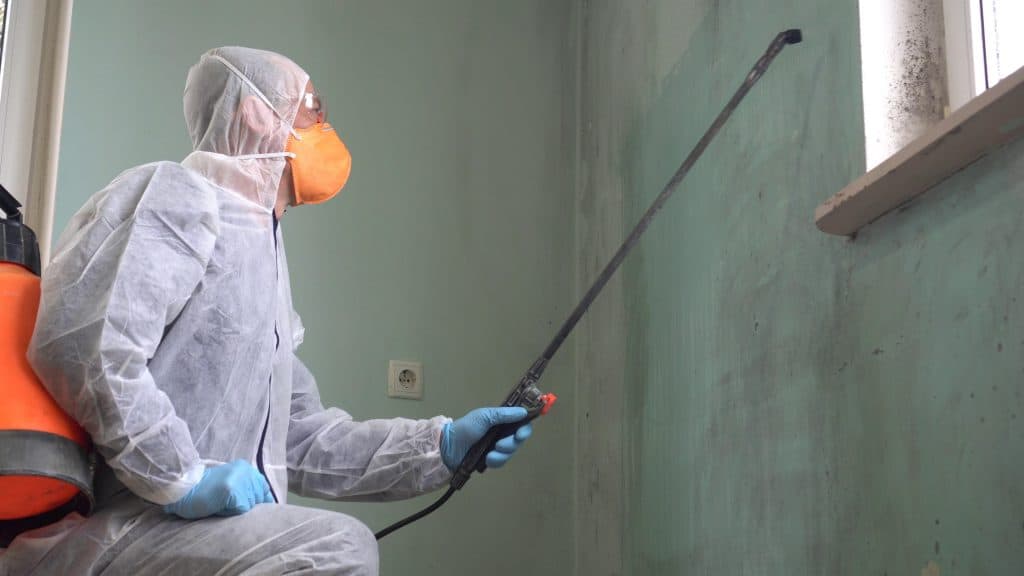
During remediation, we seal off the work area to prevent spores from spreading to clean parts of your home. We remove contaminated materials, treat affected surfaces, and run HEPA filtration to clean the air. Then we fix the moisture problem—whether that’s a leak, condensation issue, or ventilation failure.
After everything’s removed, we verify the work with post-remediation testing. You get documentation showing the mold is gone and the air quality is back to normal. If repairs are needed, we handle that too—drywall, flooring, paint, whatever it takes to make your home whole again.
Most jobs take one to five days depending on the extent of the damage. Emergency situations get same-day response.
Ready to get started?
You’re getting a complete solution, not a patch job. That means inspection, containment, removal, source correction, and verification testing. We also coordinate with your insurance company if you’re filing a claim.
Black mold removal gets extra attention because of the health risks. Stachybotrys—the technical name—produces mycotoxins that cause respiratory problems, headaches, and worse for people with asthma or weakened immune systems. It shows up in consistently damp areas: basements, bathrooms, around leaky windows. We treat it with full containment protocols and specialized cleaning methods.
Upper Darby’s older housing stock means we’re often working in homes with basements that were never waterproofed properly, attics with inadequate ventilation, and crawl spaces that stay wet most of the year. These aren’t just mold problems—they’re structural moisture issues that need real solutions.
We also handle mold from water damage after floods, burst pipes, or roof leaks. The key is speed. Mold starts growing within 24 to 48 hours of water exposure, so waiting a week to “see if it dries out” usually means you’re looking at a bigger problem and a bigger bill.
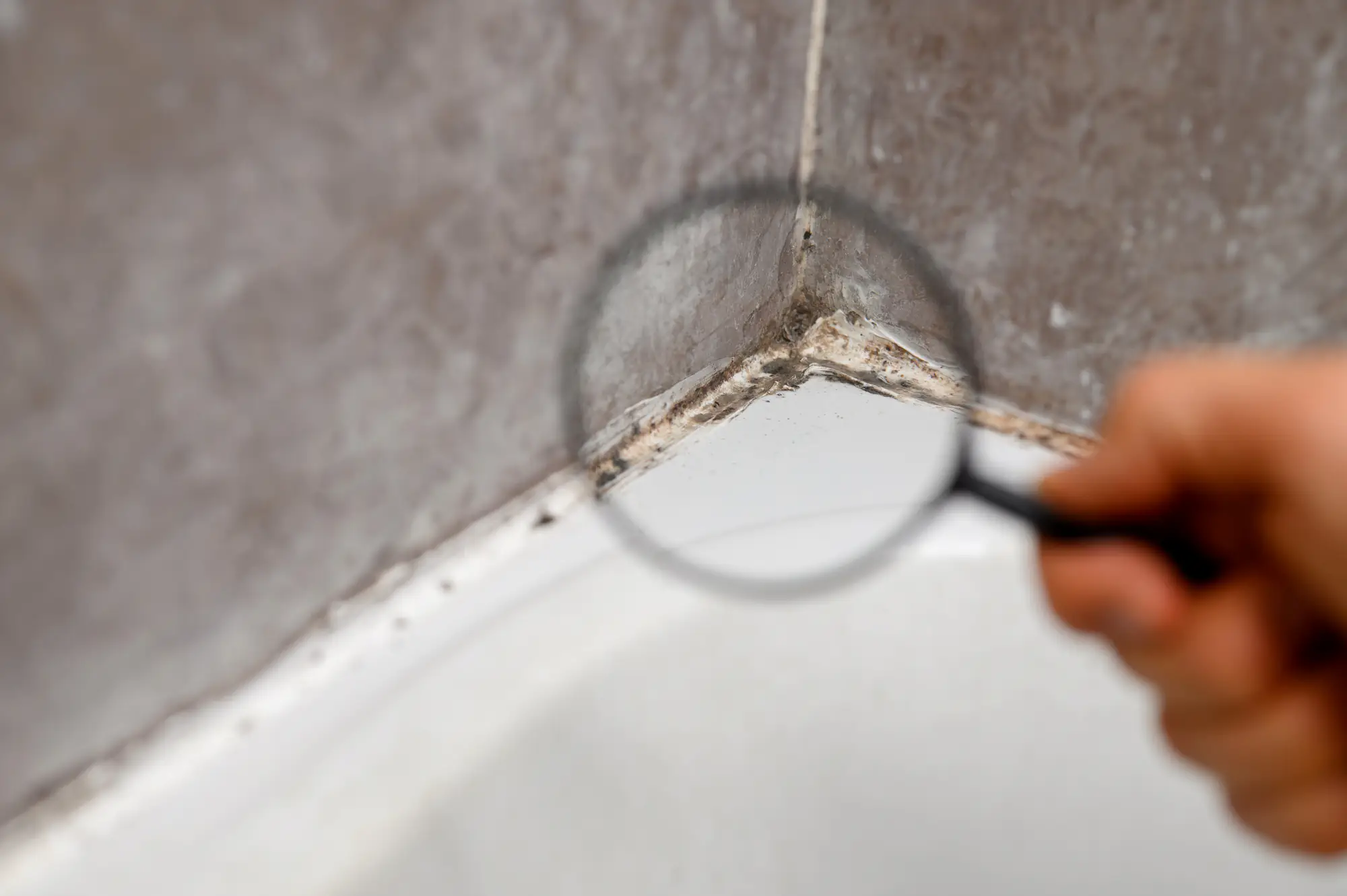
Most residential mold removal projects in Upper Darby run between $1,200 and $3,400, but that range depends entirely on how much mold you’re dealing with and where it’s located. A small bathroom with surface mold costs a lot less than a finished basement with growth behind drywall and inside the HVAC system.
The size of the affected area matters. So does accessibility—mold in a crawl space takes longer to remove than mold on a bathroom ceiling. If we need to remove building materials like drywall or insulation, that adds to the cost. Same with reconstruction after remediation.
We give you a free inspection and an upfront estimate before any work starts. No guessing, no surprise charges later. If you’re filing an insurance claim, we’ll work with your adjuster to document everything properly. A lot of homeowners don’t realize their policy covers mold removal if it’s related to a covered event like a burst pipe or storm damage.
If the mold covers more than about 10 square feet, or if it’s caused by contaminated water like sewage, you need a professional. Same goes for mold inside walls, in your HVAC system, or anywhere you can’t easily access.
DIY cleaning works for small surface mold on non-porous materials—think a little mildew on bathroom tile. You can scrub that with detergent and water. But if you’re seeing mold on drywall, wood, insulation, or carpet, those materials are porous and the mold has likely penetrated deep. Wiping the surface doesn’t fix it.
Here’s the other issue: disturbing mold releases spores into the air. Without proper containment and filtration, you’re spreading the problem to other parts of your home. Professional mold removal uses negative air pressure and HEPA filtration to prevent that. We also identify and fix the moisture source, which is the only way to keep mold from coming back.
If you’re dealing with health symptoms—coughing, headaches, respiratory issues—that get worse at home, don’t mess around. Get it inspected and removed properly.
Remediation is the correct term because you can’t remove every single mold spore from a building—mold spores exist everywhere. What you can do is bring mold levels back to normal, safe levels and eliminate active growth.
Remediation means we’re removing mold-contaminated materials, cleaning affected surfaces, controlling moisture, and filtering the air. The goal is to return your indoor environment to a condition where mold isn’t actively growing and spore counts are within acceptable ranges.
Removal sounds like we’re taking out every trace, which isn’t realistic or necessary. What matters is getting rid of the active infestation, fixing what caused it, and preventing it from happening again. That’s remediation—a complete process, not just a cleaning.
Some companies use the terms interchangeably, and that’s fine. Just make sure whoever you hire is doing the full job: containment, removal of contaminated materials, source correction, and post-testing. Otherwise you’re paying for a temporary fix.
Most residential mold remediation projects take between one and five days. Small jobs—like a bathroom or closet—might be done in a day. Larger projects involving multiple rooms, a finished basement, or extensive water damage can take a week or more.
The timeline depends on the size of the affected area, how much material needs to be removed, and how long it takes to dry everything out. If we’re tearing out drywall, insulation, or flooring, that adds time. So does reconstruction if you want us to put the space back together after remediation.
We also build in time for proper drying. You can’t just remove mold and call it done if the area is still wet—the mold will come right back. We use dehumidifiers and air movers to get moisture levels down to where they need to be, and that can take a few days depending on conditions.
Emergency situations get same-day response. If you’ve got a water leak and visible mold growth, we’ll get someone out fast to start containment and prevent the problem from spreading.
Not if the moisture problem is fixed. Mold needs water to grow. If you eliminate the moisture source—whether that’s a leak, condensation, high humidity, or poor ventilation—mold won’t return.
That’s the difference between a real remediation and a surface cleaning. We don’t just remove the mold you can see. We identify why it’s there in the first place and fix that issue. Otherwise you’re looking at the same problem six months later.
In Upper Darby, common moisture sources include basement seepage, roof leaks, poorly ventilated attics, and plumbing issues. Older homes especially struggle with humidity control because they weren’t built with modern moisture barriers and ventilation systems. We address those root causes as part of the remediation process.
After we’re done, you’ll also get recommendations for preventing future mold growth—things like running a dehumidifier in the basement, improving attic ventilation, or fixing grading issues around your foundation. Follow those recommendations and you shouldn’t see mold again.
It depends on what caused the mold. If mold results from a covered peril—like a sudden pipe burst, storm damage, or appliance leak—most Pennsylvania homeowners policies will cover remediation. If it’s from long-term neglect, poor maintenance, or flooding, probably not.
Insurance companies draw a hard line between sudden accidents and gradual damage. A washing machine hose that bursts and causes mold within a few days is usually covered. A slow roof leak you ignored for two years isn’t.
Pennsylvania law doesn’t require insurers to cover mold, so policies vary. Some include mold coverage up to a certain dollar amount, like $5,000 or $10,000. Others exclude it entirely unless you add an endorsement. You need to check your specific policy.
We help with the insurance process. That means documenting the damage, providing detailed estimates, and working with adjusters to make sure everything’s covered that should be. We’ve done this enough times to know what insurers want to see, and we’ll handle the paperwork so you don’t have to fight for coverage on your own.
Other Services we provide in Upper Darby