
Hear from Our Customers
You stop worrying every time someone coughs. The air smells normal again. You’re not wondering if there’s something growing behind the walls that you can’t see.
That’s what happens when mold removal actually addresses the problem instead of masking it. The containment keeps spores from spreading to clean areas during the work. The air filtration pulls contamination out of the space while removal happens. And the root cause—whether it’s a leak, condensation, or poor ventilation—gets identified so you’re not dealing with this again in six months.
Most people don’t realize that visible mold is usually just part of the issue. Huntingdon Valley’s humidity, especially in summer, creates perfect conditions in basements and crawl spaces. If moisture is still present after cleaning, you’re just buying time before it comes back.
We’ve worked in Huntingdon Valley and throughout Bucks County for nearly three decades. We’re IICRC certified, we carry pollution liability insurance, and our testing goes through independent certified labs—not in-house analysis that might have a conflict of interest.
We’ve seen what happens when mold removal gets done wrong. Spores spread during improper removal. Moisture sources get ignored. Homeowners spend money twice. That’s why our process follows EPA guidelines and focuses on containment, filtration, and elimination—not just scrubbing what you can see.
You’re not getting a crew that watched a training video last month. You’re getting mold specialists who know how Pennsylvania homes are built, where problems hide, and what actually works in this climate.
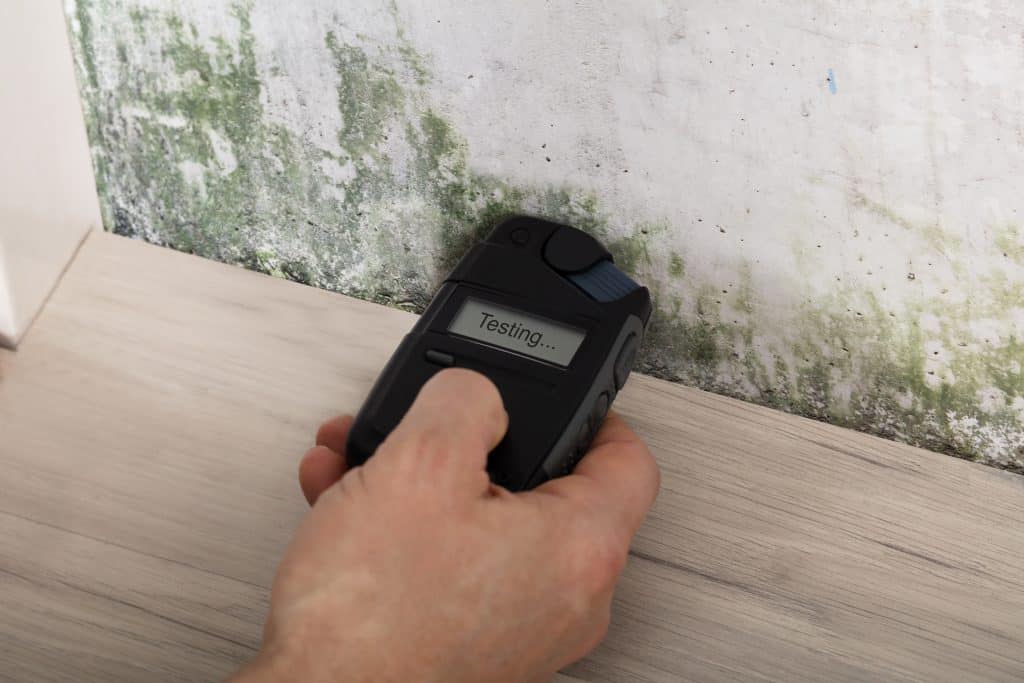
It starts with an inspection. We’re looking for visible growth, but also moisture levels, hidden damage, and air quality. If testing is needed, samples go to an independent lab so you get unbiased results.
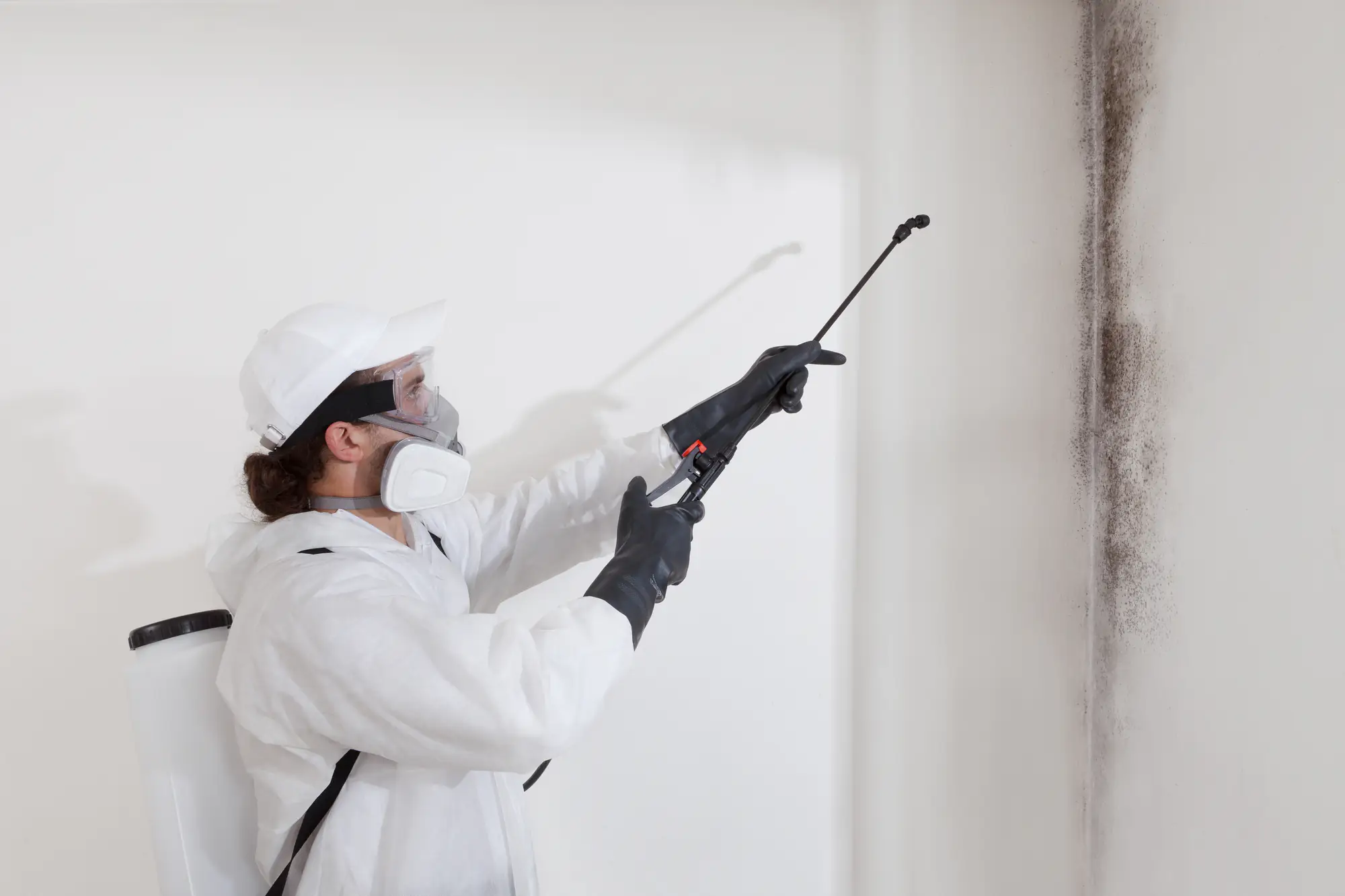
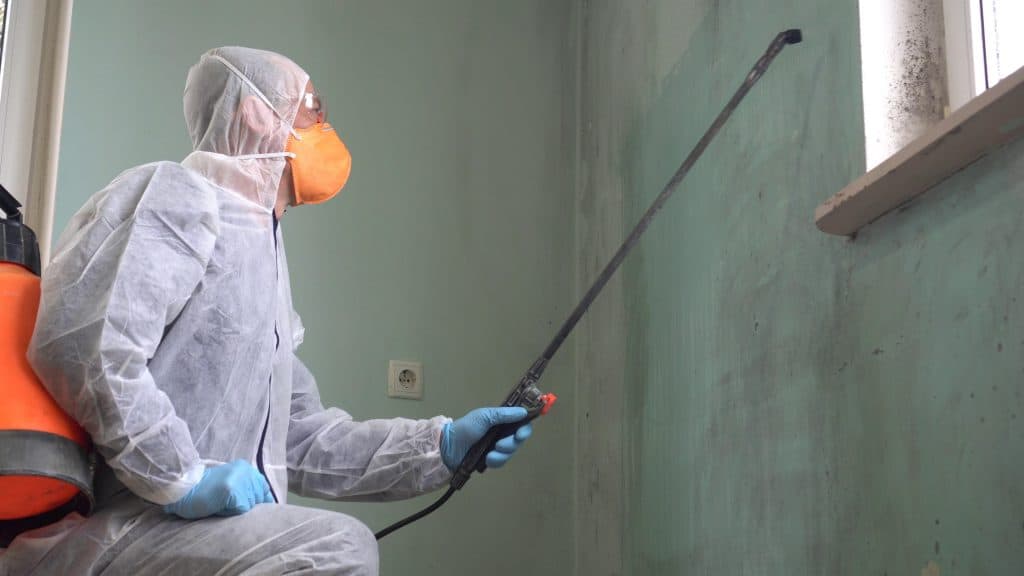
Once we know what we’re dealing with, containment goes up. That means sealing off the affected area with plastic sheeting and negative air pressure so spores don’t travel to other rooms during removal. HEPA air scrubbers run the entire time to filter airborne contamination.
Then comes removal. Porous materials that are heavily contaminated—drywall, insulation, carpet padding—usually have to go. Mold penetrates those materials, and surface cleaning doesn’t reach it. Non-porous surfaces get cleaned with antimicrobial solutions. Everything gets HEPA vacuumed.
After removal, we address what caused it. Maybe it’s a plumbing leak, condensation from poor ventilation, or groundwater seeping into your basement. If that doesn’t get fixed, you’ll be calling someone again. Finally, clearance testing confirms the air quality is back to normal before we’re done.
Ready to get started?
You get a full inspection with moisture mapping and air quality assessment. Containment and negative air pressure to isolate the work area. HEPA filtration running throughout the job. Safe removal of contaminated materials and cleaning of affected surfaces with EPA-approved antimicrobials.
We handle black mold removal, basement mold, attic contamination, and crawl space issues—basically anywhere moisture and organic material create a problem. In Huntingdon Valley, basements are the most common culprit because of how homes are built and how water moves through the soil here.
You also get documentation. That includes photos, scope of work, and post-remediation verification if needed for insurance or resale purposes. Some buyers won’t close without proof that mold was handled correctly, and some insurance companies require third-party clearance before they’ll consider the claim resolved.
We’re available for emergency response when water damage happens, because mold starts growing within 24 to 48 hours of standing water. Catching it early makes a huge difference in cost and scope.
Most jobs in this area run between $1,300 and $3,600, with the average around $2,400. That’s based on typical residential projects in Bucks County. Your actual cost depends on square footage, severity, and what materials need to be removed.
Small areas under 100 square feet might cost less. Larger contamination, especially if it involves HVAC systems or multiple rooms, will cost more. If structural materials like floor joists or wall studs are damaged, that adds to the scope.
We give you a clear estimate after the inspection so there’s no guessing. Some companies charge by the square foot, others by the project. We price based on what actually needs to happen to solve your specific problem, not a one-size-fits-all rate.
You can try, but it usually doesn’t work the way people hope. Bleach and store-bought sprays don’t penetrate porous materials like drywall or wood. They kill surface mold, but spores and roots survive underneath. That’s why DIY jobs often lead to regrowth within weeks or months.
There’s also the contamination issue. If you don’t contain the area and use HEPA filtration, you’re spreading spores throughout your house during removal. That can make the problem worse, especially if you have kids, elderly family members, or anyone with respiratory issues.
For small surface mold on non-porous materials—like a little growth on bathroom tile—you might be fine handling it yourself. But if it’s larger than a few square feet, hidden behind walls, or caused by ongoing moisture, you’re better off getting professional mold removal. The cost of doing it twice usually exceeds the cost of doing it right the first time.
Most residential jobs take two to five days depending on the size and complexity. A single basement wall might be done in a day or two. A whole basement with structural damage could take a week.
The timeline depends on how much material needs to be removed, how long containment and air filtration need to run, and whether we’re waiting on clearance testing before closing things up. Drying time also matters—if the area was wet, we need to make sure it’s completely dry before sealing it back up.
We don’t rush it just to finish faster. Mold remediation done too quickly usually means corners were cut. Proper containment, thorough removal, and verification take the time they take. You’ll know the expected timeline after the inspection when we can see exactly what we’re dealing with.
Mold removal usually refers to getting rid of visible growth. Mold remediation is the full process—removal, cleaning, air filtration, moisture control, and prevention. Remediation addresses the whole problem, not just what you can see.
That distinction matters because mold spores are everywhere. You can’t remove every single spore from a building—it’s not realistic. What you can do is bring spore levels back down to normal, eliminate active growth, and fix the conditions that allowed it to grow in the first place.
Professional mold remediation includes containment so spores don’t spread during the work, HEPA filtration to clean the air, removal of contaminated materials, antimicrobial treatment of surfaces, and identification of moisture sources. Removal by itself is just one piece. If the moisture source isn’t fixed, you’re going to see growth again.
Sometimes. It depends on what caused the mold and what your policy says. If mold resulted from a covered event—like a sudden pipe burst or storm damage—insurance often covers remediation. If it’s from long-term neglect, poor maintenance, or gradual leaks, most policies won’t cover it.
Pennsylvania doesn’t require insurers to cover mold, so policies vary. Some include limited mold coverage with caps around $10,000. Others exclude it entirely unless you buy additional coverage. You need to read your specific policy or call your agent to know for sure.
We can work with your insurance company if you have coverage. That includes documentation, photos, and scope of work that adjusters typically request. If you’re paying out of pocket, we’ll give you a detailed estimate upfront so you know what to expect. Either way, we help you understand what’s covered and what’s not before work starts.
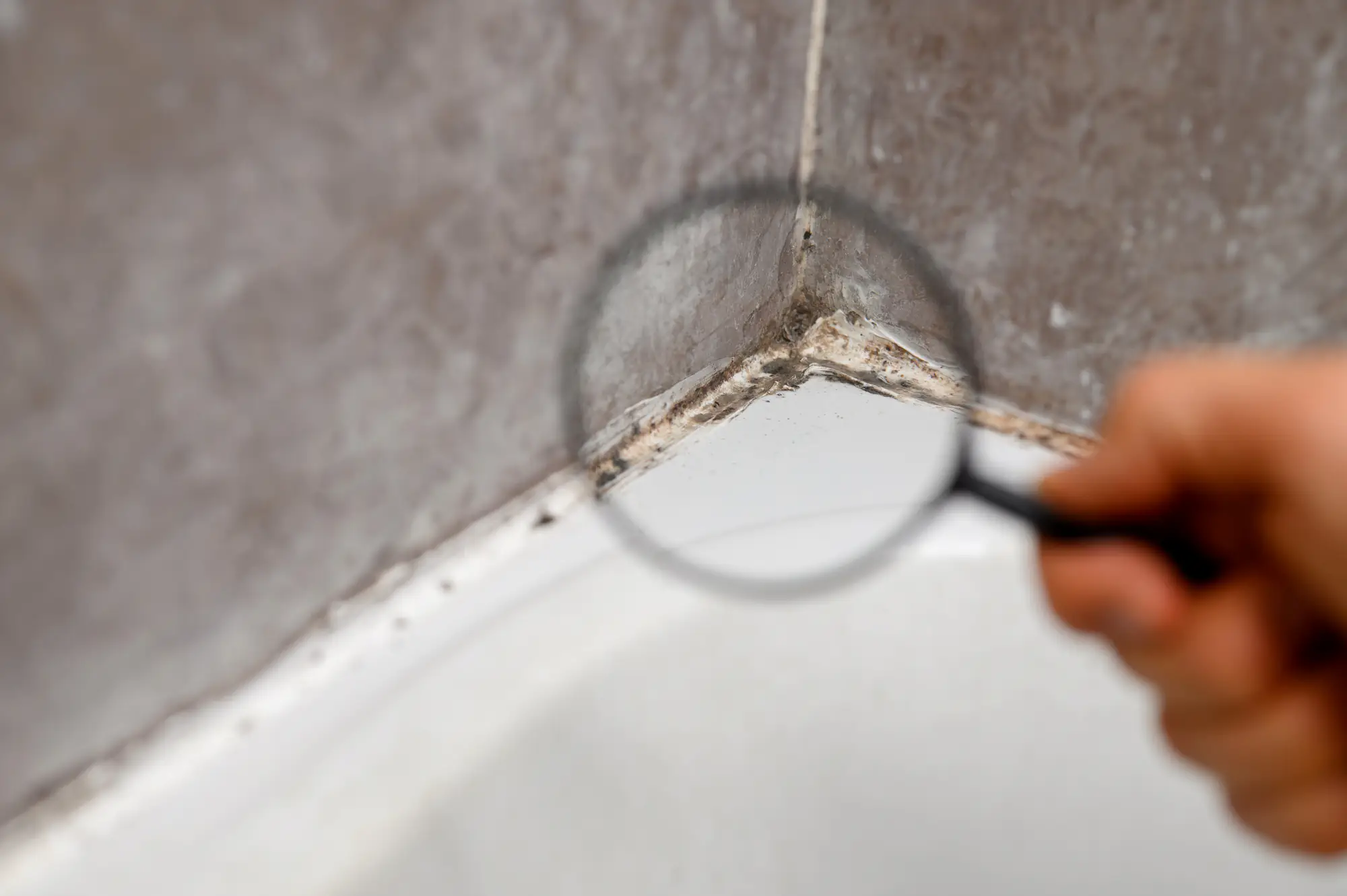
Visible growth is the obvious sign—black, green, or white patches on walls, ceilings, or floors. But you might smell it before you see it. Mold has a musty, earthy odor that’s hard to miss, especially in basements or crawl spaces.
Other signs include water stains, peeling paint, warped walls, or increased allergy symptoms when you’re home. If you or your family are coughing, sneezing, or dealing with respiratory irritation that gets better when you leave the house, mold could be the cause.
In Huntingdon Valley, basements and crawl spaces are the most common problem areas because of humidity and how water drains around foundations. Attics can also have issues if roof leaks or poor ventilation create moisture buildup. If you’re not sure, we offer inspections that include moisture testing and air quality assessment. That tells you definitively whether you have a mold problem and how serious it is.
Other Services we provide in Huntingdon Valley