
Hear from Our Customers

You shouldn’t have to guess whether that musty smell is dangerous or if that dark spot is spreading. Mold doesn’t wait, and neither should you.
When mold gets handled right, you get your peace of mind back. No more wondering if your kids’ allergies are from something in the air. No more avoiding the basement because it smells like mildew. No more worrying that a buyer’s inspector will find something that tanks your sale.
You get a home that feels clean again. Air that doesn’t make you sneeze. Confidence that the problem was found, removed, and won’t come back because we actually fixed the source. That’s what proper mold remediation does it gives you your space back without the anxiety.
We’ve been serving East Passyunk and the greater Philadelphia area since 2008. We’re not a franchise with rotating crews Jeff, our owner, is involved in every job and personally follows up on every concern.
We’ve seen what happens when mold gets ignored in East Passyunk’s older rowhomes and newer builds alike. Philadelphia’s humidity doesn’t play favorites. Whether it’s a leaky roof, poor ventilation, or water damage from a burst pipe, we know how mold behaves in this climate and how to stop it for good.
Our inspectors are certified, our lab testing is independent, and our work is backed by a 5.0 customer rating. You’re not getting a sales pitch you’re getting straight answers and a clear plan.
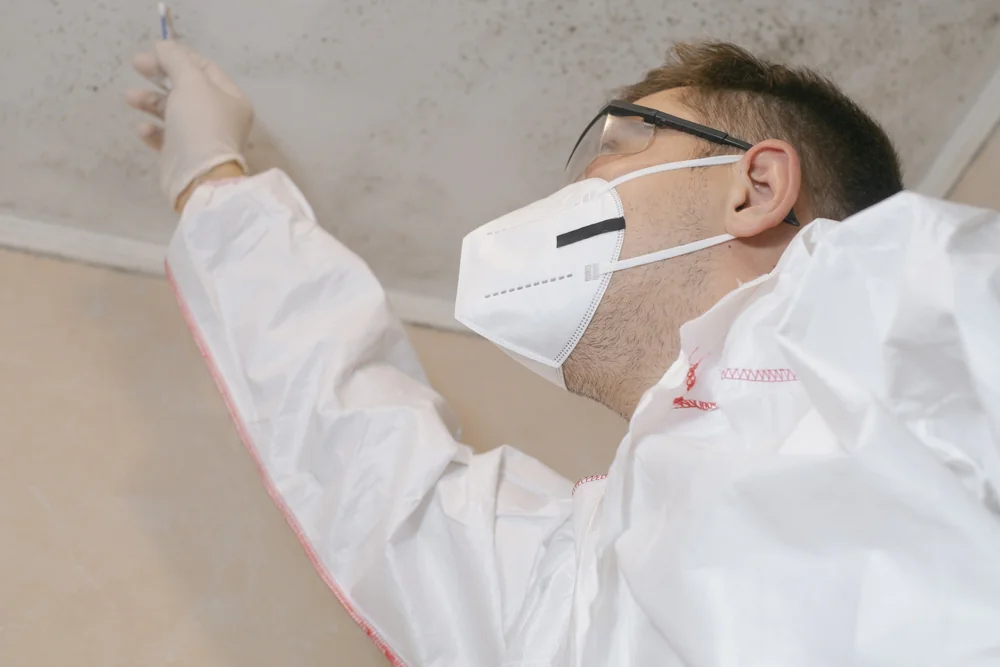
First, we schedule your inspection usually same-day or within 24 hours. When we arrive, we’re not just looking at the obvious spots. We use moisture meters and thermal imaging to find hidden water and mold growth behind walls, under floors, and in areas you can’t see.
We take samples and send them to an independent lab. You get results that tell you exactly what type of mold you’re dealing with, how much of it there is, and whether it’s a health risk. No guessing, no exaggerating just data.
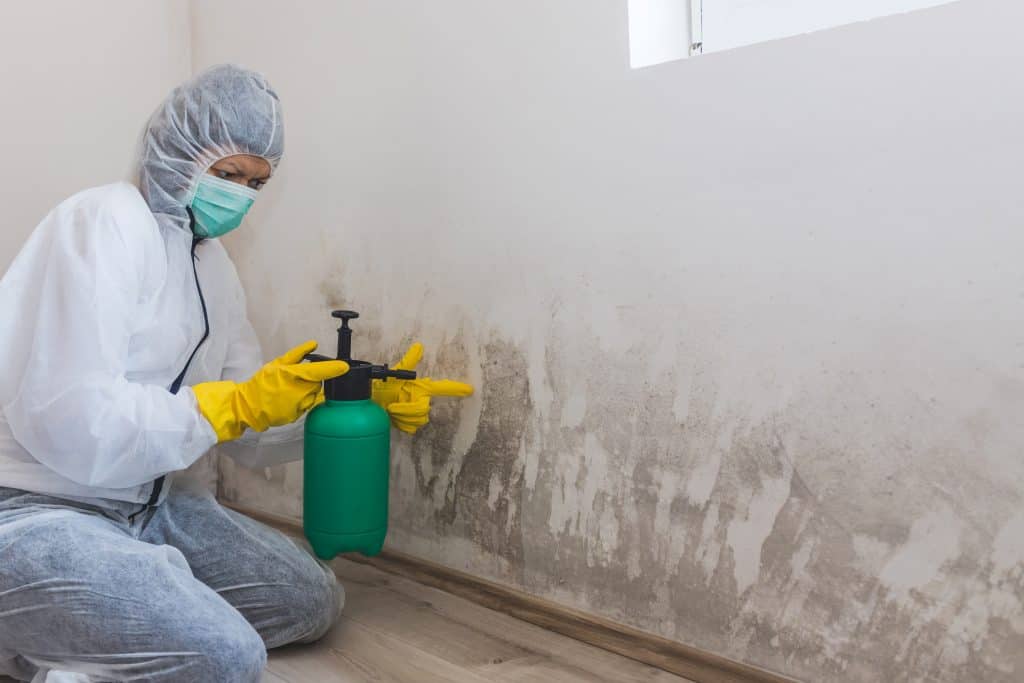
Once we know what we’re dealing with, we map out a removal plan. That includes containment so mold doesn’t spread during cleanup, HEPA filtration to keep spores out of the air, removal of contaminated materials, treatment of affected areas, and fixing the moisture problem that caused it in the first place. Then we test again to confirm it’s gone.
You get a full report with photos, lab results, and a breakdown of what we did and why. If you’re filing an insurance claim, we’ll work directly with your provider to make that easier.
Ready to get started?
You get a certified inspector who knows what to look for in East Passyunk homes whether it’s an old rowhome with settling foundation cracks or a renovated property with hidden ventilation issues. Philadelphia’s coastal humidity and aging housing stock create perfect conditions for mold, especially in basements, crawl spaces, and bathrooms.
We don’t just scrub visible mold and call it done. You get lab testing that identifies the species and concentration, so you know if it’s the kind that triggers asthma or something less aggressive. You get moisture readings that pinpoint the water source because if that doesn’t get fixed, the mold comes back.
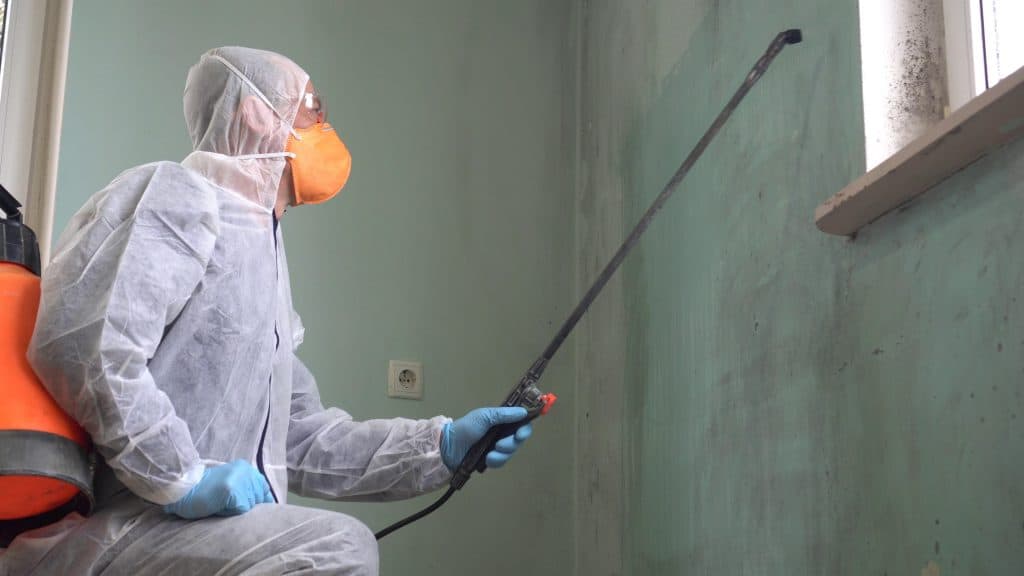
Our mold removal process includes containment barriers, HEPA air scrubbers, safe removal of affected drywall or insulation if needed, antimicrobial treatment, and dehumidification. We also help you understand what caused it whether it’s a roof leak, condensation from poor airflow, or plumbing that’s been dripping for months.
And if your property value is on the line, you should know that undetected mold can drop your home’s worth by 20% to 37%. A professional mold inspection before listing can save you thousands in negotiation losses or last-minute buyer demands.

If you’re seeing discoloration on walls or ceilings, smelling something musty that won’t go away, or dealing with unexplained allergy symptoms at home, those are signs worth checking. But you’re right not every damp spot is a mold emergency.
That’s where testing makes the difference. We use moisture meters to measure levels inside your walls and materials, not just what you can see on the surface. Anything above 16% moisture content in wood or drywall creates an environment where mold can grow. Thermal imaging shows us temperature differences that indicate hidden water intrusion.
If we find elevated moisture, we take air and surface samples and send them to a lab. The lab report tells you if mold spores are present, what species they are, and whether the concentration is higher than normal outdoor levels. That gives you a clear answer instead of a guess. Most inspections run between $400 and $600, which is a lot less than the $3,000 to $20,000 you’d spend on remediation if a small problem turns into a big one.
It depends on what caused the mold. If it’s from a sudden, accidental event like a burst pipe, storm damage, or an appliance leak you didn’t know about most policies will cover remediation. If it’s from long-term neglect, poor maintenance, or an issue you knew about and didn’t fix, probably not.
Insurance companies want documentation. That’s why we provide a full inspection report with lab results, photos, moisture readings, and a clear explanation of the source. We’ll work directly with your insurance adjuster and help you navigate the claims process, which can be confusing if you’ve never filed for water or mold damage before.
The key is acting fast. If you wait weeks to report water damage, the insurance company can argue that the mold spread because you delayed, and that can hurt your claim. We offer same-day inspections specifically so you can get ahead of that. Even if your claim gets denied, you’ll at least know exactly what you’re dealing with and what it’ll cost to fix.
For most residential jobs in East Passyunk, the inspection happens within 24 hours of your call. Lab results come back in one to three days. Once we have those results and you approve the plan, the actual remediation usually takes two to five days depending on how much area is affected and what materials need to be removed.
Small jobs like mold in a bathroom from a leaky shower might only take a day or two. Larger jobs, like a finished basement that flooded or an attic with roof leak damage, can take closer to a week. If we’re removing drywall, treating framing, and waiting for areas to dry completely before rebuilding, that adds time.
We don’t rush it. Mold remediation done too fast usually means it wasn’t done right. You need proper containment so spores don’t spread to clean areas, thorough removal of contaminated materials, and enough drying time to make sure moisture levels drop below 16%. Then we do post-remediation testing to confirm the air quality is back to normal. You’ll know the timeline upfront, and we’ll keep you updated if anything changes.
Mold removal usually means someone scrubs or wipes away visible mold. Mold remediation means finding the source, removing contaminated materials, treating the area, fixing the moisture problem, and confirming the mold is gone. One is a surface fix. The other is a complete solution.
You can’t just bleach mold off drywall and call it handled. Bleach kills surface mold, but it doesn’t penetrate porous materials like wood or drywall where mold roots grow. If the material stayed wet or the humidity is still high, the mold comes back in weeks. That’s why remediation often involves cutting out damaged drywall or insulation, treating the studs and subfloor, and installing dehumidifiers or fixing ventilation.
We also test the air before and after. That’s how you know the spore count dropped and the problem is actually resolved. A lot of companies skip that step because it costs more and takes longer. We don’t, because without it, you’re just hoping the mold is gone instead of knowing it is. Real remediation costs more upfront, but it saves you from paying twice when the problem comes back.
It depends on the size of the job and where the mold is located. For small, contained areas like a bathroom or a section of basement, most people stay in the home without any issues. We seal off the work area with plastic barriers and run HEPA air scrubbers to keep spores from spreading into the rest of the house.
For larger jobs especially if mold is in the HVAC system or spread across multiple rooms we usually recommend staying somewhere else for a few days. That’s not because the work is dangerous if done right, but because the dust, noise, and containment setup can make your home uncomfortable. If anyone in your household has asthma, a compromised immune system, or severe mold allergies, it’s smarter to stay away even for smaller jobs.
We’ll tell you upfront whether you need to leave or not. If you do, we’ll give you a clear timeline so you can plan. If you don’t, we’ll make sure the work area stays sealed and the air quality in the rest of your home isn’t affected. Either way, you’ll know what to expect before we start.
The most important thing is controlling moisture. Mold needs water to grow, so if you fix the leak, improve the ventilation, or reduce the humidity, it can’t come back. That’s why our remediation process always includes identifying and fixing the source not just cleaning up the mold.
In East Passyunk, that often means addressing basement humidity with a dehumidifier, fixing roof leaks before they soak the attic insulation, or improving bathroom exhaust fans that aren’t venting properly. A lot of older homes here have poor airflow in crawl spaces or basements, which keeps moisture trapped. Sometimes it’s as simple as sealing foundation cracks or rerouting a downspout that’s dumping water against the house.
We’ll walk you through what caused your specific mold problem and what you can do to prevent it. That might include running a dehumidifier year-round, checking your gutters twice a year, or keeping an eye on plumbing under sinks and behind toilets. Small maintenance goes a long way. If you stay on top of moisture, mold doesn’t get a chance to start growing again.
Other Services we provide in East Passyunk