
Hear from Our Customers
You’re not just looking at clean walls. You’re breathing easier because the air quality in your home has actually improved. Your kids aren’t coughing at night anymore, and you’re not second-guessing whether that musty smell is going to come back.
Real mold mitigation means the problem doesn’t return in a few weeks. It means someone identified why moisture was building up in the first place—whether that’s a hidden leak, poor ventilation in your basement, or humidity that’s been trapped in your walls for months. Once that source is handled, the mold doesn’t have what it needs to grow back.
You also stop worrying about what this is doing to your property value. Mold that’s left untreated doesn’t just spread—it eats away at drywall, insulation, and wood framing. Mitigation protects the structure of your home and keeps small problems from turning into expensive ones.
We’ve built a reputation around creating healthy homes in Bucks County, and now we’re bringing that same approach to Worcester, PA. Our team knows how Pennsylvania’s humid summers and cold, damp winters create the perfect conditions for mold to thrive—especially in older homes with poor ventilation and aging basements.
We’re not the company that shows up, quotes you $15,000, and disappears. We use moisture meters, infrared cameras, and HEPA filtration systems to find mold you can’t see and eliminate it using methods that meet IICRC S520 standards. Our technicians are trained, licensed, and focused on long-term solutions, not quick fixes.
We also know Worcester. We understand how local construction styles—brick basements, plaster walls, shared rowhouse structures—trap moisture in ways that newer builds don’t. That local knowledge matters when you’re trying to prevent mold from coming back.
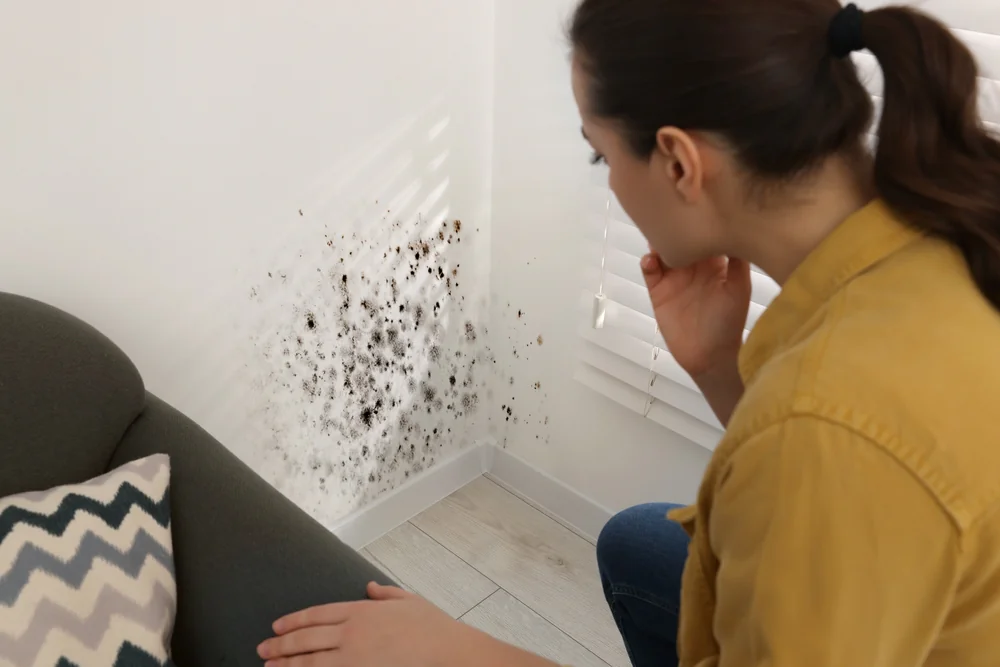
It starts with a free inspection. We’re not there to sell you something you don’t need—we’re there to figure out what’s actually going on. That means using moisture meters and infrared cameras to find mold hiding behind walls, under floors, and in places you’d never think to check. The inspection tells us how far the problem has spread and what’s feeding it.
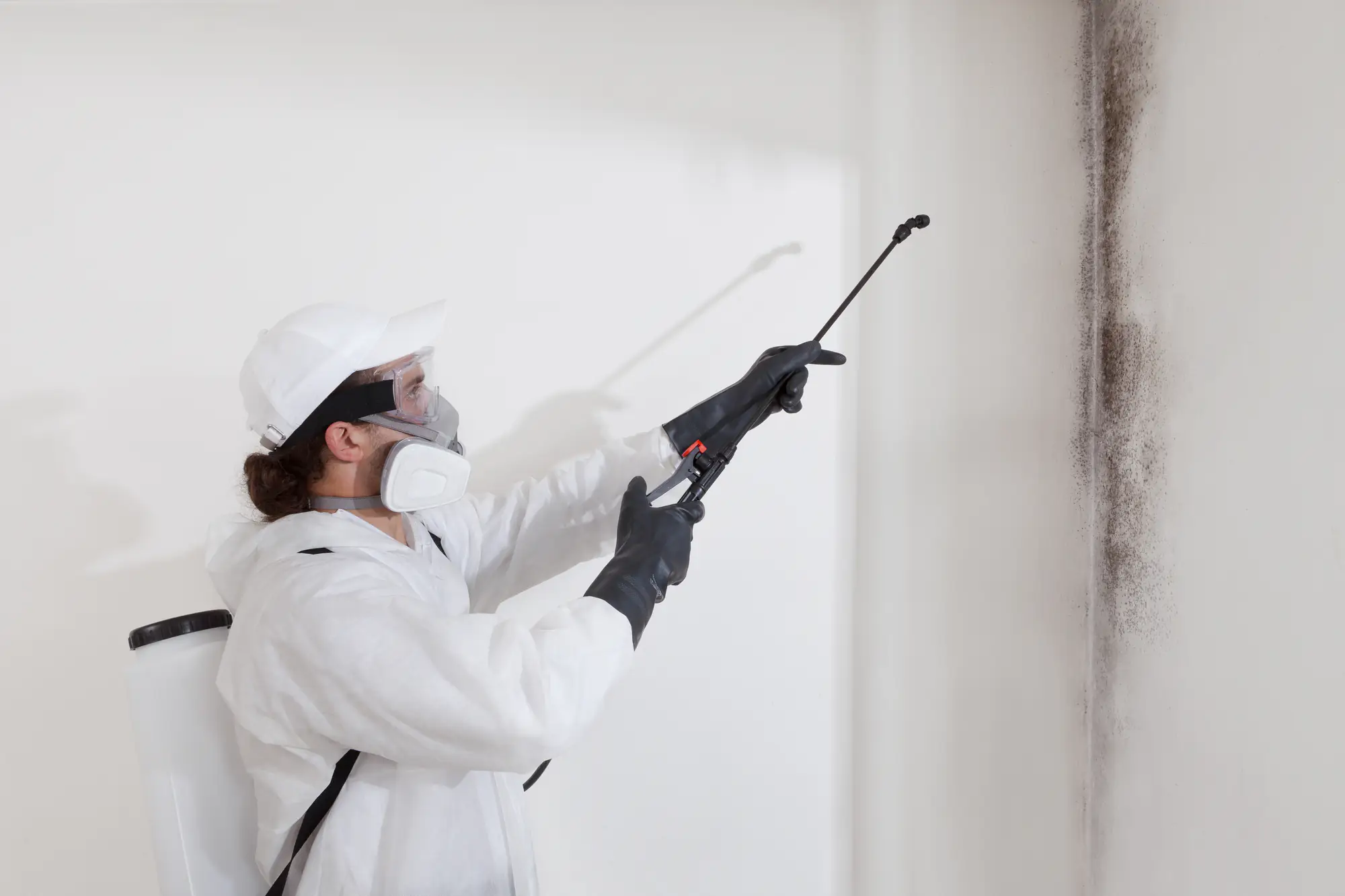
Once we know what we’re dealing with, we contain the area. That means sealing off affected spaces with physical barriers and using negative air pressure systems so mold spores don’t spread to clean parts of your home while we work. Then we remove contaminated materials that can’t be saved and treat structural elements with antimicrobial solutions.
But here’s the part that matters most: we identify and fix the moisture source. Whether that’s repairing a leak, improving ventilation, or installing a dehumidifier, we address what caused the mold so it doesn’t return. After removal, we run HEPA air scrubbers to capture microscopic spores from the air, and we verify that your indoor air quality is back to safe levels. You’re not guessing if it’s gone—you know it is.
Ready to get started?
You get a full moisture assessment that pinpoints exactly where water is getting in and why it’s staying there. In Worcester, that often means basement seepage, roof leaks that have gone unnoticed, or HVAC systems that aren’t ventilating properly. We don’t just look at the mold—we look at your entire property to understand what’s creating the conditions for growth.
You also get containment that actually works. We seal off the affected area so spores don’t travel through your ventilation system or settle in other rooms. Our team uses HEPA vacuums and air scrubbers during the entire removal process to keep your air clean while we work.
Once the contaminated materials are removed, we treat the area with antimicrobial solutions and verify air quality before we’re done. You’re not left wondering if it’s safe—we test it. And if your insurance covers mold mitigation, we’ll work with them directly to document everything and simplify the claims process. We also offer financing options if you need to move forward before insurance pays out, because mold doesn’t wait for paperwork.
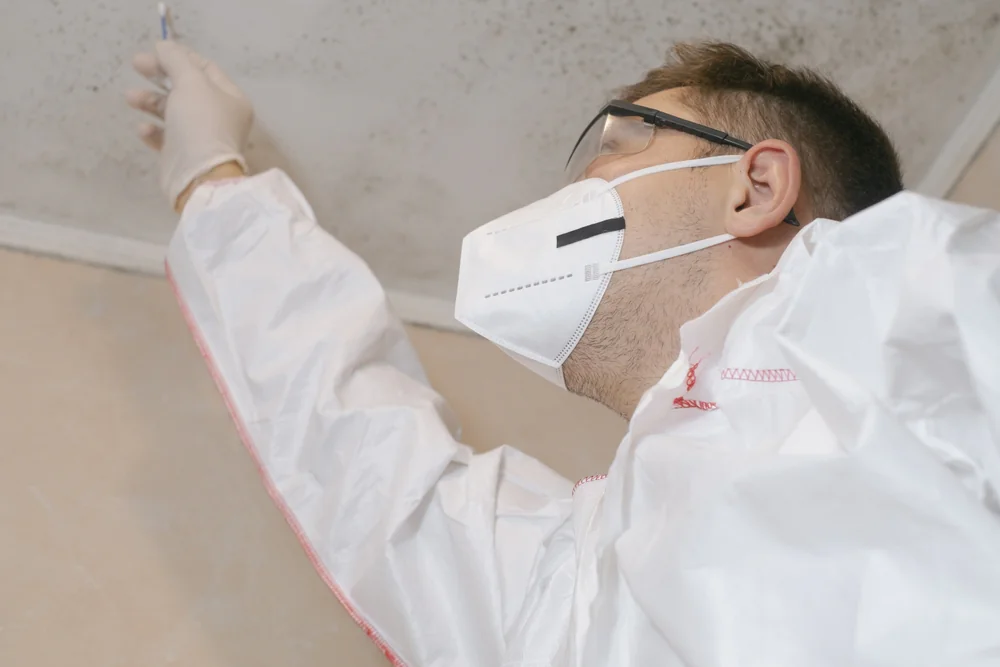
Mold mitigation is about reducing the conditions that allow mold to grow in the first place. It’s a prevention-focused process that identifies moisture sources, eliminates them, and removes existing contamination so it doesn’t come back. Mold removal, on the other hand, usually refers to cleaning visible mold without addressing why it’s there.
If you just remove mold without fixing the leak, improving ventilation, or controlling humidity, you’re going to see it again in a few weeks. Mitigation goes deeper—it’s about making your home an environment where mold can’t thrive. That’s why professionals use the term “mitigation” instead of “removal.” You’re not just cleaning a surface. You’re solving the problem.
In Worcester, where older homes and humid conditions create ongoing moisture issues, mitigation is the only approach that makes sense. Anything less is a temporary fix.
If you’re seeing visible mold, smelling a musty odor that won’t go away, or dealing with recurring moisture problems, you need a professional inspection. A lot of mold growth happens where you can’t see it—inside walls, under flooring, or in your HVAC system. By the time it’s visible, it’s usually spread further than you think.
You should also call someone if you’ve had water damage recently, even if you dried it out. Mold can start growing within 24 to 48 hours of water exposure, and it doesn’t need much moisture to thrive. If anyone in your home is experiencing unexplained respiratory issues, allergies, or asthma symptoms that get worse indoors, that’s another sign.
Professional mitigation isn’t just about removing what you can see. It’s about using moisture meters and infrared cameras to find hidden growth and treating the problem at the source. If you’re not sure whether you need it, a free inspection will give you a clear answer.
It depends on how much mold there is and what’s causing it. A small, contained area might take two to three days from inspection to completion. Larger jobs—especially ones involving multiple rooms, HVAC contamination, or structural damage—can take a week or more.
The timeline also depends on how quickly we can address the moisture source. If there’s an active leak or ongoing humidity issue, we need to fix that before we can finish mitigation. Otherwise, the mold will just come back. Most of the time, the actual removal and treatment process moves quickly once containment is in place. The longer part is making sure everything is dry, treated, and safe before we close it up.
We’ll give you a realistic timeline during the inspection so you know what to expect. If it’s an emergency—like after a flood or major leak—we’re available 24/7 to start containment and prevent the problem from getting worse.
It depends on what caused the mold. If it’s the result of a sudden, covered event—like a burst pipe or storm damage—most homeowners insurance policies will cover mitigation. But if the mold is from long-term neglect, poor maintenance, or a slow leak you didn’t fix, insurance usually won’t pay for it.
The key is documentation. Insurance companies want to see that the mold resulted from an unexpected event, not something that’s been building for months. That’s why it’s important to call a professional as soon as you notice water damage or moisture issues. The faster you act, the better your chances of coverage.
We work with insurance companies regularly and can help document the damage, provide detailed reports, and communicate directly with your adjuster. If your claim gets denied or you’re waiting on approval, we also offer financing so you can move forward without delay. Mold doesn’t wait for insurance paperwork, and neither should you.
If it’s a very small area—less than 10 square feet—and it’s on a non-porous surface like tile, you can clean it yourself with the right products. But if the mold is on drywall, insulation, wood, or any porous material, or if it’s spread to multiple areas, you need a professional. DIY cleaning doesn’t address what’s behind the surface or what’s in the air.
Mold mitigation isn’t just about scrubbing visible spots. It’s about containment, air filtration, moisture detection, and treating the root cause. Without proper equipment—HEPA vacuums, air scrubbers, moisture meters, antimicrobial treatments—you’re likely spreading spores to other parts of your home while you clean. You’re also not addressing the moisture source, which means the mold will return.
In Worcester, where older homes and humid conditions create ongoing risks, professional mitigation is the only way to ensure the problem is actually solved. A free inspection will tell you whether it’s something you can handle or if it’s time to bring in a team that knows how to do it right.
Moisture. That’s it. Mold needs water to grow, and Worcester’s climate gives it plenty of opportunities. Humid summers, heavy rain, and cold winters with poor ventilation all contribute to moisture buildup inside homes. Add in older construction—brick basements, plaster walls, shared rowhouse structures—and you’ve got conditions where moisture gets trapped and doesn’t dry out.
The most common causes we see are basement seepage, roof leaks, plumbing issues, and HVAC systems that aren’t ventilating properly. A lot of homes in Worcester were built decades ago, and they weren’t designed with the kind of moisture control that modern homes have. That means water finds its way in more easily and stays longer.
If you’ve got a damp basement, condensation on your windows, or a musty smell that won’t go away, you’ve got a moisture problem. And if you’ve got a moisture problem, you’ve either got mold or you’re about to. The good news is that once you identify and fix the source, mold mitigation can eliminate what’s there and prevent it from coming back.
Other Services we provide in Worcester