
Hear from Our Customers
You’re not just looking at cleaner walls. You’re breathing easier—literally. No more musty smell when you walk into the basement. No more wondering if that cough is from the air in your own house. No more avoiding certain rooms because you know something’s wrong but you’re not sure what to do about it.
Real mold mitigation means the problem gets solved at the source. That means identifying why moisture built up in the first place, removing every trace of contamination, and making sure it doesn’t grow back next season. It’s not a quick wipe-down. It’s a complete process.
When it’s done right, you get your space back. You stop worrying about what’s hiding behind the drywall. You stop second-guessing whether your kids’ allergies are tied to something in the house. And if you ever decide to sell, you’re not dealing with a failed inspection or a buyer walking away because of mold disclosure.
Mack’s Mold Removal is a family-owned business based in Bensalem, and we’ve been handling mold problems across Willow Grove, PA and the surrounding area for over 15 years. We’re not a national franchise that shows up with a script. We know the homes here—the older construction, the humidity that hits 72% in September, the basements that flood after heavy rain.
We’ve seen what happens when mold gets ignored. We’ve also seen what happens when it gets handled the right way. That’s why we don’t just clean what you can see—we find what you can’t, fix what caused it, and make sure you’re not calling someone else in six months.
You’ll work with trained technicians who understand the difference between surface mold and a deeper contamination issue. We use moisture meters, infrared cameras, and containment systems that keep spores from spreading while we work. And we’ll walk you through the insurance process if your claim qualifies, because we’ve done this enough times to know how to document it correctly.
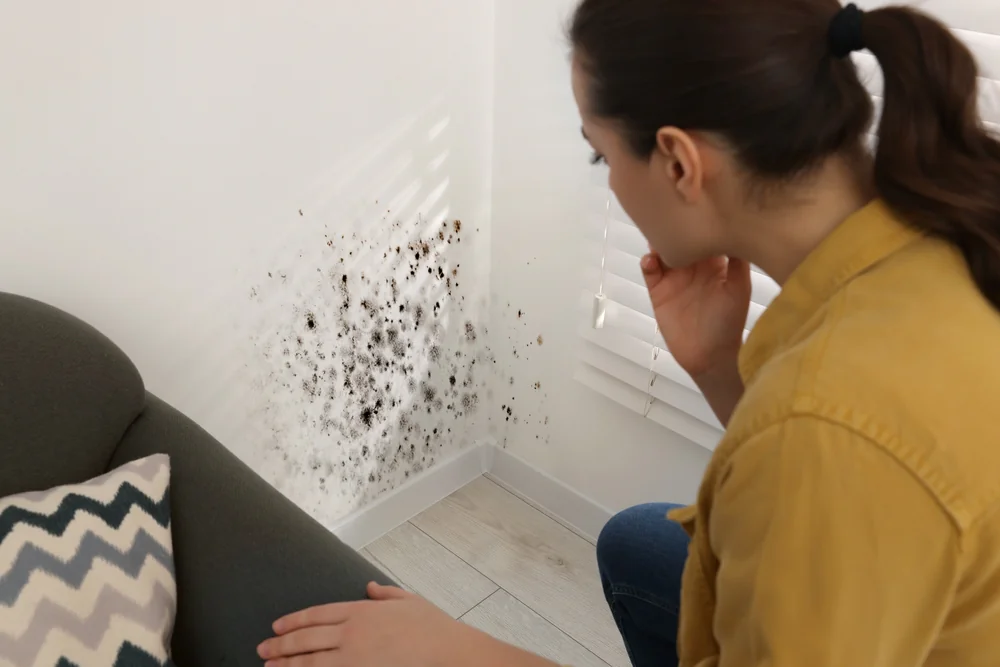
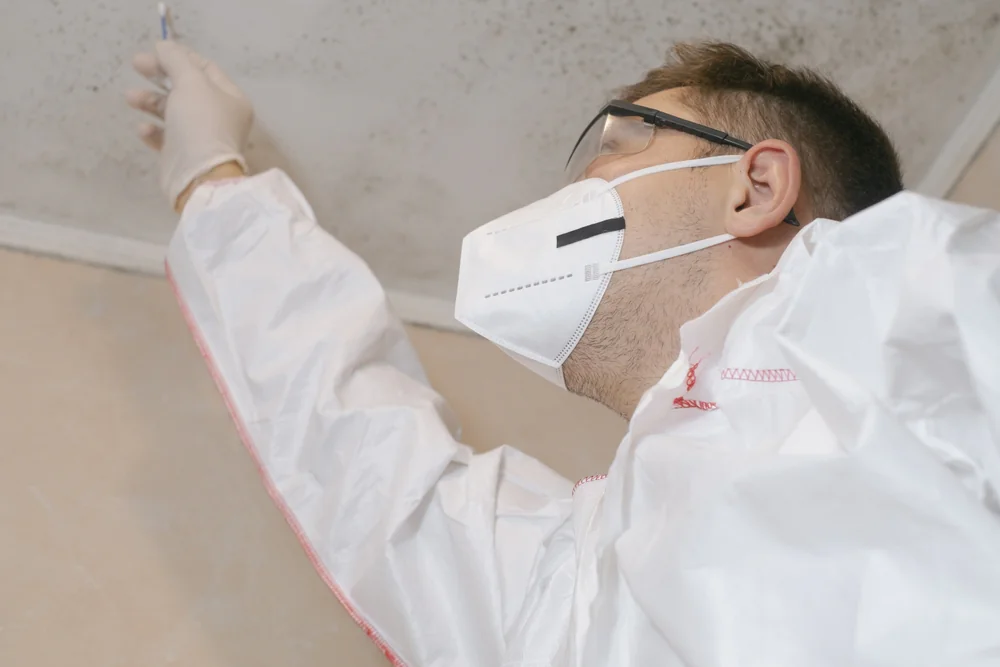
We start with a free inspection. That means checking the visible mold, but also using tools to detect moisture behind walls, under floors, and in crawl spaces where problems usually start. If there’s mold, we’ll tell you where it is, how bad it is, and what’s feeding it.
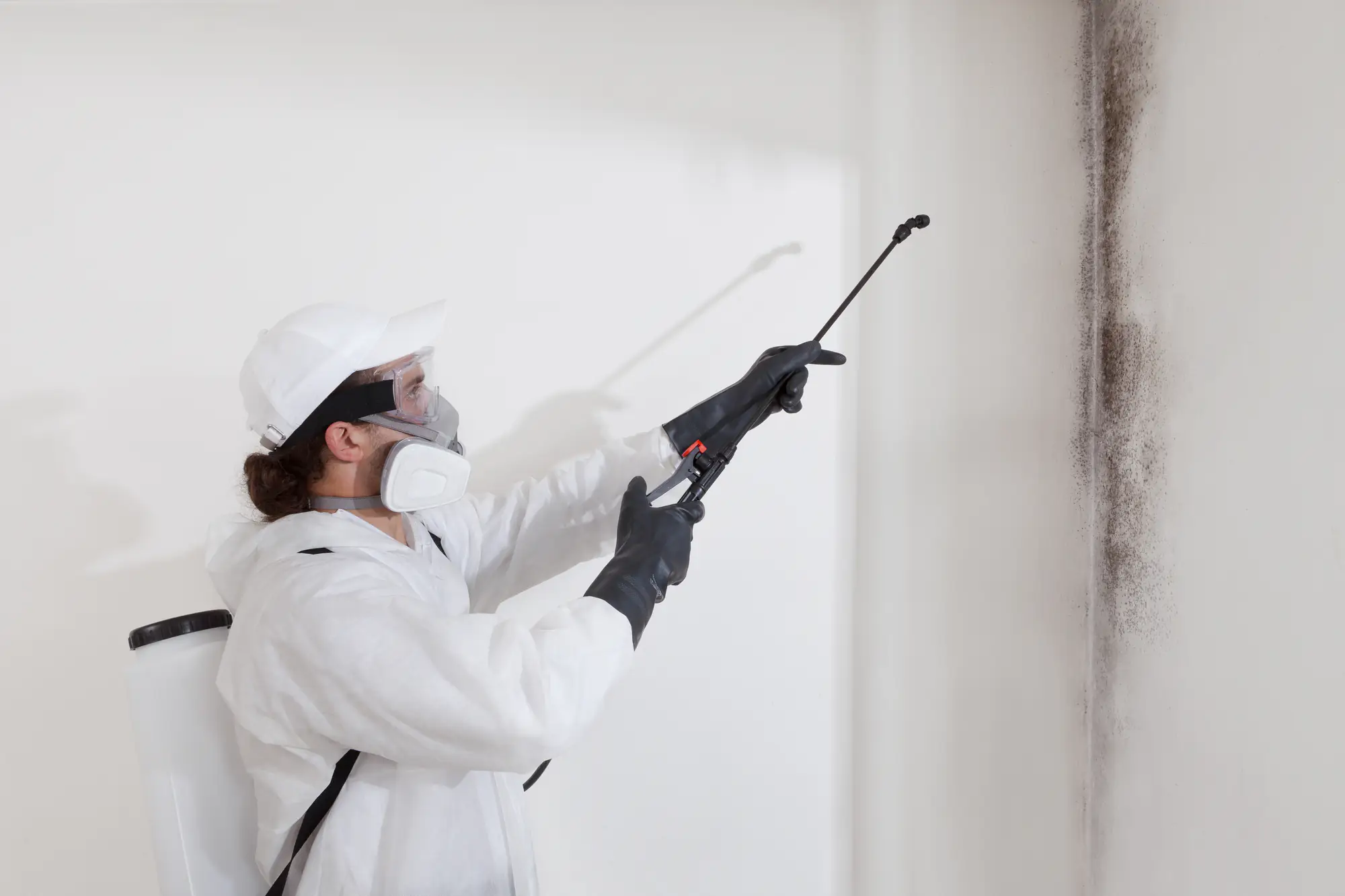
Once you approve the scope, we contain the area. Physical barriers go up, and we run negative air pressure systems so mold spores don’t travel to clean parts of your home while we’re working. Then we remove the contamination—that might mean cleaning surfaces, removing drywall, or pulling out insulation depending on how deep it goes.
After removal, we treat the area and dry everything out completely. We also address the moisture source, whether that’s a leak, condensation issue, or ventilation problem. Then we run air scrubbers and conduct post-remediation testing to confirm the air quality is back to normal.
You’re not left guessing if it worked. You’ll know because we verify it before we leave, and because the problem doesn’t come back next spring when the humidity climbs again.
Ready to get started?
You get a thorough inspection at no cost, even if you’re not sure there’s mold yet. We check attics, basements, crawl spaces, behind appliances—anywhere moisture tends to hide in Willow Grove homes. If we find something, you’ll get an upfront estimate before any work starts. No surprises.
The mitigation process includes containment, removal, treatment, and drying. We don’t just scrub the surface and call it done. If drywall or insulation is contaminated, we remove it. If your HVAC system spread spores, we clean that too. We’re handling the whole problem, not just the part you can see.
We also help with insurance claims when the damage qualifies. Most policies cover mold if it’s from a sudden event like a burst pipe or storm leak—not from long-term neglect. We’ll document everything and work with your adjuster to keep the process moving. And if you need payment options, we offer financing so the cost doesn’t stop you from getting it handled now.
Willow Grove’s climate makes mold a recurring risk if the root cause isn’t fixed. That’s why our process doesn’t stop at removal—we address what caused it so you’re not dealing with this again in a year.
Most mold mitigation projects in the Willow Grove area run between $1,200 and $3,400, with the average landing around $2,200. The final cost depends on how much area is affected, what type of mold you’re dealing with, and how much structural damage has occurred.
A small bathroom or basement issue might cost $500 to $1,500 if it’s caught early. Larger problems that require wall removal, insulation replacement, or HVAC cleaning can reach $5,000 or more. The scope of work drives the price—not just square footage, but also what needs to be removed and how deep the contamination goes.
We give you an upfront estimate after the inspection so you know what you’re looking at before we start. And if your mold is from a covered event like a pipe burst or storm damage, your insurance may cover part or all of it. We’ll help you figure that out and work with your adjuster to document everything correctly.
It depends on what caused the mold. If it’s from a sudden, accidental event—like a burst pipe, a roof leak during a storm, or an appliance malfunction—most policies will cover it. If the mold is from long-term neglect, lack of maintenance, or an ongoing moisture issue you didn’t address, they’ll likely deny the claim.
Insurance companies want to see that the damage was unexpected and that you took reasonable steps to prevent it. That’s why documentation matters. We take photos, log moisture readings, and provide detailed reports that show what happened and when. We’ve worked with adjusters for years and know how to present the information they need.
Even if your claim gets approved, there’s usually a deductible. And some policies cap mold coverage at $10,000 or less, so if the damage is extensive, you might have out-of-pocket costs. We’ll walk you through what to expect and help you navigate the process so you’re not doing it alone.
Most residential mold mitigation jobs take between two and five days, depending on the size of the affected area and how much material needs to be removed. A small bathroom might be done in a day or two. A basement with widespread contamination could take a week or more.
The timeline also depends on drying time. If there’s still moisture in the structure, we can’t close everything up until it’s completely dry—otherwise the mold just comes back. We use dehumidifiers and air movers to speed up the process, but we’re not cutting corners just to finish faster.
You’ll know the estimated timeline after the inspection. We’ll tell you what days we’ll be on-site, when you’ll need to stay out of certain areas, and when you can expect the final clearance testing. If something changes during the job—like finding more damage behind a wall—we’ll update you right away so there are no surprises.
Mold removal sounds like you’re getting rid of every single spore, but that’s not realistic. Mold spores are everywhere—in the air, on surfaces, floating around outside. You can’t eliminate them completely, and you don’t need to. What you need is to bring the level back to normal and stop active growth.
That’s what mitigation means. It’s the process of removing contamination, fixing the moisture problem, and restoring your indoor air quality to a safe level. It’s a more honest term because it reflects what’s actually achievable. You’re mitigating the risk and the damage—not promising a sterile environment that doesn’t exist in the real world.
When we handle a mold mitigation project, we’re focused on getting your home back to a healthy baseline. That means removing visible mold, treating affected areas, eliminating the moisture source, and confirming through testing that spore levels are back to normal. It’s a complete process, not just a surface cleaning.
In most cases, yes—but it depends on where the mold is and how extensive the contamination is. If we’re working in a basement or a single bathroom and we’ve contained the area properly, the rest of your home is safe to occupy. You might hear equipment running or smell cleaning agents, but you’re not being exposed to mold spores.
If the contamination is widespread or involves your HVAC system, we might recommend staying elsewhere for a few days. That’s especially true if anyone in your household has asthma, allergies, or a compromised immune system. Even with containment, there’s always some risk of exposure during active removal, and we’d rather you be safe.
We’ll tell you upfront if we think you should leave, and for how long. We’re not going to make you move out unnecessarily, but we’re also not going to tell you it’s fine if it’s not. Your health matters more than finishing the job faster.
If the mold covers less than 10 square feet, it’s contained to one small area, and there’s no underlying moisture problem, you might be able to handle it with cleaning. That’s the EPA’s general guideline. But if it’s larger than that, if it keeps coming back, or if you’re not sure what caused it, you need a professional inspection.
Here’s the bigger issue: most people don’t see the full extent of the problem. Mold grows behind walls, under flooring, and in places you’d never think to check. By the time it’s visible, it’s often been growing for weeks or months. A moisture meter and infrared camera will show you what’s really going on—and whether cleaning the surface is enough or if you need mitigation.
We offer free inspections, so there’s no cost to find out. If it’s minor and you can handle it yourself, we’ll tell you. If it’s bigger than it looks or there’s hidden damage, we’ll walk you through what needs to happen. You’re not locked into anything just because we come out and take a look.
Other Services we provide in Willow Grove