
Hear from Our Customers
When mold mitigation is done right, you’re not calling someone back in three months. The air smells normal again. Your family stops coughing at night. The dark spots don’t reappear after the next humid week.
Real mitigation means finding what’s feeding the mold—whether that’s a hidden leak, poor ventilation, or moisture seeping through your foundation. We locate the source with infrared cameras and moisture meters, then we fix it. Not just the mold you can see, but the conditions that let it grow in the first place.
You get containment barriers that keep spores from spreading during removal. HEPA filtration that clears the air while we work. Antimicrobial treatment on affected surfaces. And repairs to any materials too damaged to save. The result is a space that’s actually dry, not just temporarily clean.
We work throughout Whitpain and Montgomery County, where older construction and humid Pennsylvania summers create perfect conditions for mold growth. Many homes here were built before modern ventilation standards. Basements stay damp. Crawl spaces trap moisture. And once mold starts, it spreads fast.
We’ve handled everything from basement flooding to attic condensation to hidden mold behind bathroom tile. Our team is trained in proper containment, safe removal, and moisture control—the three things that actually matter when you’re trying to solve a mold problem permanently.
You’re not getting a crew that sprays bleach and calls it done. You’re getting people who understand why mold showed up and what it takes to make sure it doesn’t come back.
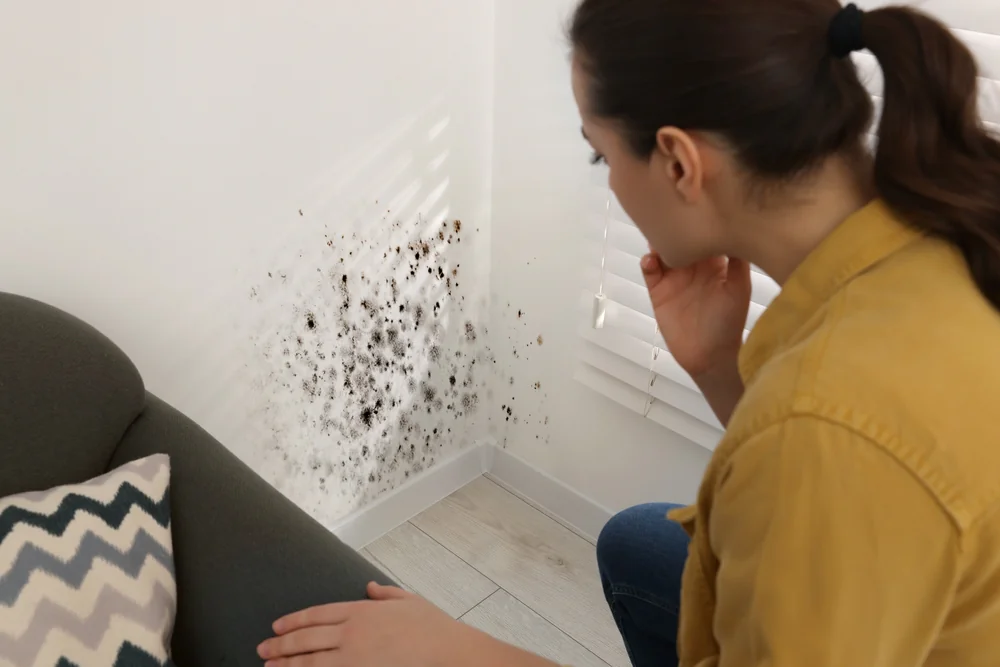
We start with an inspection. That means checking visible mold, but also using moisture meters and infrared cameras to find hidden growth behind walls, under floors, or in your HVAC system. Most mold problems are bigger than what you can see, so we map out the full extent before we start removing anything.
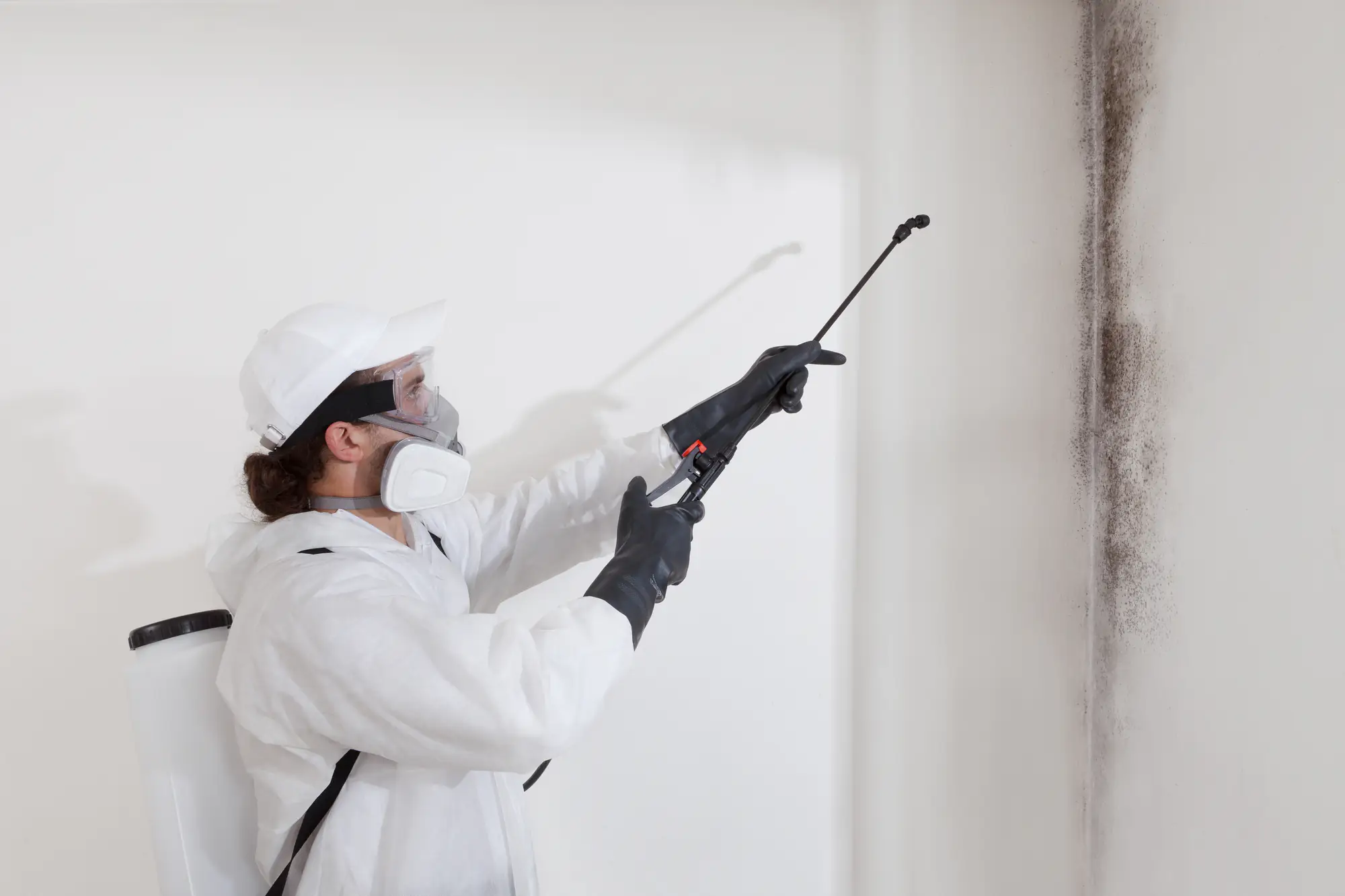
Next comes containment. We seal off the affected area with physical barriers and set up negative air pressure so mold spores don’t spread to clean parts of your home. HEPA air scrubbers run the entire time we’re working.
Then we remove the contamination. Porous materials like drywall or insulation that are heavily affected get disposed of properly. Hard surfaces get treated with antimicrobial solutions. We pull out everything that’s feeding the mold—including the moisture source itself, whether that’s repairing a leak, improving drainage, or installing a dehumidifier.
Finally, we restore. Any materials we removed get replaced. Surfaces get sealed. And you get documentation of what was done, in case you ever need it for insurance or resale.
Ready to get started?
You get a complete moisture assessment using professional-grade detection equipment. We’re not guessing where the problem is—we’re measuring it. That includes checking humidity levels, finding active leaks, and identifying ventilation issues that are feeding mold growth.
Containment comes next, with sealed barriers and HEPA filtration to keep spores from contaminating other areas while we work. This matters more than most people realize, especially in homes with shared HVAC systems where mold can spread through ductwork.
In Whitpain, we see a lot of basement mold from foundation moisture and attic mold from poor ventilation. Both require different approaches. Basements often need waterproofing or drainage improvements. Attics need better airflow and insulation adjustments. We handle both the removal and the underlying fix so you’re not dealing with recurring growth every summer.
You also get proper disposal of contaminated materials, antimicrobial treatment on salvageable surfaces, and restoration work to return your space to normal. Everything is documented in case your insurance or a future buyer asks for records.
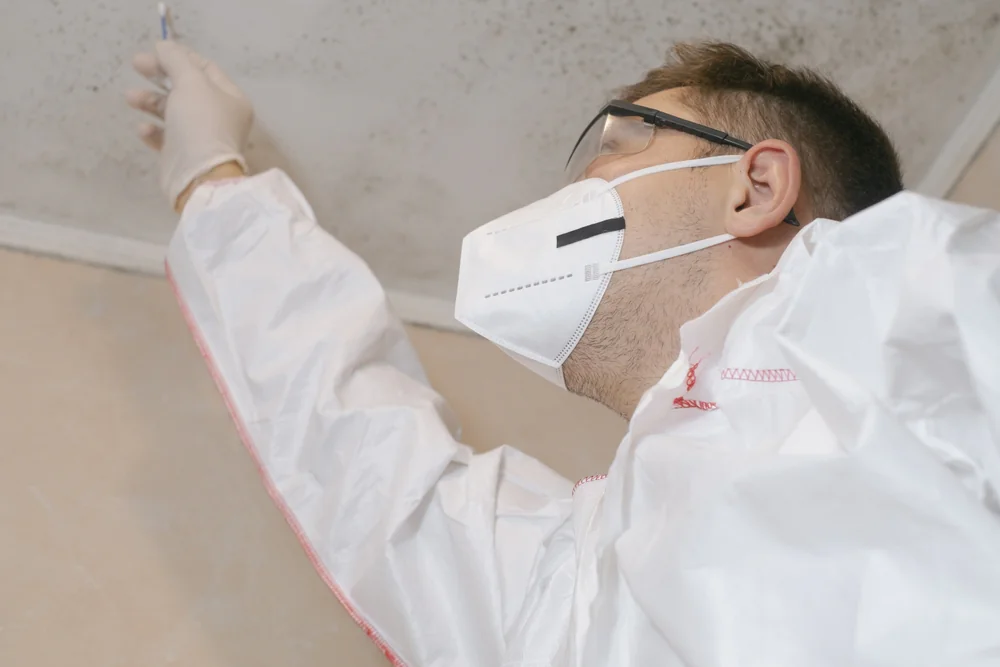
Mitigation addresses why the mold is growing, not just the visible spots. When you clean mold yourself with bleach or a scrub brush, you’re treating the surface. That works on non-porous materials like tile or glass, but it doesn’t touch mold that’s growing inside drywall, insulation, or wood. And it definitely doesn’t fix the moisture problem that caused it.
Mold grows because there’s a water source. Could be a slow leak. Could be condensation from poor ventilation. Could be humidity that’s too high. If that source isn’t eliminated, the mold comes back in a matter of weeks—sometimes faster during humid months.
Professional mitigation means we find that source using moisture meters and infrared cameras. We contain the area so spores don’t spread during removal. We use HEPA filtration to clean the air. And we treat or remove materials based on how deep the contamination goes. You’re not just getting rid of what you can see—you’re eliminating the conditions that let it grow in the first place.
Most residential jobs take between two and five days, depending on how widespread the mold is and what’s causing it. A small bathroom with surface mold from a leaky pipe might be done in two days. A finished basement with mold behind drywall and insulation could take closer to a week.
The inspection usually happens on day one. We map out the affected areas, identify the moisture source, and put together a plan. Containment and removal start right after that. Drying equipment might need to run for a few days if there’s significant water damage. Then we handle repairs and restoration.
The timeline also depends on what needs to be fixed. If we’re just removing mold and treating surfaces, that’s faster. If we’re also repairing a foundation crack, replacing insulation, or improving ventilation, it takes longer. But rushing the process means the problem comes back, so we’d rather take the time to do it right the first time.
It depends on what caused the mold. Most policies cover mold if it’s the result of a sudden, accidental event—like a burst pipe, a roof leak during a storm, or flooding from a broken appliance. If the mold is from long-term neglect or a maintenance issue you didn’t address, coverage is less likely.
The key is acting fast. Insurance companies expect you to mitigate damage as soon as you’re aware of it. If you wait months to deal with a known leak and mold spreads, they may deny the claim. But if you call us right after discovering the problem, document everything, and start mitigation quickly, you’re in a much better position.
We can work directly with your insurance adjuster and provide the documentation they need—photos, moisture readings, scope of work, and invoices. Some policies have sub-limits for mold coverage, meaning they’ll only pay up to a certain amount even if the claim is approved. It’s worth reviewing your policy or calling your agent before we start so you know what to expect.
If mold returns after professional mitigation, it usually means the moisture source wasn’t fully eliminated or a new one developed. Mold needs water to grow. No moisture, no mold. So if it’s back, something is still feeding it.
That could be a hidden leak we didn’t catch during the initial inspection. It could be a ventilation problem that wasn’t addressed. Or it could be a new issue—like a roof leak that started after we finished, or a plumbing problem that developed later. We’ve also seen cases where homeowners don’t run the dehumidifier we recommended, and humidity creeps back up.
When we do a job, we identify and fix the moisture source as part of the process. That’s the whole point of mitigation versus just cleaning. But if something changes or we missed something, we’ll come back and figure out what’s going on. We stand behind our work. If the mold returns because of something we were supposed to fix and didn’t, that’s on us. If it’s a new problem, we’ll help you address it, but that’s a separate issue.
It depends on the size and location of the affected area. If we’re working on a small section—like a bathroom or a closet—and we can fully contain it with barriers and negative air pressure, you can usually stay in the rest of the house. The containment keeps mold spores from spreading, and HEPA filtration cleans the air in the work area.
If the mold is widespread, or if it’s in your HVAC system where spores can circulate throughout the house, it’s safer to stay elsewhere until we’re done. Same goes for anyone in your household with asthma, allergies, or a compromised immune system. Even with containment, there’s some level of disturbance during removal, and sensitive individuals are better off avoiding exposure.
We’ll tell you upfront whether staying is realistic or not. Most jobs don’t require you to leave, but we’re not going to tell you it’s fine if it’s not. Your health matters more than convenience, and we’d rather you stay somewhere else for a few days than risk making symptoms worse.
Mold removal is surface-level cleaning. Mold mitigation is fixing the problem so it doesn’t come back. If you’ve got a small patch of mold on a non-porous surface—like tile or a painted wall—and there’s no underlying moisture issue, removal might be enough. You clean it, dry the area, and move on.
But if the mold is growing inside walls, on insulation, or in areas that stay damp, you need mitigation. That means identifying the moisture source, removing contaminated materials, treating affected surfaces, and making repairs so the conditions that caused the mold are eliminated. Removal deals with the mess. Mitigation deals with the cause.
In Pennsylvania, especially in older homes like the ones common in Whitpain, mold is almost always tied to a moisture problem—poor ventilation, foundation leaks, plumbing issues, or high humidity. If you’re seeing mold more than once, or if it’s in your basement, crawl space, or attic, you need mitigation. Anything less is just buying time until it shows up again.
Other Services we provide in Whitpain