
Hear from Our Customers
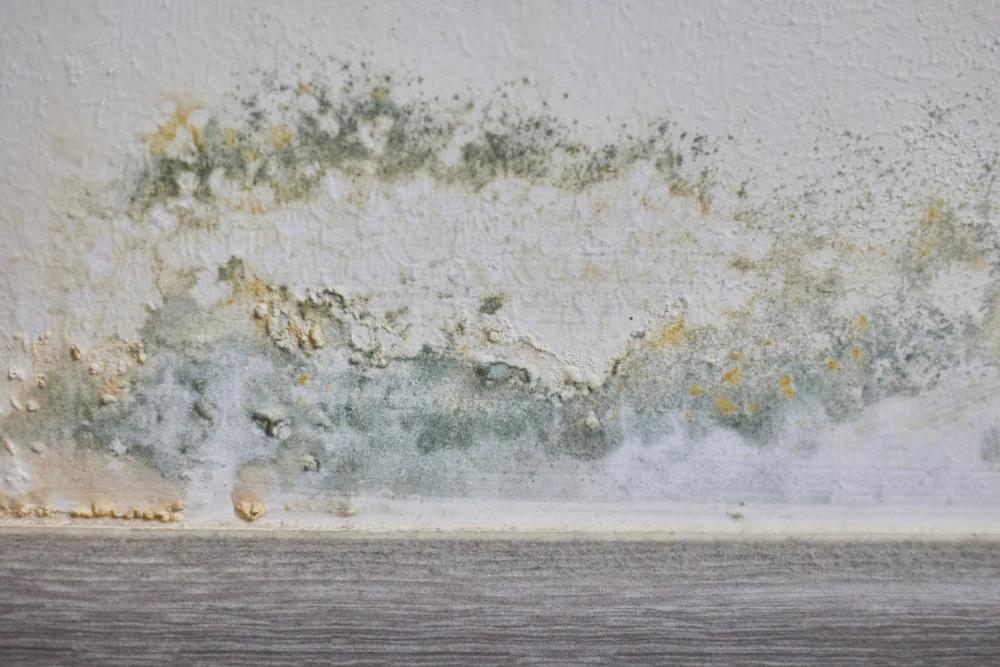
You’re not just getting rid of visible mold. You’re eliminating what’s growing behind your walls, under your floors, and inside your HVAC system—the stuff you can’t see but your lungs definitely feel.
Your air quality improves within days. The musty smell disappears. And if you’re selling, you’re not handing buyers a reason to walk away or demand $30,000 off your asking price.
We handle the insurance paperwork, contain the affected areas so spores don’t spread during removal, and use HEPA filtration to clean the air while we work. When we leave, you’re not wondering if it’s really gone. You know it is.
We’ve been serving Montgomery County homeowners since 2009. We’re IICRC-certified, locally owned, and we show up when we say we will.
Whitpain homes—especially older properties near the Wissahickon Creek area—deal with humidity and water intrusion that create perfect conditions for mold. We’ve seen it in crawl spaces, attics, basements, and behind bathroom tiles. We know what to look for and how to fix it completely.
You’re not getting a franchise crew reading from a script. You’re getting experienced technicians who understand Pennsylvania’s climate, your home’s value, and what’s at stake if this isn’t handled right.
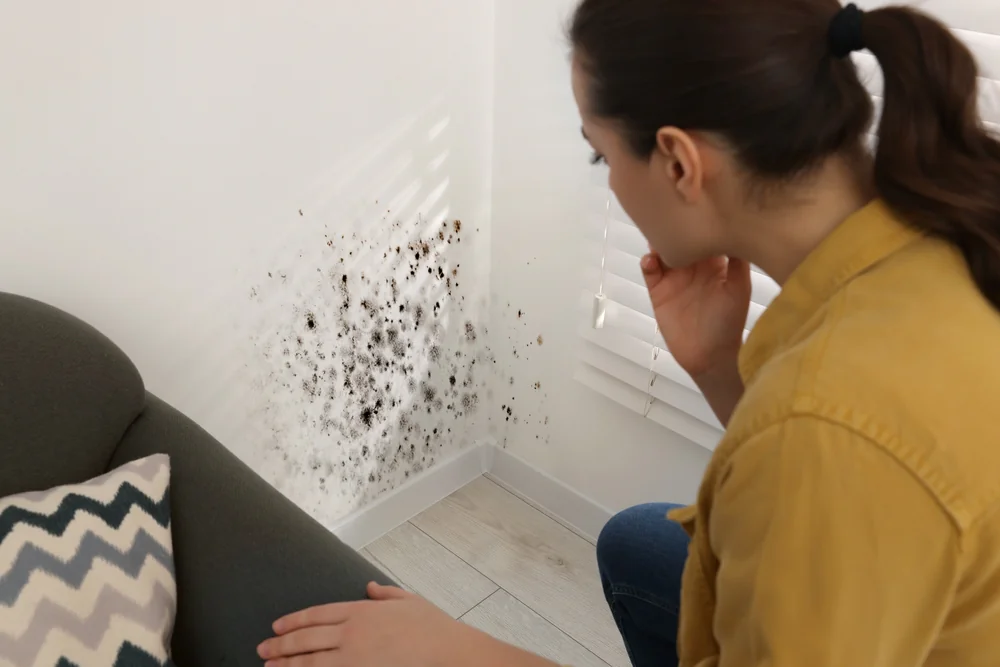
We start with a free inspection. That means checking everywhere—not just the obvious spots. We’re looking in wall cavities, crawl spaces, attics, and around HVAC systems. If there’s mold, we find it.
Once we know what we’re dealing with, you get a detailed estimate before any work starts. No surprises. We also help you navigate insurance claims if your policy covers it.
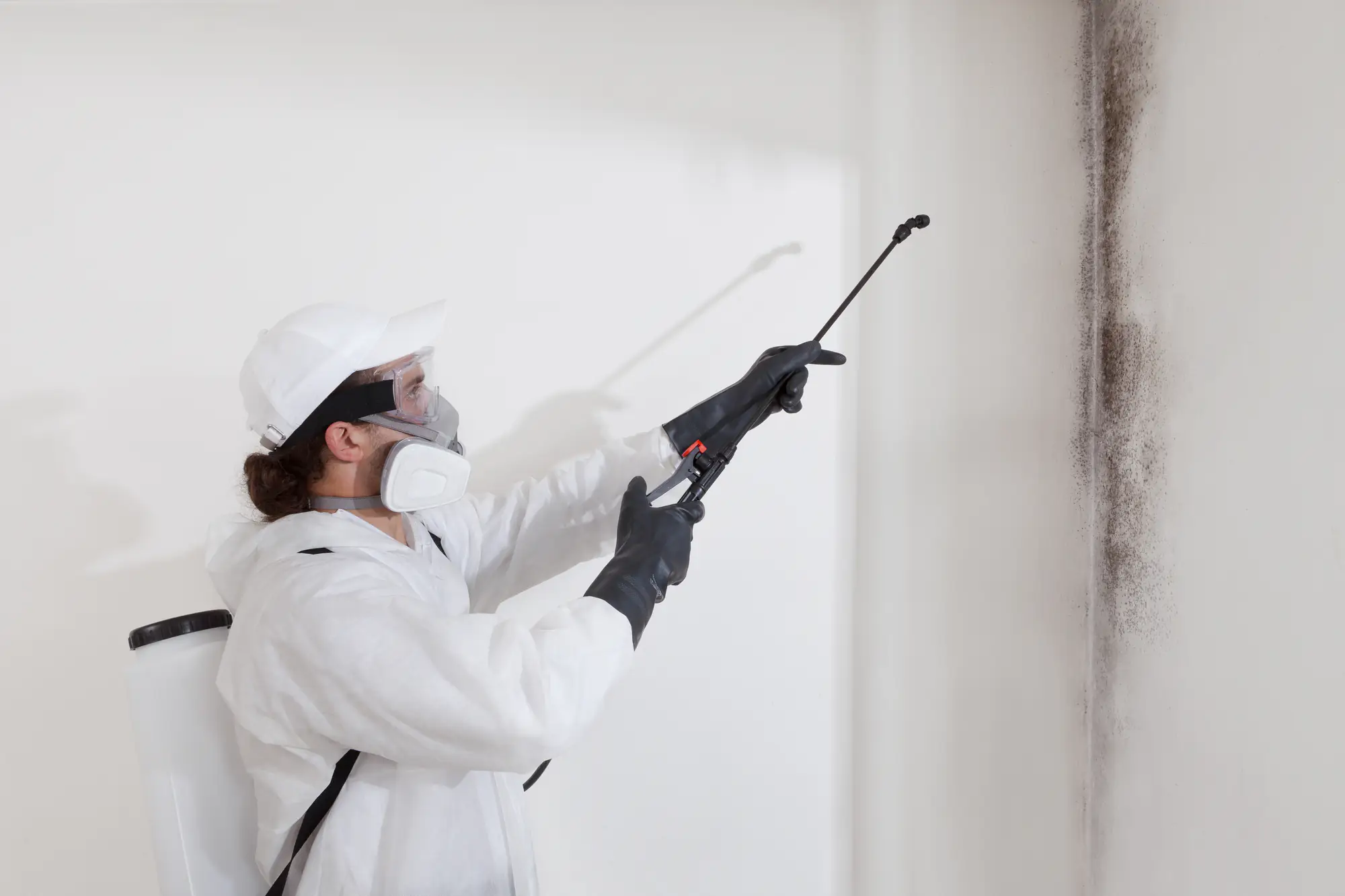
During removal, we seal off the affected area to prevent cross-contamination. We remove contaminated materials, treat surfaces with antimicrobial solutions, and run HEPA air scrubbers to capture airborne spores. Then we address the moisture source—because if we don’t fix why it grew in the first place, you’ll be calling someone again in six months.
After everything’s clear, we verify it with testing. You get documentation showing the job’s done right.
Ready to get started?
You get a thorough inspection that covers visible and hidden areas. We test to identify mold type—black mold, for example, requires specific handling. We contain the work area using plastic sheeting and negative air pressure so spores don’t travel to clean areas of your home.
We remove affected materials like drywall, insulation, or flooring if they can’t be salvaged. Surfaces that can be saved get treated with EPA-approved antimicrobials. Throughout the process, HEPA filtration keeps your indoor air clean.
Pennsylvania’s humid summers and older housing stock make attic mold mitigation and crawl space mold mitigation especially common in Whitpain. Poor ventilation traps moisture. Roof leaks go unnoticed. We handle both the removal and the underlying cause—whether that’s a ventilation issue, a plumbing leak, or water intrusion from outside.
If you’ve had recent water damage, we also provide water mold restoration to address growth before it spreads. Every job ends with verification testing and documentation you can show to buyers, insurers, or future inspectors.
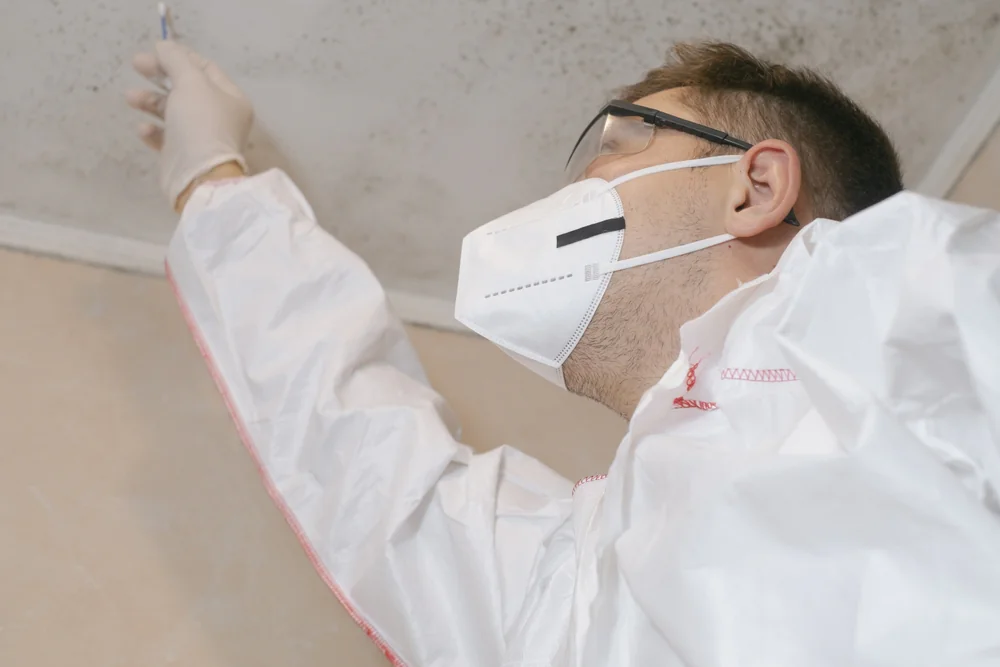
Most residential mold mitigation projects take between two and five days, depending on the size of the affected area and how far the mold has spread. A small bathroom with surface mold might be done in a day or two. A basement with water damage and mold growth behind walls could take a full week.
The timeline also depends on what caused the mold. If there’s an active leak or humidity problem, we need to address that first or the mold will just come back. We don’t rush the process. Containment, removal, treatment, and drying all take time to do correctly.
You’ll know the timeline upfront. We walk you through what needs to happen and give you a realistic schedule before we start.
It depends on what caused the mold. If it’s from a sudden, accidental event—like a burst pipe or storm damage—most policies will cover mitigation. If it’s from long-term neglect or a maintenance issue like a slow leak you didn’t fix, probably not.
We work with insurance companies regularly and can help you figure out what’s covered. We document everything, take photos, and provide detailed reports that make the claims process easier. Some insurers require specific procedures or documentation, and we know what they’re looking for.
Even if insurance doesn’t cover it, we offer flexible payment options. Ignoring mold doesn’t make it cheaper—it makes it worse. The longer you wait, the more it spreads and the more it costs to remove.
Mold removal sounds like you’re getting rid of every single spore, but that’s not realistic. Mold spores exist everywhere—they’re in the air outside and inside. True “removal” of all mold is impossible.
Mold mitigation is the accurate term. It means reducing mold levels to normal, safe levels and eliminating the conditions that let it grow out of control. We remove contaminated materials, treat affected surfaces, and fix the moisture problem so it doesn’t come back.
The goal isn’t a sterile environment. It’s a healthy one. When we’re done, mold levels in your home match what’s naturally present outdoors—nothing that will make you sick or damage your property. That’s what mitigation means, and that’s what we do.
In most cases, yes—but it depends on the scope of the work and where the mold is located. If we’re working in a basement or a single bathroom, we can seal off that area and you can stay in the rest of the house without any issues.
If the mold is widespread or you have someone in the home with respiratory issues, compromised immunity, or severe allergies, it’s safer to stay elsewhere during the work. We use containment barriers and HEPA filtration to prevent spores from spreading, but some people are more sensitive than others.
We’ll give you an honest recommendation based on your specific situation. If it’s safe to stay, we’ll tell you. If it’s not, we’ll explain why. Your health isn’t something we gamble with.
You might not see it, but you’ll notice signs. A persistent musty smell is the most common indicator—it smells earthy, damp, or like wet cardboard. That odor means mold is releasing volatile organic compounds, and it’s usually coming from somewhere you can’t see.
Other signs include water stains on ceilings or walls, peeling paint, warped floors, or condensation on windows. If you or anyone in your home has unexplained respiratory symptoms—coughing, sneezing, itchy eyes—that get better when you leave the house, that’s another red flag.
Whitpain’s older homes often have mold in attics with poor ventilation or crawl spaces with dirt floors and moisture issues. A professional inspection finds what you’re missing. We use moisture meters and thermal imaging to detect hidden water and mold growth behind walls and under floors. If it’s there, we’ll find it.
If the moisture problem wasn’t fixed, mold can return. That’s why we don’t just remove mold—we identify and address what caused it. A roof leak, poor ventilation, high humidity, or plumbing issues all create environments where mold thrives.
When we complete a job, we verify that moisture levels are back to normal and the source is resolved. If mold returns in an area we treated, that usually means there’s a new moisture issue or one we didn’t catch the first time. We’ll come back and figure out what’s going on.
Our work comes with a satisfaction guarantee. We’re not interested in doing the same job twice. We want it done right the first time so you’re not dealing with this again in six months. If something isn’t right, we make it right.
Other Services we provide in Whitpain