
Hear from Our Customers
You’re not wondering if that smell is coming back. Your kids aren’t coughing at night. You’re not avoiding the basement or that back bedroom anymore.
That’s what proper mold mitigation does. It doesn’t just clean what you can see—it removes the growth at the source, fixes what caused it, and gives you a home that feels safe again.
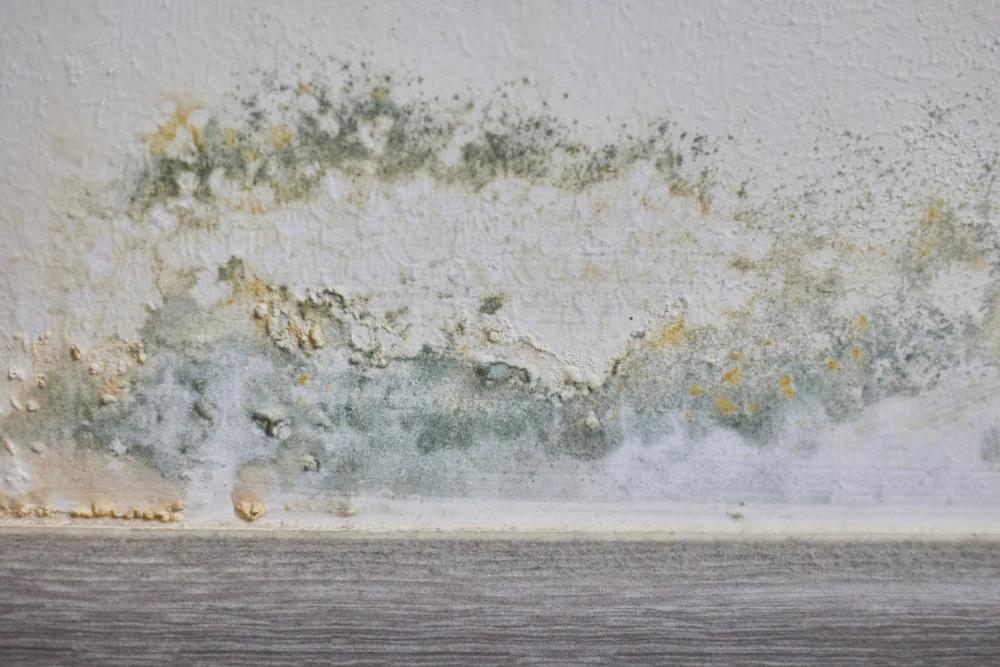
Mold starts growing within 48 hours of water exposure. Once it takes hold, it spreads fast—through walls, under floors, into HVAC systems. You might see a small patch on the ceiling, but the real problem is often hidden. That’s why surface cleaning doesn’t work. You need someone who knows where to look, what to test, and how to mitigate mold damage before it affects your health or your property value.
Homes with visible mold lose 20 to 37 percent of their value. But more than that, black mold causes respiratory issues, skin irritation, and chronic fatigue—especially in kids, elderly family members, and anyone with asthma or allergies. You shouldn’t have to live like that.
We’ve been serving Bucks County for years, and we’ve seen it all. Leaky basements after spring storms. Condensation problems in older homes with poor ventilation. Hidden moisture behind finished walls that nobody caught until the drywall started bubbling.
Whitemarsh sits in an area where humid summers and cold, wet winters create perfect conditions for mold. Add in aging infrastructure and homes built before modern moisture barriers were standard, and you’ve got a recipe for recurring problems. We’ve worked in enough local homes to know what to look for and how to fix it right.
We’re not a franchise following a checklist. We’re a local team that actually understands the building styles, weather patterns, and common failure points in this area. That matters when you’re trying to solve a problem for good.
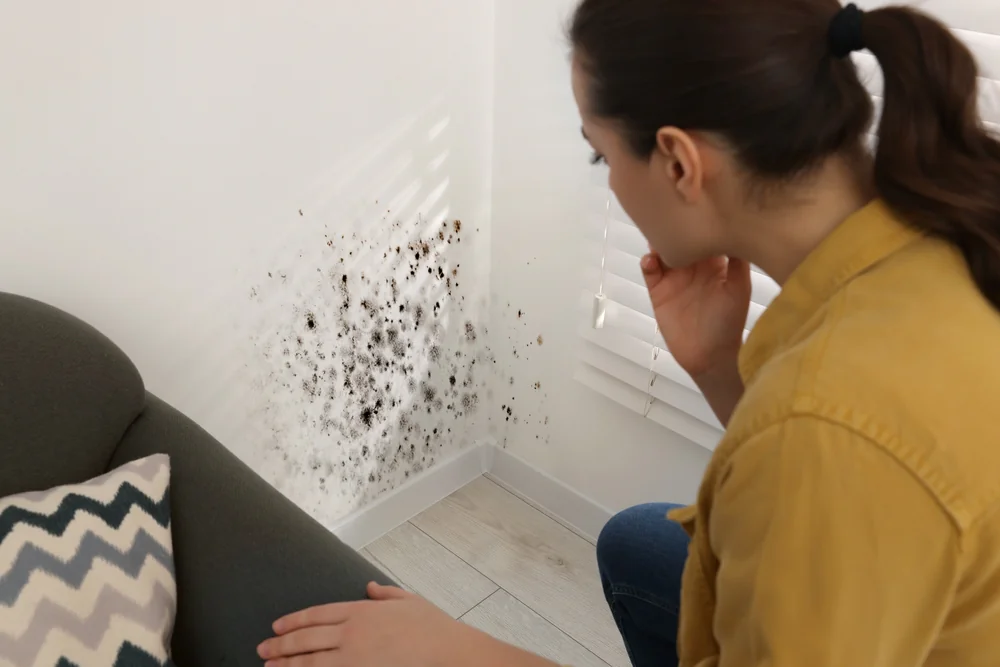
First, we do a full inspection—free of charge. We’re not just looking at the visible mold. We’re using infrared cameras to detect temperature differences that indicate hidden moisture. We’re checking behind walls, under floors, in crawl spaces, and around HVAC systems. If there’s mold, we’ll find it.
Once we know what we’re dealing with, we give you an upfront estimate. No surprises. No upselling. Just a clear breakdown of what needs to happen and what it’ll cost.
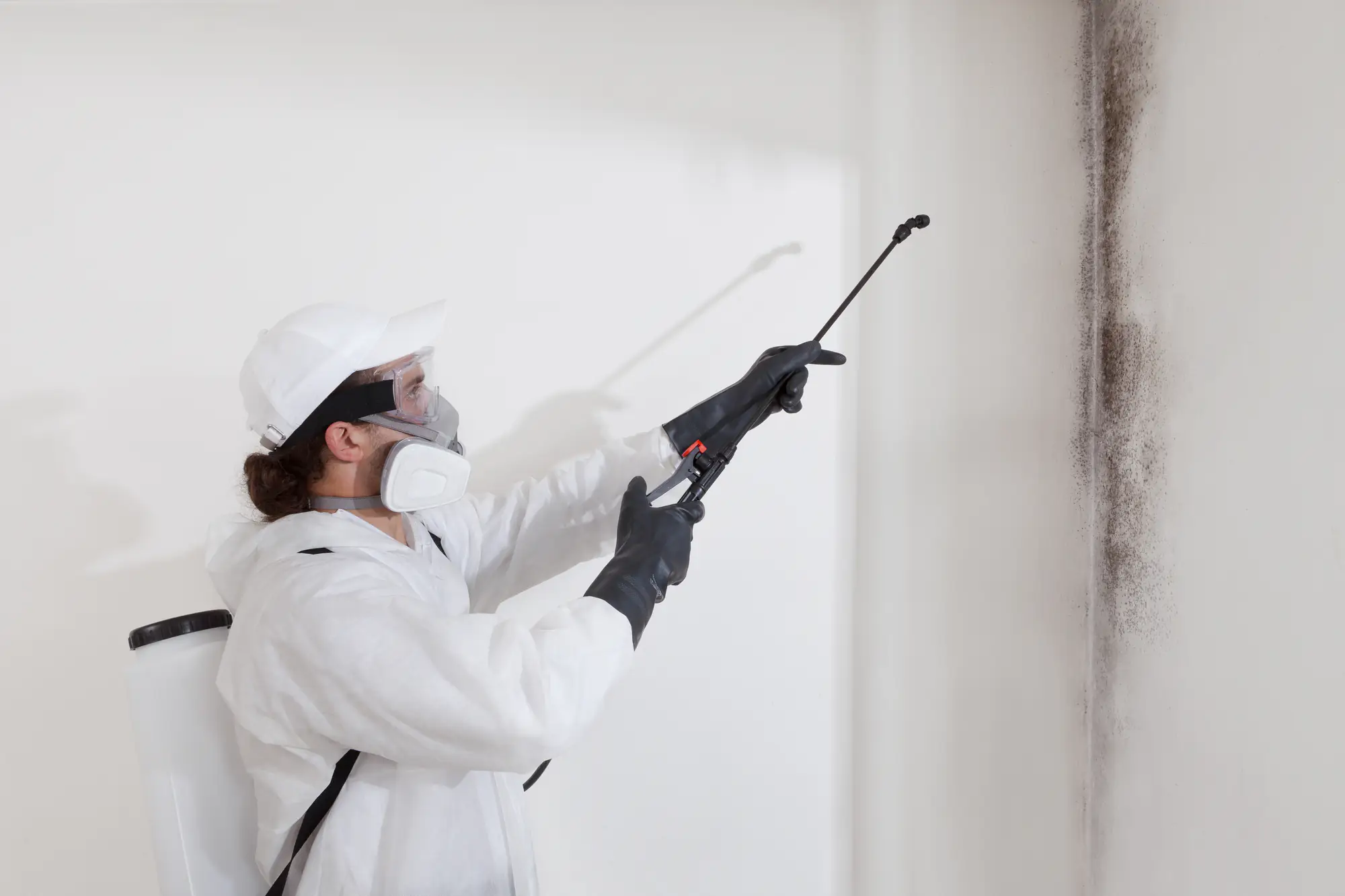
Then we contain the area to prevent spores from spreading during removal. We use EPA-approved methods and HEPA filtration to safely remove all contaminated materials. If drywall, insulation, or flooring is affected, it gets pulled out and properly disposed of.
After removal, we treat the area with antimicrobial solutions and dry everything completely. But here’s the part most companies skip—we find and fix the moisture source. Whether it’s a leaky pipe, poor ventilation, or groundwater seeping through your foundation, we address it. Otherwise, the mold just comes back.
Finally, we restore the space. That might mean replacing drywall, repainting, or reinstalling flooring. You’re not left with a gutted room and a list of contractors to call. We handle it.
Ready to get started?
Every mold mitigation job includes a thorough inspection with advanced detection tools, complete containment to protect unaffected areas, safe removal using EPA-approved methods, antimicrobial treatment, and full drying of all affected spaces. We also identify and repair the underlying moisture problem—because removing mold without fixing the cause is pointless.
In Whitemarsh and throughout Bucks County, we see a lot of basement mold from foundation cracks and poor drainage. We also see attic mold from roof leaks and bathroom mold from exhaust fans that vent into the attic instead of outside. These aren’t just cleaning jobs. They’re structural issues that need real solutions.
We work with your insurance company if your policy covers mold remediation. Most water damage claims do, especially if the mold resulted from a covered event like a burst pipe or storm damage. We document everything, provide detailed reports, and handle the paperwork so you’re not stuck navigating that process alone.
You also get air quality testing before and after the job. That’s how you know the mold is actually gone—not just covered up or temporarily cleaned. We don’t consider the job done until your home tests clean and you’re confident the problem is solved.
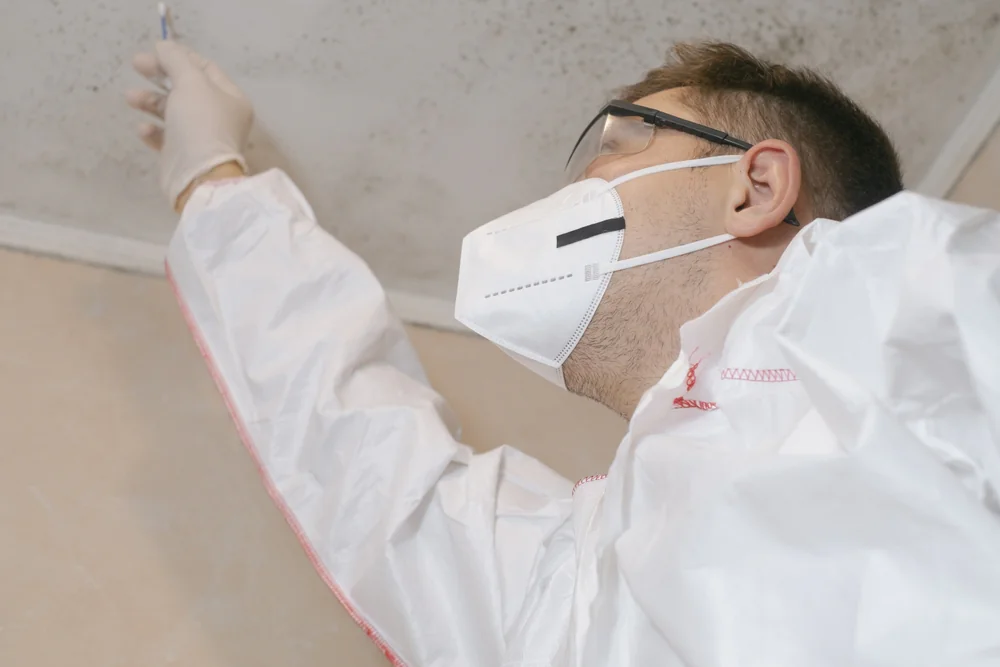
If the mold covers more than 10 square feet, it’s considered a large infestation and you need professional help. But size isn’t the only factor.
If the mold keeps coming back after you clean it, that means there’s a moisture source you haven’t addressed. If you’re dealing with black mold, which can cause serious health issues, you shouldn’t handle it yourself. If the mold is inside walls, under flooring, or in your HVAC system, you won’t be able to reach it with household cleaners.
You also need professionals if anyone in your home has asthma, allergies, or a weakened immune system. Disturbing mold releases spores into the air, and without proper containment and filtration, you’re making the problem worse. Professional mold mitigation services include containment, HEPA filtration, antimicrobial treatment, and moisture control—none of which you can replicate with a bottle of bleach.
It depends on what caused the mold. If the mold resulted from a sudden, covered event—like a burst pipe, roof leak during a storm, or appliance malfunction—most policies will cover remediation. If the mold developed because of long-term neglect or lack of maintenance, they probably won’t.
Pennsylvania doesn’t have state regulations requiring mold coverage, so you need to check your specific policy. Some insurers exclude mold entirely unless you purchase additional coverage. Others cap mold claims at a certain dollar amount, often between $5,000 and $10,000.
We work with insurance companies regularly. We document the damage, provide detailed estimates, and submit the necessary reports to support your claim. If your claim gets denied or you’re not sure whether you’re covered, we can also offer financing options to make the work affordable. The longer you wait, the more damage spreads—and the more expensive it gets.
Most residential mold mitigation jobs take three to five days, but it depends on the extent of the damage and how much material needs to be removed. A small bathroom with surface mold might take two days. A finished basement with mold behind drywall and in the subfloor could take a week or more.
The inspection usually happens the same day you call—we offer 24/7 emergency response because mold doesn’t wait for business hours. Once we assess the damage and get your approval, we start containment and removal right away.
Drying is the part that takes the longest. Even after we remove contaminated materials, we need to make sure all remaining surfaces are completely dry. If there’s any residual moisture, mold will grow back. We use industrial dehumidifiers and air movers, and we monitor moisture levels until everything is within safe limits. After that, we handle restoration—replacing drywall, repainting, and getting your space back to normal. You’re not waiting weeks for the job to be done.
Mold removal sounds like you’re getting rid of every single spore, but that’s not realistic. Mold spores are everywhere—in the air, on surfaces, floating through your home right now. They’re harmless until they find moisture and start growing.
Mold mitigation is about bringing mold levels back to normal, safe levels and eliminating the conditions that let it grow. That means removing active growth, treating affected areas, and fixing the moisture problem. It’s a more honest term because it reflects what’s actually achievable.
Some companies use “mold removal” because it sounds more complete, but if they’re not addressing the underlying cause, the mold will return. We focus on mitigation because that’s what actually protects your home long-term. We remove the growth, dry the space, kill remaining spores with antimicrobial treatment, and fix whatever caused the moisture in the first place. That’s how you prevent future problems.
In most cases, yes—but it depends on the location and severity of the mold. If we’re working in a contained area like a basement or single bathroom, and you don’t have respiratory issues, you can usually stay in other parts of the house.
We seal off the work area with plastic sheeting and use negative air pressure to prevent spores from spreading. All air from the containment zone gets filtered through HEPA filters before it’s exhausted outside. You won’t be exposed to the mold we’re removing.
If the mold is extensive—throughout multiple rooms or in your HVAC system—we might recommend staying elsewhere for a few days. Same goes if anyone in your household has asthma, mold allergies, or a compromised immune system. Kids and elderly family members are more vulnerable to mold exposure, so we err on the side of caution.
We’ll be upfront during the inspection about whether you need to leave. If you do, it’s usually just for two to four days while we handle the heavy removal and treatment. Once containment comes down and air quality tests clean, you’re safe to move back in.
Moisture. That’s it. If you’re cleaning mold but it keeps reappearing in the same spot, there’s a water source you haven’t fixed.
Mold needs three things to grow: organic material (like wood or drywall), the right temperature (which is basically any indoor temperature), and moisture. You can’t control the first two, but you can control moisture. If water is still getting in—whether it’s a slow leak, condensation, high humidity, or groundwater seeping through your foundation—mold will keep growing no matter how many times you scrub it.
In Whitemarsh, we see recurring mold from a few common sources. Basement mold usually comes from foundation cracks or poor exterior drainage. Bathroom mold comes from exhaust fans that don’t vent outside or missing grout that lets water into the walls. Attic mold comes from roof leaks or inadequate ventilation that traps humid air.
Professional mold mitigation includes finding and fixing that moisture source. We don’t just treat the symptom—we solve the problem. That’s the only way to stop mold from coming back.
Other Services we provide in Whitemarsh