
Hear from Our Customers
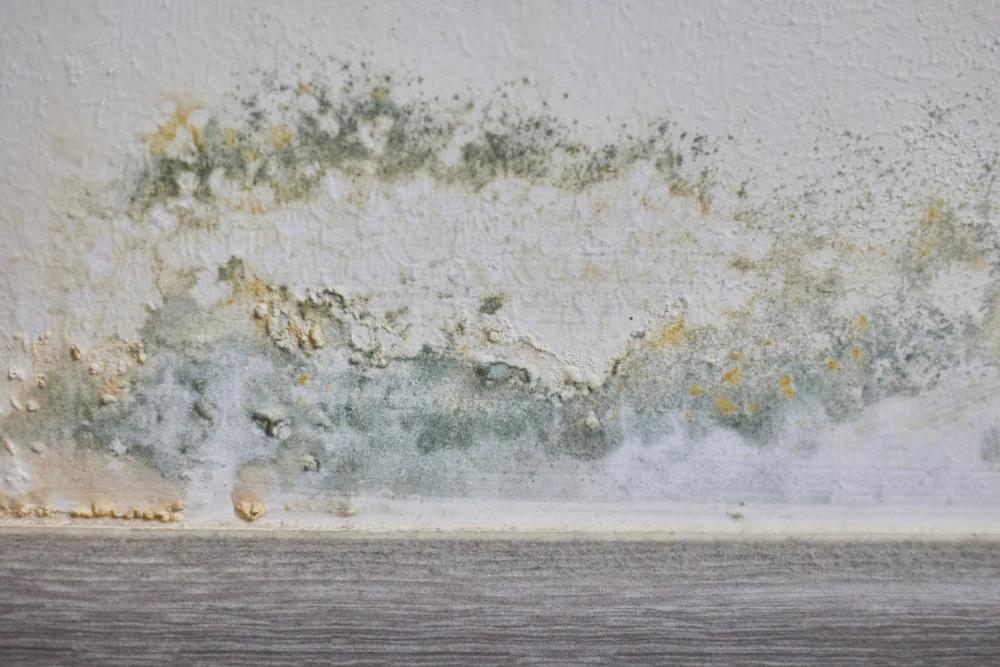
Your home’s air quality improves within days of identifying and controlling the moisture sources feeding mold growth. You’re not dealing with visible patches on walls or that musty smell in the basement anymore.
Your property value stays protected. In West Whiteland, where homes average over $460,000, a mold problem can drop resale value by 20-37%. Half of interested buyers walk away the moment they learn a home had mold issues.
You get documentation that matters for insurance claims and future sales. Independent lab results show exactly which mold species are present and where moisture problems exist. You’re not guessing about what needs to happen next. You have a clear path forward, whether that’s simple moisture control or full remediation, based on what the testing actually shows.
That distinction matters because we have no financial reason to exaggerate what you’re dealing with. We’ve performed thousands of inspections throughout Chester County, and our only job is telling you what’s actually happening in your home.
We’re state-licensed inspectors who understand how Pennsylvania’s humid summers and West Whiteland’s older housing stock create perfect conditions for mold growth. Most homes here have basements or crawl spaces that weren’t built with modern moisture control standards.
You get same-day service when you need it, test results back within 24 hours, and a detailed report that shows what you’re dealing with and what needs to happen next. No pressure to hire us for remediation work because we don’t do remediation work.
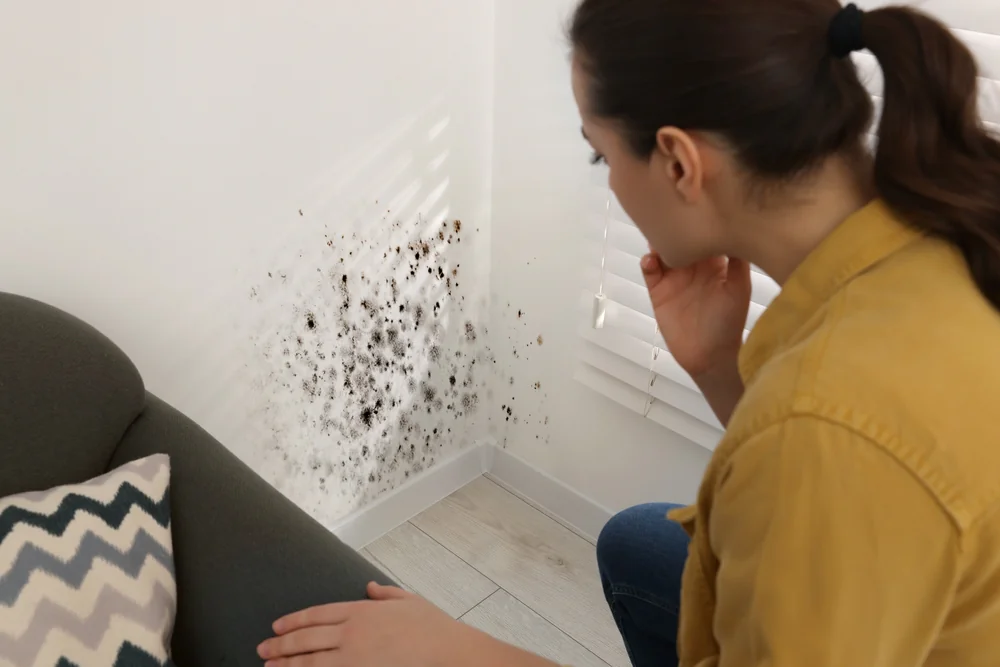
You call us when you notice signs of moisture problems, musty odors, visible mold, or you’re buying or selling a home and need documentation. We schedule an inspection, often same-day if you need it quickly.
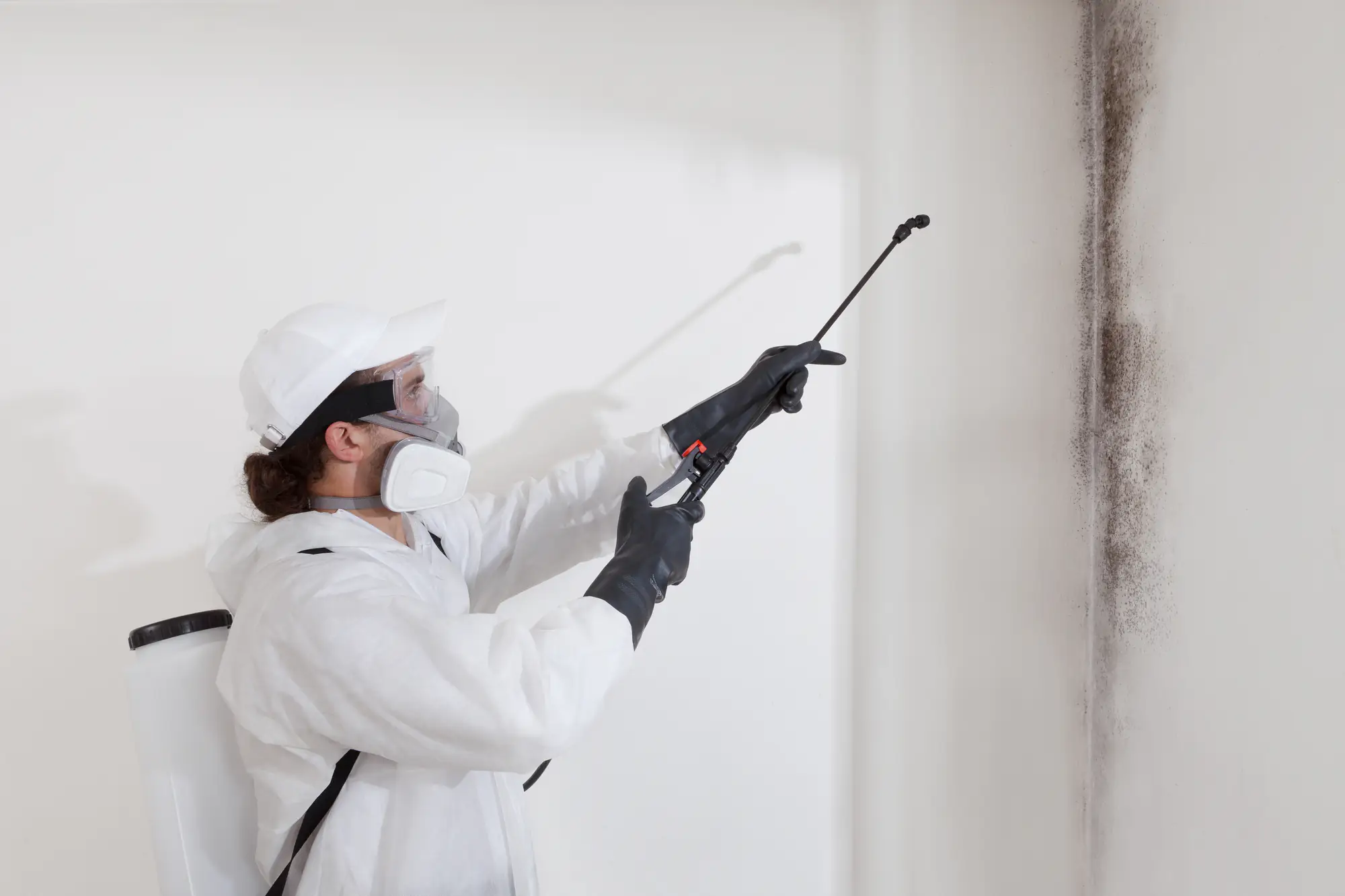
During the inspection, we use thermal imaging cameras to identify moisture sources you can’t see. We measure humidity levels in different areas of your home. We take air samples that measure airborne mold spore concentrations, which affect your family’s health even when mold isn’t visible on surfaces.
Samples go to an independent lab for analysis. You get results within 24 hours showing exactly which mold species are present and at what concentrations. The report includes moisture readings, problem areas identified, and clear recommendations for what needs to happen next.
If you need remediation, you can hire any qualified contractor. If you need moisture control, we tell you what sources to address. If the results show normal levels, you have documentation proving your home is clear.
Ready to get started?
You get a complete visual inspection of your property, including areas where moisture typically accumulates in West Whiteland homes: basements, crawl spaces, attics, bathrooms, and around windows or doors. We’re looking for active mold growth, water stains, condensation patterns, and structural moisture damage.
Thermal imaging shows temperature differences that indicate moisture behind walls or under floors. Moisture meters give exact readings of water content in building materials. These tools find problems before they become visible mold colonies.
Air quality sampling measures mold spore concentrations in your indoor air compared to outdoor baseline levels. Surface sampling identifies specific mold species when visible growth is present. Lab analysis tells you if you’re dealing with common molds or more concerning species like Stachybotrys (black mold).
The detailed report includes photos, moisture readings, lab results, and specific recommendations. You know exactly where moisture is entering, what’s feeding mold growth, and what steps will actually solve the problem. Pricing starts around $350 with no hidden fees or surprise charges.
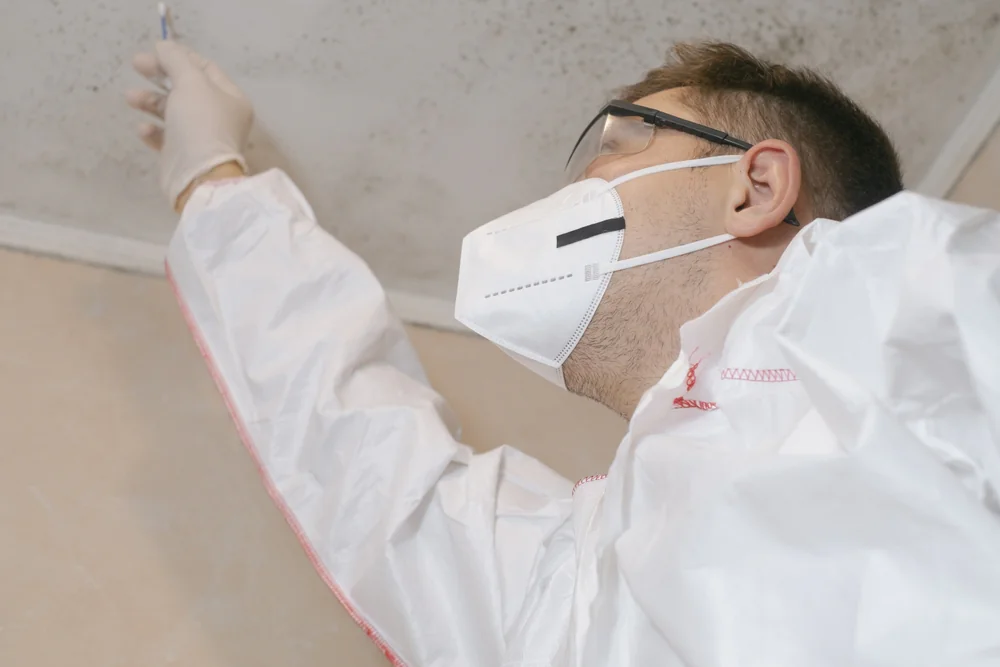
Mold mitigation focuses on preventing mold growth by controlling moisture sources before major problems develop. It’s the proactive approach: finding where water enters your home, identifying high humidity areas, and fixing those conditions so mold can’t colonize in the first place.
Mold remediation is the reactive approach. It means you already have mold growth that needs physical removal. Remediation involves containment, air filtration, removing contaminated materials, cleaning affected surfaces, and treating areas to prevent regrowth.
Mitigation is almost always cheaper and less disruptive than remediation. Finding a small moisture problem early might cost a few hundred dollars to fix. Waiting until you have active mold growth can mean thousands in remediation costs, plus the property value impact and health risks while you’re breathing those spores. That’s why testing matters even when you don’t see visible mold yet.
Mold can start colonizing within 24 to 48 hours under the right conditions. That’s why water damage from leaks, floods, or even high humidity needs immediate attention in West Whiteland’s climate.
Pennsylvania’s humidity levels hover around 60-70% during peak seasons. Your basement or crawl space might stay damp for weeks after a heavy rain if drainage isn’t working properly. That’s more than enough time for mold to establish itself and start releasing spores into your home’s air.
The speed depends on the moisture level, temperature, and what materials got wet. Drywall, wood, carpet, and insulation are particularly vulnerable. Even if you dry visible water quickly, moisture can remain trapped inside walls or under flooring where you can’t see it. That’s where thermal imaging during a professional inspection makes a difference. We find the hidden moisture before it becomes a visible mold problem.
DIY mold test kits from hardware stores will tell you if mold is present, but they won’t tell you what species, at what concentration, or where the moisture source is that’s feeding the growth. They also can’t identify hidden mold behind walls or under floors.
Professional testing uses calibrated equipment to measure moisture levels in building materials, thermal imaging to find hidden water sources, and lab-analyzed air samples that show exactly what you’re breathing. You get specific mold species identification, spore concentration levels, and comparison to outdoor baseline readings.
The bigger issue is knowing what to do with the results. A positive DIY test doesn’t tell you if you’re dealing with normal background levels or a serious problem. It doesn’t show you where moisture is entering or what needs to happen next. Professional testing costs a few hundred dollars and gives you actionable information, not just a yes/no answer. For a home worth $460,000 or more in West Whiteland, that’s a small investment for accurate information.
It depends on what caused the mold growth. Most homeowners insurance policies cover mold remediation if it resulted from a covered peril like a burst pipe or sudden water damage. They typically don’t cover mold from long-term maintenance issues like chronic leaks, poor ventilation, or humidity problems.
The key is documentation. Professional testing provides the independent lab results and detailed reports insurance companies need to process claims. DIY testing or just calling a remediation company without proper documentation can complicate your claim.
If you’re dealing with water damage from a covered event, get professional testing done quickly. Mold that develops within 24-48 hours of the covered damage is usually included in the claim. Mold that grows later because you didn’t dry things properly might not be covered. Insurance companies look closely at timelines and whether you took reasonable steps to prevent further damage. Having a state-licensed inspector’s report strengthens your position if there’s any dispute about coverage.
Mold releases spores and mycotoxins into your indoor air that can cause respiratory problems, allergic reactions, and worsen existing conditions like asthma. About 21% of asthma cases in the U.S. are linked to dampness and mold, with 4.6 million cases caused by mold exposure.
Even low levels of mold affect health over time. You might notice increased coughing, sneezing, throat irritation, or congestion that improves when you leave the house. Some people develop skin rashes or eye irritation. People with compromised immune systems, young children, and elderly family members are particularly vulnerable.
Black mold (Stachybotrys) gets the most attention, but other common species can cause health problems too. The concentration matters as much as the species. That’s why air quality testing is important even when you don’t see visible mold. You might be breathing elevated spore levels from hidden growth in your HVAC system, behind walls, or in your crawl space. Professional testing measures those concentrations and identifies which species are present so you know exactly what health risks you’re facing.
Yes. Pennsylvania law requires sellers to disclose known material defects, including mold problems that affect property value or safety. Failing to disclose can lead to serious legal consequences after the sale closes.
If you’ve had mold issues, even if they’ve been remediated, you need to disclose that history to potential buyers. Professional documentation showing the problem was properly addressed helps maintain buyer confidence. About 50% of buyers walk away from homes with mold history, but proper documentation and proof of remediation reduces that risk.
If you’re buying a home in West Whiteland, especially older properties, getting a professional mold inspection before closing protects your investment. Sellers might not know about hidden mold problems in crawl spaces, attics, or behind finished basement walls. An inspection that costs a few hundred dollars can save you from discovering a $10,000+ remediation problem after you’ve already bought the house. It also gives you negotiating power if problems are found before closing.
Other Services we provide in West Whiteland