
Hear from Our Customers
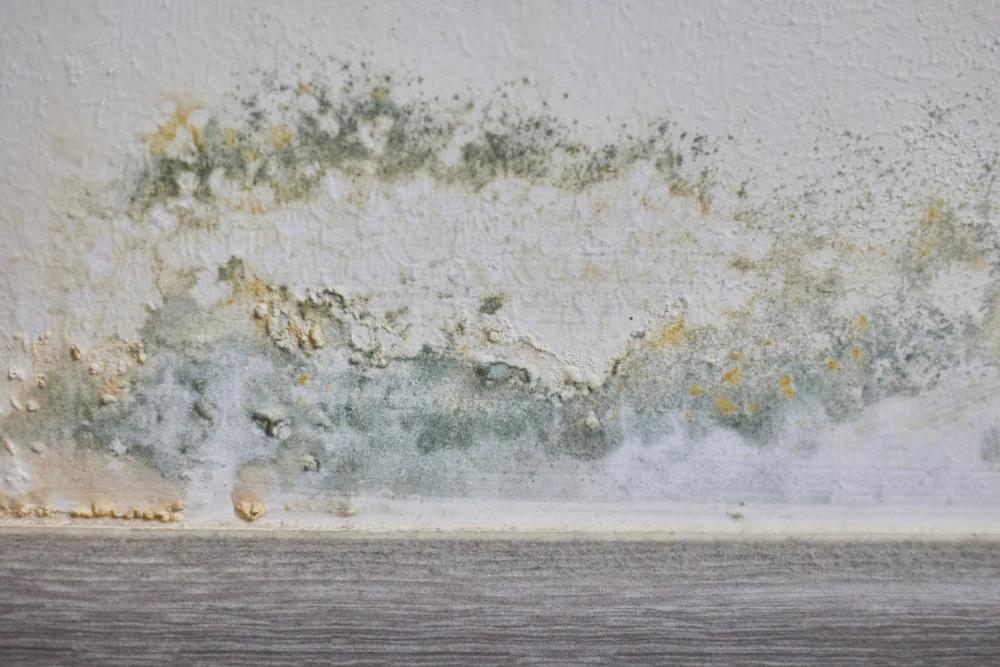
Mold doesn’t just sit on the surface. It grows behind walls, in crawl spaces, inside your HVAC system. You might not see it for weeks, but your kids are breathing it in every day.
Professional mold mitigation means we find where it’s growing, remove it completely, and fix the moisture problem that caused it. That’s the difference between a temporary cleanup and actually solving the problem.
You’re not just paying for mold removal. You’re paying to protect a $463,000 investment from losing value. You’re paying so your family stops dealing with respiratory issues that doctors can’t explain. You’re paying for the confidence that this problem is handled correctly.
The homes we work on in West Whiteland and throughout Chester County don’t have mold come back. That’s because we don’t just treat symptoms—we eliminate the cause.
We specialize in creating healthy homes across Bucks County, Chester County, and the surrounding areas. We’re certified mold remediation professionals who use EPA-approved methods and follow Pennsylvania regulations to the letter.
We’re not the cheapest option you’ll find. But we’re the option that shows up within 24 hours, uses advanced detection technology to find hidden mold, and backs our work with a 5-year warranty.
West Whiteland homeowners deal with the same issues we see across the region: basement moisture from older foundations, attic mold from poor ventilation, and hidden growth from slow leaks that go unnoticed. We know what to look for because we’ve seen it hundreds of times.
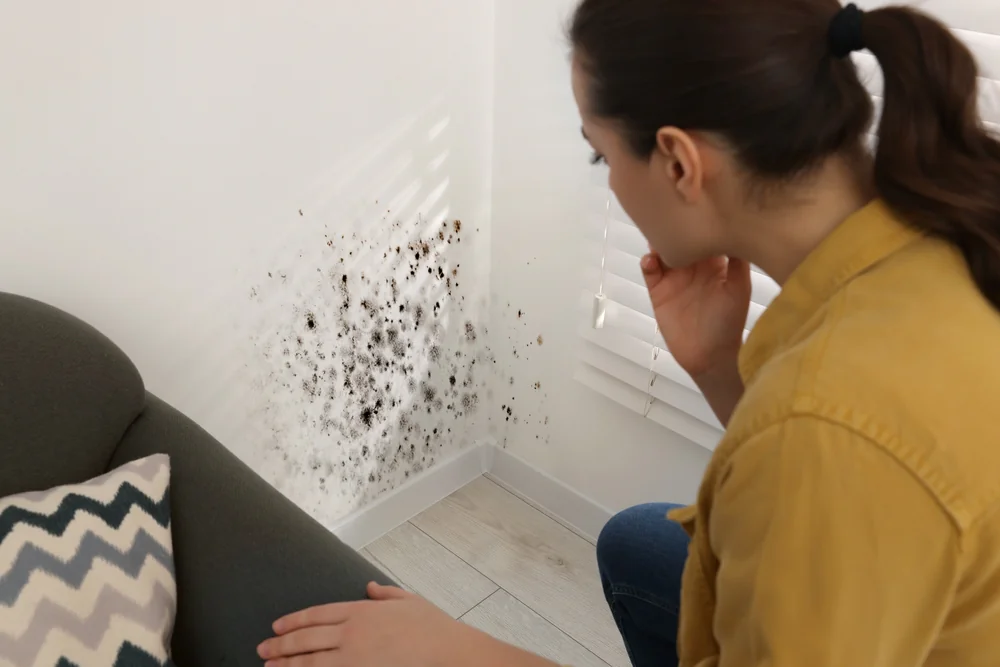
First, we respond fast—usually within 24 hours. Mold starts growing within 24-48 hours after water exposure, so speed matters. We’ll inspect your property using thermal imaging and moisture meters to find every affected area, not just the spots you can see.
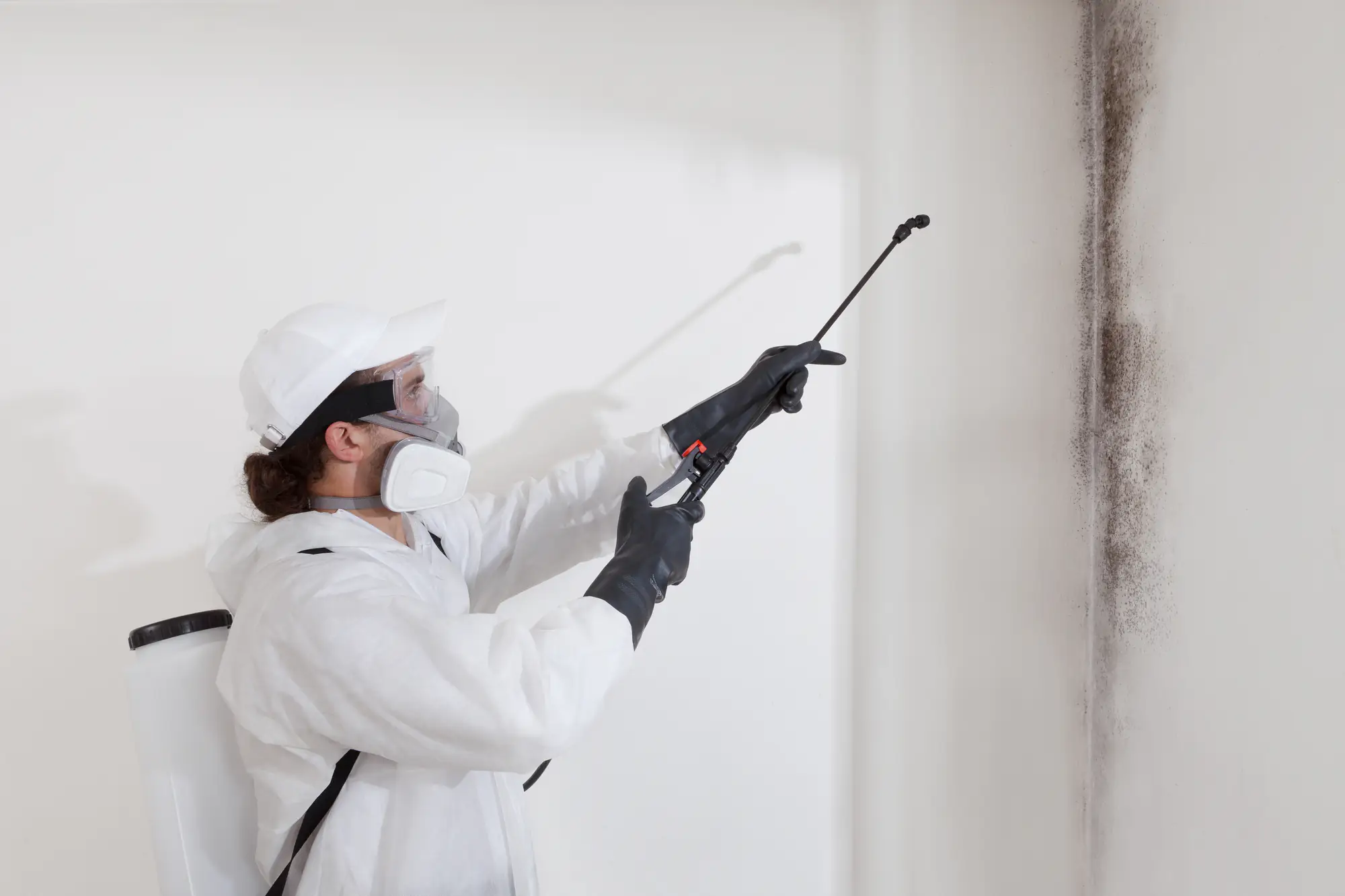
Next, we contain the area to prevent mold spores from spreading to clean parts of your home. We use negative air pressure and physical barriers because disturbing mold without containment makes the problem worse. Then we remove contaminated materials and clean salvageable surfaces with EPA-approved antimicrobial treatments.
But here’s the part most companies skip: we identify and fix the moisture source. If we don’t control humidity levels, fix the leak, or improve ventilation, mold will grow back. That’s why we use dehumidifiers, repair water damage, and sometimes recommend structural improvements.
Finally, we verify the work with post-remediation testing. You get documentation showing mold levels are back to normal. This matters for your health, your property value, and your insurance records.
Ready to get started?
You get a free inspection where we assess the full scope of contamination. We’re looking in your attic, crawl space, behind walls, and inside HVAC systems—anywhere moisture can hide. Pennsylvania homes, especially in Chester County, often have mold in basements due to groundwater issues and in attics from ice damming in winter.
Our service includes containment setup, removal of affected materials, HEPA air filtration during the entire process, antimicrobial treatment, and moisture control solutions. We also handle black mold mitigation, which requires extra precautions due to health risks.
We work directly with your insurance company and provide all the documentation they need for your claim. Most homeowners don’t realize their policy covers this, but we’ll help you figure that out. If insurance doesn’t cover it, we offer financing options.
You also get our 5-year warranty. If mold comes back in the treated area within five years, we’ll fix it. That’s how confident we are in our moisture control work.
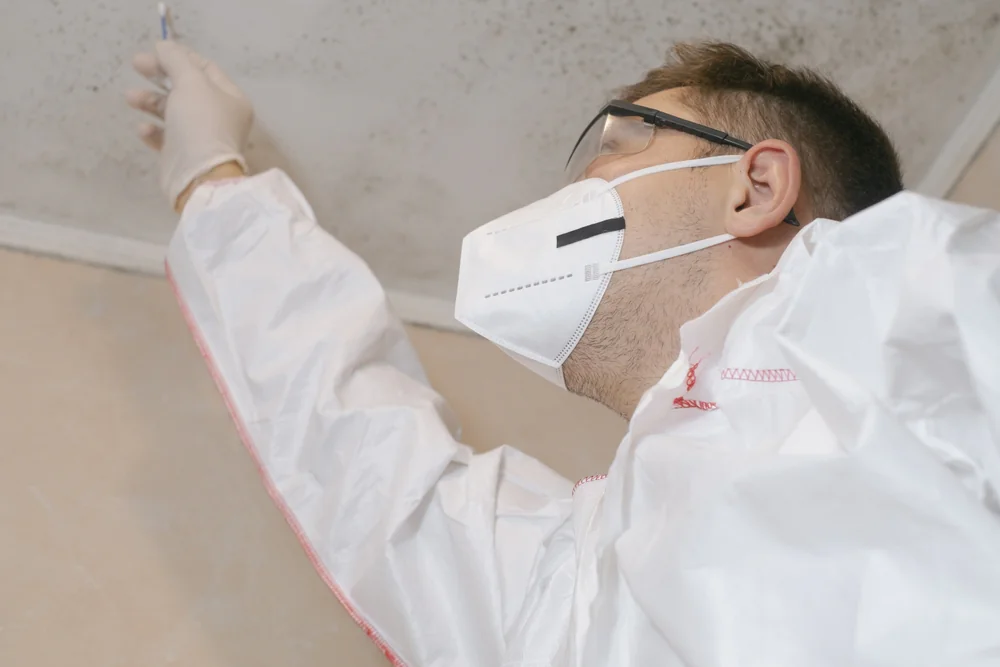
Mold begins growing within 24 to 48 hours after materials get wet. But here’s what most people don’t realize: you won’t see visible mold for about three weeks. The damage is happening long before you notice anything.
This is why water damage from a burst pipe, roof leak, or flooding needs immediate attention. Even if you dry things out yourself, moisture can get trapped inside walls, under flooring, or in insulation where you can’t reach it.
By the time you see mold or smell that musty odor, you’re looking at an established colony that’s already spreading spores throughout your home. That’s why we recommend calling for an inspection within 24 hours of any water event—even if everything looks dry on the surface.
Bleach kills surface mold on non-porous materials like tile or glass. But it doesn’t work on porous materials like drywall, wood, carpet, or insulation—and that’s where most mold grows in homes.
The bigger issue is that DIY removal doesn’t address the moisture source. You can scrub away visible mold, but if humidity levels stay high or the leak isn’t fixed, mold will grow back within weeks. You’re also spreading spores throughout your house every time you disturb the mold without proper containment.
Professional mold mitigation uses HEPA filtration, containment barriers, and EPA-approved antimicrobials that penetrate porous materials. More importantly, we find and fix the moisture problem. Small surface mold on a bathroom tile? Sure, clean it yourself. But if you’re seeing mold on walls, ceilings, or in your basement, you need professional help.
Most residential mold mitigation projects in West Whiteland range from $1,500 to $6,000 depending on the size of the affected area and the extent of damage. A small bathroom might cost $1,500-$2,500. A finished basement or multiple rooms can run $4,000-$6,000 or more.
The cost depends on how much material needs removal, whether we’re dealing with black mold (which requires extra safety protocols), and what moisture control solutions are needed. Crawl space mold mitigation often includes encapsulation and dehumidifier installation, which adds to the cost but prevents future problems.
Here’s what affects your final price: square footage of contamination, type of materials affected (drywall is cheaper to replace than hardwood), accessibility of the mold, and whether structural repairs are needed. We provide upfront pricing after the free inspection so you know exactly what you’re paying for. Many homeowners are surprised to learn their insurance covers most or all of the cost.
Professional mold mitigation with proper documentation actually protects your home’s value. What destroys property value is untreated mold or DIY cleanup without addressing the root cause.
When you sell a home in Pennsylvania, you’re required to disclose known mold issues. If you had professional remediation done, you can show buyers the documentation proving the problem was handled correctly by certified professionals. That’s reassuring. What scares buyers away is discovering hidden mold during inspection or seeing evidence of amateur cleanup attempts.
Homes with documented, professionally-resolved mold issues sell just fine. Homes with active mold problems or visible water damage can lose 10-20% of their value—or fail to sell at all until the issue is fixed. Our work comes with a 5-year warranty and post-remediation testing results, which gives future buyers confidence that your home is safe.
Mold removal is just taking out the visible mold. Mold mitigation is the complete process of removing mold, controlling its spread, fixing the moisture problem, and preventing future growth.
You can’t actually “remove” every single mold spore from a home—mold exists naturally in outdoor air and comes inside through windows, doors, and ventilation. What we do is reduce mold levels back to normal, safe concentrations and eliminate the conditions that allow it to grow.
Mitigation includes containment so spores don’t spread during removal, HEPA air filtration, removal of contaminated materials, antimicrobial treatment of affected areas, and most importantly—moisture control. If someone offers you “mold removal” without talking about humidity levels, ventilation, or fixing leaks, they’re not solving your problem. They’re just temporarily hiding it.
You might smell it before you see it—a musty, earthy odor that doesn’t go away is usually mold. You might also notice health symptoms that improve when you leave the house: respiratory issues, headaches, or allergy-like symptoms that don’t respond to medication.
Physical signs include water stains on ceilings or walls, peeling paint or wallpaper, warped wood, or visible condensation on windows. In West Whiteland homes, we commonly find attic mold from poor ventilation and ice damming, and basement mold from foundation moisture.
The only way to know for sure is professional testing. We use thermal imaging to detect moisture inside walls, moisture meters to measure humidity in materials, and air quality testing to identify elevated mold spore counts. Our Instascope technology gives real-time analysis without waiting for lab results. If you’ve had any water damage in the past year—even if you dried it out—get an inspection. Most hidden mold problems start with water events that seemed minor at the time.
Other Services we provide in West Whiteland